
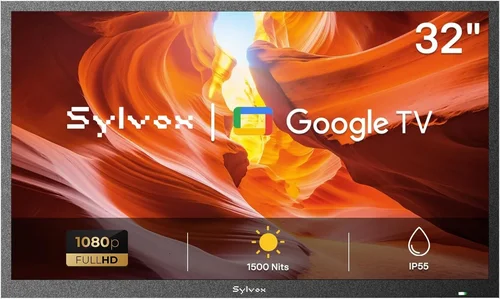
Outdoor entertainment has evolved dramatically over the past decade, and nothing captures that transformation quite like the rise of outdoor TVs. Whether you’re hosting a backyard barbecue, enjoying a quiet evening under the stars, or watching the big game with friends on your deck, having a television built for the elements can elevate your experience from ordinary to extraordinary. But here’s the catch: not all TVs are created equal when it comes to outdoor use. A standard indoor TV left outside might survive a light drizzle, but it won’t endure direct sunlight, humidity, temperature swings, or dust—let alone deliver the bright, clear picture you need in daylight conditions.
That’s why this comprehensive buying guide exists. We’ve tested, researched, and analyzed dozens of outdoor TVs to help you make an informed decision tailored to your specific needs. Whether you’re a casual viewer looking for something affordable or a tech-savvy homeowner investing in a premium setup, this guide will walk you through every critical factor—from weather resistance and screen brightness to mounting options and smart features. By the end, you’ll know exactly what to look for, which brands deliver real value, and how to avoid common pitfalls that could cost you time, money, or both.
The outdoor TV market has matured significantly in recent years. What once consisted of bulky, overpriced specialty units has now expanded into a diverse ecosystem offering everything from budget-friendly weatherized screens to ultra-bright 4K HDR models with built-in streaming and voice control. Major electronics brands like Samsung, LG, and Sony have entered the space, while dedicated outdoor specialists such as SunBriteTV, Seura, and Peerless-AV continue to push innovation in durability and performance. With so many options available—and prices ranging from under $500 to well over $5,000—it’s more important than ever to understand what truly matters when choosing an outdoor TV for your deck or patio.

What to Look for When Buying an Outdoor TV
1. Weather Resistance & IP Rating
When it comes to outdoor electronics, weather resistance isn’t just a nice-to-have—it’s essential. Unlike indoor TVs, outdoor models must withstand rain, snow, dust, UV exposure, and extreme temperatures without failing. The first thing to check is the TV’s Ingress Protection (IP) rating, which indicates how well the device resists solid particles (like dust) and liquids (like water). For outdoor use, look for at least an IP55 rating, which means the TV is protected against dust ingress (limited) and water jets from any direction. Higher-end models may offer IP65 or even IP66 ratings, providing full dust protection and resistance to powerful water jets—ideal for areas with heavy rainfall or frequent hose-downs.
But IP ratings only tell part of the story. True outdoor TVs are engineered with sealed enclosures, corrosion-resistant materials, and internal climate control systems (like fans or heaters) to manage condensation and prevent overheating in summer or freezing in winter. For example, SunBriteTV’s Veranda series includes a built-in thermal management system that keeps the internal components within safe operating temperatures year-round. If you live in a region with harsh winters or scorching summers, this feature alone can extend your TV’s lifespan by years.
2. Screen Brightness & Anti-Glare Technology
One of the biggest challenges of outdoor viewing is ambient light. Even on a cloudy day, outdoor brightness can be 10 times greater than typical indoor lighting. Standard indoor TVs typically peak at 300–500 nits of brightness—fine for a dimly lit living room but nearly invisible in direct sunlight. Outdoor TVs, by contrast, are designed with high-brightness panels ranging from 700 to over 2,500 nits. This ensures that colors remain vibrant and details stay sharp, even when the sun is shining directly on the screen.
Equally important is anti-glare technology. Many outdoor TVs feature optically bonded glass or matte finishes that diffuse reflections rather than reflecting them like a mirror. Some premium models, like the Seura Outdoor TV, use advanced optical bonding to eliminate the air gap between the LCD panel and the outer glass, reducing glare and improving contrast. Without this, you’ll find yourself constantly adjusting the TV’s angle or pulling up shades—defeating the purpose of having an outdoor screen. Always look for specs that mention “high brightness,” “sunlight readable,” or “anti-reflective coating” if you plan to mount your TV in a spot that gets direct sun.
3. Build Quality & Durability
Outdoor TVs aren’t just about surviving the weather—they’re also built to last. High-quality models use powder-coated aluminum frames, stainless steel hardware, and reinforced glass that resists scratches, dents, and corrosion. Cheaper alternatives might use plastic casings or thin metal that can warp or rust over time, especially near saltwater environments like coastal decks. Pay close attention to the construction details: Are the vents sealed? Is the back panel fully enclosed? Are the input ports protected by rubber gaskets?
Durability also extends to internal components. Look for TVs with solid-state drives (SSDs) instead of traditional hard drives, as SSDs have no moving parts and are less prone to failure from vibration or temperature changes. Additionally, some manufacturers use conformal coating on circuit boards to protect against moisture and dust. While these details aren’t always advertised upfront, they’re often mentioned in user manuals or technical specifications. If a brand doesn’t emphasize rugged construction, it’s likely cutting corners.
4. Display Technology & Picture Quality
Just because a TV is built for outdoors doesn’t mean it should sacrifice picture quality. Most outdoor TVs today use either LED-LCD or OLED panels, with LED-LCD being far more common due to its higher brightness capabilities. OLED offers superior contrast and deeper blacks, but it struggles with peak brightness and can suffer from burn-in under constant static images—a risk in outdoor settings where channel logos or scoreboards might remain on-screen for hours.
For most deck setups, a high-quality LED-LCD with local dimming and HDR support (like HDR10 or Dolby Vision) will deliver excellent results. Look for resolutions of at least 4K UHD (3840 x 2160), especially if you’re mounting the TV more than 8–10 feet away. Lower resolutions may appear pixelated at closer distances. Also consider refresh rate: a 60Hz panel is fine for casual viewing, but if you watch sports or action movies, a 120Hz refresh rate with motion interpolation can significantly reduce blur and judder.
5. Smart Features & Connectivity
Modern outdoor TVs aren’t just dumb screens—they’re full-fledged smart platforms. Most come with built-in Wi-Fi, Bluetooth, and operating systems like Android TV, webOS (LG), or Tizen (Samsung). This allows you to stream content directly from Netflix, YouTube, Disney+, and other services without needing an external device. However, not all smart platforms are created equal. Android TV offers the most app flexibility, while webOS is known for its intuitive interface. Make sure the OS is regularly updated and supports the streaming services you use most.
Connectivity is another key consideration. Look for multiple HDMI ports (at least two, preferably three), USB inputs, optical audio out, and Ethernet for wired internet. Some models include weatherproof cable entry points or rear-access panels to keep cords organized and protected. If you plan to connect a soundbar, gaming console, or cable box, ensure there’s enough space and ventilation behind the TV for these devices.
6. Size & Viewing Distance
Choosing the right screen size depends on your deck layout and typical viewing distance. As a general rule, multiply your seating distance (in inches) by 0.84 to get the ideal screen diagonal in inches. For example, if your chairs are 10 feet (120 inches) from the TV, a 100-inch screen would be optimal. However, outdoor environments often allow for larger screens because ambient light reduces perceived image size.
That said, bigger isn’t always better. A 75-inch TV mounted too close can cause eye strain, while a 55-inch model viewed from 15 feet away may feel underwhelming. Consider your deck’s dimensions, seating arrangement, and whether the TV will be visible from multiple angles. Also factor in mounting limitations: larger screens require sturdier brackets and may need professional installation, especially if you’re mounting on a wall or ceiling.
7. Brand Reputation & Ecosystem Compatibility
Not all outdoor TV brands are equal in terms of reliability, customer service, and long-term support. Established names like SunBriteTV and Seura have been in the outdoor AV space for over a decade and offer extensive warranties, dedicated support lines, and compatibility with third-party mounts and audio systems. Mainstream brands like Samsung and LG now offer “outdoor-ready” versions of their indoor models (e.g., Samsung’s The Terrace), but these often require additional weatherproof enclosures, which can add cost and complexity.
Consider how the TV integrates with your existing smart home ecosystem. If you already use Alexa, Google Assistant, or Apple HomeKit, choose a model that supports your preferred voice assistant. Some outdoor TVs even include built-in microphones for hands-free control—though privacy-conscious users may prefer models with physical mic switches.
8. Warranty & Customer Support
Outdoor TVs represent a significant investment, so robust warranty coverage is non-negotiable. Most reputable brands offer at least a 2-year limited warranty, with some extending to 3 or even 5 years. Pay attention to what’s covered: Does it include accidental damage? Is labor included for repairs? Are replacement parts readily available? SunBriteTV, for instance, offers a 3-year warranty with in-home service in many areas—a huge advantage if something goes wrong.
Customer support quality varies widely. Read reviews about response times, technical expertise, and ease of returns. A brand might sell a great product, but if their support team is slow or unhelpful, you could be stuck troubleshooting issues alone. Look for companies with U.S.-based support, online chat, and detailed FAQ sections.
Different Types of Outdoor TVs

Common Buying Mistakes to Avoid
❌ Mistake: Buying an Indoor TV for Outdoor Use
Why it’s bad: Indoor TVs lack the necessary weatherproofing, brightness, and thermal management to survive outdoors. Even brief exposure to moisture can cause internal corrosion, and low brightness makes them unusable in daylight. Many users report failure within weeks or months.
What to do instead: Invest in a purpose-built outdoor TV or use a certified weatherproof enclosure if you must repurpose an indoor model. Always check the manufacturer’s warranty—most void coverage if used outdoors.
❌ Mistake: Ignoring Viewing Angle and Sun Exposure
Why it’s bad: Mounting a TV in direct sunlight without anti-glare technology results in a washed-out, unwatchable image. Similarly, placing it where viewers must look up or sideways causes neck strain and reduces immersion.
What to do instead: Choose a shaded or covered location, or opt for a TV with high brightness (1,000+ nits) and wide viewing angles (178°). Use a tilt or full-motion mount to adjust the screen based on sun position.
❌ Mistake: Overlooking Audio Needs
Why it’s bad: Outdoor environments have no walls to reflect sound, so built-in TV speakers often sound tinny and weak. Relying solely on the TV’s audio leads to poor dialogue clarity and missed details.
What to do instead: Pair your outdoor TV with weather-resistant speakers or a soundbar. Many outdoor TVs include optical or Bluetooth audio outputs for easy integration.
❌ Mistake: Skimping on Mounting Hardware
Why it’s bad: Standard indoor mounts aren’t designed for outdoor conditions. Wind, rain, and temperature changes can loosen bolts or cause rust, leading to dangerous falls.
What to do instead: Use marine-grade stainless steel mounts rated for outdoor use. Ensure the wall or structure can support the weight—especially for larger screens. When in doubt, hire a professional installer.
❌ Mistake: Not Planning for Cable Management
Why it’s bad: Exposed cables are unsightly, vulnerable to weather damage, and can become tripping hazards. Water can seep into unsealed ports, causing shorts.
What to do instead: Use conduit, cable raceways, or in-wall wiring (if permitted). Choose TVs with rear-access panels or built-in cable channels. Seal all connections with silicone or rubber grommets.
❌ Mistake: Forgetting About Power Supply and Surge Protection
Why it’s bad: Outdoor outlets are prone to power surges from lightning or grid fluctuations. Without protection, your TV could be fried during a storm.
What to do instead: Install a weatherproof GFCI outlet and use a high-quality outdoor surge protector. Consider a UPS (uninterruptible power supply) for added peace of mind.
❌ Mistake: Assuming All “Outdoor” TVs Are Equal
Why it’s bad: Some brands market indoor TVs as “outdoor-ready” with minimal modifications. These often lack proper sealing or brightness, leading to disappointment.
What to do instead: Research thoroughly. Look for third-party certifications, real user reviews, and detailed spec sheets. Stick to brands with proven outdoor track records.
Budget Guidelines: How Much Should You Spend?
Entry-Level ($500–$1,200): This tier includes portable outdoor TVs and indoor models paired with basic weatherproof enclosures. Picture quality is decent in shade, but brightness is limited (under 700 nits), and durability is questionable. Best for occasional use in covered areas or temporary setups. Examples: Seura Slim Outdoor TV (partial shade), generic enclosures with 55″ indoor TVs.
Mid-Range ($1,200–$2,500): The sweet spot for most homeowners. These TVs offer full weather resistance (IP55+), 700–1,200 nits brightness, 4K resolution, and smart features. Ideal for decks with partial cover or morning/evening viewing. Brands like SunBriteTV Veranda and Samsung The Terrace (with enclosure) fit here. Expect 2–3 year lifespans with proper care.
Premium ($2,500–$5,000): Designed for full sun exposure and year-round use. Features include 1,500+ nits brightness, advanced anti-glare coatings, built-in heaters/fans, and robust smart platforms. Models like SunBriteTV Pro Series and Peerless-AV Xtreme deliver cinema-quality images outdoors. Warranties typically span 3 years.
Luxury ($5,000+): Top-tier commercial-grade or custom solutions. These support 24/7 operation, offer modular designs, and include remote monitoring. Perfect for luxury homes, resorts, or large outdoor theaters. Expect professional installation and ongoing service contracts.
Expert Tips for Getting the Best Deal
– Shop During Off-Seasons: Prices drop significantly in late fall and winter when outdoor demand slows. Retailers often clear inventory before spring.
– Compare Total Cost of Ownership: A cheaper TV may require expensive add-ons (enclosures, mounts). Calculate the full setup cost before deciding.
– Check Manufacturer Rebates: Brands like SunBriteTV occasionally offer seasonal promotions or bundle deals with mounts and speakers.
– Buy Direct from Authorized Dealers: This ensures warranty validity and access to genuine parts. Avoid gray-market sellers on auction sites.
– Test Before Committing: If possible, visit a showroom to see brightness and color accuracy in person. Online images can’t replicate real-world conditions.
– Negotiate Installation Packages: Many retailers offer discounted or free installation with purchase—especially for premium models.
– Read the Fine Print on Returns: Outdoor TVs often have stricter return policies due to their specialized nature. Confirm the window and restocking fees.
– Consider Refurbished Models: Certified refurbished units from reputable brands can save 20–40% and come with full warranties.

Frequently Asked Questions
Q: Can I use a regular TV outside if it’s under a covered patio?
A: Technically yes, but it’s risky. Even covered areas can experience humidity, temperature swings, and indirect moisture. Without proper ventilation and sealing, internal components may degrade faster. For reliable long-term use, choose a partial-shade outdoor TV or a certified enclosure.
Q: How do I clean my outdoor TV screen?
A: Use a microfiber cloth and distilled water only. Avoid ammonia-based cleaners (like Windex), which can damage anti-reflective coatings. For stubborn spots, lightly dampen the cloth—never spray liquid directly on the screen.
Q: Will my outdoor TV work in winter?
A: Yes, if it’s designed for all-weather use. Models with built-in heaters (like SunBriteTV Pro) can operate in temperatures as low as -24°F (-31°C). Partial-shade TVs may have lower limits (around 32°F).
Q: Do outdoor TVs consume more power?
A: Slightly, due to higher brightness and thermal systems. However, modern LED efficiency keeps energy use reasonable—typically 100–200 watts for a 65″ model. Look for ENERGY STAR ratings where available.
Q: Can I mount an outdoor TV on a ceiling or under a pergola?
A: Absolutely. Use a full-motion or tilt mount rated for outdoor use. Ensure the structure is sturdy enough and that cables are routed safely. Some pergolas may require additional bracing.
Q: Are outdoor TVs compatible with streaming devices like Roku or Apple TV?
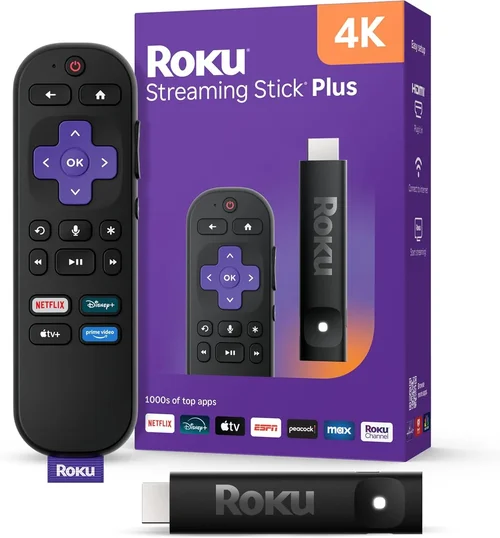
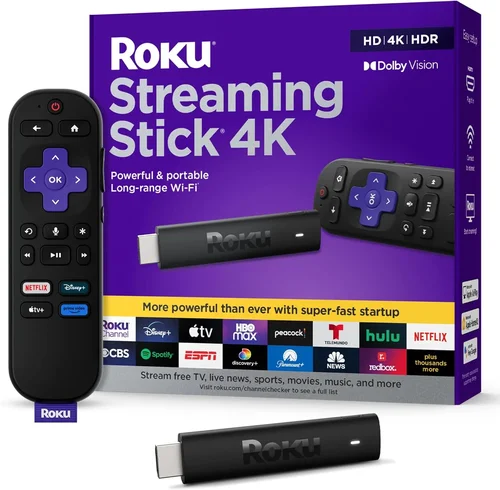
A: Yes, most have HDMI ports for external devices. However, built-in smart platforms often provide a smoother, more integrated experience—and reduce cable clutter.
Q: How long do outdoor TVs typically last?
A: With proper care, 5–7 years is common. All-weather models with robust build quality can exceed 10 years. Regular maintenance (cleaning vents, checking seals) extends lifespan.
Q: What’s the difference between “outdoor TV” and “commercial display”?
A: Commercial displays are built for 24/7 operation, have higher brightness (2,500+ nits), and support remote management. They’re overkill for home use but ideal for businesses.
Q: Can I connect my outdoor TV to a home theater system?
A: Yes, via optical audio, HDMI ARC, or Bluetooth. For best results, use weatherproof speakers placed strategically around your deck.
Q: Is professional installation worth it?
A: Highly recommended for larger screens (>65″), complex mounts, or hardwired setups. Professionals ensure safety, optimal placement, and proper cable management.
Our Final Recommendations
Best for Budget-Conscious Buyers: Seura Slim 55″ Partial-Shade Outdoor TV – At around $1,200, it delivers solid 4K performance, 700 nits brightness, and reliable weather resistance for covered decks. Great value for the price.
Best Overall Value: SunBriteTV Veranda 65″ Series 3 – Priced near $2,200, this all-weather TV offers 1,000 nits brightness, Android TV, and a 3-year warranty. Perfect balance of performance, durability, and features.
Best Premium Option: SunBriteTV Pro 2 75″ – With 2,500 nits brightness, full IP66 rating, and built-in thermal management, this is the ultimate choice for full-sun decks. Expect to pay $4,500+, but it’s built to last a decade.
Best for Beginners: Samsung The Terrace 65″ (with optional outdoor enclosure) – Familiar smart features, excellent picture quality, and wide app support. Ideal if you already use Samsung devices.
Best for Advanced Users: Peerless-AV Xtreme 70″ Commercial Outdoor Display – Designed for 24/7 use, this modular system supports custom configurations, remote monitoring, and ultra-high brightness. Best for tech enthusiasts or small businesses.
Conclusion: Making the Right Choice
Choosing the right outdoor TV for your deck isn’t just about picking the biggest or brightest screen—it’s about matching the technology to your environment, usage patterns, and long-term goals. From weather resistance and screen brightness to smart features and warranty coverage, every detail matters when you’re investing in outdoor entertainment that needs to perform reliably year after year.
Remember: the cheapest option often costs more in the long run due to premature failure or poor performance. Conversely, overspending on features you’ll never use is equally wasteful. Start by assessing your deck’s exposure, typical viewing times, and must-have features. Then, use this guide to narrow down your options and avoid common pitfalls.
Whether you’re watching fireworks on the Fourth of July, hosting a movie night under the stars, or simply enjoying your morning coffee with the news, the right outdoor TV can transform your deck into a true extension of your living space. Take your time, do your research, and prioritize quality over quick savings. Your future self—and your guests—will thank you.

