
Outdoor living spaces have evolved dramatically over the past decade. What was once a simple patio with a table and chairs has transformed into a fully functional extension of the home—complete with grills, fire pits, lighting, and yes, even televisions. As more homeowners seek to maximize comfort and entertainment value in their outdoor areas, the demand for outdoor TVs has surged. But not all outdoor TVs are created equal, especially when it comes to smaller patios where space, visibility, and environmental conditions present unique challenges.
This expert buying guide is designed specifically for those looking to bring high-quality entertainment to compact outdoor spaces. Whether you’re setting up a cozy balcony in the city, a small backyard patio, or a screened-in porch, choosing the right outdoor TV requires careful consideration. Unlike indoor TVs, outdoor models must withstand temperature swings, humidity, dust, and direct sunlight—all while delivering a clear, vibrant picture that remains visible even in bright daylight. With so many options on the market, it’s easy to get overwhelmed by technical specs, inflated claims, or misleading marketing. That’s why this guide cuts through the noise to help you make an informed, confident decision.
In the following sections, you’ll learn everything you need to know about selecting the best outdoor TV for your small patio. From understanding key performance specifications and build quality to comparing different types of outdoor displays and avoiding common pitfalls, this guide covers it all. We’ll also break down budget expectations, share insider tips for scoring the best deals, and answer frequently asked questions based on real-world user experiences. By the end, you’ll have a clear roadmap to finding an outdoor TV that fits your space, meets your needs, and delivers years of reliable enjoyment under the open sky.

What to Look for When Buying an Outdoor TV
1. Brightness & Display Technology
One of the most critical factors when choosing an outdoor TV for a small patio is brightness—measured in nits. Indoor TVs typically range from 300 to 500 nits, but outdoor environments demand significantly higher levels to combat glare from sunlight. For patios that receive partial sun or are shaded but still exposed to ambient light, look for a minimum of 700 nits. If your patio gets direct sunlight for part of the day, aim for 1,000 nits or higher. Some premium outdoor TVs now offer up to 2,500 nits, ensuring crisp visibility even at noon.
Display technology also plays a major role. Most outdoor TVs use either LED/LCD panels with enhanced backlighting or OLED screens. While OLED delivers superior contrast and deeper blacks, it can struggle in bright conditions unless specifically engineered for outdoor use. Many manufacturers now use anti-reflective coatings, optically bonded glass, and high-brightness LED backlights to improve outdoor visibility. Look for terms like “sunlight readable,” “high-brightness display,” or “outdoor-optimized panel” in product descriptions—these indicate purpose-built designs rather than repurposed indoor models.
2. Weather Resistance & IP Rating
Outdoor TVs must endure rain, snow, dust, extreme temperatures, and UV exposure. This is where the Ingress Protection (IP) rating becomes essential. The IP rating consists of two digits: the first indicates protection against solid particles (like dust), and the second against liquids (like rain). For outdoor use, an IP55 rating is the absolute minimum—this means the TV is protected from limited dust ingress and low-pressure water jets from any direction. However, for full weather resistance, especially in regions with heavy rain or snow, opt for IP65 or higher. IP65 ensures complete dust protection and resistance to water projected from a nozzle.
Beyond the IP rating, consider the TV’s operating temperature range. Quality outdoor TVs are built to function reliably between -22°F and 122°F (-30°C to 50°C). Cheaper models may claim outdoor use but fail in extreme cold or heat, leading to screen flickering, slow response times, or permanent damage. Also, check whether the TV includes a built-in heater or cooling system—some premium models feature thermal management systems that automatically adjust internal temperature to prevent condensation or overheating.
3. Size & Viewing Distance
On a small patio, every inch counts. While it might be tempting to go for a large 65-inch screen, oversized TVs can overwhelm compact spaces and create uncomfortable viewing angles. The ideal screen size depends on your seating arrangement and distance from the TV. A good rule of thumb is to multiply your viewing distance (in inches) by 0.84 to determine the optimal diagonal screen size. For example, if you’re sitting 6 feet (72 inches) away, a 60-inch TV (72 × 0.84 ≈ 60) would be ideal.
For most small patios, TVs between 43 and 55 inches strike the perfect balance between immersion and practicality. Smaller screens (32–40 inches) work well for balconies or very tight spaces, while 55–65 inches suit slightly larger patios with ample seating. Avoid going too big—not only will it dominate the space, but it may also require additional structural support for mounting. Wall-mounted TVs should be centered at eye level when seated (typically 42–48 inches from the ground), and ensure there’s enough clearance for ventilation and cable management.
4. Audio Quality & Built-in Speakers
Many outdoor TVs come with built-in speakers, but don’t assume they’ll deliver satisfying sound. Outdoor environments lack the acoustic reflection of indoor walls, so audio can feel thin or distant. Look for TVs with at least 20W of total speaker output, and preferably those featuring dual speakers or sound-enhancing technologies like Dolby Audio or DTS Studio Sound. Some models include a subwoofer output or Bluetooth connectivity for wireless speakers, which is ideal for enhancing bass and overall audio presence.
If you plan to host gatherings or enjoy music alongside your shows, consider pairing your outdoor TV with weather-resistant wireless speakers. Many modern outdoor TVs support Bluetooth 5.0 or higher, allowing seamless pairing with portable or permanently installed outdoor audio systems. Alternatively, look for models with optical audio outputs or HDMI ARC (Audio Return Channel) to connect to external soundbars or amplifiers. Remember: even the best picture won’t compensate for muffled or weak audio, especially in open-air settings.
5. Smart Features & Connectivity
Today’s outdoor TVs aren’t just displays—they’re smart entertainment hubs. Most come equipped with built-in Wi-Fi, streaming apps (like Netflix, YouTube, Disney+, and Amazon Prime Video), and voice control via Google Assistant or Amazon Alexa. These features allow you to enjoy your favorite content without needing a separate streaming device. However, not all smart platforms are created equal. Roku TV, Android TV, and webOS offer robust app ecosystems and regular updates, while proprietary systems may have limited app support.
Connectivity is equally important. Ensure the TV has multiple HDMI ports (at least two, preferably three), USB ports for media playback, and an Ethernet port for wired internet if Wi-Fi is unreliable outdoors. Some models include composite or component inputs for older devices, though these are becoming less common. If you plan to connect a gaming console, sound system, or cable box, verify compatibility and port availability before purchasing. Also, check whether the TV supports HDMI-CEC, which allows you to control multiple devices with one remote.
6. Mounting Options & Installation Flexibility
How you mount your outdoor TV can make or break your setup. On a small patio, wall mounting is usually the best option—it saves floor space, provides a clean look, and allows optimal positioning. Look for TVs that are VESA-compatible (the standard mounting pattern), typically ranging from 200x200mm for smaller screens to 400x400mm or larger for bigger models. Ensure your wall can support the weight; most outdoor TVs are heavier than indoor equivalents due to reinforced casings.
Ceiling mounts or articulating arms offer additional flexibility, especially if you want to angle the screen toward different seating areas. Some outdoor TVs come with optional weatherproof mounting kits designed specifically for exterior use, including rust-resistant screws and seals to prevent water intrusion. If you’re unsure about installation, consult a professional—improper mounting can lead to damage or safety hazards. Also, consider cable management: look for models with hidden cable channels or rear covers to keep wires tidy and protected from the elements.
7. Brand Reputation & Customer Support
Not all outdoor TV brands are equal. Established names like SunBriteTV, Samsung (with their Terrace line), LG, and Seura have spent years refining outdoor display technology and offer reliable, well-tested products. These brands often provide better build quality, longer warranties, and dedicated customer support. In contrast, lesser-known or generic brands may cut corners on materials, lack proper certifications, or disappear when you need service.
Research customer reviews on trusted platforms like Amazon, Best Buy, or specialty outdoor electronics retailers. Pay attention to feedback about durability, ease of setup, and responsiveness of support teams. A brand that offers live chat, phone support, or local service centers can save you significant hassle down the line. Also, check whether the company provides detailed installation guides, video tutorials, or even on-site assistance for larger installations.
8. Warranty & Long-Term Reliability
Outdoor TVs represent a significant investment, so protecting that investment with a solid warranty is crucial. Most reputable brands offer at least a 2-year limited warranty, covering defects in materials and workmanship. Premium models may include 3- to 5-year warranties, sometimes with optional extended coverage. Read the fine print: some warranties exclude damage from improper installation, power surges, or extreme weather events unless additional protection is purchased.
Long-term reliability matters too. Look for TVs with sealed internal components, corrosion-resistant coatings, and robust construction. Aluminum or powder-coated steel housings resist rust better than plastic. Also, consider the availability of replacement parts—can you easily get a new remote, power adapter, or mounting bracket if needed? Brands with strong service networks typically offer better long-term support, reducing the risk of being stuck with a non-functional TV after a few years.
Different Types of Outdoor TVs
Common Buying Mistakes to Avoid
❌ Mistake: Buying an Indoor TV for Outdoor Use
Why it’s bad: Indoor TVs lack the necessary weatherproofing, brightness, and thermal management for outdoor environments. They can overheat, suffer screen burn-in from constant sunlight exposure, or short-circuit during rain. Even if covered, condensation can form inside the casing, leading to permanent damage.
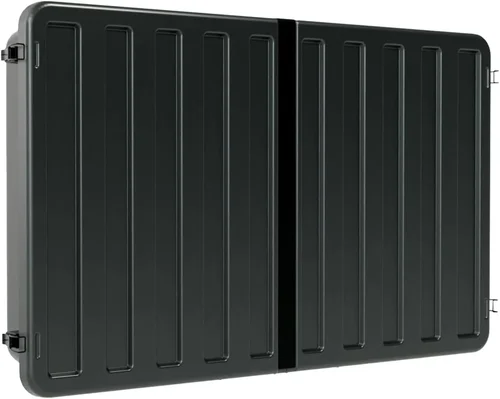
What to do instead: Always choose a TV specifically designed for outdoor use. Look for certified outdoor models with proper IP ratings and high-brightness displays. If budget is tight, consider a partial-shade outdoor TV or use an indoor TV inside a certified outdoor enclosure—but never expose a standard indoor TV directly to the elements.
❌ Mistake: Ignoring Viewing Angle and Glare
Why it’s bad: On a small patio, seating may be positioned at sharp angles relative to the TV. Without wide viewing angles, colors wash out and contrast drops significantly when viewed off-center. Additionally, reflective surfaces (like glass tables or metal railings) can create glare that obscures the screen.
What to do instead: Choose a TV with IPS (In-Plane Switching) or similar panel technology that maintains color accuracy at wide angles. Position the TV to minimize reflections—avoid placing it opposite windows or shiny surfaces. Use anti-glare screen protectors or install the TV under an awning or pergola to reduce direct sunlight.
❌ Mistake: Overlooking Power and Connectivity Needs
Why it’s bad: Outdoor setups often lack convenient power outlets or strong Wi-Fi signals. Running extension cords across the patio creates tripping hazards and looks messy. Weak internet can cause buffering, especially with 4K streaming.
What to do instead: Plan your power and network setup in advance. Install a weatherproof outdoor outlet near the TV location, or use a heavy-duty outdoor-rated extension cord with GFCI protection. For internet, consider a mesh Wi-Fi system with an outdoor node or use a wired Ethernet connection through a conduit. Test signal strength before finalizing placement.
❌ Mistake: Skipping Professional Installation
Why it’s bad: Improper mounting can lead to water leaks, structural damage, or even TV detachment during high winds. DIY installations often overlook critical details like sealing mounting holes or ensuring proper ventilation.
What to do instead: Hire a certified installer experienced in outdoor AV setups. They’ll ensure the mount is secure, cables are properly routed and protected, and all weatherproofing measures are in place. Many retailers offer installation services, or you can find qualified professionals through local AV integrators.
❌ Mistake: Not Considering Long-Term Maintenance
Why it’s bad: Outdoor TVs require periodic cleaning and inspection to maintain performance. Dust, pollen, and bird droppings can accumulate on the screen and vents, while seals may degrade over time.
What to do instead: Choose a model with easy-access cleaning features, such as removable front panels or smooth surfaces that resist grime. Clean the screen monthly with a microfiber cloth and mild cleaner. Inspect seals and vents annually, and replace worn components as needed. Keep the manual and warranty information handy for troubleshooting.
❌ Mistake: Focusing Only on Price
Why it’s bad: The cheapest option often sacrifices durability, brightness, or smart features. A $600 outdoor TV may save money upfront but fail within a year, costing more in replacements and frustration.
What to do instead: Balance cost with value. Invest in a mid-range or premium model from a reputable brand that offers strong warranties and proven reliability. Think of it as a long-term investment in your outdoor lifestyle—quality pays off over time.
Budget Guidelines: How Much Should You Spend?
Entry-Level ($500–$1,000): At this price point, you’ll typically find partial-shade outdoor TVs or indoor TVs sold with basic outdoor enclosures. These are suitable for covered patios with minimal sun exposure. Expect lower brightness (500–700 nits), limited smart features, and shorter warranties. Brands like Element or Seura offer budget-friendly options, but durability may be compromised in harsh climates.
Mid-Range ($1,000–$2,500): This is the sweet spot for most small patio owners. You’ll get fully weatherproof designs (IP55 or higher), brightness levels of 1,000+ nits, robust smart platforms, and solid build quality. Models from SunBriteTV, Samsung Terrace, and LG offer excellent performance, reliable connectivity, and 2–3 year warranties. These TVs handle partial sun well and include features like thermal management and enhanced audio.
Premium ($2,500–$4,000): Designed for enthusiasts and those in extreme climates, premium outdoor TVs deliver top-tier brightness (up to 2,500 nits), advanced anti-reflective coatings, and military-grade durability. They often include built-in heaters/coolers, premium sound systems, and extended warranties. Ideal for patios with direct sun exposure or frequent temperature swings. Brands like SunBriteTV Pro Series and Seura Luxe lead this category.
Luxury ($4,000+): At this level, you’re investing in cutting-edge technology and bespoke design. Options include transparent OLED outdoor TVs, custom-sized displays, and integrated smart home ecosystems. These are perfect for high-end outdoor kitchens, luxury resorts, or tech-savvy homeowners who want seamless integration with lighting, audio, and climate control. Expect concierge-level support and lifetime service plans.

Expert Tips for Getting the Best Deal
- Shop During Off-Season: Outdoor TV sales peak in spring and summer. Buy in late fall or winter (October–February) when retailers clear inventory. You can save 20–30% on last year’s models.
- Bundle with Accessories: Many retailers offer discounts when you purchase a TV with a mount, cables, or speakers. Look for package deals that include weatherproofing kits or extended warranties.
- Check Manufacturer Refurbished Programs: Brands like SunBriteTV and Samsung sell certified refurbished units at significant discounts. These come with full warranties and are thoroughly tested.
- Use Price Tracking Tools: Set alerts on Amazon, Best Buy, or Google Shopping to monitor price drops. Outdoor TVs rarely go on deep discount, but tracking helps you catch rare deals.
- Negotiate with Local Installers: If hiring a professional, ask if they offer package pricing for TV + installation. Some integrators have partnerships with brands and can pass on savings.
- Verify Return Policies: Ensure the retailer allows returns within 30–60 days, especially if shipping a large item. Test the TV immediately upon delivery to check for defects.
- Consider Financing: Many retailers offer 0% APR financing for 12–24 months. This spreads out the cost without interest, making premium models more accessible.
- Read the Fine Print on Warranties: Some warranties require professional installation to remain valid. Confirm coverage details before purchasing.

Frequently Asked Questions
Q: Can I use a regular TV outdoors if I cover it?
A: Technically yes, but it’s not recommended for long-term use. Even with a cover, indoor TVs lack proper ventilation, weather sealing, and brightness for outdoor conditions. Moisture can seep in, and overheating is common. For reliable performance, invest in a purpose-built outdoor TV or use a certified outdoor enclosure.
Q: Do outdoor TVs need special mounting hardware?
A: Yes. Standard indoor mounts aren’t designed to handle the weight and environmental stress of outdoor TVs. Use VESA-compatible outdoor mounts made from rust-resistant materials (like stainless steel or powder-coated aluminum) and ensure they’re rated for your TV’s size and weight.
Q: How do I protect my outdoor TV from theft?
A: Install the TV in a visible but secure location. Use locking mount brackets, security cables, or smart locks. Some models include built-in security features like tamper alerts or GPS tracking. Consider adding motion-sensor lights or cameras for added deterrence.
Q: Will my outdoor TV work in freezing temperatures?
A: It depends on the model. Quality outdoor TVs are built to operate in temperatures as low as -22°F (-30°C). Look for units with built-in heaters that activate automatically in cold weather to prevent screen damage and ensure smooth operation.
Q: Can I stream 4K content on an outdoor TV?
A: Absolutely. Most modern outdoor TVs support 4K resolution and HDR (High Dynamic Range). Ensure your internet connection is fast enough (at least 25 Mbps for 4K streaming) and that the TV has the latest HDMI standards (HDMI 2.0 or higher) for full compatibility.
Q: How often should I clean my outdoor TV?
A: Clean the screen every 2–4 weeks, or more frequently in dusty or pollen-heavy areas. Use a soft microfiber cloth and a mild, non-abrasive cleaner. Avoid spraying liquid directly on the screen—apply it to the cloth first. Never use ammonia-based cleaners.
Q: Are outdoor TVs energy efficient?
A: Yes, many outdoor TVs use LED backlighting and power-saving modes to reduce energy consumption. Look for ENERGY STAR certification, which indicates lower power usage without sacrificing performance. Brightness settings can also be adjusted to save energy during overcast days.
Q: What’s the difference between partial-shade and all-weather outdoor TVs?
A: Partial-shade models are designed for covered areas like porches or pergolas with minimal direct sun or rain exposure. All-weather TVs are fully sealed and built for complete outdoor exposure, including direct sunlight, heavy rain, and snow. Choose based on your patio’s level of protection.
Q: Can I connect gaming consoles to an outdoor TV?
A: Yes, as long as the TV has HDMI ports and supports the console’s resolution and refresh rate. For best results, use a high-speed HDMI cable and ensure the TV has low input lag for responsive gameplay. Some outdoor TVs even include game mode settings.
Q: Do outdoor TVs come with remotes that work in bright light?
A: Most do. Premium models feature backlit or high-contrast remotes with large buttons that remain visible in daylight. Some also support smartphone apps for control, which can be more convenient in bright conditions.
Our Final Recommendations
Best for Budget-Conscious Buyers: Seura 43″ Partial-Shade Outdoor TV – At around $1,200, this model offers excellent value with 700-nit brightness, IP54 rating, and built-in Roku smart platform. Perfect for covered patios and screened porches.
Best Overall Value: SunBriteTV Veranda Series 50″ – Priced near $1,800, it delivers 1,000+ nits, full weatherproofing (IP55), and reliable performance in partial sun. Includes robust audio and easy setup.
Best Premium Option: Samsung The Terrace 55″ Full Sun Outdoor TV – With 2,000-nit brightness, anti-reflective coating, and Samsung’s Tizen OS, this TV excels in direct sunlight. Ideal for open patios and luxury outdoor spaces.
Best for Beginners: LG 43″ Outdoor Smart TV (Partial Shade) – User-friendly webOS interface, clear picture, and straightforward installation make this a great entry point for first-time buyers.
Best for Advanced Users: SunBriteTV Pro Series 65″ All-Weather TV – Built for extreme conditions, this model includes thermal management, 2,500-nit brightness, and modular design for custom installations. A top choice for tech-savvy homeowners.
Conclusion: Making the Right Choice
Choosing the right outdoor TV for your small patio is about more than just picking the biggest screen or the lowest price. It’s about understanding your environment, prioritizing durability and visibility, and investing in a product that enhances your outdoor lifestyle for years to come. From brightness and weather resistance to smart features and mounting flexibility, every detail matters when you’re bringing entertainment under the open sky.
As you evaluate your options, remember to assess your specific needs: How much sun does your patio get? What’s your typical viewing distance? Do you plan to host gatherings or enjoy quiet evenings alone? Answering these questions will guide you toward the perfect balance of performance, price, and practicality. Don’t rush the decision—take time to compare models, read real user reviews, and consult with experts if needed.
Ultimately, the best outdoor TV is one that fits seamlessly into your space, withstands the elements, and delivers a consistently great viewing experience. Whether you’re watching the big game, streaming a movie night, or simply enjoying the ambiance of your favorite show outdoors, the right TV can transform your small patio into a true outdoor oasis. So go ahead—make the investment, set it up with care, and enjoy countless hours of entertainment in the fresh air. Your future self will thank you.

