
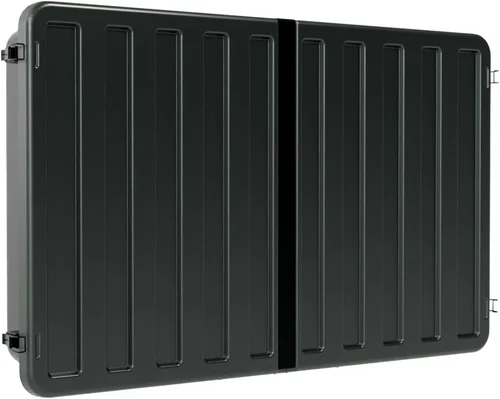
Outdoor kitchens have evolved from simple grilling stations into full-scale entertainment hubs—complete with refrigerators, sinks, lighting, sound systems, and yes, even televisions. As more homeowners invest in creating luxurious outdoor living spaces, the demand for durable, high-performance outdoor TVs has surged. Whether you’re hosting summer barbecues, watching the big game under the stars, or enjoying a quiet evening with a movie al fresco, an outdoor TV can transform your outdoor kitchen into a true extension of your home.
But here’s the catch: not all TVs are built for the great outdoors. Standard indoor televisions simply aren’t designed to withstand the elements—sunlight, rain, humidity, dust, and temperature fluctuations can quickly damage sensitive electronics. That’s why choosing the right outdoor TV is critical. This comprehensive buying guide is designed to help you navigate the complex world of outdoor televisions, especially when integrating one into your outdoor kitchen setup. We’ll walk you through everything you need to know—from understanding key performance specs to avoiding common pitfalls—so you can make a confident, informed decision.
By the end of this guide, you’ll know exactly what to look for in an outdoor TV, how to match it to your specific needs and budget, and how to ensure it delivers years of reliable, high-quality viewing. Whether you’re a first-time buyer or upgrading from an older model, this guide will equip you with expert-level knowledge to get the best value and performance from your investment. The market for outdoor TVs has matured significantly in recent years, with more brands, better technology, and improved durability options than ever before. Let’s dive in and explore how to choose the perfect outdoor TV for your outdoor kitchen.

What to Look for When Buying Buying Guide
1. Weather Resistance & IP Rating
When it comes to outdoor TVs, weather resistance isn’t just a nice-to-have—it’s non-negotiable. Unlike indoor TVs, outdoor models must endure rain, snow, dust, humidity, and temperature extremes. The most important indicator of a TV’s ability to handle these conditions is its IP (Ingress Protection) rating. This two-digit code tells you how well the TV resists solid particles (like dust) and liquids (like water).
The first digit ranges from 0 to 6 and measures protection against solids. A rating of 6 means the TV is completely dust-tight. The second digit ranges from 0 to 9 and indicates water resistance. For outdoor use, you’ll want at least an IP54 rating—meaning it’s protected against dust and splashing water from any direction. However, for full outdoor exposure, especially in areas with heavy rain or snow, aim for IP65 or higher. An IP65-rated TV is dust-tight and protected against low-pressure water jets, making it ideal for most outdoor kitchen environments.
Keep in mind that even with a high IP rating, the TV should still be installed under some form of cover or awning to maximize lifespan. Direct, prolonged exposure to UV rays and extreme weather can degrade seals and materials over time. Also, check whether the TV is rated for both high and low temperatures. Most quality outdoor TVs can operate between -22°F and 122°F (-30°C to 50°C), which covers nearly all climate zones.
2. Screen Brightness & Anti-Glare Technology
One of the biggest challenges with outdoor viewing is screen glare and brightness. Even on a cloudy day, ambient light can wash out an indoor TV’s display, making it nearly impossible to see the picture clearly. That’s why outdoor TVs must have significantly higher brightness levels than their indoor counterparts.
Look for a TV with a minimum brightness of 700 nits (candelas per square meter). For areas with direct sunlight—such as a south-facing outdoor kitchen—opt for 1000 nits or higher. Some premium models now offer 1500 to 2000 nits, delivering exceptional visibility even in bright daylight. This is especially important if you plan to watch sports, movies, or news during the day.
In addition to high brightness, anti-glare or anti-reflective coatings are essential. These coatings reduce the amount of light reflected off the screen, improving contrast and color accuracy. Some manufacturers use advanced optical bonding techniques, where the screen layers are fused together to minimize air gaps that cause reflections. This results in a sharper, clearer image with better viewing angles.
Another feature to consider is automatic brightness adjustment. Many outdoor TVs come with ambient light sensors that dynamically adjust screen brightness based on surrounding light conditions. This not only improves visibility but also helps conserve energy and reduce screen burn-in over time.
3. Build Quality & Durability
Outdoor TVs are built to last—but not all are created equal. The materials used in construction play a major role in longevity and performance. Look for TVs with powder-coated aluminum or stainless-steel enclosures. These materials resist rust, corrosion, and UV degradation far better than plastic or standard metal finishes.
Pay attention to the internal components as well. High-quality outdoor TVs often use conformal-coated circuit boards, which are protected with a thin polymer layer to prevent moisture and dust from causing electrical failures. This is especially important in humid or coastal environments where salt air can accelerate corrosion.
The screen itself should be made of tempered glass or reinforced polymer to resist scratches and impacts. Some models feature shatter-resistant screens, which is a smart safety feature if you have children or pets around your outdoor kitchen. Additionally, check the quality of the mounting hardware. Outdoor TVs should come with robust, corrosion-resistant brackets and bolts designed for long-term outdoor use.
Durability also extends to the remote control and input ports. Look for a weatherproof remote with a sealed casing and long-range infrared or RF connectivity. Input ports (HDMI, USB, etc.) should be covered with protective flaps or located in a sealed compartment to prevent water ingress.
4. Display Technology & Picture Quality
While durability is crucial, you still want a TV that delivers excellent picture quality. Most outdoor TVs use either LED-LCD or QLED technology. LED-LCD TVs are the most common and offer good color accuracy, contrast, and energy efficiency. QLED models, which use quantum dot technology, provide brighter colors, deeper blacks, and wider color gamuts—ideal for vibrant outdoor viewing.
Resolution is another key factor. Full HD (1080p) is acceptable for smaller screens (under 50 inches), but for larger displays or closer viewing distances, 4K UHD (3840 x 2160) is strongly recommended. 4K resolution provides four times the detail of 1080p, making it perfect for watching high-definition sports, movies, and streaming content.
HDR (High Dynamic Range) support is also worth considering. HDR enhances contrast, color, and brightness, resulting in more lifelike images. Look for TVs that support HDR10, HLG, or Dolby Vision. While not all outdoor content is HDR-optimized, having the capability ensures future-proofing as more streaming services and broadcasts adopt HDR standards.
Refresh rate matters too, especially for fast-moving content like sports. A 60Hz refresh rate is standard, but 120Hz models offer smoother motion and reduced blur. This is particularly beneficial if you’re watching live sports or action movies in your outdoor kitchen.
5. Smart Features & Connectivity
Modern outdoor TVs are no longer just passive displays—they’re smart entertainment centers. Most come with built-in Wi-Fi, Bluetooth, and streaming platforms like Android TV, webOS, or Roku. This allows you to access Netflix, YouTube, Disney+, and other apps directly from the TV without needing an external streaming device.
Check the operating system for ease of use, app availability, and update frequency. Android TV, for example, offers a vast app ecosystem and regular security updates, while Roku is known for its simplicity and reliability. Some brands also offer proprietary interfaces, so read reviews to ensure the UI is intuitive and responsive.
Connectivity options are equally important. Look for multiple HDMI ports (at least 3), USB ports for media playback, and audio outputs for connecting external speakers or soundbars. Ethernet ports are a plus for stable wired internet connections, especially if Wi-Fi signals are weak in your outdoor area.
Voice control integration is another valuable feature. Many outdoor TVs support Google Assistant or Amazon Alexa, allowing you to change channels, adjust volume, or search for content using voice commands—perfect for when your hands are busy cooking or grilling.
6. Size & Viewing Distance
Choosing the right screen size is about more than just preference—it’s about optimizing your viewing experience. A TV that’s too small will be hard to see from a distance, while one that’s too large can overwhelm the space and strain your eyes.
As a general rule, the ideal viewing distance is 1.5 to 2.5 times the diagonal screen size. For example, a 55-inch TV should be viewed from 6.9 to 11.5 feet away. In an outdoor kitchen, consider where your seating or dining area is located relative to the TV. If you’re placing the TV above a grill or counter, ensure it’s mounted at a comfortable height—typically eye level when seated.
For smaller outdoor kitchens or covered patios, a 43- to 55-inch TV is usually sufficient. Larger spaces, such as outdoor living rooms with multiple seating areas, may benefit from 65-inch or even 75-inch models. Keep in mind that larger screens require more power and may need stronger mounting solutions.
Also consider the aspect ratio. Most outdoor TVs are 16:9, which is standard for HD and 4K content. However, some ultra-wide models (21:9) are available for cinematic experiences, though they may not be compatible with all content formats.
7. Power Consumption & Energy Efficiency
Outdoor TVs often run for extended periods, especially during parties or events, so energy efficiency is an important consideration. Look for models with ENERGY STAR certification, which indicates they meet strict energy efficiency guidelines set by the U.S. Environmental Protection Agency.
LED-LCD TVs are generally more energy-efficient than older plasma or rear-projection models. QLED TVs, while brighter, may consume slightly more power—so balance performance with efficiency based on your usage patterns.
Some outdoor TVs feature eco modes that reduce brightness and power consumption when ambient light is low. This not only saves energy but also extends the lifespan of the display. Additionally, consider using a smart power strip or timer to automatically turn off the TV when not in use.
If your outdoor kitchen is off-grid or powered by solar, energy consumption becomes even more critical. In such cases, opt for TVs with low standby power draw and efficient power supplies.
8. Warranty & Customer Support
Given the investment involved, a strong warranty and reliable customer support are essential. Most reputable outdoor TV manufacturers offer at least a 1- to 2-year limited warranty, covering defects in materials and workmanship. However, some premium brands provide 3- to 5-year warranties, especially for commercial or extreme-weather models.
Read the fine print carefully. Some warranties exclude damage caused by improper installation, power surges, or environmental factors—even if the TV is rated for outdoor use. Look for companies that offer extended warranty options or protection plans for added peace of mind.
Customer support is just as important. Choose brands with responsive service teams, accessible technical support, and clear troubleshooting guides. Online resources like user manuals, installation videos, and FAQs can save you time and frustration.
Finally, consider the availability of replacement parts and service centers in your area. A TV is only as good as the support behind it—especially when you’re relying on it for outdoor entertainment year-round.
Different Types of Buying Guide
Common Buying Mistakes to Avoid
❌ Mistake: Buying an Indoor TV for Outdoor Use
Why it’s bad: Indoor TVs lack the weatherproofing, brightness, and durability needed for outdoor environments. Exposure to moisture, dust, or temperature changes can cause immediate or gradual failure, leading to costly repairs or replacements.
What to do instead: Always choose a TV specifically designed for outdoor use. If budget is a concern, consider a partial-shade model or an indoor TV in a certified outdoor enclosure—but never use a standard indoor TV directly outside.
❌ Mistake: Ignoring IP Ratings
Why it’s bad: Without a proper IP rating, you have no guarantee the TV can handle rain, snow, or dust. A TV marketed as “weather-resistant” may only be splash-proof, not fully waterproof.
What to do instead: Verify the IP rating and match it to your climate and installation location. For full exposure, aim for IP65 or higher. Don’t rely on marketing terms—check technical specifications.
❌ Mistake: Overlooking Screen Brightness
Why it’s bad: A dim screen will be unwatchable in daylight, defeating the purpose of having an outdoor TV. Even on cloudy days, ambient light can wash out a standard 300–400 nit display.
What to do instead: Choose a TV with at least 700 nits of brightness, and 1000+ nits for sunny areas. Look for anti-glare coatings and automatic brightness adjustment for optimal visibility.
❌ Mistake: Choosing the Wrong Size
Why it’s bad: A TV that’s too small will be hard to see from a distance, while one that’s too large can dominate the space and cause eye strain.
What to do instead: Use the 1.5x to 2.5x rule for viewing distance. Measure your space and seating layout before buying. Consider a 55-inch TV for most outdoor kitchens, scaling up or down based on distance.
❌ Mistake: Skimping on Mounting Hardware
Why it’s bad: Standard indoor mounts aren’t designed for outdoor conditions. Rust, corrosion, or weak construction can lead to TV damage or safety hazards.
What to do instead: Use mounts specifically rated for outdoor use, made from stainless steel or powder-coated aluminum. Ensure they’re compatible with your TV’s VESA pattern and weight.
❌ Mistake: Neglecting Power and Connectivity
Why it’s bad: Running extension cords across your outdoor kitchen is unsafe and unsightly. Poor connectivity limits your ability to stream or connect devices.
What to do instead: Plan for proper electrical installation with GFCI outlets and weatherproof covers. Use Ethernet for stable internet, and ensure the TV has enough HDMI and USB ports for your needs.
❌ Mistake: Not Checking Warranty Coverage
Why it’s bad: Outdoor TVs are expensive, and repairs can be costly. A weak warranty may leave you unprotected against defects or environmental damage.
What to do instead: Choose brands with at least a 2-year warranty and clear coverage terms. Consider extended protection plans for added security.
Budget Guidelines: How Much Should You Spend?
Outdoor TVs vary widely in price, depending on size, features, and build quality. Here’s a breakdown to help you set a realistic budget:
- Entry-Level ($500 – $1,200): These are typically partial-shade models or indoor TVs in outdoor enclosures. They offer basic weather resistance and moderate brightness (500–700 nits). Best for covered patios or temporary use. Expect limited smart features and shorter lifespans.
- Mid-Range ($1,200 – $3,000): This is the sweet spot for most homeowners. These TVs are fully outdoor-rated (IP54 to IP65), with 700–1000 nits brightness, 4K resolution, and smart platforms. They offer excellent durability, good picture quality, and reliable performance in most climates.
- Premium ($3,000 – $6,000): Designed for full exposure and high-end outdoor kitchens, these models feature IP65+ ratings, 1000–2000 nits brightness, QLED or advanced LED displays, and robust smart features. Ideal for sunny areas, coastal regions, or commercial use.
- Luxury ($6,000+): Top-tier commercial-grade TVs with extreme durability, 24/7 operation capability, and advanced features like modular designs, remote monitoring, and custom mounting. Best for luxury homes, resorts, or public venues.
Remember, the cheapest option isn’t always the best long-term value. Investing in a quality outdoor TV can save you money on replacements and repairs down the line.

Expert Tips for Getting the Best Deal
- Buy during off-season sales: Outdoor TVs often go on sale in late fall and winter when demand is low. Look for Black Friday, Cyber Monday, and end-of-year clearance events.
- Compare retailers: Check prices at specialty outdoor electronics stores, big-box retailers, and online marketplaces. Some brands offer direct-to-consumer discounts.
- Bundle with installation: Some companies offer discounted or free installation when you purchase a TV. This can save hundreds on professional mounting and wiring.
- Check for rebates: Utility companies or energy programs may offer rebates for ENERGY STAR-certified outdoor TVs.
- Read user reviews: Look for long-term reviews (6+ months) to assess real-world durability and performance.
- Test before you buy: If possible, visit a showroom to see the TV in person. Check brightness, color accuracy, and remote functionality.
- Negotiate extended warranties: Ask if the retailer or manufacturer offers discounted extended coverage or service plans.

Frequently Asked Questions
Q: Can I use a regular TV in my outdoor kitchen?
A: Only if it’s placed in a certified outdoor enclosure that provides weatherproofing, ventilation, and UV protection. Even then, it’s not ideal for full exposure. For best results, use a TV designed for outdoor use.
Q: Do outdoor TVs need to be covered?
A: While fully outdoor TVs are built to withstand the elements, covering them with an awning or pergola extends their lifespan and improves viewing comfort by reducing glare.
Q: How long do outdoor TVs last?
A: With proper installation and maintenance, quality outdoor TVs can last 7–10 years or more. Regular cleaning and avoiding extreme conditions help maximize longevity.
Q: Can I mount an outdoor TV on a wall or ceiling?
A: Yes, but use outdoor-rated mounts and ensure the structure can support the weight. Ceiling mounts are great for covered patios, while wall mounts are common for outdoor kitchens.
Q: Do outdoor TVs come with remotes?
A: Most do, and they’re usually weatherproof. Some models also support smartphone apps or voice control for added convenience.
Q: Can I connect a soundbar to an outdoor TV?
A: Yes, via HDMI ARC, optical audio, or Bluetooth. For better audio in open spaces, consider weatherproof outdoor speakers or a soundbar designed for outdoor use.
Q: Are outdoor TVs energy-efficient?
A: Many are ENERGY STAR-certified and include eco modes. LED-LCD models are generally more efficient than older technologies.
Q: What’s the difference between partial-shade and full-exposure TVs?
A: Partial-shade TVs are for covered areas and have lower IP ratings (IP54). Full-exposure models (IP65+) are built for direct weather exposure and higher brightness.
Q: Can I use an outdoor TV in winter?
A: Yes, as long as it’s rated for low temperatures (down to -22°F or lower). Avoid turning it on immediately after extreme cold—let it acclimate first.
Q: Do outdoor TVs support streaming services?
A: Most smart outdoor TVs support Netflix, YouTube, Hulu, and others. Check the operating system and app store for compatibility.
Our Final Recommendations
- Best for Budget-Conscious Buyers: SunBriteTV Veranda Series – Excellent value with IP55 rating, 700 nits brightness, and 4K resolution. Ideal for covered outdoor kitchens.
- Best Overall Value: Seura Outdoor TV – Combines durability, smart features, and strong brightness (1000 nits) at a mid-range price. Great for most homeowners.
- Best Premium Option: LG Outdoor TV (OLED) – Features IP65 rating, 1500 nits brightness, OLED display, and advanced smart platform. Perfect for luxury outdoor spaces.
- Best for Beginners: Element Outdoor TV – Affordable, easy to set up, and reliable for partial-shade areas. Great first outdoor TV.
- Best for Advanced Users: Peerless-AV Xtreme – Commercial-grade, modular design, extreme weather resistance, and customizable mounting. Ideal for tech-savvy users or professionals.
Conclusion: Making the Right Choice
Choosing the right outdoor TV for your outdoor kitchen is about balancing durability, performance, and value. You’re not just buying a screen—you’re investing in years of entertainment, comfort, and enjoyment under the open sky. By focusing on weather resistance, brightness, build quality, and smart features, you can find a TV that not only survives the elements but enhances your outdoor living experience.
Remember to assess your specific needs: How much sun does your space get? Will the TV be fully exposed or under cover? What’s your budget? Use this guide as your roadmap, and don’t rush the decision. Take time to compare models, read reviews, and consult with experts if needed.
Ultimately, the best outdoor TV is the one that fits your lifestyle, withstands your climate, and delivers the viewing experience you deserve. With the right choice, your outdoor kitchen will become the heart of your home—rain or shine, day or night. So go ahead, make the investment, and start enjoying your favorite shows, sports, and movies in the great outdoors.

