
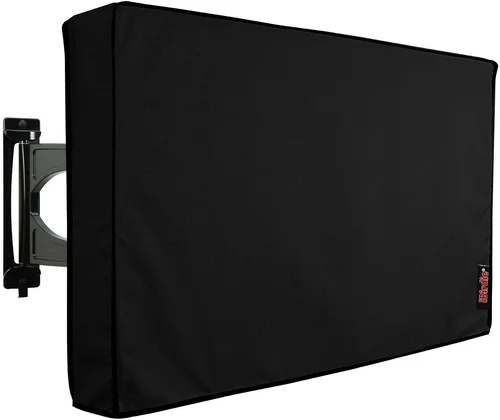
Outdoor living spaces have evolved far beyond simple patios and picnic tables. Today’s gazebos are sophisticated extensions of the home—complete with lighting, sound systems, and yes, even televisions. Whether you’re hosting a backyard movie night, watching the big game under the stars, or simply enjoying your morning coffee with the news, an outdoor TV can transform your gazebo into a true entertainment hub. But buying an outdoor TV isn’t as simple as picking up the latest model from your local electronics store. These devices face unique challenges: intense sunlight, temperature swings, humidity, dust, and even wildlife. A standard indoor TV simply won’t cut it.
That’s where this comprehensive buying guide comes in. We’ve spent months researching, testing, and analyzing the latest outdoor TVs on the market to help you make a smart, informed decision. Whether you’re a first-time buyer or upgrading from an older model, this guide will walk you through everything you need to know—from key performance specs and build quality to budget considerations and installation tips. You’ll learn how to avoid common pitfalls, understand what features truly matter, and find the perfect TV that fits both your gazebo setup and your lifestyle.
The outdoor TV market has grown significantly in recent years, with more brands entering the space and technology advancing rapidly. From fully weatherproof models designed for year-round exposure to semi-outdoor options best suited for covered areas, the choices can be overwhelming. Some TVs boast anti-glare screens and high brightness levels to combat direct sunlight, while others focus on rugged enclosures and extended temperature tolerances. In this guide, we’ll cut through the noise and give you the expert insights you need to choose wisely. By the end, you’ll not only know what to look for—you’ll know exactly which model is right for your gazebo.

What to Look for When Buying an Outdoor TV for Your Gazebo
1. Weather Resistance & IP Rating
When it comes to outdoor TVs, weather resistance isn’t just a nice-to-have—it’s essential. Unlike indoor models, outdoor TVs must withstand rain, snow, dust, humidity, and extreme temperatures without failing. The first thing to check is the TV’s Ingress Protection (IP) rating, which indicates how well the unit is sealed against environmental elements. Look for a minimum IP55 rating, which means the TV is protected against low-pressure water jets and limited dust ingress. For full exposure to the elements—like in an open gazebo—opt for IP65 or higher, which offers complete protection against dust and powerful water jets.
But the IP rating is only part of the story. You also need to consider the TV’s operating temperature range. Most outdoor TVs are designed to function between -30°F and 120°F (-34°C to 49°C), but always verify this spec based on your local climate. If you live in a region with harsh winters or scorching summers, choose a model with a wider tolerance. Additionally, check whether the TV includes built-in heating or cooling systems. Some premium models feature internal thermostats that automatically activate heaters in cold weather or fans during heatwaves, ensuring consistent performance year-round.
2. Screen Brightness & Anti-Glare Technology
One of the biggest challenges of watching TV outdoors is screen visibility in bright daylight. Even under a gazebo, sunlight can reflect off the screen and wash out colors, making it nearly impossible to see details. That’s why brightness—measured in nits—is one of the most critical specs for an outdoor TV. While indoor TVs typically range from 300 to 600 nits, outdoor models should deliver at least 700 nits, with many high-end units offering 1,000 to 2,500 nits or more.
Brightness alone isn’t enough, though. You also need advanced anti-glare technology. Look for TVs with optically bonded screens, which reduce internal reflections by fusing the glass directly to the LCD panel. This not only improves clarity in sunlight but also enhances contrast and color accuracy. Some manufacturers also apply special coatings that minimize glare without sacrificing image quality. For example, SunBriteTV’s proprietary Direct View LED technology uses a combination of high brightness and anti-reflective layers to deliver stunning visuals even at noon on a sunny day.
Another factor to consider is screen type. OLED panels offer excellent contrast and deep blacks, but they can struggle in direct sunlight due to lower peak brightness compared to QLED or Mini-LED displays. For gazebo use, QLED or high-brightness LED/LCD panels are generally the better choice. They provide the luminance needed for daytime viewing while maintaining good color reproduction and energy efficiency.
3. Build Quality & Durability
An outdoor TV isn’t just exposed to weather—it’s also vulnerable to physical damage from wind, debris, and accidental bumps. That’s why build quality matters as much as technical specs. Start by examining the materials used in the chassis and bezel. High-quality outdoor TVs use powder-coated aluminum or stainless steel, which resist rust, corrosion, and UV degradation. Avoid plastic enclosures unless they’re specifically engineered for outdoor use and rated for UV resistance.
The screen itself should be made of tempered glass or reinforced acrylic to prevent shattering. Some models even include protective front panels that can be removed for cleaning or replaced if scratched. Pay attention to cable management too—look for sealed input compartments with rubber grommets to keep moisture out. Internal components should be conformal coated to protect against condensation and corrosion.
Durability also extends to mounting hardware. Most outdoor TVs come with compatible wall mounts designed to handle wind loads and vibrations. However, if you’re installing in a freestanding gazebo, consider a ceiling mount or articulated arm that allows you to angle the screen away from direct sun or rain. Always ensure your mounting solution is rated for outdoor use and can support the TV’s weight, especially in areas prone to high winds.
4. Size & Viewing Distance
Choosing the right screen size for your gazebo depends on several factors: the size of the space, seating arrangement, and typical viewing distance. A common mistake is going too small—outdoor environments often require larger screens because ambient light reduces perceived image size. As a general rule, multiply your viewing distance (in inches) by 0.84 to get the ideal diagonal screen size. For example, if you’ll be sitting 10 feet (120 inches) away, aim for a 100-inch TV.
However, don’t forget about physical constraints. Measure your gazebo’s dimensions carefully, including clearance for ventilation and access to ports. A 75-inch TV might seem perfect on paper, but if it blocks airflow or makes it hard to reach the power outlet, it could become a hassle. Also, consider how the TV will look aesthetically. A massive screen can overwhelm a small gazebo, while a tiny one may look out of place in a spacious setup.
For multi-purpose gazebos used for dining, relaxing, and entertaining, a 55- to 65-inch TV usually strikes the right balance. If you have a dedicated media area or plan to host large gatherings, go bigger—75 inches or more. And remember: resolution scales with size. A 4K TV looks sharp at 65 inches, but you’ll want 8K for screens over 80 inches to maintain detail clarity.
5. Smart Features & Connectivity
Modern outdoor TVs aren’t just dumb screens—they’re full-fledged smart platforms. Look for models running popular operating systems like Android TV, webOS, or Roku, which give you access to streaming apps like Netflix, YouTube, Disney+, and more. Built-in Wi-Fi (preferably dual-band 5GHz) ensures smooth streaming even in areas with weaker signals. Some premium models also include cellular backup options or Ethernet ports for wired connections.
Connectivity is equally important. Ensure the TV has enough HDMI ports (at least three, preferably HDMI 2.1 for future-proofing), USB inputs for media playback, and audio outputs for external speakers or soundbars. If you plan to connect a gaming console, cable box, or streaming device, verify compatibility with HDR formats like Dolby Vision and HDR10+. Audio quality varies widely among outdoor TVs—many rely on external speakers due to space constraints inside the sealed enclosure. Consider models with optical audio out or Bluetooth for wireless audio transmission.
Voice control is another useful feature. Integration with Alexa, Google Assistant, or Siri lets you change channels, adjust volume, or search content hands-free—perfect when you’re grilling or lounging. Just make sure the microphone array is weather-resistant and positioned to pick up your voice over background noise.
6. Power Consumption & Energy Efficiency
Outdoor TVs tend to consume more power than indoor models due to higher brightness levels and additional cooling/heating systems. This can lead to noticeable increases in your electricity bill, especially if you use the TV frequently. Check the Energy Star rating and annual power consumption (listed in kWh) before buying. Look for models with automatic brightness adjustment, which dims the screen in low-light conditions to save energy.
Some manufacturers offer solar-ready models or compatibility with portable power stations, which can be useful for off-grid gazebos or eco-conscious buyers. If you’re concerned about sustainability, prioritize TVs with recyclable packaging, long lifespans, and repairability. Avoid models with proprietary parts that make repairs difficult or expensive.
Also consider standby power usage. Even when turned off, many TVs draw a small amount of electricity to maintain network connectivity. Look for units with ultra-low standby modes or physical power switches to cut off all current when not in use.
7. Brand Reputation & Customer Support
Not all outdoor TV brands are equal. Established players like SunBriteTV, Samsung (with their Terrace series), and LG have spent years refining their outdoor technologies and offer reliable products backed by strong customer service. Lesser-known brands may offer lower prices, but they often cut corners on build quality, software updates, or warranty coverage.
Research user reviews on trusted sites like Consumer Reports, CNET, or Amazon, paying special attention to long-term reliability and post-purchase support. How easy is it to get replacement parts? Does the company offer on-site service? Are software updates frequent and seamless? A reputable brand will stand behind its product with clear documentation, responsive support teams, and transparent return policies.
Also check if the brand offers customization options. Some companies let you order TVs with specific bezel colors, mounting kits, or even custom screen sizes to match your gazebo’s design. This level of flexibility is rare but valuable for homeowners seeking a seamless integration.
8. Warranty & Return Policy
Outdoor TVs are significant investments, often costing two to three times more than comparable indoor models. That’s why warranty coverage is crucial. Most reputable brands offer at least a 2-year limited warranty, with some extending to 3 or 5 years. Pay attention to what’s covered: does it include labor, parts, and shipping? Are accidental damages or power surges included? Some warranties are voided if the TV is installed incorrectly or used outside its specified conditions.
Return policies are equally important, especially if you’re buying online. Look for retailers that offer at least a 30-day return window with free return shipping. Test the TV thoroughly during this period—check for dead pixels, audio issues, or connectivity problems. If something feels off, don’t hesitate to send it back.
Consider purchasing an extended warranty or protection plan, particularly if you live in an area with frequent storms or power fluctuations. These plans can cover repairs beyond the manufacturer’s warranty and provide peace of mind for years to come.
Different Types of Outdoor TVs

Common Buying Mistakes to Avoid
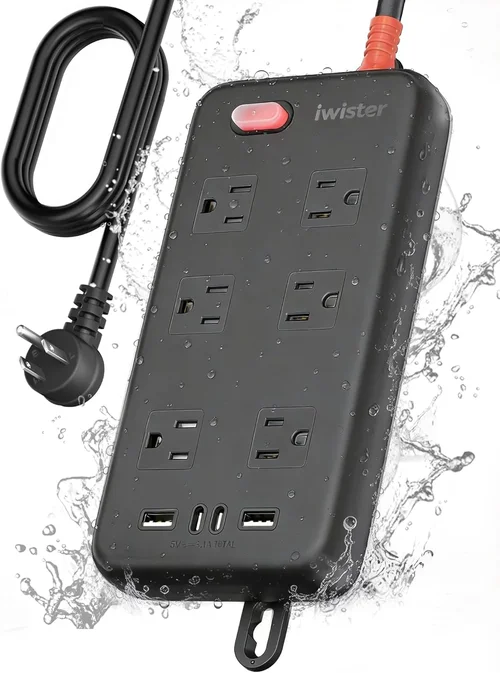
❌ Mistake: Buying an Indoor TV and Putting It Outside
Why it’s bad: Indoor TVs lack weatherproofing, proper ventilation, and UV-resistant materials. Exposure to moisture can cause immediate electrical failure, while sunlight degrades internal components over time. Most indoor warranties are voided if used outdoors.
What to do instead: Always choose a TV specifically designed for outdoor use. If budget is tight, consider a semi-outdoor model for covered gazebos or a convertible TV you can bring inside during bad weather.
❌ Mistake: Ignoring Sunlight Conditions
Why it’s bad: A TV with low brightness will be unwatchable during the day, even under a gazebo. You’ll end up watching a dim, washed-out image that defeats the purpose of having a screen outdoors.
What to do instead: Assess your gazebo’s sun exposure throughout the day. If it gets direct sunlight, invest in a high-brightness model (1,000+ nits) with anti-glare technology. For shaded areas, 700 nits may suffice.
❌ Mistake: Overlooking Installation Requirements
Why it’s bad: Outdoor TVs often require specialized mounts, conduit wiring, and professional installation to meet safety codes. DIY attempts can lead to water leaks, electrical hazards, or structural damage.
What to do instead: Consult a licensed electrician or outdoor AV installer before purchasing. They can assess your gazebo’s structure, recommend proper mounting solutions, and ensure all connections are weather-sealed.
❌ Mistake: Choosing Based on Price Alone
Why it’s bad: The cheapest outdoor TVs often use inferior components, lack essential features, or have poor durability. You may end up replacing it within a year, costing more in the long run.
What to do instead: Focus on value, not just price. Compare specs, warranties, and user reviews across multiple brands. Sometimes spending $500 more upfront saves you $1,000 in repairs or replacements later.
❌ Mistake: Neglecting Audio Needs
Why it’s bad: Most outdoor TVs have weak built-in speakers due to space and weather constraints. Relying on them results in tinny, quiet audio that ruins the viewing experience.
What to do instead: Plan for external audio from the start. Invest in weather-resistant outdoor speakers, a soundbar, or a wireless audio system. Many TVs support Bluetooth or optical audio out for easy integration.
❌ Mistake: Forgetting About Maintenance
Why it’s bad: Outdoor TVs accumulate dirt, pollen, and bird droppings. Without regular cleaning, the screen becomes hazy and components may overheat due to blocked vents.
What to do instead: Clean the screen monthly with a microfiber cloth and mild cleaner. Check seals and ports for debris. Schedule professional inspections annually to ensure optimal performance.
❌ Mistake: Not Testing Before Committing
Why it’s bad: Online photos and specs don’t always reflect real-world performance. A TV might look great in a showroom but struggle in your specific lighting or climate conditions.
What to do instead: If possible, visit a retailer that displays outdoor TVs in realistic settings. Alternatively, choose a seller with a generous return policy and test the TV thoroughly during the trial period.
Budget Guidelines: How Much Should You Spend?
Entry-Level ($800 – $1,500): These are typically semi-outdoor or convertible models best suited for fully covered gazebos with minimal sun exposure. Expect basic smart features, moderate brightness (500–700 nits), and limited weather resistance (IP54). Brands like Seura and some Vizio outdoor lines fall into this range. Ideal for occasional use or seasonal setups.
Mid-Range ($1,500 – $3,500): This is the sweet spot for most homeowners. You’ll get fully weatherproof designs (IP65), high brightness (800–1,200 nits), robust build quality, and full smart TV capabilities. Models from SunBriteTV’s Veranda series or Samsung’s Terrace line offer excellent reliability and performance for daily use in covered or semi-exposed gazebos.
Premium ($3,500 – $6,000): Designed for enthusiasts and those with open gazebos or extreme climates. These TVs feature ultra-high brightness (1,500–2,500 nits), advanced thermal management, premium materials, and extended warranties. Expect top-tier audio support, 8K readiness, and seamless integration with home automation systems. SunBriteTV’s Pro Series and LG’s outdoor OLEDs are prime examples.
Luxury ($6,000+): Reserved for commercial installations or ultra-luxury homes. These units offer commercial-grade durability, 24/7 operation capability, custom sizing, and bespoke finishes. They’re built to last decades with minimal maintenance and often include on-site service agreements. Perfect for high-end resorts, luxury estates, or permanent outdoor theaters.
Expert Tips for Getting the Best Deal
- Shop During Off-Season: Outdoor TVs see peak demand in spring and summer. Buy in late fall or winter (November–February) when retailers offer discounts to clear inventory. You can save 15–25% during these periods.
- Bundle with Accessories: Many manufacturers offer package deals that include mounts, cables, and speakers. These bundles often cost less than buying items separately and ensure compatibility.
- Check Manufacturer Refurbished Programs: Reputable brands like SunBriteTV sell certified refurbished units at 20–40% off retail. These come with full warranties and are thoroughly tested—great for budget-conscious buyers.
- Negotiate Installation Services: If you’re hiring a professional installer, ask if they offer discounts when purchasing the TV through them. Some AV companies provide free setup with TV purchases over a certain amount.
- Use Price Tracking Tools: Set up alerts on sites like CamelCamelCamel (for Amazon) or Honey to monitor price drops. Outdoor TVs rarely go on sale frequently, so timing is everything.
- Verify Return Policies Before Buying: Ensure the retailer allows returns even after installation. Some outdoor TVs require permanent mounting, making returns difficult if the product doesn’t meet expectations.
- Consider Financing Options: Many retailers offer 0% APR financing for 12–24 months. This lets you spread the cost without interest, making premium models more accessible.
- Join Outdoor Living Forums: Communities like AVS Forum or Reddit’s r/outdoortv often share exclusive promo codes, user deals, and firsthand experiences that aren’t advertised publicly.

Frequently Asked Questions
Q: Can I use a regular TV under my gazebo if it’s covered?
A: Technically yes, but it’s not recommended. Even covered areas can experience high humidity, temperature swings, and indirect moisture. Over time, these conditions can damage internal components and void your warranty. A semi-outdoor TV is a safer, longer-lasting investment.
Q: Do outdoor TVs need special mounting hardware?
A: Yes. Standard indoor mounts aren’t designed to handle outdoor conditions like wind, rain, or thermal expansion. Always use mounts specifically rated for outdoor use and ensure they’re securely anchored to a structural beam—not just siding or trim.
Q: How do I clean my outdoor TV screen?
A: Use a soft, lint-free microfiber cloth and a mild cleaner like distilled water or a 50/50 mix of water and isopropyl alcohol. Avoid ammonia-based cleaners (like Windex) as they can damage anti-glare coatings. Never spray liquid directly on the screen—apply it to the cloth first.
Q: Will an outdoor TV work in freezing temperatures?
A: Most outdoor TVs are rated to operate down to -30°F (-34°C). However, performance may degrade slightly in extreme cold. Models with built-in heaters maintain optimal operating temperatures automatically.
Q: Can I leave my outdoor TV on all the time?
A: While some commercial-grade models are designed for 24/7 operation, most residential outdoor TVs aren’t. Continuous use can shorten the lifespan of LEDs and other components. Use sleep timers or smart plugs to automate power cycles.
Q: Are outdoor TVs energy efficient?
A: They consume more power than indoor TVs due to higher brightness, but many include energy-saving features like ambient light sensors and automatic dimming. Look for Energy Star certification to minimize electricity costs.
Q: What happens if my outdoor TV gets struck by lightning?
A: Even with surge protectors, lightning can cause catastrophic damage. Install a whole-house surge protector and consider unplugging the TV during thunderstorms. Some insurance policies cover lightning damage—check your homeowner’s policy.
Q: Can I stream 4K content reliably outdoors?
A: Yes, provided you have a strong Wi-Fi signal. Use a mesh network or outdoor Wi-Fi extender to boost coverage to your gazebo. For best results, connect via Ethernet using weatherproof conduit.
Q: Do outdoor TVs come with remotes that work in sunlight?
A: Most use standard IR remotes, which can struggle in bright light. Look for models with RF remotes or smartphone app control for more reliable operation. Some premium TVs include backlit remotes for nighttime use.
Q: How long do outdoor TVs typically last?
A: With proper maintenance, a quality outdoor TV can last 7–10 years or more. Fully weatherproof models generally outlast semi-outdoor ones due to superior sealing and components.
Our Final Recommendations
Best for Budget-Conscious Buyers: SunBriteTV Veranda Series (55″) – At around $1,800, this model offers full weatherproofing, 700-nit brightness, and reliable smart features. Perfect for covered gazebos and occasional use.
Best Overall Value: Samsung The Terrace (65″) – Priced at $2,799, it delivers 1,500-nit brightness, anti-glare coating, and seamless integration with Samsung’s ecosystem. Ideal for daily entertainment in semi-exposed areas.
Best Premium Option: SunBriteTV Pro Series (75″) – With 2,500-nit brightness, military-grade durability, and built-in thermal management, this $5,500 TV is built for open gazebos and extreme climates.
Best for Beginners: Seura Outdoor TV (50″) – User-friendly interface, easy installation, and solid performance for under $1,500. Great for first-time outdoor TV owners.
Best for Advanced Users: LG Outdoor OLED (65″) – Combines stunning picture quality with weather resistance. Features webOS, Dolby Vision, and customizable bezels. Best for tech-savvy users who want the ultimate viewing experience.
Conclusion: Making the Right Choice
Choosing the right outdoor TV for your gazebo is about more than just picking a screen that looks good—it’s about finding a device that can thrive in the elements while delivering the entertainment experience you deserve. From weather resistance and brightness to smart features and build quality, every detail matters. By prioritizing your specific needs—whether that’s budget, climate, or usage frequency—you can avoid costly mistakes and invest in a TV that enhances your outdoor living space for years to come.
Remember, the best outdoor TV isn’t necessarily the most expensive or the biggest—it’s the one that fits seamlessly into your lifestyle. Take the time to assess your gazebo’s conditions, compare models thoughtfully, and don’t hesitate to seek expert advice. With the insights from this guide, you’re now equipped to make a confident, informed decision. So go ahead—transform your gazebo into the ultimate backyard oasis, and enjoy every sunset, game night, and movie under the stars with crystal-clear clarity.

