
Outdoor TVs have evolved from a niche luxury to a must-have centerpiece for backyard entertainment, especially when it comes to watching football games under the open sky. Whether you’re hosting a tailgate party in your driveway, setting up a viewing area by the pool, or transforming your patio into a fan zone, the right outdoor TV can elevate the entire experience. But unlike indoor TVs, outdoor models face unique challenges—harsh sunlight, temperature swings, humidity, rain, dust, and even curious wildlife. That’s why choosing the wrong TV can lead to poor visibility, short lifespan, or costly repairs.
This comprehensive buying guide is designed to help you navigate the complex world of outdoor televisions with confidence. Whether you’re a die-hard football fan who never misses a game or a homeowner looking to upgrade your outdoor living space, we’ll walk you through every critical decision point. From understanding display technologies and weather resistance ratings to comparing price tiers and avoiding common pitfalls, this guide covers it all. By the end, you’ll know exactly what to look for, how much to spend, and which models deliver the best performance for your specific needs.
The outdoor TV market has expanded significantly in recent years, with more brands entering the space and technology advancing rapidly. You’ll now find everything from fully weatherproof commercial-grade displays to portable, sun-readable screens designed for temporary setups. However, not all outdoor TVs are created equal. Some are built for permanent installation in extreme climates, while others are better suited for covered patios or seasonal use. With so many options available, it’s easy to get overwhelmed. That’s where this guide comes in—to cut through the noise, highlight what truly matters, and help you make a smart, informed purchase that enhances your football-watching experience for years to come.
What to Look for When Buying Buying Guide
1. Weather Resistance & IP Rating
One of the most critical factors when buying an outdoor TV is its ability to withstand the elements. Unlike indoor models, outdoor TVs must endure rain, snow, dust, humidity, and temperature extremes—often ranging from below freezing in winter to over 100°F in summer. The key metric here is the Ingress Protection (IP) rating, which indicates how well the TV resists dust and water. Look for a minimum IP55 rating, but ideally aim for IP65 or higher. An IP65 rating means the TV is dust-tight and protected against low-pressure water jets from any direction—perfect for most outdoor environments.
Beyond the IP rating, consider the TV’s internal components. High-quality outdoor TVs use conformal coating on circuit boards to prevent corrosion from moisture. They also feature sealed ports, rust-resistant screws, and ventilation systems that prevent condensation buildup. For example, models like the SunBriteTV Veranda Series are engineered with passive cooling and no internal fans, reducing the risk of dust and moisture ingress. If you live in a coastal area with high salt content in the air or frequent heavy rainfall, investing in a TV with an IP66 or IP67 rating is wise.
Another often-overlooked aspect is UV protection. Prolonged exposure to sunlight can degrade plastic housings and cause discoloration over time. Premium outdoor TVs use UV-resistant materials to maintain their appearance and structural integrity. Always check the manufacturer’s specifications for environmental tolerances, including operating temperature ranges. Most outdoor TVs can function between -22°F and 122°F (-30°C to 50°C), but verify this based on your local climate.
2. Display Brightness & Sunlight Readability
Watching football outdoors means dealing with direct sunlight, which can wash out even the brightest indoor TVs. Standard indoor TVs typically peak at 300–500 nits of brightness—fine for a dim living room but nearly useless in daylight. Outdoor TVs, on the other hand, are engineered for high luminance. Look for models with at least 700 nits, but ideally 1,000 nits or more. Some premium outdoor displays, like the Samsung The Terrace, deliver up to 2,000 nits, ensuring crisp, vibrant images even at noon on a sunny day.
Brightness alone isn’t enough. You also need anti-glare and anti-reflective coatings. These layers reduce mirror-like reflections from windows, glass tables, or even your sunglasses. Without them, you’ll spend more time adjusting angles than watching the game. Additionally, consider the screen’s contrast ratio and color accuracy. High dynamic range (HDR) support—especially HDR10 and Dolby Vision—enhances detail in both bright skies and shadowy end zones. For football, where fast motion and wide color palettes are common, a TV with excellent motion handling and wide color gamut is essential.
Another factor is viewing angle. If your seating area spans a wide arc—say, from a lounge chair to a picnic table—you’ll want a TV with wide viewing angles (178° horizontal and vertical). IPS (In-Plane Switching) panels generally offer better off-axis performance than VA panels, though they may sacrifice some contrast. For outdoor use, the trade-off is usually worth it to ensure everyone gets a clear view.
3. Build Quality & Durability
Outdoor TVs aren’t just about surviving the weather—they’re about lasting for years without performance degradation. Build quality starts with the chassis. Look for powder-coated aluminum or stainless steel enclosures, which resist rust and corrosion far better than plastic or standard metal. The mounting hardware should also be marine-grade stainless steel to prevent rust, especially if you’re near the ocean or use sprinklers frequently.
Internal components matter too. Outdoor TVs often use industrial-grade capacitors, heat-resistant wiring, and reinforced connectors designed for long-term exposure to temperature fluctuations. Cheaper models may cut corners here, leading to premature failure. For example, some budget outdoor TVs use standard indoor power supplies, which can overheat or fail in high temperatures. Always verify that the TV is built specifically for outdoor use—not just an indoor model in a weatherproof case.
Durability also extends to the screen itself. Tempered glass or reinforced acrylic protects against scratches, impacts, and thermal stress. Some models include a protective film that can be replaced if damaged. Additionally, consider the TV’s weight and structural integrity. A well-built outdoor TV should feel solid and stable, not flimsy or top-heavy. This is especially important if you’re mounting it on a wall or pole that may sway in the wind.
4. Size & Placement Considerations
Choosing the right screen size depends on your viewing distance and available space. For outdoor setups, a general rule is to sit at a distance of 1.5 to 2.5 times the screen’s diagonal measurement. So, for a 65-inch TV, ideal viewing is between 8 and 14 feet away. If your patio is small or your seating is close, a 55-inch model may be more appropriate. Conversely, for large backyards or pool decks, consider 75-inch or even 85-inch displays to ensure everyone gets a great view.
Placement is just as important as size. Avoid mounting the TV in direct sunlight if possible—shade from a pergola, awning, or tree canopy can significantly improve visibility and reduce heat buildup. If shade isn’t an option, ensure the TV has high brightness and anti-glare features. Also, consider the height of the mount. The center of the screen should be at or slightly below eye level when seated. For outdoor seating, this is typically around 42–48 inches from the ground.
Portability is another factor. Some outdoor TVs are designed for permanent installation, while others come with wheeled stands or are lightweight enough to move seasonally. If you plan to use the TV for tailgating or temporary events, look for models with built-in handles, foldable stands, or compatibility with universal outdoor mounts. Keep in mind that larger, heavier TVs may require professional installation, especially if wall-mounted.
5. Smart Features & Connectivity
Modern outdoor TVs come with built-in smart platforms, allowing you to stream games directly without extra devices. Look for models with Wi-Fi 6 or dual-band Wi-Fi for reliable connectivity, especially if your outdoor area is far from the router. Popular platforms include Roku TV, Android TV, and webOS, each offering access to major streaming services like ESPN+, NFL Game Pass, YouTube TV, and Hulu + Live TV.
Connectivity options are crucial for flexibility. Ensure the TV has multiple HDMI ports (at least three), USB ports for media playback, and audio outputs for external speakers or soundbars. Some models include built-in speakers, but for football games with crowd noise and commentary, external audio is usually better. Look for optical audio out, Bluetooth, or ARC (Audio Return Channel) support.
For advanced users, consider TVs with HDMI 2.1 for 4K at 120Hz, which is ideal for fast-paced sports. While most football broadcasts are still in 60Hz, future-proofing your setup ensures compatibility with next-gen consoles and streaming services. Additionally, some outdoor TVs support voice assistants like Alexa or Google Assistant, allowing hands-free control—perfect when you’re grilling or managing a crowd.
6. Power Consumption & Energy Efficiency
Outdoor TVs often run for extended periods, especially during game days or parties. High brightness and continuous operation can lead to significant energy use. Look for models with ENERGY STAR certification or low power consumption ratings. While outdoor TVs generally use more power than indoor ones due to higher brightness, efficient models can still save you money over time.
Consider the TV’s power source. Most outdoor TVs plug into standard 120V outlets, but if you’re installing in a remote area, you may need to run an outdoor-rated extension cord or hire an electrician to install a dedicated outlet. Some models support 12V DC power, which can be useful for RVs or solar-powered setups. Always use GFCI (Ground Fault Circuit Interrupter) outlets for safety, especially in wet conditions.
Another energy-related feature is automatic brightness adjustment. Some outdoor TVs use ambient light sensors to dim the screen at night, reducing glare and saving power. This is especially useful if you watch games into the evening. Additionally, look for sleep timers or motion-activated power modes that turn off the TV when no one is present.
7. Brand Reputation & Reliability
Not all outdoor TV brands are created equal. Established names like SunBriteTV, Samsung, and LG have a proven track record of durability and performance. SunBriteTV, for example, specializes exclusively in outdoor displays and is often used in commercial settings like stadiums and resorts. Their TVs are rigorously tested for extreme conditions and come with strong warranties.
Research customer reviews and professional ratings. Look for feedback on long-term reliability, customer service, and real-world performance. Brands that offer comprehensive support—including installation guides, troubleshooting resources, and responsive technical assistance—are worth the premium. Avoid unknown brands or “outdoor-ready” indoor TVs sold by third-party sellers, as they often lack proper certification and support.
Also, consider the availability of replacement parts and service centers. If something goes wrong, you don’t want to wait weeks for a repair. Premium brands typically have better service networks and longer product lifecycles, ensuring your TV remains supported for years.
8. Warranty & Support
A strong warranty is a sign of confidence in a product’s durability. Most reputable outdoor TV manufacturers offer at least a 2-year warranty, with some extending to 3 or even 5 years. SunBriteTV, for instance, provides a 3-year limited warranty that covers defects, weather damage, and performance issues. Always read the fine print—some warranties exclude damage from improper installation or extreme weather events.
Customer support is equally important. Look for brands that offer 24/7 phone support, online chat, and detailed FAQs. Some even provide on-site service for commercial installations. If you’re buying online, check return policies and restocking fees. A 30-day return window with free return shipping gives you peace of mind to test the TV in your actual environment.
Finally, consider extended warranty options. While they add to the upfront cost, they can save you thousands in repair or replacement costs down the line—especially for high-end models. For permanent installations, this is often a wise investment.
Different Types of Buying Guide
Common Buying Mistakes to Avoid
❌ Mistake: Buying an Indoor TV for Outdoor Use
Why it’s bad: Indoor TVs are not designed to handle moisture, temperature swings, or UV exposure. Even if you place one under a covered patio, condensation, humidity, and dust can damage internal components over time. Additionally, indoor TVs lack the brightness needed for daylight viewing, making games hard to see.
What to do instead: Invest in a TV specifically engineered for outdoor use. If budget is a concern, consider a partial sun model or an indoor TV in a certified weatherproof enclosure. Always check the manufacturer’s specifications to ensure outdoor suitability.
❌ Mistake: Ignoring the IP Rating
Why it’s bad: Without a proper IP rating, you risk water or dust damage that can short-circuit the TV or void the warranty. A TV with a low IP rating may survive light rain but fail during a storm or in humid climates.
What to do instead: Always verify the IP rating before purchasing. For full outdoor exposure, aim for IP65 or higher. For covered areas, IP54 may suffice, but IP55 is safer.
❌ Mistake: Overlooking Brightness Requirements
Why it’s bad: A dim screen turns your football game into a blurry, washed-out mess. Even on cloudy days, ambient light can reduce visibility if the TV isn’t bright enough.
What to do instead: Choose a TV with at least 700 nits, but 1,000+ nits for direct sunlight. Test the TV in similar lighting conditions if possible, or rely on professional reviews that measure real-world brightness.
❌ Mistake: Skimping on Mounting Hardware
Why it’s bad: Using indoor mounts or low-quality brackets can lead to instability, rust, or even the TV falling. Outdoor mounts must withstand wind, vibration, and corrosion.
What to do instead: Use marine-grade stainless steel mounts rated for outdoor use. Ensure the mount is compatible with your TV’s VESA pattern and can support its weight. For permanent installations, consult a professional.
❌ Mistake: Neglecting Audio Quality
Why it’s bad: Built-in TV speakers are often weak and muffled, especially outdoors where sound dissipates quickly. You’ll miss crucial commentary and crowd noise.
What to do instead: Pair your TV with outdoor-rated speakers or a soundbar. Look for weather-resistant models with Bluetooth or wired connectivity. For large areas, consider a multi-zone audio system.
❌ Mistake: Not Planning for Power and Connectivity
Why it’s bad: Running extension cords across your yard is unsafe and unsightly. Poor Wi-Fi signal can cause buffering during live games.
What to do instead: Install a dedicated outdoor GFCI outlet near the TV. Use a Wi-Fi extender or mesh network to boost signal. For wired connections, use outdoor-rated Ethernet cables.
❌ Mistake: Forgetting About Maintenance
Why it’s bad: Dust, pollen, and bird droppings can accumulate on the screen and vents, reducing performance and lifespan.
What to do instead: Clean the screen regularly with a microfiber cloth and mild cleaner. Check vents and ports for debris. Some models include removable filters for easy maintenance.
Budget Guidelines: How Much Should You Spend?
- Entry-Level ($300 – $800): These are typically portable TVs or indoor models in basic enclosures. Best for covered patios or temporary use. Expect lower brightness (500–700 nits), limited smart features, and shorter lifespans. Ideal for casual viewers or seasonal use.
- Mid-Range ($800 – $2,000): The sweet spot for most homeowners. These TVs offer 700–1,200 nits, IP55+ ratings, and solid smart platforms. Models like the SunBriteTV Veranda or Samsung The Terrace (partial sun) fit here. Great for permanent installations in moderate climates.
- Premium ($2,000 – $4,000): For enthusiasts and serious entertainers. These TVs deliver 1,500+ nits, full weatherproofing, advanced HDR, and robust build quality. Perfect for full sun exposure and long-term durability. Brands like SunBriteTV and LG OLED outdoors dominate this tier.
- Luxury ($4,000+): Top-tier commercial-grade displays with 2,000+ nits, 24/7 operation, and vandal-resistant designs. Used in stadiums, resorts, and high-end homes. Overkill for most residential users but unmatched in performance and reliability.
Expert Tips for Getting the Best Deal
- Buy During Off-Season: Prices drop in spring and early summer when demand is low. Avoid fall and winter, when outdoor entertainment peaks.
- Shop Major Sales Events: Look for discounts during Black Friday, Cyber Monday, Amazon Prime Day, and Memorial Day. Some retailers offer bundle deals with mounts or soundbars.
- Compare Retailers: Check prices at Best Buy, Home Depot, Costco, and specialty outdoor electronics stores. Online retailers like Crutchfield often have better support and return policies.
- Consider Refurbished Models: Certified refurbished outdoor TVs from reputable brands can save 20–30% and come with full warranties.
- Negotiate Installation: Some retailers offer free or discounted installation with purchase. Ask about package deals.
- Check Return Policies: Ensure you can return the TV if it doesn’t perform well in your specific environment. A 30-day window is ideal.
- Read Professional Reviews: Sites like CNET, Wirecutter, and RTINGS.com test outdoor TVs in real conditions. Don’t rely solely on manufacturer claims.
- Plan for the Future: Choose a TV with HDMI 2.1 and Wi-Fi 6 to support next-gen devices and streaming services.

Frequently Asked Questions
Q: Can I use a regular TV outside if it’s under a covered patio?
A: Technically yes, but it’s not recommended. Even covered areas can experience humidity, temperature swings, and dust. Over time, these factors can damage internal components. For long-term reliability, use a TV designed for outdoor use or place an indoor TV in a certified weatherproof enclosure.
Q: How do I clean my outdoor TV screen?
A: Use a soft, lint-free microfiber cloth and a mild cleaner like distilled water or a 50/50 mix of water and isopropyl alcohol. Avoid ammonia-based cleaners like Windex, which can damage anti-glare coatings. Gently wipe in circular motions and dry immediately.
Q: Do outdoor TVs need special mounting?
A: Yes. Use outdoor-rated mounts made of rust-resistant materials like stainless steel. Ensure the mount is compatible with your TV’s VESA pattern and can support its weight. For wall mounts, anchor into studs or use concrete anchors for brick or stucco.
Q: Can I leave my outdoor TV on during rain?
A: If it has an IP65 or higher rating, yes—it’s designed to handle rain. However, avoid spraying it directly with high-pressure water. For added protection, consider a weatherproof cover when not in use.
Q: Will an outdoor TV work in winter?
A: Most outdoor TVs operate down to -22°F (-30°C). However, extreme cold can temporarily reduce brightness. Allow the TV to warm up gradually before use. Avoid turning it on immediately after bringing it in from freezing temperatures.
Q: Do I need a separate streaming device?
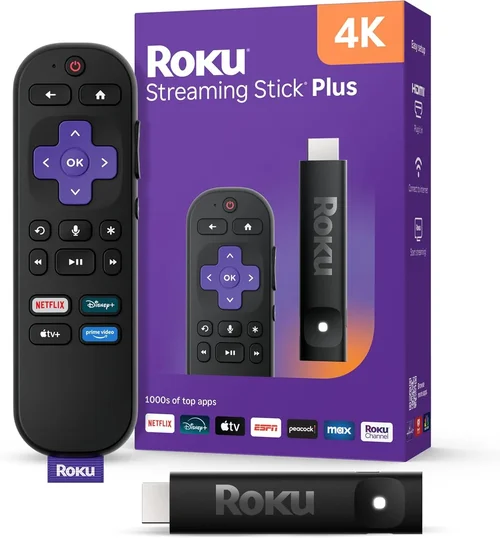
A: Not necessarily. Many outdoor TVs come with built-in smart platforms. However, if your TV lacks apps or has slow performance, a streaming stick like Roku or Apple TV can enhance functionality.
Q: How long do outdoor TVs last?
A: With proper care, a high-quality outdoor TV can last 7–10 years or more. Cheaper models may fail in 3–5 years due to component degradation.
Q: Can I use solar power for my outdoor TV?
A: Yes, with a 12V DC outdoor TV and a compatible solar setup. Ensure your solar system can handle the TV’s power draw, especially at high brightness.
Q: Are outdoor TVs worth the extra cost?
A: If you plan to use your TV regularly outdoors, absolutely. The durability, brightness, and weather resistance justify the investment. For occasional use, a portable or partial sun model may suffice.
Q: What’s the difference between partial sun and full sun outdoor TVs?
A: Partial sun models are for shaded or covered areas and typically have 700–1,200 nits. Full sun models are for direct sunlight and offer 1,500+ nits, enhanced cooling, and superior anti-glare coatings.
Our Final Recommendations
- Best for Budget-Conscious Buyers: SunBriteTV Veranda Series (55-inch) – Excellent value with 1,000 nits, IP55 rating, and Roku TV built-in. Perfect for covered patios.
- Best Overall Value: Samsung The Terrace (65-inch) – Bright, smart, and stylish. Ideal for partial sun areas with strong Wi-Fi and HDR support.
- Best Premium Option: SunBriteTV Pro Series (75-inch) – Built for full sun and extreme weather. 2,000 nits, IP66 rating, and commercial-grade durability.
- Best for Beginners: LG Outdoor OLED (55-inch) – Stunning picture quality with deep blacks and wide viewing angles. Great for shaded decks.
- Best for Advanced Users: Peerless-AV Xtreme Outdoor Display (86-inch) – Commercial-grade with 24/7 operation, ultra-bright screen, and customizable mounting. For serious setups.
Conclusion: Making the Right Choice
Choosing the right outdoor TV for football games is about more than just screen size or brand name—it’s about matching the TV’s capabilities to your environment, usage, and long-term goals. From weather resistance and brightness to smart features and build quality, every detail matters when you’re watching the game under the open sky. By prioritizing your needs, avoiding common pitfalls, and investing in a model that’s built to last, you’ll create an outdoor entertainment experience that brings friends and family together season after season.
Remember, the best TV isn’t always the most expensive—it’s the one that performs reliably in your specific conditions. Whether you’re hosting a Super Bowl party or catching Sunday night football from your hammock, the right outdoor TV will make every moment clearer, brighter, and more enjoyable. Take your time, do your research, and don’t hesitate to consult professionals for installation. With the insights from this guide, you’re well-equipped to make a confident, informed decision. Now go enjoy the game—rain or shine.

