
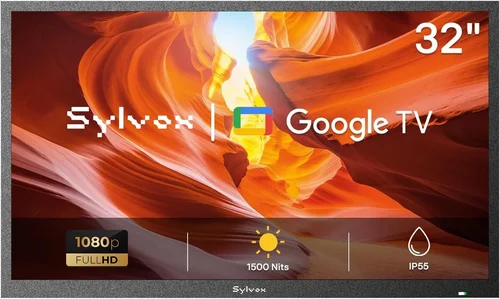
Outdoor living spaces have evolved dramatically over the past decade. No longer just places for grilling or lounging, decks, patios, and backyards have become true extensions of the home—complete with outdoor kitchens, fire pits, and yes, entertainment systems. Among the most transformative additions to modern outdoor setups is the outdoor TV. Whether you’re hosting a summer barbecue, watching the big game under the stars, or enjoying a quiet evening with a movie, an outdoor TV can elevate your deck entertainment experience to new heights.
But here’s the catch: not all TVs are built for the elements. Standard indoor TVs simply aren’t designed to withstand rain, humidity, extreme temperatures, or direct sunlight. That’s where outdoor TVs come in—specially engineered to perform reliably in open-air environments. With advancements in display technology, weatherproofing, and smart features, the market for outdoor TVs has expanded significantly. However, with so many options available, choosing the right one can feel overwhelming. This guide is here to cut through the noise, offering expert insights and practical advice to help you make a smart, informed decision.
In this comprehensive buying guide, you’ll learn everything you need to know about selecting the best outdoor TV for your deck. We’ll walk you through the key factors to consider—from brightness and durability to smart capabilities and installation requirements. You’ll discover the different types of outdoor TVs available, understand common pitfalls to avoid, and get actionable tips for getting the best value. Whether you’re a first-time buyer or upgrading from an older model, this guide will equip you with the knowledge to choose a TV that delivers stunning picture quality, stands up to the weather, and enhances your outdoor lifestyle for years to come.

What to Look for When Buying Buying Guide
1. Brightness & Display Performance
One of the most critical factors when choosing an outdoor TV is brightness. Unlike indoor TVs, which operate in controlled lighting, outdoor screens must contend with direct sunlight, glare, and shifting ambient light throughout the day. Standard indoor TVs typically range from 300 to 500 nits of brightness—adequate for a dimly lit room but woefully insufficient for outdoor use. For decks exposed to sunlight, you’ll want a TV with at least 700 nits, but ideally 1,000 nits or more. High-brightness displays ensure that colors remain vibrant and details stay sharp, even at noon on a sunny day.
Look for TVs with anti-glare or anti-reflective coatings. These coatings reduce the mirror-like effect that can make screens hard to see when light hits them directly. Some premium models also feature optical bonding, a process where the display panel is fused directly to the glass, minimizing air gaps that cause reflections. Additionally, consider the panel type. OLEDs offer superior contrast and color accuracy but can be more susceptible to burn-in and may not reach the peak brightness needed for full sun. LED/LCD panels, especially those with full-array local dimming (FALD), often provide better brightness and are more durable for outdoor use.
2. Weather Resistance & IP Rating
Outdoor TVs must be built to endure the elements—rain, snow, dust, humidity, and temperature swings. This is where the Ingress Protection (IP) rating becomes essential. The IP rating is a two-digit code that indicates how well a device resists solids (like dust) and liquids (like water). For outdoor TVs, look for a minimum IP55 rating, which means the TV is protected against dust and low-pressure water jets from any direction.
However, not all outdoor TVs are created equal. Some are designed for fully exposed areas (IP65 or higher), while others are meant for covered patios or semi-protected spaces. If your deck is open to the sky, opt for a TV with an IP65 or IP66 rating. These models are sealed against dust and can withstand heavy rain. Additionally, check the operating temperature range. Quality outdoor TVs should function reliably from -22°F to 122°F (-30°C to 50°C), ensuring performance in both freezing winters and scorching summers.
Materials matter too. The enclosure should be made of corrosion-resistant metals like aluminum or stainless steel, not plastic, which can degrade over time. Sealed ports, waterproof connectors, and internal climate control systems (like heaters or fans) are also signs of a well-engineered outdoor TV.
3. Size & Viewing Distance
Choosing the right screen size is crucial for both visual impact and comfort. A TV that’s too small will be hard to see from a distance, while one that’s too large can overwhelm your space and strain your eyes. As a general rule, the optimal viewing distance is about 1.5 to 2.5 times the diagonal screen size. For example, a 55-inch TV is best viewed from 6.9 to 11.5 feet away.
Consider your deck layout. Measure the distance from your primary seating area to the planned TV location. If you’re mounting the TV above a grill or outdoor kitchen, ensure it’s high enough to avoid smoke and heat damage but low enough to maintain a comfortable viewing angle. Most experts recommend mounting the center of the screen at or slightly below eye level when seated.
Popular sizes for outdoor use range from 43 inches to 75 inches. Smaller decks or intimate seating areas may benefit from a 43- or 50-inch model, while larger spaces with multiple seating zones can accommodate 65-inch or even 75-inch screens. Keep in mind that larger TVs require more robust mounting solutions and may need professional installation.
4. Smart Features & Connectivity
Today’s outdoor TVs are more than just weatherproof screens—they’re full-fledged smart entertainment hubs. Look for models with built-in Wi-Fi, Bluetooth, and support for popular streaming platforms like Netflix, YouTube, Disney+, and Amazon Prime Video. Many outdoor TVs run on Android TV, Roku TV, or webOS, offering access to thousands of apps and voice control via Google Assistant or Amazon Alexa.
Connectivity is equally important. Ensure the TV has multiple HDMI ports (at least three), USB inputs, and an Ethernet port for a stable wired connection. If you plan to connect a soundbar, gaming console, or streaming device, having enough ports is essential. Some models also include built-in speakers, but for a truly immersive experience, consider pairing your TV with an outdoor sound system.
5. Installation & Mounting Options
Proper installation is key to both performance and longevity. Outdoor TVs should be mounted securely to withstand wind, vibration, and accidental bumps. Most models are VESA-compatible, meaning they can be attached to standard wall mounts, ceiling mounts, or articulating arms.
For decks, a full-motion articulating mount is often ideal. It allows you to tilt, swivel, and extend the TV for optimal viewing from different angles. If your deck has a roof or pergola, a ceiling mount can free up wall space and provide a clean, streamlined look. Always use marine-grade or outdoor-rated mounting hardware to prevent rust and corrosion.
Consider the TV’s weight and dimensions when choosing a mount. Heavier models may require reinforced brackets or professional installation. Also, plan for cable management. Use weatherproof conduit or raceways to protect power and HDMI cables from moisture and UV exposure.
6. Audio Quality & Sound Solutions
While many outdoor TVs include built-in speakers, they’re often limited in power and clarity—especially in open spaces where sound dissipates quickly. For a truly enjoyable experience, especially during movies or live sports, you’ll likely need external audio.
Options include weather-resistant soundbars, outdoor speakers, or wireless speaker systems. Look for speakers with an IPX5 or higher rating and power output of at least 50 watts per channel. Some systems offer multi-room audio, allowing you to sync sound across your deck, patio, and backyard.
If you prefer a minimalist setup, consider a TV with optical audio output or Bluetooth connectivity to pair with wireless speakers. Just ensure the speakers are placed strategically to avoid distortion and provide even coverage.
7. Brand Reputation & Reliability
Not all outdoor TV brands are equal. Some specialize exclusively in outdoor displays, while others offer outdoor versions of their indoor models. Brands like SunBriteTV, Samsung (with their Terrace series), LG, and Seura have established reputations for quality and innovation in the outdoor TV space.
Research customer reviews, expert ratings, and long-term reliability reports. Look for brands that offer comprehensive warranties and responsive customer support. A reputable manufacturer will stand behind their product, especially when it comes to weather-related issues.
8. Warranty & Support
Outdoor TVs are a significant investment, so protect it with a strong warranty. Most quality models come with a 2- to 3-year limited warranty that covers defects, weather damage, and performance issues. Some brands offer extended warranties or service plans for an additional cost.
Check what the warranty includes. Does it cover labor and parts? Is on-site service available? Are there exclusions for certain types of damage? Also, verify the availability of replacement parts and technical support. A TV that’s difficult to service or repair can become a costly liability.
Different Types of Buying Guide

Common Buying Mistakes to Avoid
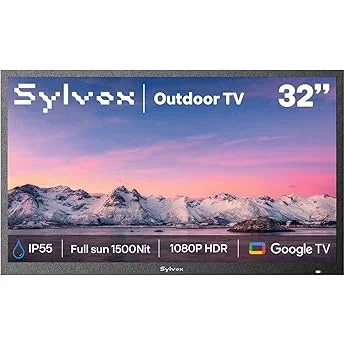
❌ Mistake: Buying an Indoor TV for Outdoor Use
Why it’s bad: Indoor TVs are not designed to handle moisture, temperature extremes, or UV exposure. Using one outdoors can lead to screen damage, electrical failure, and even safety hazards like short circuits or fires.
What to do instead: Always choose a TV specifically rated for outdoor use. Look for weatherproof certifications and avoid cutting corners with indoor models, even if they seem cheaper upfront.
❌ Mistake: Ignoring Brightness Requirements
Why it’s bad: A dim screen will be unwatchable in daylight, defeating the purpose of having an outdoor TV. You’ll end up squinting or only using it at night.
What to do instead: Prioritize brightness (1,000+ nits for full sun) and anti-glare features. Test the TV in similar lighting conditions if possible, or rely on verified brightness specs from reputable brands.
❌ Mistake: Overlooking Installation Challenges
Why it’s bad: Poor mounting can lead to instability, cable damage, or even the TV falling. DIY installations without proper tools or knowledge can void warranties.
What to do instead: Hire a professional installer experienced with outdoor AV setups. They’ll ensure secure mounting, proper cable routing, and compliance with local building codes.
❌ Mistake: Skimping on Audio
Why it’s bad: Built-in TV speakers are often weak and muffled outdoors. Without good sound, dialogue and music become hard to hear, especially over wind or ambient noise.
What to do instead: Invest in a weather-resistant sound system. Even a modest outdoor soundbar can dramatically improve the experience.
❌ Mistake: Not Planning for Power and Connectivity
Why it’s bad: Running extension cords across your deck is unsafe and unsightly. Weak Wi-Fi can cause buffering and disconnections.
What to do instead: Have an outdoor-rated electrical outlet installed near the TV. Use a mesh Wi-Fi system or Ethernet cable for reliable connectivity.
❌ Mistake: Choosing the Wrong Size
Why it’s bad: A TV that’s too small won’t deliver an immersive experience, while one that’s too large can dominate the space and cause eye strain.
What to do instead: Measure your viewing distance and use the 1.5x to 2.5x rule. Consider a slightly larger screen than you think you need—outdoor environments benefit from bigger displays.
❌ Mistake: Neglecting Warranty and Support
Why it’s bad: Outdoor TVs face harsher conditions than indoor models. Without a solid warranty, repairs can be expensive and time-consuming.
What to do instead: Choose a brand with a strong track record and comprehensive warranty. Register your product and keep documentation handy.
Budget Guidelines: How Much Should You Spend?
– Entry-Level ($500 – $1,200): These are typically portable or covered-patio models with basic weather resistance (IP54–IP55). Brightness ranges from 500 to 700 nits, suitable for shaded areas. Smart features may be limited, and build quality is often lighter. Best for occasional use or small spaces.
– Mid-Range ($1,200 – $2,500): This is the sweet spot for most homeowners. These TVs offer 700–1,000+ nits brightness, IP55 or higher ratings, and full smart functionality. They’re built with durable materials and often include better audio and connectivity options. Ideal for regular use on covered or semi-exposed decks.
– Premium ($2,500 – $4,500): Designed for full exposure and year-round use, these models feature 1,000+ nits brightness, IP65+ ratings, and advanced climate control. They often include optical bonding, FALD backlighting, and commercial-grade components. Perfect for open decks in extreme climates.
– Luxury ($4,500+): Top-tier outdoor TVs with cutting-edge displays (like OLED or QLED), 4K HDR, and built-in sound systems. These are often used in high-end homes, resorts, or commercial settings. They come with extended warranties, professional installation, and concierge support.
Expert Tips for Getting the Best Deal
– Buy During Off-Season: Prices tend to drop in late fall and winter when outdoor entertainment demand is lower. Look for end-of-season sales from retailers like Best Buy, Costco, or specialty AV stores.
– Compare Retailers: Don’t just check big-box stores. Online retailers like Amazon, Crutchfield, and Abt often have competitive pricing and bundle deals (e.g., TV + mount + soundbar).
– Look for Bundles: Some brands offer packages that include the TV, mount, and accessories at a discounted rate. These can save you $200–$500 compared to buying separately.
– Check for Rebates: Manufacturers and utility companies sometimes offer rebates for energy-efficient outdoor electronics. Visit the brand’s website or contact customer service.
– Read Return Policies: Ensure the retailer allows returns within 30–60 days, especially for large items. Outdoor TVs can be tricky to install, and you may need to swap sizes or models.
– Test Before Committing: If possible, visit a showroom to see the TV in person. Check brightness, color accuracy, and menu navigation under bright lighting.
– Consider Refurbished Models: Certified refurbished outdoor TVs from reputable sellers can offer significant savings with full warranties.
– Invest in Protection: Even with a good warranty, consider a surge protector or UPS to guard against power fluctuations.

Frequently Asked Questions
Q: Can I use a regular TV outdoors if I cover it?
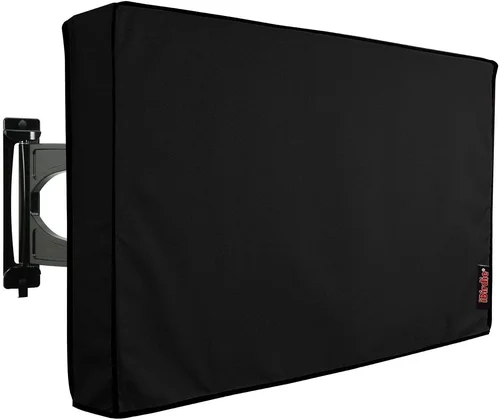
A: Technically, you can, but it’s not recommended. Even with a cover, indoor TVs lack the internal sealing and temperature regulation needed for outdoor conditions. Moisture can seep in, and heat buildup can damage components. For safety and longevity, always use a purpose-built outdoor TV.
Q: Do outdoor TVs need to be plugged in all the time?
A: Yes, outdoor TVs require a constant power source. Unlike some indoor models with sleep modes, outdoor units often have internal climate control systems that need power to function properly, even when the screen is off.
Q: How do I clean an outdoor TV?
A: Use a soft, lint-free microfiber cloth and a mild cleaning solution (like diluted isopropyl alcohol). Avoid abrasive cleaners or paper towels, which can scratch the screen. Turn off and unplug the TV before cleaning.
Q: Can I leave my outdoor TV on during a storm?
A: It’s best to turn it off during severe weather, especially lightning storms. While outdoor TVs are weather-resistant, they’re not lightning-proof. Use a surge protector for added safety.
Q: Do outdoor TVs work in the winter?
A: Yes, most quality outdoor TVs are designed to operate in temperatures as low as -22°F. Models with built-in heaters will automatically warm the internal components when needed.
Q: Can I mount an outdoor TV on a pole or post?
A: Yes, but ensure the mount is rated for outdoor use and can support the TV’s weight. Use a reinforced pole mount or a dedicated outdoor TV stand for stability.
Q: Are outdoor TVs energy efficient?
A: Many modern outdoor TVs are ENERGY STAR certified and use LED backlighting, which consumes less power than older technologies. However, higher brightness settings do increase energy use.
Q: Can I use my outdoor TV with a projector instead?
A: Projectors can be a cheaper alternative, but they require a dark environment and are less bright than outdoor TVs. For daytime viewing, an outdoor TV is almost always the better choice.
Q: Do I need a special remote for an outdoor TV?
A: Most outdoor TVs come with standard IR or Bluetooth remotes. Some models offer weather-resistant remotes or smartphone app control for added convenience.
Q: How long do outdoor TVs last?
A: With proper care and installation, a quality outdoor TV can last 7–10 years or more. Regular maintenance, such as cleaning and checking seals, can extend its lifespan.
Our Final Recommendations
– Best for Budget-Conscious Buyers: Seura Shadow 55″ – Offers excellent value with 1,000 nits brightness, IP54 rating, and smart features at under $2,000. Ideal for covered decks.
– Best Overall Value: SunBriteTV Veranda 3 Series 65″ – Combines durability, 1,000+ nits brightness, and full smart functionality. A reliable choice for most outdoor setups.
– Best Premium Option: Samsung The Terrace 75″ – Features QLED display, IP55 rating, and built-in sound. Perfect for open decks with stunning picture quality.
– Best for Beginners: LG Outdoor 55″ UHD – User-friendly interface, strong app support, and solid weather resistance. Great for first-time outdoor TV owners.
– Best for Advanced Users: SunBriteTV Pro 2 Series 75″ – Commercial-grade build, 1,500 nits brightness, and 24/7 operation capability. Built for extreme conditions and heavy use.
Conclusion: Making the Right Choice
Choosing the right outdoor TV for your deck is about more than just picking a screen that looks good. It’s about finding a balance between performance, durability, and value—one that fits your space, your lifestyle, and your budget. From brightness and weather resistance to smart features and installation, every detail matters when you’re investing in outdoor entertainment.
Remember, the best TV for you is the one that meets your specific needs. If you’re hosting frequent gatherings, prioritize size and sound. If you live in a harsh climate, focus on durability and temperature tolerance. And if you’re on a tight budget, look for mid-range models that offer the most bang for your buck.
Don’t rush the decision. Take time to research, compare options, and consult with experts if needed. A well-chosen outdoor TV will not only enhance your deck but also become a centerpiece of your outdoor living experience for years to come. So go ahead—upgrade your space, enjoy the great outdoors, and make every moment under the open sky a little more special.

