
Outdoor living spaces have evolved far beyond simple patios with a grill and a few chairs. Today’s covered patios are fully integrated entertainment zones—complete with outdoor kitchens, sound systems, and yes, high-definition televisions. Whether you’re watching the big game under the pergola, enjoying a movie night under string lights, or catching up on your favorite series while sipping coffee in the morning sun, an outdoor TV can transform your covered patio into a true extension of your home.
But not all TVs are created equal—especially when it comes to outdoor use. Standard indoor TVs simply aren’t built to withstand the unique challenges of outdoor environments, even under cover. Humidity, temperature swings, dust, and direct sunlight can quickly degrade performance or cause permanent damage. That’s why investing in a purpose-built outdoor TV is essential for long-term enjoyment and value. This comprehensive buying guide is designed to help you navigate the growing market of outdoor televisions, understand what truly matters in performance and durability, and make a confident, informed decision that fits your lifestyle, space, and budget.
By the end of this guide, you’ll know exactly what to look for when shopping for an outdoor TV for your covered patio. We’ll break down the key factors—from weather resistance and screen brightness to smart features and installation requirements—so you can avoid costly mistakes and find the perfect model. You’ll also learn about different types of outdoor TVs, common pitfalls to avoid, budget expectations, and expert tips for getting the best deal. Whether you’re a first-time buyer or upgrading from an older model, this guide will equip you with the knowledge to choose a TV that delivers stunning picture quality, reliable performance, and years of outdoor enjoyment.
The outdoor TV market has matured significantly in recent years, with more brands entering the space and technology advancing rapidly. From fully sealed, all-weather models to weather-resistant enclosures that protect standard TVs, there are now more options than ever. However, this abundance of choice can also lead to confusion. Some products are genuinely built for the outdoors, while others are merely marketed as “outdoor-ready” with minimal protection. Our goal is to cut through the marketing noise and give you the real, expert-level insights you need to make the right purchase. Let’s dive in.
What to Look for When Buying Buying Guide
1. Weather Resistance & IP Rating
One of the most critical factors when choosing an outdoor TV is its ability to withstand the elements—even under a covered patio. While your TV may be shielded from direct rain, it’s still exposed to humidity, temperature fluctuations, dust, and occasional splashes. That’s why weather resistance isn’t just a nice-to-have—it’s a necessity.
Look for TVs with a high Ingress Protection (IP) rating, which indicates how well the device is protected against solids (like dust) and liquids (like moisture). For outdoor use, an IP55 rating is the minimum acceptable standard, meaning the TV is protected against dust and water jets from any direction. However, for covered patios in humid or coastal climates, we recommend aiming for IP65 or higher. An IP65 rating means the TV is dust-tight and protected against low-pressure water jets, making it far more resilient over time.
Beyond the IP rating, examine the materials used in the TV’s construction. High-quality outdoor TVs feature powder-coated aluminum chassis, stainless steel hardware, and sealed ports to prevent corrosion. Avoid models with plastic casings or exposed vents, as these can trap moisture and lead to internal damage. Also, check whether the TV is designed for both summer heat and winter cold—some models can operate safely in temperatures ranging from -22°F to 122°F (-30°C to 50°C), which is ideal for year-round use.
2. Screen Brightness & Anti-Glare Technology
Indoor TVs are designed for dimly lit living rooms, but outdoor environments are inherently brighter—even under cover. Sunlight reflecting off concrete, water features, or nearby windows can create glare that makes it difficult to see the screen. That’s why outdoor TVs must deliver significantly higher brightness levels than their indoor counterparts.
Look for a TV with a minimum brightness of 700 nits (candelas per square meter). For patios with partial sun exposure or large windows, aim for 1,000 nits or more. Some premium models offer up to 2,500 nits, which ensures excellent visibility even on the sunniest days. However, brightness alone isn’t enough—anti-glare and anti-reflective coatings are equally important. These coatings reduce the amount of light bouncing off the screen, improving contrast and color accuracy in bright conditions.
Additionally, consider the screen technology. OLED panels offer superior contrast and color, but they can be more susceptible to burn-in and may not perform as well in direct sunlight. QLED and high-brightness LED panels are often better suited for outdoor use due to their durability and brightness capabilities. Some manufacturers also use optical bonding—a process that fuses the screen layers together—to reduce internal reflections and improve clarity.
Finally, test the TV in person if possible. Many retailers have outdoor display areas where you can evaluate screen visibility under simulated sunlight. If that’s not an option, look for user reviews that specifically mention performance in bright conditions.
3. Build Quality & Durability
Outdoor TVs are subjected to more stress than indoor models. They’re exposed to temperature swings, humidity, dust, and physical impacts from wind-blown debris or accidental bumps. As a result, build quality is paramount. A well-built outdoor TV should feel solid and heavy, with no loose parts or flimsy components.
Start by examining the chassis. High-end outdoor TVs use powder-coated aluminum, which resists rust and corrosion far better than standard steel or plastic. The coating should be thick and even, with no visible seams or gaps where moisture could seep in. Pay special attention to the back panel, ports, and mounting points—these areas are often weak spots in lower-quality models.
Internal components should also be ruggedized. Look for TVs with sealed circuit boards, conformal coatings on electronics, and reinforced connectors. Some manufacturers go a step further by using industrial-grade capacitors and heat-resistant wiring to ensure long-term reliability. Additionally, check whether the TV includes built-in surge protection, which can safeguard against power fluctuations caused by nearby lightning or electrical storms.
Durability also extends to the remote control and input ports. Outdoor remotes should be weather-resistant and easy to use with gloves. HDMI, USB, and antenna ports should be covered with rubber gaskets or flip-up doors to prevent moisture ingress. If the TV includes a built-in tuner for over-the-air broadcasts, ensure it’s rated for outdoor antenna use.
4. Smart Features & Connectivity
Today’s outdoor TVs aren’t just about picture quality—they’re also entertainment hubs. Most modern models come with built-in smart platforms like Android TV, webOS, or Roku, allowing you to stream content from Netflix, YouTube, Disney+, and other services without needing an external device.
When evaluating smart features, consider the user interface. Is it intuitive and responsive? Can you easily navigate apps and settings with the remote? Look for models with voice control support (via Google Assistant or Alexa) for hands-free operation—especially useful when you’re grilling or entertaining guests.
Connectivity is equally important. Ensure the TV has multiple HDMI ports (at least three), USB ports for media playback, and an Ethernet port for a stable wired internet connection. Wi-Fi 6 support is a plus, as it offers faster speeds and better performance in crowded networks. If you plan to connect a soundbar or outdoor speakers, check for optical audio output or HDMI ARC (Audio Return Channel) support.
Also, consider future-proofing. Some outdoor TVs support 4K resolution and HDR (High Dynamic Range), which deliver sharper images and more vibrant colors. While 8K TVs are available, they’re still overkill for most outdoor setups due to limited content and high cost. Stick with 4K for the best balance of quality and value.
Finally, think about software updates. A good outdoor TV should receive regular firmware updates to fix bugs, improve performance, and add new features. Check the manufacturer’s update policy and user forums to see how long the model is likely to be supported.
5. Size & Viewing Distance
Choosing the right screen size is crucial for an enjoyable viewing experience. Too small, and you’ll struggle to see details from a distance. Too large, and the TV may overwhelm your space or require a more complex mounting solution.
As a general rule, the optimal screen size depends on your viewing distance. For outdoor patios, a good starting point is 1.5 to 2.5 times the diagonal screen size in feet. For example, if you’re sitting 8 feet away, a 55-inch to 75-inch TV would be ideal. However, this can vary based on personal preference and ambient light. In brighter environments, a larger screen with higher brightness may be necessary to maintain image clarity.
Consider the layout of your patio. Will the TV be mounted on a wall, under a pergola, or on a freestanding stand? Measure the available space carefully, including clearance for ventilation and cable management. Some outdoor TVs require additional space behind the screen for airflow, so check the manufacturer’s installation guidelines.
Also, think about seating arrangements. If viewers will be sitting at an angle, look for a TV with wide viewing angles—typically found in IPS (In-Plane Switching) panels. VA (Vertical Alignment) panels offer better contrast but may lose color accuracy when viewed from the side.
6. Installation & Mounting Options
Proper installation is key to both performance and safety. Outdoor TVs are heavier than indoor models due to their reinforced construction, so they require sturdy mounting hardware and secure anchoring.
Most outdoor TVs are VESA-compatible, meaning they can be mounted on standard wall brackets. However, outdoor-specific mounts are recommended because they’re designed to handle weather exposure and provide better ventilation. Look for mounts made from corrosion-resistant materials like stainless steel or aluminum, with sealed joints and adjustable tilt/swivel features for optimal viewing angles.
Consider the location of power outlets and cable runs. Outdoor TVs need a dedicated electrical circuit, preferably with GFCI (Ground Fault Circuit Interrupter) protection for safety. If running cables through walls or under decks, use weatherproof conduit and outdoor-rated cables. Some manufacturers offer all-in-one cable management kits that simplify the process.
For patios with high winds or seismic activity, consult a professional installer. They can assess structural integrity, recommend appropriate anchors, and ensure compliance with local building codes. Never mount an outdoor TV to a lightweight structure like a pergola without reinforcement.
Finally, think about accessibility. Can you easily reach the TV for maintenance or adjustments? Is the remote control within range? Planning ahead can save you headaches down the road.
7. Brand Reputation & Customer Support
Not all outdoor TV brands are created equal. Some specialize exclusively in outdoor electronics, while others offer outdoor models as part of a broader lineup. When evaluating brands, consider their track record for quality, innovation, and customer service.
Look for manufacturers with a proven history in the outdoor TV market, such as SunBriteTV, Seura, or Samsung’s outdoor-specific models. These companies invest heavily in R&D and testing to ensure their products meet rigorous durability standards. Read professional reviews and user testimonials to gauge real-world performance.
Customer support is equally important. If something goes wrong, you’ll want responsive, knowledgeable assistance. Check whether the brand offers phone, email, and live chat support, and whether technicians are available for on-site service. Some companies provide installation guides, video tutorials, and 24/7 help desks specifically for outdoor products.
Also, consider the availability of replacement parts and accessories. Can you easily find mounts, remotes, or power supplies if needed? A brand with a strong distribution network and long-term product support will give you peace of mind.
8. Warranty & Return Policy
A comprehensive warranty is a strong indicator of a manufacturer’s confidence in their product. Most reputable outdoor TV brands offer warranties ranging from 2 to 5 years, covering defects in materials and workmanship. Some even include on-site service or loaner units during repairs.
Read the fine print carefully. Does the warranty cover damage from weather, power surges, or accidental impact? Are there exclusions for improper installation or misuse? A good warranty should be straightforward and easy to claim.
Return policies are also important, especially when buying online. Look for retailers that offer at least a 30-day return window with free return shipping. This gives you time to test the TV in your actual environment and ensure it meets your expectations.
If purchasing from a third-party seller, verify their return and warranty terms. Some sellers may not honor the manufacturer’s warranty or charge restocking fees.
Different Types of Buying Guide

Common Buying Mistakes to Avoid

❌ Mistake: Buying a Standard Indoor TV for Outdoor Use
Why it’s bad: Indoor TVs lack the weatherproofing, brightness, and durability needed for outdoor environments. Even under cover, they can fail within months due to humidity, temperature changes, or dust accumulation.
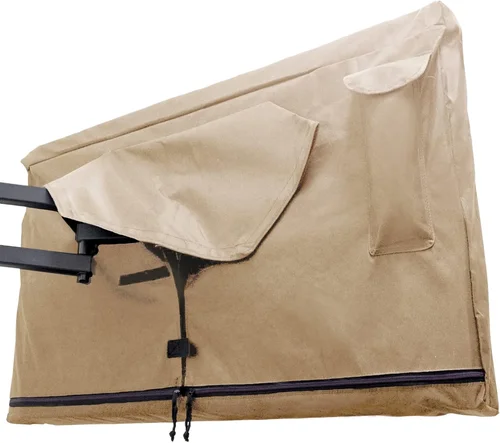
What to do instead: Invest in a purpose-built outdoor TV or use a weather-resistant enclosure designed for your specific model. Never assume an indoor TV will survive outdoors.
❌ Mistake: Ignoring IP Ratings and Weatherproofing
Why it’s bad: A TV without proper sealing can suffer internal corrosion, screen fogging, or electrical shorts. This leads to costly repairs or premature replacement.
What to do instead: Always check the IP rating and look for features like sealed ports, corrosion-resistant materials, and internal climate control.
❌ Mistake: Overlooking Screen Brightness
Why it’s bad: A dim screen will be washed out in sunlight, making it difficult to see details or enjoy vibrant colors—even under cover.
What to do instead: Choose a TV with at least 700 nits of brightness, and consider anti-glare coatings for better visibility.
❌ Mistake: Choosing the Wrong Size
Why it’s bad: A TV that’s too small will strain your eyes, while one that’s too large can dominate the space and require expensive mounting solutions.
What to do instead: Measure your viewing distance and use the 1.5–2.5x rule to determine the ideal screen size. Test with tape before buying.
❌ Mistake: Skimping on Installation
Why it’s bad: Poor mounting can lead to instability, vibration, or even collapse—especially in windy conditions. Improper cable management can also cause water ingress.
What to do instead: Use outdoor-rated mounts, secure anchoring, and professional installation if needed. Plan cable routes carefully.
❌ Mistake: Not Checking Warranty and Support
Why it’s bad: Without a solid warranty, you’re on your own if the TV fails. Limited support can mean long wait times for repairs.
What to do instead: Choose a brand with a strong reputation, comprehensive warranty, and accessible customer service.
Budget Guidelines: How Much Should You Spend?
- Entry-Level ($800 – $1,500): These are typically indoor TVs paired with weather-resistant enclosures. Best for covered patios with minimal sun exposure. Expect basic smart features and moderate brightness.
- Mid-Range ($1,500 – $3,500): The sweet spot for most buyers. Fully sealed outdoor TVs with 700–1,000 nits brightness, smart platforms, and solid build quality. Ideal for most covered patios.
- Premium ($3,500 – $6,000): High-end models with 1,000+ nits, advanced anti-glare tech, and commercial-grade durability. Perfect for sunny patios or coastal homes.
- Luxury ($6,000+): Top-tier displays with 2,500+ nits, 24/7 operation, and custom installation support. Designed for large estates, hotels, or extreme environments.
Expert Tips for Getting the Best Deal
- Buy during off-seasons: Prices often drop in late fall and winter when outdoor entertainment demand is lower.
- Shop at specialty retailers: Stores like Crutchfield, Abt, or Outdoor TV Direct offer expert advice, installation services, and bundled deals.
- Look for open-box or refurbished models: These can save 20–30% and often come with full warranties.
- Negotiate installation packages: Some retailers offer discounts when you bundle TV purchase with mounting and setup.
- Check manufacturer rebates: Brands like Samsung and SunBriteTV occasionally offer cash-back promotions.
- Read return policies carefully: Ensure you can return the TV if it doesn’t perform as expected in your environment.
- Test before you buy: If possible, visit a showroom with outdoor displays to evaluate brightness and clarity.

Frequently Asked Questions
Q: Can I use a regular TV under a covered patio?
A: Technically yes, but it’s not recommended. Without proper weatherproofing, even covered patios can expose TVs to humidity, dust, and temperature swings that lead to failure. A weather-resistant enclosure or purpose-built outdoor TV is a safer, longer-lasting investment.
Q: Do outdoor TVs need special power outlets?
A: They require standard 120V outlets, but a GFCI-protected circuit is strongly recommended for safety. Avoid using extension cords or power strips outdoors.
Q: How do I clean an outdoor TV screen?
A: Use a microfiber cloth and a mild cleaner designed for electronics. Never use ammonia-based cleaners or abrasive materials. Power off the TV before cleaning.
Q: Can outdoor TVs be used in winter?
A: Yes, most are designed to operate in freezing temperatures. Some models include internal heaters to prevent screen fogging.
Q: Do outdoor TVs come with remotes?
A: Yes, and they’re typically weather-resistant. Some models also support smartphone apps for control.
Q: How long do outdoor TVs last?
A: With proper care, a high-quality outdoor TV can last 7–10 years or more. Cheaper models may fail sooner due to inferior materials.
Q: Can I mount an outdoor TV on a pergola?
A: Only if the pergola is structurally reinforced. Consult a professional to ensure it can support the weight and withstand wind loads.
Q: Are outdoor TVs energy efficient?
A: Many modern models are ENERGY STAR certified and use LED backlighting, which consumes less power than older technologies.
Our Final Recommendations
- Best for Budget-Conscious Buyers: SunBriteTV Veranda Series – Excellent value with full weatherproofing, 700 nits brightness, and smart features starting under $2,000.
- Best Overall Value: Seura Outdoor TV – Premium build, 1,000+ nits, and sleek design. Ideal for most covered patios.
- Best Premium Option: Samsung The Terrace – 2,500 nits, anti-reflective screen, and advanced cooling. Perfect for sunny or coastal areas.
- Best for Beginners: LG Outdoor TV with Enclosure Kit – Easy setup, familiar interface, and reliable performance.
- Best for Advanced Users: Peerless-AV Xtreme Outdoor Display – Commercial-grade durability, 24/7 operation, and customizable mounting.
Conclusion: Making the Right Choice
Choosing the right outdoor TV for your covered patio is about more than just picture quality—it’s about creating a durable, enjoyable, and long-lasting entertainment experience. By prioritizing weather resistance, screen brightness, build quality, and proper installation, you can avoid common pitfalls and invest in a TV that stands the test of time.
Remember, the best TV for you depends on your specific needs: your climate, viewing habits, budget, and space constraints. Don’t rush the decision. Take the time to research, compare models, and consult experts. And when you do make your purchase, choose a reputable brand with strong support and a solid warranty.
Your covered patio is more than just an outdoor room—it’s a place for connection, relaxation, and joy. With the right outdoor TV, you can elevate every moment, from quiet mornings to lively gatherings under the stars. So go ahead, make the investment, and enjoy the view.

