
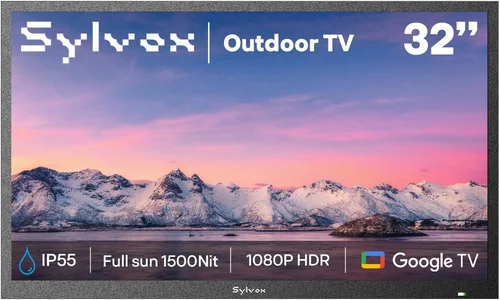
Outdoor TVs have evolved from a niche luxury to a practical necessity for homeowners who love to entertain, relax, or simply enjoy entertainment beyond the four walls of their living room. For those fortunate enough to live in coastal areas, the allure of an outdoor TV is especially strong—imagine watching the sunset over the ocean while streaming your favorite show, or catching the big game from your covered patio during a breezy summer evening. However, coastal environments present unique challenges that can quickly turn a dream setup into a costly disappointment if you don’t choose wisely.
Salt air, high humidity, intense UV exposure, and unpredictable weather patterns are relentless forces that can corrode electronics, fade screens, and shorten the lifespan of standard televisions. This is why investing in a purpose-built outdoor TV isn’t just a nice-to-have—it’s essential. The market has responded with a growing range of models designed specifically for outdoor use, but not all are created equal, especially when it comes to coastal resilience. With so many options, features, and price points, it’s easy to feel overwhelmed. That’s where this guide comes in.
By the end of this comprehensive buying guide, you’ll have a clear understanding of what makes an outdoor TV suitable for coastal homes, how to evaluate key features, and how to avoid common pitfalls. Whether you’re a first-time buyer or upgrading from an older model, this guide will equip you with expert-level knowledge to make a confident, informed decision. We’ll cover everything from durability and performance to budget considerations and long-term value, ensuring your investment stands up to the elements and delivers years of reliable enjoyment.
The outdoor TV market in 2026 is more competitive and innovative than ever. Major brands like Samsung, LG, and Sony have expanded their outdoor offerings, while specialized manufacturers such as SunBriteTV, Seura, and Peerless have refined their designs to meet the demands of harsh environments. These TVs aren’t just regular models placed in weatherproof enclosures—they’re engineered from the ground up with sealed components, anti-reflective coatings, and corrosion-resistant materials. Some even feature built-in heaters and fans to regulate internal temperature, a critical function in humid coastal climates where condensation can be a major issue.
As consumer demand grows, so does the variety of form factors and installation options. You’ll find everything from fully sealed, all-weather models designed for permanent outdoor mounting to portable, weather-resistant TVs that can be moved between covered patios and garages. Smart features, 4K HDR support, and voice control are now standard even in outdoor units, bringing the indoor viewing experience outside. But with this advancement comes complexity. Not every “outdoor-rated” TV is suitable for coastal use, and marketing claims can be misleading. This guide cuts through the noise, focusing specifically on what coastal homeowners need to know to protect their investment and enjoy uninterrupted outdoor entertainment.

What to Look for When Buying Buying Guide
1. Weather Resistance & IP Rating
When shopping for an outdoor TV, especially in a coastal environment, weather resistance is the single most important factor. Standard indoor TVs are not designed to withstand moisture, salt, or temperature fluctuations, and even a brief exposure to sea spray can cause irreversible damage. That’s why outdoor TVs must meet stringent ingress protection (IP) standards. The IP rating system, defined by the International Electrotechnical Commission (IEC), indicates how well a device resists dust and water.
For coastal homes, look for a minimum IP55 rating—this means the TV is protected against dust ingress (limited) and water jets from any direction. However, for maximum protection, especially in areas with frequent rain, high humidity, or direct ocean exposure, an IP65 or IP66 rating is strongly recommended. IP65 offers complete dust protection and resistance to low-pressure water jets, while IP66 can handle powerful water jets, making it ideal for uncovered decks or beachfront patios.
Beyond the IP rating, pay attention to the materials used in the TV’s construction. Coastal environments accelerate corrosion, so aluminum or stainless-steel housings with powder-coated finishes are preferable over plastic or untreated metal. Some manufacturers go further by using marine-grade aluminum and applying anti-corrosion treatments to internal components. For example, SunBriteTV’s Veranda series uses a fully sealed, powder-coated aluminum chassis that resists salt corrosion, making it a favorite among coastal homeowners.
Another critical aspect is the sealing of ports and connectors. Even with a high IP rating, exposed HDMI or power ports can become entry points for moisture. Top-tier outdoor TVs feature rubber gaskets, sealed cable entry points, and internal cable management systems to prevent water ingress. If you’re mounting the TV in a location where it might be exposed to direct rain or sea spray, consider pairing it with a weatherproof outdoor enclosure or a dedicated outdoor TV cabinet for added protection.
2. Screen Brightness & Anti-Glare Technology
One of the biggest challenges of outdoor viewing is ambient light. Unlike indoor TVs, which are designed for dimly lit rooms, outdoor models must contend with direct sunlight, reflections, and glare. A dim screen will appear washed out, making it difficult to see details, especially during the day. For coastal homes, where sunlight is often intense and reflective surfaces like sand, water, and white paint are common, screen brightness becomes a make-or-break feature.
The standard measure for screen brightness is nits (cd/m²). Most indoor TVs range from 300 to 500 nits, which is insufficient for outdoor use. For shaded or covered outdoor areas, a minimum of 700 nits is recommended. For full sun exposure—such as an uncovered deck or patio facing the ocean—look for models with 1,000 nits or higher. Some premium outdoor TVs, like the LG Outdoor UHD series, offer up to 2,000 nits, ensuring crisp visibility even at midday.
Equally important is anti-glare technology. Standard glass screens reflect sunlight, creating distracting glare that can ruin the viewing experience. Outdoor TVs combat this with specialized screen coatings and optically bonded glass. Optically bonded screens fuse the LCD panel directly to the outer glass, eliminating the air gap that causes reflections. This not only reduces glare but also improves image clarity and color accuracy. Additionally, many outdoor models feature anti-reflective coatings that diffuse light rather than reflect it.
For coastal homes with large windows or reflective surfaces nearby, consider the TV’s viewing angle. Wide viewing angles (178 degrees or more) ensure that the picture remains clear even when viewed from the side—ideal for group gatherings on a patio. Some models also include ambient light sensors that automatically adjust brightness based on surrounding light conditions, optimizing visibility without manual intervention.
3. Durability & Build Quality
Coastal environments are notoriously harsh on electronics. Salt air is highly corrosive, humidity can lead to condensation, and temperature swings from cool ocean breezes to hot sun can stress internal components. A durable build is essential to ensure your outdoor TV lasts more than a season or two. When evaluating durability, consider both the external housing and the internal engineering.
Start with the materials. As mentioned earlier, aluminum and stainless steel are the gold standard for outdoor TVs in coastal areas. These metals resist rust and corrosion far better than plastic or standard steel. Look for powder-coated finishes, which provide an additional layer of protection against UV rays and salt. Some manufacturers, like Peerless-AV, use marine-grade aluminum in their Xtreme series, specifically designed for saltwater environments.
Internal components are just as important. High-quality capacitors, sealed circuit boards, and conformal coatings on PCBs help protect against moisture and corrosion. Conformal coatings are thin polymer layers applied to electronic components to shield them from dust, moisture, and chemicals. This is a key feature in premium outdoor TVs, as it prevents internal damage even if the outer seal is compromised.
Temperature tolerance is another critical factor. Coastal climates can swing from chilly mornings to scorching afternoons, and some areas experience high humidity year-round. Outdoor TVs should be rated for a wide operating temperature range—typically from -30°F to 120°F (-34°C to 49°C). Models with built-in thermal management systems, such as passive cooling fans or heat sinks, help regulate internal temperature and prevent overheating. Some advanced units even include internal heaters to prevent condensation in cold, damp conditions.
Finally, consider the mounting system. A sturdy, corrosion-resistant mount is essential for long-term stability. Look for mounts made from stainless steel or aluminum with anti-corrosion coatings. Wall mounts should be rated for outdoor use and capable of supporting the TV’s weight, especially in windy coastal areas. For added security, consider models with locking mechanisms or tamper-resistant hardware.
4. Smart Features & Connectivity
In 2026, outdoor TVs are no longer just about durability—they’re expected to deliver the same smart functionality as their indoor counterparts. Whether you’re streaming Netflix, checking the weather, or controlling your smart home devices, having a connected outdoor TV enhances convenience and entertainment value. However, not all smart features are created equal, especially in outdoor environments.
First, ensure the TV runs a modern smart platform. Leading options include Google TV (used by Sony and TCL), webOS (LG), and Tizen (Samsung). These platforms offer access to popular streaming apps, voice control via Google Assistant or Alexa, and regular software updates. Avoid older or proprietary systems that may lack app support or security updates.
Wi-Fi connectivity is essential, but outdoor environments can pose challenges. Thick walls, distance from the router, and interference from other devices can weaken signals. Look for TVs with dual-band Wi-Fi (2.4 GHz and 5 GHz) and support for Wi-Fi 6, which offers faster speeds and better performance in congested networks. Some models include external Wi-Fi antennas or support for mesh network extenders to boost signal strength.
For wired connections, ensure the TV has multiple HDMI ports, USB inputs, and an Ethernet port. Ethernet is particularly useful for stable, high-speed internet in areas with weak Wi-Fi. Since outdoor TVs are often mounted in fixed locations, having accessible ports is crucial. Top models feature rear-access ports with protective covers or internal cable routing to keep connections secure and weatherproof.
Voice control is another valuable feature. Being able to change the channel, adjust volume, or search for content without leaving your lounge chair is a game-changer for outdoor entertainment. Most smart outdoor TVs support voice assistants, but compatibility varies. Check whether the TV works with your preferred ecosystem—Google, Alexa, or Apple HomeKit.
Lastly, consider integration with outdoor audio systems. While the built-in speakers on outdoor TVs are often weather-resistant, they may not deliver the immersive sound needed for outdoor spaces. Look for models with audio output options (optical, RCA, or Bluetooth) to connect to external speakers or soundbars. Some premium units even include built-in subwoofers or support for multi-room audio systems.
5. Size & Viewing Distance
Choosing the right screen size is crucial for an enjoyable outdoor viewing experience. Too small, and details get lost; too large, and the picture may appear pixelated or overwhelming. The ideal size depends on your viewing distance, ambient light, and the layout of your outdoor space.
As a general rule, the recommended viewing distance is 1.5 to 2.5 times the diagonal screen size. For example, a 55-inch TV should be viewed from 6.9 to 11.5 feet away. However, outdoor environments often require adjustments. In bright, open areas, larger screens are better because they maintain visibility at greater distances. In covered patios or smaller decks, a 43- to 55-inch TV may be more appropriate.
For coastal homes with expansive outdoor living areas—such as large decks, gazebos, or poolside lounges—consider a 65-inch or larger model. These sizes provide a cinematic experience and ensure everyone in the group can see clearly. If you’re mounting the TV on a wall or under a pergola, measure the available space and ensure there’s enough clearance for ventilation and cable management.
Another factor is resolution. While 4K UHD is standard in most outdoor TVs, the benefits are most noticeable on larger screens viewed from closer distances. If your viewing distance is over 10 feet, a 4K 55-inch TV may not offer a significant advantage over a 1080p model. However, for 65-inch and larger screens, 4K is highly recommended for sharp, detailed images.
Don’t forget about aspect ratio and bezel design. Most outdoor TVs use a 16:9 aspect ratio, but some ultra-wide models are emerging for panoramic viewing. Slim bezels are preferable for a modern look and better immersion, especially when mounted in a visible outdoor setting.
6. Installation & Mounting Options
Proper installation is just as important as the TV itself. A poorly mounted outdoor TV can be unsafe, prone to vibration, or vulnerable to weather damage. Coastal homes face additional challenges, including high winds, salt corrosion, and limited access for maintenance.
Start by choosing the right mounting solution. Wall mounts are the most common and offer a clean, permanent installation. Look for full-motion or tilt mounts that allow you to adjust the viewing angle—ideal for patios with changing sun positions. Ceiling mounts are another option for gazebos or covered porches, providing a central viewing point.
For maximum flexibility, consider a portable outdoor TV with a built-in stand or a compatible outdoor TV cabinet. These units can be moved between locations and stored indoors during storms or off-seasons. Some models, like the Seura Shade series, include integrated stands with wheels for easy relocation.
When mounting, always use corrosion-resistant hardware. Stainless steel bolts, washers, and anchors are essential in coastal areas. Avoid galvanized steel, which can rust when exposed to salt air. If mounting on wood, treat the surface with a waterproof sealant to prevent rot.
Ventilation is another key consideration. Outdoor TVs generate heat, and without proper airflow, internal components can overheat. Ensure there’s at least 4-6 inches of clearance around the TV for ventilation. Avoid enclosing the TV in a tight cabinet unless it’s specifically designed for outdoor use with built-in cooling.
Finally, consider professional installation. While DIY mounting is possible, a certified technician can ensure the TV is securely fastened, properly grounded, and compliant with local building codes. This is especially important in hurricane-prone coastal regions where wind loads must be calculated.
7. Brand Reputation & Customer Support
Not all outdoor TV brands are created equal. While big names like Samsung and LG offer reliable smart features, specialized manufacturers like SunBriteTV, Peerless-AV, and Seura have decades of experience designing TVs for harsh environments. Choosing a reputable brand ensures better build quality, longer lifespan, and more responsive customer support.
Research the brand’s history in outdoor electronics. SunBriteTV, for example, was one of the first companies to develop all-weather TVs and remains a leader in the space. Peerless-AV focuses on commercial-grade outdoor displays used in stadiums and resorts, bringing that expertise to residential products. Seura combines TV technology with mirror and art displays, offering unique design options.
Customer support is equally important. Coastal environments can accelerate wear and tear, so having access to responsive service is crucial. Look for brands that offer extended warranties, on-site repair services, and readily available replacement parts. Some companies provide 24/7 support lines or online troubleshooting guides.
Check online reviews and forums for real-world feedback. Pay attention to comments about durability in humid or salty conditions, ease of installation, and how the company handles warranty claims. A brand with a strong reputation will stand behind its products, even in challenging environments.
8. Warranty & Long-Term Value
An outdoor TV is a significant investment, and a strong warranty is a sign of the manufacturer’s confidence in their product. Standard warranties for outdoor TVs typically range from 1 to 3 years, but some premium models offer up to 5 years of coverage.
When evaluating a warranty, read the fine print. Does it cover salt corrosion? What about damage from humidity or condensation? Some warranties exclude “acts of nature” or environmental damage, which could leave you unprotected in a coastal setting. Look for comprehensive coverage that includes both parts and labor, and check if on-site service is available.
Long-term value goes beyond the warranty. Consider the TV’s expected lifespan, energy efficiency, and upgrade path. A TV with modular components or firmware updates may last longer than a sealed unit with no serviceability. Energy-efficient models with LED backlighting consume less power, reducing long-term operating costs.
Finally, think about resale value. High-quality outdoor TVs from reputable brands retain value better than generic models. If you plan to upgrade in the future, a well-maintained unit from a trusted brand may have a stronger resale market.
Different Types of Buying Guide
Common Buying Mistakes to Avoid
❌ Mistake: Buying an Indoor TV for Outdoor Use
Why it’s bad: Indoor TVs are not designed to withstand moisture, UV rays, or temperature changes. Even in a covered area, humidity and salt air can damage internal components, leading to premature failure. Many homeowners assume a TV under a roof is safe, but condensation and airborne salt can still cause corrosion.
What to do instead: Always choose a TV specifically rated for outdoor use. Look for IP ratings, weatherproof enclosures, and corrosion-resistant materials. If budget is a concern, consider a portable outdoor TV or a weatherproof enclosure for a standard TV—but never use an indoor model without protection.
❌ Mistake: Ignoring the IP Rating
Why it’s bad: A high price tag doesn’t guarantee weather resistance. Some “outdoor” TVs are merely indoor models in a plastic case with a low IP rating. Without proper sealing, water and dust can enter through vents, ports, or seams, especially in coastal areas with frequent rain and sea spray.
What to do instead: Prioritize IP55 or higher. For uncovered areas, aim for IP65 or IP66. Check the manufacturer’s specifications and look for independent testing certifications. Don’t rely solely on marketing claims—verify the rating with technical documentation.
❌ Mistake: Overlooking Screen Brightness
Why it’s bad: A dim screen will be unusable in daylight, turning your outdoor TV into a decorative piece. Many buyers focus on resolution and smart features but forget that brightness is critical for visibility in sunny coastal environments.
What to do instead: Choose a TV with at least 700 nits for shaded areas and 1,000+ nits for full sun. Look for anti-glare coatings and optically bonded screens. Test the TV in similar lighting conditions if possible, or read reviews from users in sunny climates.
❌ Mistake: Choosing the Wrong Size
Why it’s bad: A TV that’s too small will be hard to see from a distance, while one that’s too large may overwhelm the space or require a costly mounting solution. Coastal homes often have open layouts, making size selection even more critical.
What to do instead: Measure your viewing distance and use the 1.5–2.5x rule. Consider the room’s layout, seating arrangement, and ambient light. If in doubt, go slightly larger—outdoor spaces benefit from bigger screens.
❌ Mistake: Skimping on the Mount
Why it’s bad: A weak or corroded mount can fail in high winds, especially in coastal areas prone to storms. Using indoor mounts or cheap hardware increases the risk of the TV falling, causing injury or damage.
What to do instead: Invest in a marine-grade, stainless steel outdoor mount rated for your TV’s weight and size. Consider professional installation, especially in hurricane zones. Ensure the wall or structure can support the load.
❌ Mistake: Neglecting Audio
Why it’s bad: Outdoor TVs often have limited built-in speakers due to weatherproofing. Relying solely on the TV’s audio can result in poor sound quality, especially with background noise from waves or wind.
What to do instead: Pair your TV with weather-resistant outdoor speakers or a soundbar. Look for models with Bluetooth, optical, or RCA outputs. Consider a multi-room audio system for immersive sound across your outdoor space.
❌ Mistake: Not Planning for Maintenance
Why it’s bad: Even the best outdoor TVs require occasional cleaning and inspection. Salt buildup, dust, and moisture can accumulate over time, affecting performance and longevity.
What to do instead: Choose a model with easy access for cleaning. Use a soft, damp cloth and mild detergent to wipe the screen and housing. Inspect seals and ports annually. Store portable units indoors during off-seasons.
Budget Guidelines: How Much Should You Spend?
– Entry-Level ($800 – $1,500): These are typically portable or semi-outdoor models with basic weather resistance (IP54 or lower). They may lack high brightness or advanced smart features but are suitable for covered patios with minimal exposure. Ideal for occasional use or smaller spaces.
– Mid-Range ($1,500 – $3,000): This is the sweet spot for most coastal homeowners. These TVs offer IP55 or higher ratings, 700–1,000 nits brightness, and full smart functionality. Models like the SunBriteTV Veranda series or LG Outdoor UHD fall here, providing excellent durability and performance for the price.
– Premium ($3,000 – $5,000): Designed for high-exposure areas, these TVs feature IP65/66 ratings, 1,500+ nits brightness, and advanced thermal management. They often include modular designs, extended warranties, and premium materials. Perfect for uncovered decks or luxury outdoor kitchens.
– Luxury ($5,000+): Top-tier models with integrated enclosures, smart mirror designs, or commercial-grade durability. These are built for 24/7 operation in extreme conditions and often include custom installation and remote monitoring. Best for high-end coastal properties or commercial use.
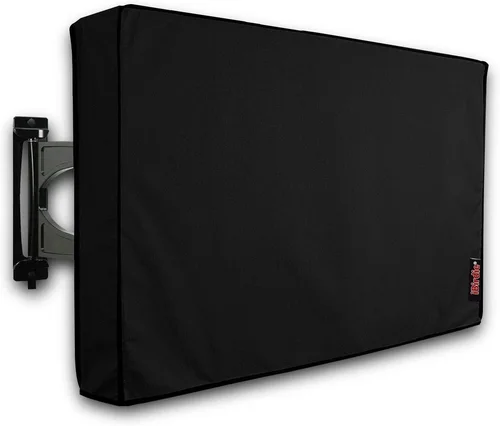
Expert Tips for Getting the Best Deal
– Buy during off-season sales: Outdoor TVs are in highest demand during spring and summer. Shop in late fall or winter for discounts of 15–30%. Retailers often clear inventory before the new season.
– Compare retailers: Check prices at specialty outdoor electronics stores, big-box retailers, and online marketplaces. Some brands offer direct-to-consumer pricing with free shipping and installation.
– Look for bundle deals: Many manufacturers offer packages that include mounts, cables, and outdoor speakers. These can save you 10–20% compared to buying separately.
– Check for rebates and incentives: Some utility companies offer rebates for energy-efficient outdoor electronics. Local coastal preservation programs may also provide incentives for weather-resistant home upgrades.
– Read the warranty carefully: A longer warranty doesn’t always mean better coverage. Ensure it includes environmental damage and offers on-site service. Avoid extended warranties with hidden fees.
– Test before you buy: If possible, visit a showroom to see the TV in bright lighting. Check for glare, color accuracy, and smart features. Some retailers offer demo units for in-home trials.
– Consider refurbished models: Certified refurbished outdoor TVs from reputable brands can offer significant savings with full warranty coverage. Ensure they’ve been inspected and tested for outdoor use.

Frequently Asked Questions
Q: Can I use a regular TV outdoors if it’s under a covered patio?
A: Technically yes, but it’s not recommended, especially in coastal areas. Even under cover, humidity, salt air, and temperature swings can damage internal components. For long-term reliability, use a purpose-built outdoor TV or a weatherproof enclosure rated for outdoor use.
Q: How do I protect my outdoor TV from salt corrosion?
A: Choose a TV with marine-grade materials, powder-coated finishes, and sealed components. Clean the exterior regularly with fresh water to remove salt residue. Consider installing a protective awning or using a TV cover during storms.
Q: Do outdoor TVs need special cables?
A: Yes. Use weatherproof HDMI and power cables with rubber gaskets. Standard indoor cables can degrade when exposed to moisture and UV light. Look for cables rated for outdoor use with UV-resistant jackets.
Q: Can I leave my outdoor TV on all the time?
A: Most outdoor TVs are designed for continuous use, but it’s best to turn them off when not in use to extend lifespan. Models with thermal management systems can handle longer run times, but regular rest periods are still advisable.
Q: What’s the difference between an outdoor TV and a weatherproof TV enclosure?
A: An outdoor TV is built from the ground up for outdoor use, with sealed components and corrosion-resistant materials. A weatherproof enclosure houses a standard TV inside a protective case. Enclosures are cheaper but may not offer the same performance or longevity.
Q: How often should I clean my outdoor TV?
A: Clean the screen and housing every 1–2 months, or more frequently in salty or dusty environments. Use a microfiber cloth and mild soap solution. Avoid abrasive cleaners or high-pressure water.
Q: Can I mount an outdoor TV on a brick or concrete wall?
A: Yes, but use appropriate anchors and corrosion-resistant hardware. For concrete, use sleeve anchors or chemical adhesives. For brick, ensure the mortar is solid and use expansion anchors rated for outdoor use.
Q: Do outdoor TVs work with streaming devices like Roku or Apple TV?
A: Most do, but it’s better to use the TV’s built-in smart platform for reliability. External devices add more cables and potential failure points. If needed, choose weatherproof streaming boxes designed for outdoor use.
Q: What happens if my outdoor TV gets wet?
A: If it’s properly rated (IP55 or higher), it should be protected against water jets. However, prolonged submersion or flooding can still cause damage. Turn off the TV immediately, dry it thoroughly, and contact the manufacturer if issues arise.
Our Final Recommendations
– Best for Budget-Conscious Buyers: SunBriteTV Veranda 55-inch – Offers excellent weather resistance, 700 nits brightness, and smart features at a mid-range price. Ideal for covered patios in coastal areas.
– Best Overall Value: LG 65-inch Outdoor UHD TV – Combines high brightness (1,500 nits), IP65 rating, and webOS smart platform. Great for uncovered decks with strong performance and reliability.
– Best Premium Option: Peerless-AV Xtreme 75-inch – Marine-grade aluminum, IP66 rating, and 2,000 nits brightness. Built for extreme coastal conditions with commercial-grade durability.
– Best for Beginners: Seura Shade 50-inch Portable – Easy to move, weather-resistant, and includes a built-in stand. Perfect for those new to outdoor TVs who want flexibility.
– Best for Advanced Users: Samsung The Terrace 75-inch Full Sun – Designed for full sun exposure with 2,500 nits brightness, anti-glare screen, and advanced thermal management. Ideal for tech-savvy users with high-exposure outdoor spaces.
Conclusion: Making the Right Choice
Choosing the right outdoor TV for a coastal home is about more than just picture quality—it’s about resilience, reliability, and long-term enjoyment. The unique challenges of salt air, humidity, and intense sunlight demand a purpose-built solution that can withstand the elements while delivering a premium viewing experience. By prioritizing weather resistance, screen brightness, build quality, and smart features, you can find a TV that not only survives but thrives in your coastal environment.
Remember, the cheapest option isn’t always the best value. Investing in a high-quality outdoor TV from a reputable brand ensures years of entertainment without constant repairs or replacements. Take the time to assess your space, consider your viewing habits, and choose a model that matches your lifestyle and budget.
With the insights from this guide, you’re now equipped to make a confident, informed decision. Whether you’re upgrading your patio for summer gatherings or creating a year-round outdoor entertainment hub, the right outdoor TV will transform your coastal home into a true oasis. Don’t settle for less—your outdoor living space deserves the best.

