
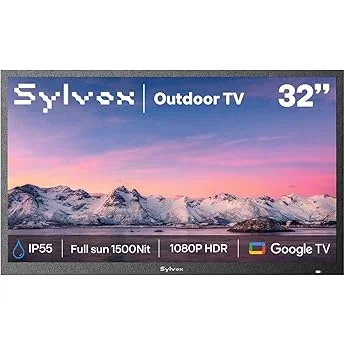
Outdoor living spaces have evolved dramatically over the past decade. What was once just a place for potted plants and a bistro table has transformed into fully functional extensions of our homes—complete with outdoor kitchens, fire pits, and yes, even televisions. Whether you’re sipping coffee on your morning balcony or hosting a summer movie night on the patio, an outdoor TV can elevate your experience from ordinary to extraordinary. But unlike indoor TVs, outdoor models face unique challenges: direct sunlight, temperature swings, humidity, dust, and even curious critters. That’s why choosing the right outdoor TV isn’t just about picture quality—it’s about durability, visibility, and long-term reliability.
This comprehensive buying guide is designed to help you navigate the often-confusing world of outdoor televisions with confidence. We’ll walk you through every critical factor—from display technology and weather resistance to smart features and mounting options—so you can make an informed decision that fits your space, lifestyle, and budget. Whether you’re outfitting a small urban balcony or a sprawling backyard entertainment zone, we’ve got you covered. By the end of this guide, you’ll know exactly what to look for, what to avoid, and how to get the best value for your investment.
The outdoor TV market has matured significantly in recent years. Once dominated by bulky, expensive all-weather enclosures, today’s options include fully integrated outdoor models from trusted brands like Samsung, LG, Sony, and specialized manufacturers such as SunBriteTV and Seura. These sets are engineered from the ground up for outdoor use, with features like anti-glare screens, sealed components, and passive cooling systems. At the same time, more consumers are exploring DIY solutions using indoor TVs in weatherproof enclosures—a viable but riskier alternative. With so many choices, understanding the nuances between them is essential. Let’s dive in.

What to Look for When Buying Buying Guide
1. Weather Resistance & IP Rating
Weather resistance is the single most important factor when selecting an outdoor TV. Unlike their indoor counterparts, outdoor TVs must withstand rain, snow, dust, extreme heat, and freezing temperatures—sometimes all in the same week. Look for models with a high Ingress Protection (IP) rating, which indicates how well the TV resists solid particles (like dust) and liquids (like rain). For outdoor use, an IP55 rating is the minimum acceptable standard, meaning the TV is protected against low-pressure water jets from any direction and limited dust ingress. However, for full exposure or harsh climates, aim for IP65 or higher—this ensures complete dust protection and resistance to water projected from a nozzle.
Beyond the IP rating, consider the TV’s operating temperature range. Most quality outdoor TVs can function reliably between -22°F and 122°F (-30°C to 50°C), but always check the manufacturer’s specifications. Also, note whether the TV uses passive or active cooling. Passive cooling (no fans) is quieter and less prone to failure, while active cooling may be necessary for very hot environments but adds moving parts that could wear out over time.
2. Display Brightness & Anti-Glare Technology
One of the biggest challenges of watching TV outdoors is screen glare from sunlight. An indoor TV typically peaks at around 300–500 nits of brightness—fine for a dim living room but nearly invisible in direct daylight. Outdoor TVs, by contrast, need significantly higher brightness levels to remain viewable. Look for models with at least 700 nits, but ideally 1,000 nits or more for bright patios or south-facing balconies. Some premium models now offer 2,000+ nits, rivaling professional digital signage.
In addition to raw brightness, anti-glare coatings and optically bonded screens are crucial. Optically bonded displays eliminate the air gap between the glass and the LCD panel, reducing internal reflections and improving contrast in bright conditions. This technology also enhances color accuracy and viewing angles. Avoid TVs with standard glossy finishes—they’ll turn into mirrors on sunny days. Instead, opt for matte or anti-reflective finishes designed specifically for outdoor visibility.
3. Build Quality & Durability
Outdoor TVs aren’t just about surviving the elements—they’re built to last decades, not just a few seasons. High-quality outdoor models use marine-grade aluminum chassis, stainless steel hardware, and sealed cable ports to prevent corrosion. Internal components are often conformal-coated to resist moisture and oxidation. Compare this to indoor TVs, which use plastic casings and standard screws that can rust or degrade quickly when exposed to humidity.
Pay attention to the back panel design. A fully sealed rear compartment with grommeted cable entries prevents water from seeping into sensitive electronics. Also, check if the TV includes a built-in heater for cold climates—this helps prevent condensation and ensures reliable startup in freezing temperatures. Durability also extends to the remote control: many outdoor TVs come with weather-resistant remotes or support smartphone apps to reduce wear on physical buttons.
4. Smart Features & Connectivity
Just because your TV is outdoors doesn’t mean it should lack modern conveniences. Most outdoor TVs today come with built-in smart platforms like Android TV, webOS (LG), or Tizen (Samsung), giving you access to streaming services like Netflix, YouTube, and Disney+. This eliminates the need for external streaming devices, reducing cable clutter and potential failure points.
Connectivity is equally important. Look for multiple HDMI ports (at least two, preferably three), USB inputs, and support for Wi-Fi 6 or Ethernet for stable streaming. Some models include Bluetooth for wireless audio to outdoor speakers. If you plan to connect gaming consoles, soundbars, or cable boxes, ensure the TV has enough ports and supports HDMI 2.1 for 4K/120Hz gaming. Also, consider whether the TV supports voice assistants like Alexa or Google Assistant—useful for hands-free control while grilling or relaxing.
5. Size & Viewing Distance
Choosing the right screen size depends on your available space and typical viewing distance. For a small balcony (6–8 feet from seating), a 43- to 50-inch TV is usually sufficient. On larger patios or decks where viewers sit 10–15 feet away, consider 55 to 65 inches. Going too large can overwhelm a compact space, while too small may strain eyesight in bright conditions.
Use the “1.5 to 2.5 times rule” as a guideline: multiply your viewing distance (in inches) by 1.5 to 2.5 to find the ideal screen diagonal. For example, at 120 inches (10 feet), a 60- to 75-inch TV would be appropriate. Also, consider the TV’s bezel width—slim bezels create a more immersive experience and take up less wall space. Finally, ensure your mounting surface can support the TV’s weight, especially for larger models (65+ inches can weigh 50+ pounds).
6. Audio Performance
Built-in speakers on outdoor TVs are often underpowered due to space and weatherproofing constraints. While they may suffice for casual listening, they rarely deliver the rich, room-filling sound needed for outdoor entertainment. Most outdoor TVs output between 10W and 20W total power—adequate for dialogue but lacking in bass and volume.
For better audio, plan to pair your TV with external outdoor speakers. Many models include optical audio outputs or Bluetooth for wireless connectivity. Consider weather-resistant soundbars or rock-shaped speakers that blend into your landscape. If you’re mounting the TV high on a wall, ensure the audio output is directed toward seating areas—sound dissipates quickly in open spaces. Some premium outdoor TVs now include enhanced audio processing or upward-firing drivers to improve spatial sound, but don’t rely solely on built-in speakers for a great experience.
7. Installation & Mounting Options
Proper installation is critical for both performance and safety. Outdoor TVs require robust mounting solutions that can handle wind loads, especially on balconies or elevated decks. Look for VESA-compatible mounts (most outdoor TVs support standard patterns like 200×200 or 400×400) and choose a full-motion, tilt, or fixed mount based on your needs.
Fixed mounts are simplest and most secure but offer no adjustability. Tilt mounts allow you to angle the screen downward for better viewing from seated positions. Full-motion articulating arms provide maximum flexibility but require stronger wall anchors. Always use stainless steel lag bolts and consult a professional if mounting on concrete, brick, or uneven surfaces. Also, route cables through sealed conduits or use in-wall rated cables to maintain the TV’s weatherproof integrity.
8. Brand Reputation & Warranty
Not all outdoor TVs are created equal—even among brands that make both indoor and outdoor models. Specialized manufacturers like SunBriteTV (now part of SnapAV) and Seura have decades of experience engineering TVs for harsh environments. Mainstream brands like Samsung and LG offer “outdoor-ready” versions of their indoor models, often with added brightness and basic weather resistance, but these may not match the durability of purpose-built units.
Warranty coverage is a strong indicator of confidence in product longevity. Top-tier outdoor TVs typically come with 2- to 3-year warranties that cover both parts and labor, including on-site service in some cases. Avoid brands offering only 1-year warranties or those that exclude weather-related damage. Read the fine print: some warranties void coverage if the TV is installed in full sun without adequate shelter. Customer support responsiveness also matters—look for brands with dedicated outdoor product teams and accessible technical assistance.
Different Types of Buying Guide

Common Buying Mistakes to Avoid
❌ Mistake: Using a Standard Indoor TV Outdoors
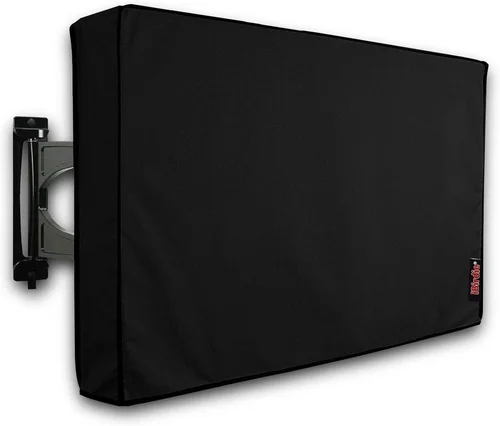
Why it’s bad: Indoor TVs lack weatherproofing, have low brightness, and use materials that corrode or warp when exposed to moisture and temperature changes. Even under a covered patio, condensation can form inside the panel, leading to permanent damage. Most manufacturers void warranties if used outdoors.
What to do instead: Invest in a TV specifically designed for outdoor use or use a certified weatherproof enclosure if you must repurpose an indoor model. Always check the IP rating and operating temperature range.
❌ Mistake: Ignoring Sunlight Exposure
Why it’s bad: A TV with insufficient brightness will appear washed out or completely invisible in direct sunlight, defeating the purpose of having an outdoor screen. Glare can also cause eye strain and reduce enjoyment.
What to do instead: Measure the light levels in your space at different times of day. Choose a TV with at least 1,000 nits for full sun exposure, and consider installing a retractable awning or pergola to reduce direct light during peak hours.
❌ Mistake: Overlooking Audio Needs
Why it’s bad: Built-in speakers on outdoor TVs are often quiet and lack depth, making it hard to hear dialogue or music over ambient noise like traffic or wind.
What to do instead: Plan your audio setup from day one. Pair your TV with weather-resistant outdoor speakers or a soundbar. Wireless options reduce cable clutter and simplify installation.
❌ Mistake: Choosing the Wrong Mount
Why it’s bad: A weak or improperly installed mount can fail in high winds, causing the TV to fall and potentially injure someone or damage property. Cheap mounts may also lack the range of motion needed for comfortable viewing.
What to do instead: Use a heavy-duty, VESA-compatible outdoor mount rated for your TV’s size and weight. Have it installed by a professional if you’re unsure about wall integrity or anchoring methods.
❌ Mistake: Neglecting Cable Management
Why it’s bad: Exposed cables are vulnerable to weather damage, pests, and tripping hazards. Water can seep into unsealed connections, causing short circuits or signal loss.
What to do instead: Use in-wall rated cables and conduit systems designed for outdoor use. Seal all entry points with silicone or rubber grommets. Consider wireless streaming to minimize wired connections.
❌ Mistake: Skipping the Warranty Check
Why it’s bad: Outdoor TVs are expensive investments. A limited or voided warranty leaves you unprotected against manufacturing defects or weather-related failures.
What to do instead: Read the warranty terms carefully before purchasing. Ensure it covers outdoor use, includes on-site service if possible, and lasts at least two years. Register your product promptly after installation.
❌ Mistake: Buying Based on Price Alone
Why it’s bad: The cheapest option often cuts corners on brightness, build quality, or weather resistance, leading to premature failure and higher long-term costs.
What to do instead: Balance budget with essential features. A mid-range outdoor-ready TV with good brightness and basic weatherproofing may offer better value than a bargain basement model that needs replacing in two years.
Budget Guidelines: How Much Should You Spend?
Outdoor TVs represent a significant investment, but pricing varies widely based on technology, size, and build quality. Here’s a realistic breakdown to help you plan:
Entry-Level ($600 – $1,500): This tier includes portable outdoor TVs and basic indoor models in weatherproof enclosures. Expect smaller screens (32–43 inches), lower brightness (500–700 nits), and limited smart features. Best for covered balconies in mild climates or temporary use. Brands like Element and RCA offer budget-friendly options, but durability may be a concern.
Mid-Range ($1,500 – $3,500): The sweet spot for most homeowners. These are typically outdoor-ready indoor TVs from reputable brands (e.g., Samsung’s “The Terrace” series) or smaller fully integrated models. You’ll get 50–65 inch screens, 1,000+ nits brightness, decent weather resistance (IP55), and full smart functionality. Ideal for covered patios and three-season use.
Premium ($3,500 – $6,000): For enthusiasts and those in harsh climates. Fully integrated outdoor TVs from SunBriteTV, Seura, or LG’s Pro series dominate this space. Features include 2,000+ nits brightness, IP65+ ratings, passive cooling, and extended temperature ranges. These sets are built to last 10+ years with minimal maintenance.
Luxury ($6,000+): Top-tier commercial-grade displays or custom installations. Think 75–85 inch screens with 4K HDR, 24/7 operation capability, and advanced remote management. Often used in luxury homes, hotels, or outdoor theaters. Prices can exceed $10,000 with professional installation and audio integration.
Expert Tips for Getting the Best Deal
- Shop during off-seasons: Outdoor TVs see peak demand in spring and summer. Look for discounts in late fall or winter—many retailers clear inventory before new models arrive.
- Compare bundled packages: Some dealers offer TV + mount + soundbar bundles at a discount. These can save 10–20% versus buying separately.
- Check manufacturer rebates: Brands like Samsung and LG occasionally run rebate programs for outdoor models, especially during holiday sales.
- Buy from authorized dealers: This ensures full warranty coverage and access to genuine parts. Avoid third-party sellers on marketplaces unless verified.
- Negotiate installation: Many retailers include free or discounted installation with purchase—especially for higher-end models. Ask!
- Consider refurbished units: Certified refurbished outdoor TVs from the manufacturer can offer 20–30% savings with full warranty coverage.
- Read return policies carefully: Outdoor TVs are bulky and expensive to return. Ensure the retailer offers at least a 30-day return window and covers return shipping.
- Test brightness in person if possible: If shopping in-store, ask to see the TV in a bright area. Online reviews often mention visibility—pay attention to comments about glare and daylight performance.

Frequently Asked Questions
Q: Can I use a regular TV on my covered patio?
A: Technically yes, but it’s not recommended for long-term use. Covered patios still experience humidity, temperature swings, and occasional moisture. Without proper weatherproofing, an indoor TV may fail prematurely. If you must, use a high-quality outdoor enclosure and ensure adequate ventilation.
Q: Do outdoor TVs need to be plugged in all the time?
A: Yes, most outdoor TVs require constant power to maintain internal heaters (in cold climates) and prevent condensation. Unlike indoor TVs, they’re designed for continuous operation. Use a weatherproof outlet with a GFCI breaker for safety.
Q: How do I clean my outdoor TV screen?
A: Use a microfiber cloth and distilled water only. Avoid ammonia-based cleaners or paper towels, which can scratch the anti-glare coating. For stubborn spots, lightly dampen the cloth—never spray liquid directly on the screen.
Q: Will an outdoor TV work in the rain?
A: Only if it has an IP65 or higher rating and is installed correctly. Rain alone won’t damage a properly rated TV, but wind-driven rain or flooding can. Always provide overhead protection.
Q: Can I leave my outdoor TV on during a storm?
A: It’s safer to turn it off during severe storms due to power surges. Use a surge protector rated for outdoor use. Lightning strikes can damage electronics even through walls.
Q: Do outdoor TVs support 4K and HDR?
A: Absolutely. Most modern outdoor TVs offer 4K resolution and HDR10/Dolby Vision support. Just ensure your content source (streaming device, cable box) also supports these formats.
Q: How long do outdoor TVs last?
A: With proper care, a quality outdoor TV can last 8–12 years or more. Fully integrated models typically outlast outdoor-ready indoor TVs due to superior build quality and components.
Q: Can I mount an outdoor TV on a brick wall?
A: Yes, but use masonry anchors and stainless steel lag bolts. Consult a professional if you’re unsure. Avoid drilling into mortar joints—target the bricks themselves for maximum hold.
Q: Are outdoor TVs energy efficient?
A: Generally, yes. Many use LED backlighting and low-power modes. However, higher brightness increases energy use. Look for ENERGY STAR certification if efficiency is a priority.
Q: What’s the difference between “outdoor-ready” and “fully outdoor” TVs?
A: “Outdoor-ready” models are modified indoor TVs with added brightness and basic weather resistance—best for covered areas. “Fully outdoor” TVs are built from the ground up with sealed components, enhanced durability, and full environmental protection—ideal for exposed locations.
Our Final Recommendations
Best for Budget-Conscious Buyers: Samsung The Terrace Partial Sun 55″ – At around $2,200, this outdoor-ready model offers 1,500 nits brightness, IP55 rating, and full smart features. Perfect for covered patios in moderate climates.
Best Overall Value: SunBriteTV Veranda Series 65″ – Priced near $3,800, this fully integrated TV delivers 2,000 nits, IP65 rating, and a 3-year warranty. Excellent balance of performance, durability, and price.
Best Premium Option: Seura Shade 75″ 4K Outdoor TV – With 2,500 nits brightness, ultra-slim design, and whisper-quiet operation, this $5,500+ model is ideal for luxury outdoor theaters and full-sun environments.
Best for Beginners: LG 50″ Outdoor-Ready TV (OLED EX) – Combines stunning picture quality with 1,000 nits brightness and webOS smart platform. Great for those new to outdoor entertainment who want familiar tech.
Best for Advanced Users: Sony X95L 75″ BRAVIA XR with Outdoor Enclosure Kit – For tech enthusiasts who want top-tier indoor performance protected by a custom weatherproof enclosure. Offers best-in-class color accuracy and processing.
Conclusion: Making the Right Choice
Choosing the right outdoor TV for your balcony or patio is about more than just picking the biggest screen or the flashiest features. It’s about understanding your environment, prioritizing durability, and aligning your investment with how you actually live outdoors. Whether you’re watching the sunrise with your morning coffee or hosting a backyard film festival under the stars, the right TV can transform your space into a true extension of your home.
Remember: weather resistance, brightness, and build quality are non-negotiable. Don’t compromise on these core elements just to save a few hundred dollars. At the same time, you don’t need to break the bank—there are excellent mid-range options that deliver outstanding performance without luxury pricing. Take the time to assess your space, read real user reviews, and consult with professionals if needed.
Your outdoor oasis deserves the best. With the insights from this guide, you’re now equipped to make a confident, informed decision that will bring years of enjoyment. So go ahead—press play on your next great outdoor adventure.

