
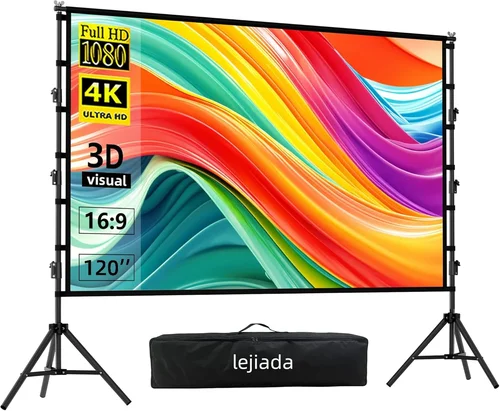
Outdoor movie nights have evolved from simple backyard projections to full-fledged cinematic experiences—and at the heart of this transformation is the outdoor TV. Whether you’re hosting a family movie night under the stars, screening a big game for friends, or simply unwinding with your favorite show in the fresh air, investing in a purpose-built outdoor TV can elevate your entertainment setup to new heights. But with so many options flooding the market, choosing the right one can feel overwhelming. That’s exactly why this comprehensive buying guide exists.
In this detailed guide, we’ll walk you through everything you need to know before purchasing an outdoor TV in 2026. From understanding key performance specs and weather resistance ratings to comparing different types of outdoor displays and avoiding common pitfalls, we’ve got you covered. You’ll learn how to balance budget, durability, picture quality, and smart features to find the perfect model for your backyard oasis. Whether you’re a first-time buyer or upgrading from an older model, this guide will equip you with expert-level insights to make a confident, informed decision.
The outdoor TV market has matured significantly over the past few years. What once consisted mostly of ruggedized indoor TVs or bulky projection setups now includes sleek, weatherproof models designed specifically for year-round outdoor use. Brands like SunBriteTV, Samsung, LG, and Seura have pushed the envelope with innovations in brightness, anti-glare coatings, thermal management, and even integrated sound systems. With prices ranging from under $1,000 to well over $5,000, there’s an option for nearly every budget and use case—but not all outdoor TVs are created equal. This guide cuts through the marketing noise to help you identify what truly matters when selecting a TV built to thrive in the elements.

What to Look for When Buying Buying Guide
1. Weather Resistance & IP Rating
One of the most critical factors when choosing an outdoor TV is its ability to withstand the elements. Unlike indoor TVs, outdoor models must endure rain, snow, humidity, dust, and extreme temperatures—sometimes all in the same week. Look for TVs with a certified Ingress Protection (IP) rating, which indicates how well the device resists solids (like dust) and liquids (like rain). For outdoor use, an IP55 or higher rating is ideal. IP55 means the TV is protected against low-pressure water jets from any direction and limited dust ingress. Some premium models boast IP65 or even IP66 ratings, offering near-total protection against dust and powerful water jets.
Beyond the IP rating, consider the TV’s operating temperature range. Most quality outdoor TVs can function between -22°F and 122°F (-30°C to 50°C), making them suitable for most climates. Avoid models that only list “storage” temperature ranges—those don’t guarantee performance during active use. Also, check if the TV includes a built-in heater or cooling fan, which helps regulate internal temperature in extreme conditions. These features prevent condensation, overheating, or freezing, ensuring consistent performance year-round.
2. Brightness & Anti-Glare Technology
Outdoor lighting conditions are vastly different from indoor environments. Sunlight, reflections off surfaces, and ambient light from nearby fixtures can wash out even the brightest indoor TVs. That’s why outdoor TVs must deliver significantly higher brightness levels—measured in nits—to maintain visibility. For shaded or covered patios, a minimum of 700 nits is acceptable, but for full sun exposure, aim for 1,000 nits or more. Premium outdoor models often reach 2,000+ nits, rivaling commercial-grade displays.
Equally important is anti-glare technology. Look for TVs with optically bonded glass or matte-finish screens that diffuse reflections rather than reflecting them directly into viewers’ eyes. Some manufacturers use proprietary coatings like SunBrite’s Direct View LED technology or Seura’s Ultra-Bright panels, which combine high luminance with reduced glare. Avoid glossy screens unless you’re certain the TV will be installed in a fully shaded area. A bright, glare-free image ensures everyone—from kids to grandparents—can enjoy the show without squinting or adjusting seating positions.
3. Build Quality & Durability
An outdoor TV isn’t just about surviving rain—it’s about enduring years of exposure without degrading. High-quality outdoor TVs feature all-metal chassis, powder-coated finishes, and sealed components to prevent corrosion. The mounting hardware should also be marine-grade stainless steel or aluminum to resist rust. Pay attention to the back panel and ventilation design: poorly sealed ports or gaps can allow moisture and insects to enter, leading to premature failure.
Durability also extends to the screen itself. Tempered glass is standard on most outdoor models, offering scratch resistance and added safety. Some brands include protective films or removable covers for off-season storage. If you live in an area prone to hail, strong winds, or curious wildlife, consider a model with reinforced framing or optional security brackets. Remember, an outdoor TV is a long-term investment—don’t skimp on build quality to save a few hundred dollars upfront.
4. Display Technology: LED vs. OLED vs. QLED
The type of display panel significantly impacts picture quality, especially in bright environments. Most outdoor TVs use LED-backlit LCD panels because they offer high brightness, energy efficiency, and affordability. However, newer models are incorporating QLED (Quantum Dot LED) technology, which enhances color accuracy, contrast, and brightness—ideal for vibrant daytime viewing.
OLED TVs, while stunning indoors, are generally not recommended for outdoor use. Their organic compounds degrade faster under UV exposure, and they struggle to achieve the high brightness needed for daylight visibility. Additionally, OLEDs are more susceptible to burn-in from static content like news tickers or sports scores—a common sight during outdoor events. Stick with LED or QLED for outdoor applications unless you’re using the TV exclusively in a covered, dimly lit space.
Resolution is another key consideration. While 4K UHD is now standard across most outdoor TVs, ensure the model supports HDR (High Dynamic Range) for better contrast and color depth. Dolby Vision and HDR10+ are preferable, but even basic HDR10 can make a noticeable difference in outdoor scenes with mixed lighting.
5. Smart Features & Connectivity
Modern outdoor TVs aren’t just dumb screens—they come packed with smart capabilities that enhance usability. Look for models running established platforms like Android TV, webOS (LG), or Tizen (Samsung), which offer access to streaming apps like Netflix, Disney+, YouTube, and Prime Video. Built-in Wi-Fi and Bluetooth are essential for wireless streaming and connecting soundbars or headphones.
Connectivity options matter too. Ensure the TV has multiple HDMI ports (preferably HDMI 2.1 for future-proofing), USB inputs, and audio outputs. Some models include weatherproof input covers to protect ports when not in use. If you plan to connect a gaming console, sound system, or external media player, verify compatibility and port availability. Also, check if the TV supports voice assistants like Google Assistant or Alexa for hands-free control—especially useful when you’re lounging poolside with snacks in hand.
6. Audio Performance & Sound Solutions
While picture quality grabs headlines, audio is equally important for an immersive outdoor experience. Most outdoor TVs include built-in speakers, but they’re often underpowered due to space and weatherproofing constraints. Expect modest volume and limited bass—fine for casual viewing but inadequate for parties or action-packed films.
For better sound, plan to pair your TV with external speakers. Many outdoor TVs support optical audio output or Bluetooth pairing for wireless soundbars. Consider weather-resistant speakers designed for patios or decks, such as those from Polk, Bose, or Sonos. Alternatively, some premium outdoor TVs (like certain SunBrite models) feature enhanced internal speakers with dedicated woofers and tweeters, delivering surprisingly robust audio without extra gear.
If you’re mounting the TV high on a wall or under an eave, ensure the speaker orientation directs sound toward the seating area. Sound dissipates quickly outdoors, so placement and power matter more than indoors.
7. Size & Viewing Distance
Choosing the right screen size depends on your seating arrangement and viewing distance. As a general rule, sit at a distance equal to 1.5 to 2.5 times the screen’s diagonal measurement for optimal comfort. For example, a 55-inch TV is best viewed from 6.5 to 11 feet away. In larger backyards or open-air theaters, consider 65-inch or 75-inch models to ensure everyone gets a clear view.
Don’t forget about installation height. Outdoor TVs are often mounted higher than indoor ones to avoid obstructions and improve sightlines. Most manufacturers provide recommended mounting heights based on screen size. Also, consider whether you want a fixed mount, tilt mount, or full-motion articulating arm—especially if you’ll be viewing from multiple angles (e.g., poolside and patio).
Portability is another factor if you plan to move the TV between locations (e.g., from the deck to the garage for winter storage). Some models come with optional rolling stands or lightweight designs, though true outdoor TVs are generally heavier than indoor counterparts due to their rugged construction.
8. Brand Reputation & Warranty
Not all outdoor TV brands are equal. Established names like SunBriteTV (a subsidiary of SnapAV), Seura, and Samsung have proven track records in outdoor display technology. These companies invest heavily in R&D, testing their products in real-world conditions like desert heat, coastal salt air, and mountain snow. Lesser-known brands may offer lower prices, but they often cut corners on materials, brightness, or support.
Warranty coverage is crucial. Look for at least a 2-year comprehensive warranty that includes parts, labor, and on-site service if possible. Some premium brands offer 3- to 5-year warranties, reflecting confidence in their product’s longevity. Avoid extended warranties sold by third-party retailers—they’re often overpriced and exclude common outdoor issues like moisture damage. Always register your purchase and keep documentation handy.
Customer support matters too. Can you easily reach a technician if something goes wrong? Do they offer remote diagnostics or local service partners? Reading user reviews on forums like AVS Forum or Reddit can reveal insights into real-world reliability and post-purchase support.
Different Types of Outdoor TVs
Common Buying Mistakes to Avoid
❌ Mistake: Buying a Regular Indoor TV for Outdoor Use
Why it’s bad: Indoor TVs lack weatherproofing, have lower brightness, and aren’t designed to handle temperature swings. Even if you cover them or use them seasonally, moisture, UV exposure, and dust will degrade components over time, leading to early failure.
What to do instead: Invest in a TV specifically engineered for outdoor conditions. If budget is tight, choose a partial-shade model or a convertible TV—but never assume an indoor TV will suffice.
❌ Mistake: Ignoring Brightness Requirements
Why it’s bad: A dim screen turns your backyard cinema into a blurry, unwatchable mess on sunny days. Many buyers regret choosing a TV with only 500–600 nits, thinking “it’ll be fine at night”—but daytime viewing is often the goal.
What to do instead: Match brightness to your environment: 700+ nits for shade, 1,000+ for partial sun, and 2,000+ for full sun. Check reviews that mention real-world brightness performance.
❌ Mistake: Overlooking Audio Needs
Why it’s bad: Relying solely on built-in speakers results in tinny, quiet audio that ruins immersion—especially with wind or pool noise. You’ll end up buying external speakers anyway, doubling your cost.
What to do instead: Factor audio into your budget from day one. Choose a TV with good audio outputs and pair it with weather-resistant speakers or a soundbar designed for outdoor use.
❌ Mistake: Skimping on Mounting Hardware
Why it’s bad: Using indoor mounts or cheap brackets outdoors invites disaster. Rust, corrosion, or inadequate weight capacity can cause the TV to fall, damaging property or injuring someone.
What to do instead: Use manufacturer-recommended outdoor mounts made of stainless steel or aluminum. Ensure the mount is rated for your TV’s size and weight, and consider professional installation for peace of mind.
❌ Mistake: Not Planning for Power & Cables
Why it’s bad: Running extension cords across the yard creates tripping hazards and exposes electronics to moisture. Poor cable management also looks messy and reduces safety.
What to do instead: Hire an electrician to install a dedicated outdoor outlet near the mounting location. Use in-wall rated cables and weatherproof conduits for a clean, safe setup.
❌ Mistake: Forgetting About Seasonal Storage
Why it’s bad: Leaving your TV exposed during harsh winters or hurricane seasons can shorten its lifespan—even if it’s “weatherproof.” Salt air, ice, and debris take a toll over time.
What to do instead: Choose a model with a protective cover or plan to store it indoors during off-seasons. Some buyers install TV lifts or enclosures that retract the screen when not in use.
❌ Mistake: Choosing Based on Price Alone
Why it’s bad: The cheapest outdoor TV often lacks critical features like adequate brightness, proper sealing, or reliable support. You’ll likely replace it sooner, costing more in the long run.
What to do instead: Focus on value, not just price. A mid-range TV with strong reviews and a solid warranty often outperforms a budget model that cuts corners.
Budget Guidelines: How Much Should You Spend?
Entry-Level ($800 – $1,500): These are typically indoor/outdoor convertible TVs or basic partial-shade models. Expect 4K resolution, 700–900 nits brightness, and limited smart features. Best for covered patios in mild climates or seasonal use. Brands like TCL and Hisense offer decent options here, but verify outdoor suitability before buying.
Mid-Range ($1,500 – $3,500): This is the sweet spot for most homeowners. You’ll find purpose-built outdoor TVs with IP55 ratings, 1,000+ nits brightness, QLED panels, and robust smart platforms. Models from SunBriteTV’s Veranda series or Samsung’s The Terrace fall here. Ideal for shaded decks, pergolas, and three-season use.
Premium ($3,500 – $6,000): Designed for full sun and year-round exposure, these TVs feature IP65+ ratings, 2,000+ nits brightness, advanced thermal management, and premium audio. Perfect for open backyards, pool areas, or coastal homes. Expect top-tier brands like Seura and SunBriteTV’s Pro series.
Luxury ($6,000+): Reserved for enthusiasts, commercial applications, or luxury homes. These include commercial-grade displays with 3,000+ nits, 24/7 operation capability, custom enclosures, and integrated control systems. Often used in resorts, sports bars, or high-end residential installations.
Expert Tips for Getting the Best Deal
- Shop during off-seasons: Prices drop in late fall and winter when demand is lowest. Many retailers clear inventory before spring.
- Compare authorized dealers: Avoid third-party sellers on Amazon or eBay. Buy directly from brand websites or certified dealers to ensure warranty validity.
- Look for bundle deals: Some brands offer discounts when you buy a TV + mount + speakers together. SunBriteTV often runs seasonal promotions.
- Check for trade-in programs: A few manufacturers accept old TVs for credit, though this is rare for outdoor models.
- Read professional reviews: Sites like CNET, RTINGS.com, and AVS Forum provide in-depth testing on brightness, color accuracy, and durability.
- Negotiate installation: Some dealers include free or discounted installation with purchase—especially for premium models.
- Verify return policies: Ensure you can return the TV if it doesn’t perform as expected outdoors. Some retailers offer 30-day outdoor trial periods.
- Consider refurbished units: Certified refurbished outdoor TVs from reputable sellers can save 20–30% with full warranty coverage.

Frequently Asked Questions
Q: Can I use my regular indoor TV outside if I cover it?
A: Technically yes, but it’s not recommended. Indoor TVs lack proper sealing, UV protection, and thermal regulation. Even with a cover, condensation, heat buildup, and dust will eventually damage internal components. For reliable, long-term outdoor use, invest in a purpose-built outdoor TV.
Q: Do outdoor TVs need special power outlets?
A: Not necessarily, but a dedicated GFCI (Ground Fault Circuit Interrupter) outlet is strongly advised for safety. It protects against electrical shocks in wet conditions. Consult a licensed electrician to ensure your setup meets local codes.
Q: How do I clean my outdoor TV screen?
A: Use a microfiber cloth and mild soap solution. Avoid ammonia-based cleaners or abrasive materials. Never spray liquid directly on the screen—apply it to the cloth first. For stubborn grime, some manufacturers recommend isopropyl alcohol diluted with water.
Q: Will an outdoor TV work in freezing temperatures?
A: Yes, if it’s rated for cold climates. Most quality outdoor TVs operate down to -22°F (-30°C). Built-in heaters prevent screen fogging and component damage. Avoid turning on the TV immediately after bringing it in from extreme cold—let it acclimate first.
Q: Can I stream Netflix on an outdoor TV?
A: Absolutely! Most modern outdoor TVs run full smart platforms with access to all major streaming apps. Just ensure you have a strong Wi-Fi signal or consider a mesh network extender for your backyard.
Q: Are outdoor TVs energy efficient?
A: Generally yes. LED and QLED outdoor TVs are designed for efficiency, though higher brightness does consume more power. Look for ENERGY STAR certification if energy use is a concern.
Q: What’s the difference between partial-shade and all-weather TVs?
A: Partial-shade models are designed for covered areas with minimal direct sun or rain exposure. They’re less expensive but may struggle in bright conditions. All-weather TVs are fully sealed, brighter, and built for open-air environments with full sun and precipitation.
Q: How long do outdoor TVs last?
A: With proper care, a quality outdoor TV can last 7–10 years or more. Factors like climate, usage frequency, and maintenance affect longevity. Premium brands often outlast budget models due to superior materials and engineering.
Q: Can I mount an outdoor TV on a brick or stucco wall?
A: Yes, but use appropriate anchors and consult a professional if you’re unsure. Brick requires masonry anchors, while stucco needs special care to avoid cracking. Always follow the mount manufacturer’s guidelines.
Q: Do I need a TV antenna for local channels?
A: Only if you want over-the-air broadcasts. Most outdoor TVs support ATSC 3.0 tuners for free HD channels. Alternatively, use streaming services or cable/satellite boxes connected via HDMI.
Our Final Recommendations
Best for Budget-Conscious Buyers: SunBriteTV Veranda Series (55″) – At around $1,800, it offers excellent value with 1,000 nits brightness, IP55 rating, and Android TV. Ideal for covered patios and mild climates.
Best Overall Value: Samsung The Terrace (65″) – Priced near $3,200, this QLED outdoor TV delivers stunning color, 2,000 nits brightness, and seamless smart integration. Perfect for mixed lighting conditions.
Best Premium Option: Seura Ultra Bright (75″) – With 2,500 nits, IP65 rating, and cinema-grade audio, this $5,500 model is built for luxury outdoor theaters and full-sun environments.
Best for Beginners: LG Outdoor TV (50″, Partial-Shade) – User-friendly webOS interface, 800 nits brightness, and straightforward setup make this a great entry point at ~$1,500.
Best for Advanced Users: SunBriteTV Pro Series (75″, All-Weather) – Designed for pros and tech enthusiasts, this $6,200 beast features modular design, 3,000 nits brightness, and customizable mounting—ideal for complex installations.
Conclusion: Making the Right Choice
Choosing the right outdoor TV for your backyard movie nights isn’t just about picking the biggest or brightest screen—it’s about matching the TV’s capabilities to your specific environment, usage patterns, and budget. From understanding IP ratings and brightness requirements to avoiding common pitfalls and leveraging expert tips, this guide has equipped you with the knowledge to make a smart, long-lasting investment.
Remember, an outdoor TV is more than a gadget; it’s the centerpiece of memorable gatherings, quiet evenings under the stars, and shared experiences with loved ones. Prioritize durability, visibility, and ease of use, and don’t hesitate to invest in quality accessories like mounts and speakers. With the right setup, your backyard can become the neighborhood’s favorite cinema—rain or shine, summer or winter.
Now that you’re armed with expert insights, take the next step: assess your space, set your budget, and explore the models that fit your needs. Your perfect outdoor entertainment experience is just a purchase away. Happy viewing!

