
Transforming your balcony or patio into a cozy outdoor entertainment zone is one of the most rewarding upgrades you can make to your home. Whether you’re hosting summer barbecues, enjoying quiet evenings under the stars, or catching up on your favorite shows while soaking up the sun, having a reliable outdoor TV makes all the difference. But not just any television will do—standard indoor TVs aren’t built to withstand the elements, and using one outside could lead to overheating, moisture damage, or even electrical hazards.
That’s where a dedicated deck TV comes in. These purpose-built displays are engineered specifically for outdoor use, offering weather resistance, enhanced brightness, and durable construction that can handle everything from blazing sunlight to sudden rain showers. With the market flooded with options—from budget-friendly models to high-end smart displays—it’s easy to feel overwhelmed. That’s exactly why this guide exists: to cut through the noise and help you make a confident, informed decision. By the end of this comprehensive buying guide, you’ll know exactly what features matter most, how to avoid common pitfalls, and which models offer the best value for your specific needs.
The outdoor TV market has evolved significantly over the past decade. What once required bulky, expensive enclosures now comes in sleek, all-in-one designs that blend seamlessly into modern outdoor living spaces. Brands like Samsung, LG, SunBriteTV, and Seura have pioneered innovations in anti-glare technology, IP-rated weatherproofing, and smart connectivity tailored for open-air environments. Whether you’re looking for a compact 32-inch screen for a small balcony or a massive 75-inch display for a sprawling patio, there’s an option out there that fits both your space and your lifestyle. This guide will walk you through every critical consideration—from technical specs to real-world usability—so you can invest wisely and enjoy years of outdoor viewing bliss.

What to Look for When Buying Buying Guide
1. Weather Resistance & IP Rating
When it comes to outdoor electronics, weather resistance isn’t just a nice-to-have—it’s essential. Unlike indoor TVs, deck TVs must endure temperature swings, humidity, rain, dust, and even snow depending on your climate. The first thing to check is the TV’s Ingress Protection (IP) rating, which indicates how well it resists solids (like dust) and liquids (like water). For outdoor use, look for at least an IP55 rating, meaning the TV is protected against dust ingress and low-pressure water jets from any direction. Higher-end models may offer IP65 or even IP66 ratings, providing even greater protection against heavy rain and dust storms.
Beyond the IP rating, consider the TV’s internal climate control system. Quality outdoor TVs often include built-in cooling fans or passive heat dissipation systems to prevent overheating during hot summer days. Some also feature heaters to combat condensation in cold or humid conditions. Avoid models that rely solely on external enclosures—these can trap heat and reduce airflow, leading to premature component failure. Always verify that the manufacturer explicitly states the TV is designed for year-round outdoor use, not just occasional exposure.
2. Brightness & Anti-Glare Technology
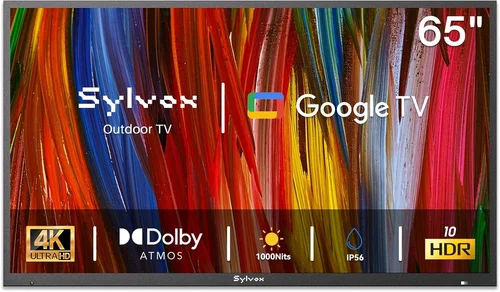
One of the biggest challenges of outdoor viewing is ambient light. Even on cloudy days, sunlight reflecting off surfaces can wash out your screen, making colors appear dull and details hard to see. That’s why brightness—measured in nits—is arguably the most important spec for a deck TV. While indoor TVs typically range from 250 to 500 nits, outdoor models should deliver at least 700 nits, with premium options hitting 1,000 to 2,000+ nits for full sunlight visibility.
But brightness alone isn’t enough. You also need advanced anti-glare technology. Look for TVs with optically bonded glass, which reduces reflections by bonding the display panel directly to the outer glass layer. This eliminates the air gap that causes glare and improves clarity. Additionally, some manufacturers use specialized coatings like anti-reflective or matte finishes to further minimize distractions. If you plan to watch during midday or in direct sunlight, prioritize models with both high brightness and superior glare reduction—your eyes will thank you.
3. Build Quality & Durability
Outdoor TVs face more physical stress than their indoor counterparts. They’re exposed to wind, vibrations from nearby activity, and potential impacts from debris or accidental bumps. That’s why build quality matters immensely. Start by examining the materials used: aluminum or powder-coated steel chassis are ideal because they resist rust and corrosion. Avoid plastic-heavy constructions unless they’re specifically rated for outdoor durability.
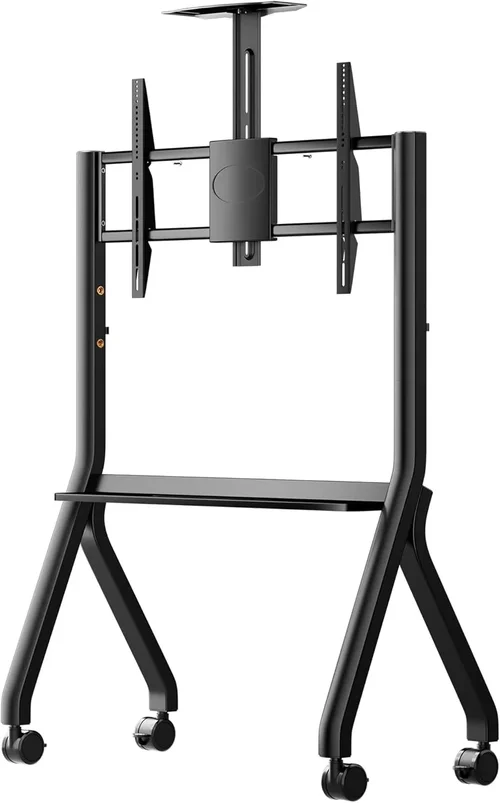
Pay attention to the mounting system as well. A sturdy, VESA-compatible wall mount is crucial, but many outdoor TVs come with reinforced brackets or optional ceiling mounts designed for patios and pergolas. Check whether the TV includes tamper-resistant screws or security features if you live in an area prone to theft. Also, consider the weight—heavier units often indicate better internal shielding and more robust components. Finally, inspect the ports and connectors; they should be sealed or covered to prevent moisture intrusion.
4. Smart Features & Connectivity
Just because your TV is outdoors doesn’t mean it should lack modern conveniences. Most buyers today expect smart functionality, and rightly so. Look for models running established platforms like Android TV, webOS (LG), or Tizen (Samsung), which offer access to streaming apps like Netflix, YouTube, Disney+, and more. Built-in Wi-Fi and Bluetooth are must-haves for wireless streaming and connecting soundbars or headphones.
Connectivity options are equally important. Ensure the TV has multiple HDMI ports (preferably HDMI 2.0 or higher for 4K content), USB inputs for media playback, and possibly an Ethernet port for stable wired internet. Some premium models even include built-in speakers with decent output, though most users opt for external outdoor audio systems. If you plan to integrate your TV with a smart home ecosystem (like Alexa or Google Assistant), confirm compatibility before purchasing. Remember: outdoor Wi-Fi signals can be weaker, so consider a mesh network extender near your deck to maintain smooth streaming.
5. Size & Viewing Distance
Choosing the right screen size isn’t just about aesthetics—it directly impacts your viewing experience. Too small, and you’ll strain to see details; too large, and it may overwhelm your space or require excessive distance to view comfortably. A good rule of thumb is to sit at a distance equal to 1.5 to 2.5 times the diagonal screen size. For example, a 55-inch TV is best viewed from 6.5 to 11 feet away.
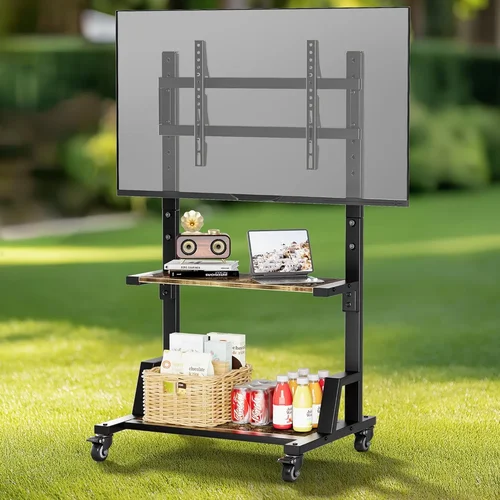
Consider your deck’s layout: will the TV be mounted on a wall, under a roof overhang, or on a freestanding stand? Measure the available space carefully, including clearance for ventilation and cable management. Also, think about seating arrangements—will viewers be seated directly in front, or at an angle? Wider viewing angles (look for IPS panels) help maintain color accuracy even when watching from the side. For small balconies, 32 to 43 inches may suffice, while larger patios can comfortably accommodate 55 to 75 inches or more.
6. Power Consumption & Energy Efficiency
Outdoor TVs often run longer hours than indoor ones—especially during parties or weekend binges—so energy efficiency is worth considering. Look for models with ENERGY STAR certification or low power consumption ratings (typically under 150 watts for 55-inch models). LED-backlit displays are generally more efficient than older LCD or plasma technologies.
Also, consider whether the TV supports automatic brightness adjustment based on ambient light. This feature not only improves visibility but also reduces power usage when full brightness isn’t needed. Some advanced models even include timers or motion sensors that turn the TV off when no one is present. While the difference in electricity costs may seem minor, it adds up over time—and eco-conscious buyers will appreciate the reduced carbon footprint.
7. Brand Reputation & Customer Support
Not all outdoor TV brands are created equal. Established names like SunBriteTV (a leader in the outdoor display space), Samsung, LG, and Seura have proven track records of reliability and customer service. Research user forums, professional reviews, and warranty claims to gauge long-term satisfaction. Avoid obscure brands with limited service networks—if something goes wrong, you don’t want to be stuck with a broken TV and no support.
Check whether the manufacturer offers local repair services or mail-in options. Also, verify if replacement parts (like remote controls or power adapters) are readily available. A reputable brand will stand behind its product with transparent policies and responsive support teams. Don’t hesitate to reach out to customer service before buying—ask about installation guidance, compatibility questions, or troubleshooting tips. Their responsiveness can be a strong indicator of post-purchase care.
8. Warranty & Return Policy
Outdoor electronics come with inherent risks, so a solid warranty is non-negotiable. Most quality deck TVs include at least a 2-year limited warranty, with some premium models offering 3 to 5 years. Read the fine print: does the warranty cover accidental damage, power surges, or weather-related failures? Many manufacturers exclude “acts of nature,” so clarify what’s included.
Also, check the return policy—especially if buying online. You’ll want at least a 30-day window to test the TV in your actual outdoor environment. Some retailers offer extended trial periods or free returns, which can be invaluable if the TV doesn’t perform as expected in real-world conditions. Keep all packaging until you’re fully satisfied; returning large items without original boxes can be costly.
Different Types of Buying Guide

Common Buying Mistakes to Avoid
❌ Mistake: Buying a Standard Indoor TV for Outdoor Use
Why it’s bad: Indoor TVs lack weatherproofing, proper ventilation, and UV-resistant coatings. Exposure to moisture or extreme temperatures can cause immediate failure, void warranties, and even create fire hazards.
What to do instead: Always choose a TV explicitly labeled for outdoor or all-weather use. If budget is tight, pair an indoor TV with a certified outdoor enclosure—but never skip protection entirely.
❌ Mistake: Ignoring Brightness Requirements
Why it’s bad: A dim screen turns your deck into a frustrating viewing experience. Even 500-nit TVs appear washed out in direct sunlight, making movies unwatchable during the day.
What to do instead: Aim for at least 700 nits for shaded areas and 1,000+ nits for full sun. Test brightness specs in real-world reviews—not just manufacturer claims.
❌ Mistake: Overlooking Mounting and Ventilation Needs
Why it’s bad: Improper mounting can lead to instability, water pooling, or blocked airflow. Many buyers mount TVs too high or in enclosed spaces, causing overheating.
What to do instead: Use a VESA-compatible outdoor mount with tilt adjustment. Leave at least 2–3 inches of clearance around the TV for airflow, and avoid sealing it in a tight cabinet.
❌ Mistake: Skipping the Warranty Fine Print
Why it’s bad: Some warranties exclude outdoor use entirely, even if the TV is marketed as “weather-resistant.” You could end up paying full repair costs for a preventable issue.
What to do instead: Read the warranty document thoroughly. Confirm coverage for weather damage, power surges, and accidental drops. Choose brands with transparent, customer-friendly policies.
❌ Mistake: Neglecting Audio Solutions
Why it’s bad: Most outdoor TVs have weak built-in speakers that struggle against wind, traffic, and ambient noise. Relying on them results in poor sound quality.
What to do instead: Invest in weatherproof outdoor speakers or a Bluetooth soundbar. Wireless options eliminate cable clutter and enhance the overall experience.
❌ Mistake: Forgetting About Cable Management
Why it’s bad: Exposed cables are tripping hazards, attract pests, and degrade faster when exposed to UV rays. They also ruin the clean look of your deck.
What to do instead: Use conduit raceways, in-wall cable kits, or wireless HDMI transmitters. Plan cable routes during installation to keep everything tidy and protected.
❌ Mistake: Not Testing in Real Conditions
Why it’s bad: A TV might look great in a showroom but perform poorly under your specific lighting, Wi-Fi signal, or seating arrangement.
What to do instead: Take advantage of generous return windows. Test the TV during different times of day and weather conditions before finalizing your purchase.
Budget Guidelines: How Much Should You Spend?
Entry-Level ($400–$900): This tier includes portable outdoor TVs or basic indoor models paired with entry-level enclosures. Expect modest brightness (500–700 nits), limited smart features, and shorter warranties. Best for small balconies, covered patios, or seasonal use. Brands like Element and RCA offer budget-friendly options, but prioritize models with at least IP54 ratings.
Mid-Range ($900–$2,000): The sweet spot for most homeowners. These TVs deliver 700–1,200 nits brightness, solid weatherproofing (IP55+), and reliable smart platforms. You’ll find reputable brands like SunBriteTV’s Veranda series or Samsung’s outdoor-compatible models. Ideal for partially shaded decks with moderate sun exposure.
Premium ($2,000–$4,000): Designed for enthusiasts and serious outdoor entertainers. Features include 1,500+ nits brightness, advanced anti-glare coatings, robust build quality, and extended warranties. Models like the SunBriteTV Pro Series or Seura Outdoor TVs excel in full sunlight and harsh climates. Often include integrated heaters/coolers and premium audio.
Luxury ($4,000+): Top-tier commercial-grade displays built for extreme conditions. Think 2,000+ nits, military-grade durability, and custom installation support. Perfect for large patios, pool decks, or commercial venues like restaurants and hotels. These units are overkill for casual users but unmatched in performance and longevity.
Expert Tips for Getting the Best Deal
– Shop during off-seasons: Prices drop significantly in late fall and winter when demand for outdoor gear declines. Look for Black Friday, Cyber Monday, or end-of-season clearance sales.
– Compare online and in-store: Retailers like Best Buy, Costco, and specialty outdoor electronics stores often price-match. Online marketplaces (Amazon, Crutchfield) may offer better deals but check return policies.
– Bundled packages save money: Some retailers offer TV + mount + speaker bundles at discounted rates. These can be 10–20% cheaper than buying separately.
– Consider refurbished models: Certified pre-owned outdoor TVs from reputable sellers come with warranties and can save you hundreds. Just ensure they’re from the current generation.
– Negotiate installation services: Many dealers include free or discounted professional installation with purchase—especially for wall-mounted setups. This ensures proper ventilation and safety.
– Check for rebates: Utility companies sometimes offer energy-efficient appliance rebates. ENERGY STAR-certified outdoor TVs may qualify.
– Read long-term reviews: Focus on reviews older than 6 months to assess durability. A TV that fails after 8 months outdoors isn’t a good deal, no matter the price.
– Verify local regulations: In some HOA-governed communities, exterior-mounted electronics require approval. Check rules before purchasing to avoid fines or forced removal.

Frequently Asked Questions
Q: Can I use a regular TV on my covered patio?
A: It depends on the coverage. If your patio is fully enclosed with walls and a roof (like a sunroom), an indoor TV may work—but only if it’s shielded from direct rain, humidity, and temperature extremes. For partially covered or open patios, always use an outdoor-rated TV or enclosure.
Q: Do outdoor TVs need special power outlets?
A: Not necessarily, but it’s wise to use a GFCI (Ground Fault Circuit Interrupter) outlet for safety, especially in damp areas. Avoid extension cords; run permanent wiring through conduit if needed.
Q: How do I clean my outdoor TV screen?
A: Use a microfiber cloth and distilled water only. Never spray liquids directly on the screen. For stubborn smudges, lightly dampen the cloth—never use ammonia-based cleaners or paper towels, which can scratch the anti-glare coating.
Q: Will my outdoor TV work in winter?
A: Yes, if it’s designed for all-weather use. Quality models include internal heaters that activate below 40°F (4°C) to prevent condensation and ensure smooth startup. Avoid turning on a cold TV abruptly—let it acclimate for 1–2 hours first.
Q: Can I stream Netflix on an outdoor TV?
A: Absolutely! Most modern outdoor TVs run full smart platforms with access to all major streaming apps. Just ensure your Wi-Fi signal reaches your deck—consider a weatherproof extender if needed.
Q: Are outdoor TVs louder than indoor ones?
A: Not inherently. Built-in speakers are often weaker due to space and weather constraints. For enjoyable audio, pair your TV with outdoor-rated speakers or a soundbar.
Q: How long do outdoor TVs last?
A: With proper care, a quality outdoor TV can last 7–10 years or more. Cheaper models or those used in harsh climates may degrade faster. Regular maintenance (cleaning vents, checking seals) extends lifespan.
Q: Can I mount my outdoor TV on a pergola?
A: Yes, but ensure the structure is sturdy enough to support the weight and wind load. Use heavy-duty lag bolts and consult a contractor if unsure. Avoid mounting on thin wood or vinyl posts.
Q: Do I need a surge protector for my outdoor TV?
A: Highly recommended. Outdoor electronics are vulnerable to lightning strikes and power fluctuations. Use a whole-house surge protector combined with a high-quality power strip.
Q: What’s the difference between “weather-resistant” and “all-weather”?
A: “Weather-resistant” usually means splash-proof and suitable for occasional exposure. “All-weather” indicates full protection against rain, snow, dust, and temperature extremes—ideal for year-round, uncovered use.
Our Final Recommendations
Best for Budget-Conscious Buyers: SunBriteTV Veranda Series 43-inch – At around $1,200, it offers excellent value with 700-nit brightness, IP55 rating, and webOS smart platform. Perfect for covered patios and mild climates.
Best Overall Value: Samsung The Terrace 55-inch – Priced near $2,500, this model delivers 1,500 nits, anti-reflective coating, and robust Tizen OS. Ideal for mixed lighting conditions and tech-savvy users.
Best Premium Option: SunBriteTV Pro Series 65-inch – With 2,000+ nits, military-grade durability, and integrated climate control, this $3,800 powerhouse handles full sun and extreme weather with ease.
Best for Beginners: Seura Outdoor TV 40-inch – User-friendly setup, clear documentation, and responsive customer service make this $1,600 model ideal for first-time outdoor TV owners.
Best for Advanced Users: Peerless-AV Xtreme Outdoor 75-inch – A commercial-grade beast with customizable mounting, 2,500 nits, and modular design for tech enthusiasts who demand maximum control and performance.
Conclusion: Making the Right Choice
Choosing the best deck TV for your balcony or patio is about more than just picking the shiniest screen—it’s about matching technology to your lifestyle, environment, and long-term goals. From weather resistance and brightness to smart features and build quality, every factor plays a role in ensuring your investment delivers years of reliable, enjoyable outdoor entertainment. Remember: the cheapest option isn’t always the most cost-effective, and the most expensive isn’t always necessary. Prioritize your must-have features, read real-user reviews, and don’t rush the decision.
Take the time to measure your space, assess your typical viewing conditions, and consider how you’ll use the TV—whether for movie nights, sports events, or background ambiance during gatherings. With the insights from this guide, you’re now equipped to navigate the market confidently, avoid common traps, and select a deck TV that truly enhances your outdoor living experience. So go ahead—transform that balcony into your personal oasis, and enjoy the great outdoors without sacrificing the comforts of home. Your perfect outdoor viewing setup is just a smart purchase away.

