
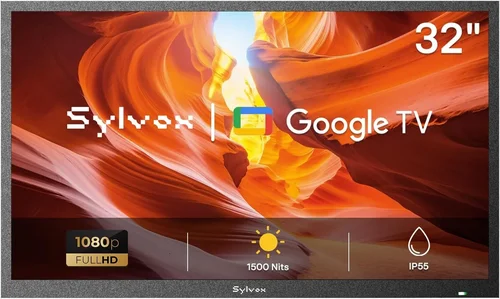
Outdoor entertainment has evolved dramatically over the past decade, and nowhere is that more evident than in the growing popularity of outdoor televisions—especially those installed near pools. Whether you’re hosting a summer barbecue, enjoying a quiet evening swim under the stars, or watching the big game with friends by the water, having a reliable, high-performing TV in your pool area can transform your outdoor space into a true backyard oasis. But unlike indoor TVs, outdoor models face unique challenges: intense sunlight, humidity, temperature swings, dust, and even salt air in coastal regions. That’s why choosing the right outdoor television isn’t just about picture quality—it’s about durability, safety, and long-term performance in harsh conditions.
This comprehensive buying guide is designed to help you navigate the complex world of outdoor TVs with confidence. Whether you’re a first-time buyer or upgrading from an older model, we’ll walk you through every critical decision point—from understanding key performance specs to avoiding common pitfalls that could cost you time and money. You’ll learn how to evaluate build quality, interpret IP ratings, choose the right screen size for your space, and determine whether a fully weatherproof TV or a weather-resistant enclosure makes more sense for your setup. We’ll also break down budget tiers, compare top brands, and share expert tips to ensure you get the best value for your investment. By the end of this guide, you’ll have all the knowledge you need to select an outdoor TV that delivers stunning visuals, withstands the elements, and enhances your poolside experience for years to come.
The market for outdoor televisions has matured significantly in recent years. Once dominated by bulky, expensive specialty units, today’s options include sleek, modern designs from mainstream brands like Samsung, LG, and Sony, as well as dedicated outdoor specialists such as Seura, SunBriteTV, and Peerless-AV. Advances in display technology—including brighter OLED and QLED panels, anti-glare coatings, and improved thermal management—have made outdoor viewing more enjoyable than ever. At the same time, pricing has become more accessible, with entry-level models now available under $1,000 and premium units offering 4K HDR, smart platforms, and even built-in streaming apps. With so many choices, it’s easier (and harder) than ever to find the perfect fit—which is exactly why this guide exists: to cut through the noise and help you make an informed, smart purchase.

What to Look for When Buying Buying Guide
1. Weather Resistance & IP Rating
When it comes to outdoor TVs, weather resistance isn’t optional—it’s essential. Unlike indoor models, outdoor TVs must withstand rain, snow, dust, humidity, and extreme temperatures without compromising performance or safety. The most reliable way to assess a TV’s resilience is by checking its Ingress Protection (IP) rating. This two-digit code indicates how well the device resists solid particles (first digit) and liquids (second digit). For pool areas, look for a minimum rating of IP55 (protected against dust and low-pressure water jets) or higher. Ideally, aim for IP65 or IP66, which offer full dust protection and resistance to powerful water sprays—perfect for splashes, hose cleaning, or heavy rain.
But don’t stop at the IP rating. Also consider the TV’s internal cooling and heating systems. Quality outdoor TVs feature sealed cabinets with passive or active thermal management to prevent overheating in summer and condensation in winter. Some models even include internal heaters to keep components warm during freezing nights. Avoid “weather-resistant” TVs that are merely indoor units placed in protective enclosures unless you’re certain the enclosure meets stringent outdoor standards. True outdoor TVs are engineered from the ground up for exterior use, with corrosion-resistant materials, UV-stable finishes, and components rated for continuous outdoor operation.
2. Brightness & Anti-Glare Technology
One of the biggest challenges of outdoor viewing is ambient light—especially direct sunlight reflecting off water, tile, or concrete. A standard indoor TV typically peaks at 300–500 nits of brightness, which is easily washed out on a sunny day. Outdoor TVs, by contrast, are designed to deliver much higher luminance. Look for models with at least 700 nits, but ideally 1,000 nits or more for poolside use where glare is intense. Many premium outdoor TVs now boast 1,500–2,000 nits, ensuring crisp, vibrant images even at noon.
Equally important is anti-reflective coating. High-brightness alone won’t help if the screen acts like a mirror. Top-tier outdoor TVs use optically bonded glass with multi-layer anti-glare treatments that diffuse reflections without sacrificing color accuracy or contrast. Some brands, like SunBriteTV, incorporate proprietary lens systems that enhance brightness while minimizing washout. If possible, view the TV in person under bright conditions or check professional reviews that test real-world visibility. Remember: a TV that looks great in a dim showroom may disappoint in your sun-drenched pool area.
3. Screen Size & Viewing Distance
Choosing the right screen size isn’t just about aesthetics—it directly impacts your viewing experience. For pool areas, consider both the distance from seating to the screen and the ambient lighting. A common rule of thumb is that your viewing distance (in inches) should be about 1.5 to 2.5 times the diagonal screen size (also in inches). So, for a 65-inch TV, ideal viewing distance ranges from 8 to 14 feet—perfect for most pool decks or outdoor living rooms.
However, don’t automatically go bigger. In bright environments, larger screens can amplify glare and make details harder to discern if brightness isn’t sufficient. Conversely, a too-small screen may feel underwhelming when viewed from a distance. Also factor in mounting options: will the TV be wall-mounted above a bar, under a pergola, or on a freestanding pole? Ensure there’s enough clearance for ventilation and that the angle allows comfortable viewing from multiple seating areas. Many homeowners opt for 55-inch or 65-inch models as a sweet spot—large enough for group viewing but manageable in size and cost.
4. Display Technology: LED, QLED, or OLED?
The type of display panel significantly affects picture quality, especially outdoors. Most outdoor TVs use LED-backlit LCD panels due to their brightness, affordability, and durability. Within this category, QLED (Quantum Dot LED) offers superior color volume and brightness, making it ideal for sunny environments. Samsung’s outdoor QLED models, for example, deliver exceptional vibrancy and are less prone to color shift in bright light.
OLED, while renowned for perfect blacks and infinite contrast, presents challenges for outdoor use. Traditional OLED panels struggle with peak brightness (typically capped around 800 nits) and can suffer from image retention or burn-in when displaying static content like channel logos for extended periods—a real concern for 24/7 outdoor signage or sports broadcasts. That said, newer “outdoor-ready” OLEDs from LG and Sony now feature enhanced brightness modes and protective coatings, making them viable for covered patios or shaded pool areas. If you prioritize cinematic contrast and have partial shade, an outdoor OLED might suit you. But for full sun exposure, QLED or high-brightness LED remains the safer bet.
5. Smart Features & Connectivity
Today’s outdoor TVs aren’t just dumb screens—they’re full-fledged smart platforms. Look for models running established operating systems like Google TV, webOS (LG), or Tizen (Samsung), which offer seamless access to Netflix, YouTube, Disney+, and other streaming services. Built-in Wi-Fi and Bluetooth are must-haves for wireless audio streaming to outdoor speakers or soundbars. Some premium models even include voice control via Google Assistant or Alexa.
Connectivity is equally crucial. Ensure the TV has enough HDMI ports (at least three, preferably HDMI 2.1 for future-proofing), USB inputs for media playback, and an Ethernet port for stable wired internet—especially important if your pool area has weak Wi-Fi. Consider whether you’ll need ARC (Audio Return Channel) for connecting to an AV receiver or optical audio out for external sound systems. Also check for compatibility with popular streaming devices like Apple TV or Roku if you prefer using external boxes. Avoid models with limited or proprietary smart systems that may become obsolete quickly.
6. Mounting & Installation Flexibility
How and where you mount your outdoor TV affects both functionality and longevity. Most outdoor TVs support standard VESA mounting patterns (e.g., 200×200, 400×400), allowing use with universal outdoor mounts. However, not all mounts are created equal. Look for heavy-duty, corrosion-resistant mounts rated for outdoor use—powder-coated aluminum or stainless steel is ideal. Tilt, swivel, and full-motion articulating mounts offer flexibility for adjusting viewing angles, especially if your seating arrangement changes seasonally.
Installation location matters too. Avoid placing the TV directly above or adjacent to the pool edge where splashing is frequent. Instead, position it under an eave, pergola, or covered patio to provide natural shade and reduce direct water exposure. Ensure there’s adequate airflow around the unit to prevent overheating—most manufacturers specify minimum clearance (usually 2–4 inches on all sides). If hardwiring power and cables, use weatherproof conduit and outdoor-rated cables. For renters or those who move frequently, consider portable outdoor TV carts with built-in weather shields.
7. Brand Reputation & Ecosystem Compatibility
Not all outdoor TV brands are equal. Established names like SunBriteTV (a leader in outdoor displays since 2004), Seura (known for stylish, frameless designs), and Peerless-AV (renowned for rugged commercial-grade units) have proven track records in harsh environments. Mainstream brands like Samsung and LG now offer certified outdoor models, often leveraging their indoor tech with added weatherproofing. Research customer reviews, especially those from users in similar climates, and check for third-party certifications like UL Listed for outdoor use.
Also consider ecosystem compatibility. If you already own smart home devices (e.g., Ring cameras, Nest thermostats, or Sonos speakers), choose a TV that integrates smoothly. Samsung’s SmartThings platform, for instance, allows centralized control of lights, locks, and climate alongside your TV. Similarly, LG’s ThinQ AI supports voice commands across compatible appliances. Avoid niche brands with limited app support or proprietary ecosystems that lock you into a single vendor.
8. Warranty & Customer Support
Outdoor TVs represent a significant investment, so robust warranty coverage is non-negotiable. Most reputable brands offer 2–3 years of limited warranty, but some extend to 5 years for commercial use. Pay close attention to what’s covered: does it include labor, parts, and on-site service? Is accidental damage or corrosion included? SunBriteTV, for example, provides a 3-year warranty with optional extended coverage, while Seura offers a 2-year warranty with U.S.-based support.
Customer service quality varies widely. Look for brands with responsive technical support, clear installation guides, and readily available replacement parts. Check forums and review sites for reports of slow repairs or denied claims. A strong warranty isn’t just about peace of mind—it’s a reflection of the manufacturer’s confidence in their product’s durability. Never buy an outdoor TV without verifying warranty terms and support availability in your region.
Different Types of Buying Guide
Common Buying Mistakes to Avoid
❌ Mistake: Buying an Indoor TV for Outdoor Use
Why it’s bad: Indoor TVs lack the sealing, thermal management, and corrosion resistance needed for outdoor environments. Even brief exposure to moisture can cause internal damage, leading to costly repairs or complete failure. Many homeowners assume a covered patio offers enough protection, but humidity, condensation, and wind-driven rain can still infiltrate.
What to do instead: Invest in a purpose-built outdoor TV or use a certified weatherproof enclosure designed for your specific indoor model. Never compromise on weather protection—it’s the single most important factor for longevity.
❌ Mistake: Ignoring Brightness Requirements
Why it’s bad: A dim screen turns your poolside movie night into a frustrating squint-fest. Many buyers focus on resolution (4K vs. 1080p) but overlook luminance, resulting in a TV that’s unusable in daylight.
What to do instead: Prioritize brightness (aim for ≥1,000 nits) and anti-glare coatings. If possible, test the TV under similar lighting conditions or rely on professional reviews that measure real-world visibility.
❌ Mistake: Overlooking Ventilation Needs
Why it’s bad: Outdoor TVs generate heat, and without proper airflow, internal components can overheat—even in cool weather. Mounting a TV flush against a wall or in an enclosed cabinet without ventilation voids warranties and shortens lifespan.
What to do instead: Follow manufacturer guidelines for mounting clearance (typically 2–4 inches on all sides). Use ventilated enclosures or choose models with passive cooling systems designed for enclosed spaces.
❌ Mistake: Choosing Based Solely on Price
Why it’s bad: The cheapest option often lacks critical features like adequate brightness, smart capabilities, or robust weather sealing. You may end up replacing it within a year, costing more long-term.
What to do instead: Set a realistic budget based on your usage (occasional vs. daily) and environmental conditions. Mid-range models ($1,500–$2,500) often offer the best balance of performance and durability.
❌ Mistake: Neglecting Audio Quality
Why it’s bad: Most outdoor TVs have underpowered built-in speakers that struggle to overcome pool noise, wind, and distance. Relying solely on TV audio leads to a poor listening experience.
What to do instead: Plan for external audio from day one. Pair your TV with weather-resistant outdoor speakers, a soundbar, or a whole-yard audio system. Ensure the TV has audio outputs (optical, HDMI ARC, or Bluetooth) for easy integration.
❌ Mistake: Skipping Professional Installation
Why it’s bad: Improper mounting can lead to water ingress, electrical hazards, or structural damage. DIY attempts often miss critical steps like grounding, conduit use, or load-bearing checks.
What to do instead: Hire a certified AV installer experienced in outdoor setups. They’ll ensure safe wiring, proper mounting, and compliance with local codes—especially important for pool proximity (electrical safety regulations often apply within 5–10 feet of water).
❌ Mistake: Forgetting About Future-Proofing
Why it’s bad: Technology evolves quickly. A TV without HDMI 2.1, Wi-Fi 6, or modern smart OS may become obsolete in 2–3 years, limiting your ability to stream 4K HDR or connect new devices.
What to do instead: Choose a model with current-gen connectivity and software support. Look for brands that offer regular firmware updates and long-term app compatibility.
Budget Guidelines: How Much Should You Spend?
Entry-Level ($800–$1,500): This tier includes basic weatherproof enclosures paired with mid-range indoor TVs or entry-level outdoor models with limited brightness (500–700 nits). Ideal for shaded patios or occasional use. Expect fewer smart features, basic warranties, and shorter lifespans. Great for renters or those testing the waters (pun intended).
Mid-Range ($1,500–$2,800): The sweet spot for most homeowners. These TVs offer 1,000+ nits brightness, full weatherproofing (IP65+), reliable smart platforms, and solid build quality. Brands like SunBriteTV Veranda series or Samsung’s outdoor QLED fall here. Expect 3-year warranties, good customer support, and compatibility with outdoor audio systems.
Premium ($2,800–$5,000): For enthusiasts and serious entertainers. Features include 1,500–2,000 nits brightness, OLED or advanced QLED panels, premium materials (aluminum frames, tempered glass), and enhanced thermal systems. Models from Seura, Peerless-AV, or LG’s outdoor OLED line deliver cinema-grade visuals and 5-year lifespans. Often include professional installation services.
Luxury ($5,000+): Reserved for commercial installations, luxury homes, or extreme environments. These are commercial-grade displays with 24/7 operation ratings, redundant cooling, custom calibration, and global support networks. Think hotel pools, yacht decks, or desert resorts. Overkill for typical residential use but unmatched in reliability.
Expert Tips for Getting the Best Deal
- Shop during off-seasons: Prices drop significantly in late fall and winter (October–February) when demand is lowest. Many retailers clear inventory before spring.
- Check manufacturer rebates: Brands like SunBriteTV and Seura often run seasonal promotions or bundle deals with mounts and cables.
- Buy directly from certified dealers: Avoid third-party sellers on marketplaces. Authorized dealers offer better warranties, support, and return policies.
- Negotiate installation packages: Some retailers include free or discounted installation with TV purchase—ask before committing.
- Read the fine print on returns: Outdoor TVs often have stricter return windows (14–30 days vs. 60+ for indoor models). Ensure you can test thoroughly.
- Consider refurbished units: Certified pre-owned outdoor TVs from reputable sellers can save 20–40% with full warranty coverage.
- Join outdoor living forums: Communities like AVS Forum or Reddit’s r/outdoortv share real-user deals, installation tips, and brand experiences.
- Verify local electrical codes: Some areas require GFCI outlets or licensed electricians for pool-area installations. Compliance avoids fines and hazards.

Frequently Asked Questions
Q: Can I use a regular TV outdoors if it’s under a covered patio?
A: Technically yes, but it’s risky. Even covered areas experience humidity, temperature swings, and wind-driven rain. Without proper sealing and thermal management, indoor TVs can fail prematurely. For reliable performance, use a purpose-built outdoor TV or a certified weatherproof enclosure.
Q: How far should my outdoor TV be from the pool?
A: As a general rule, keep the TV at least 5–10 feet away from the water’s edge to minimize splash exposure. Local electrical codes may require greater distances—consult a licensed electrician.
Q: Do outdoor TVs consume more power?
A: Not necessarily. While they may have brighter backlights, modern outdoor TVs use efficient LED technology. Many are ENERGY STAR certified. Power usage is comparable to similarly sized indoor models.
Q: Can I leave my outdoor TV on all the time?
A: Most outdoor TVs are designed for continuous operation, but check the manual. Avoid displaying static images (like news tickers) for extended periods to prevent burn-in, especially on OLED models.
Q: What’s the difference between “weather-resistant” and “weatherproof”?
A: “Weather-resistant” usually means the TV can handle light moisture but isn’t fully sealed. “Weatherproof” indicates full protection against dust and water (IP65+). For pools, always choose weatherproof.
Q: Do I need a special antenna for outdoor TV?
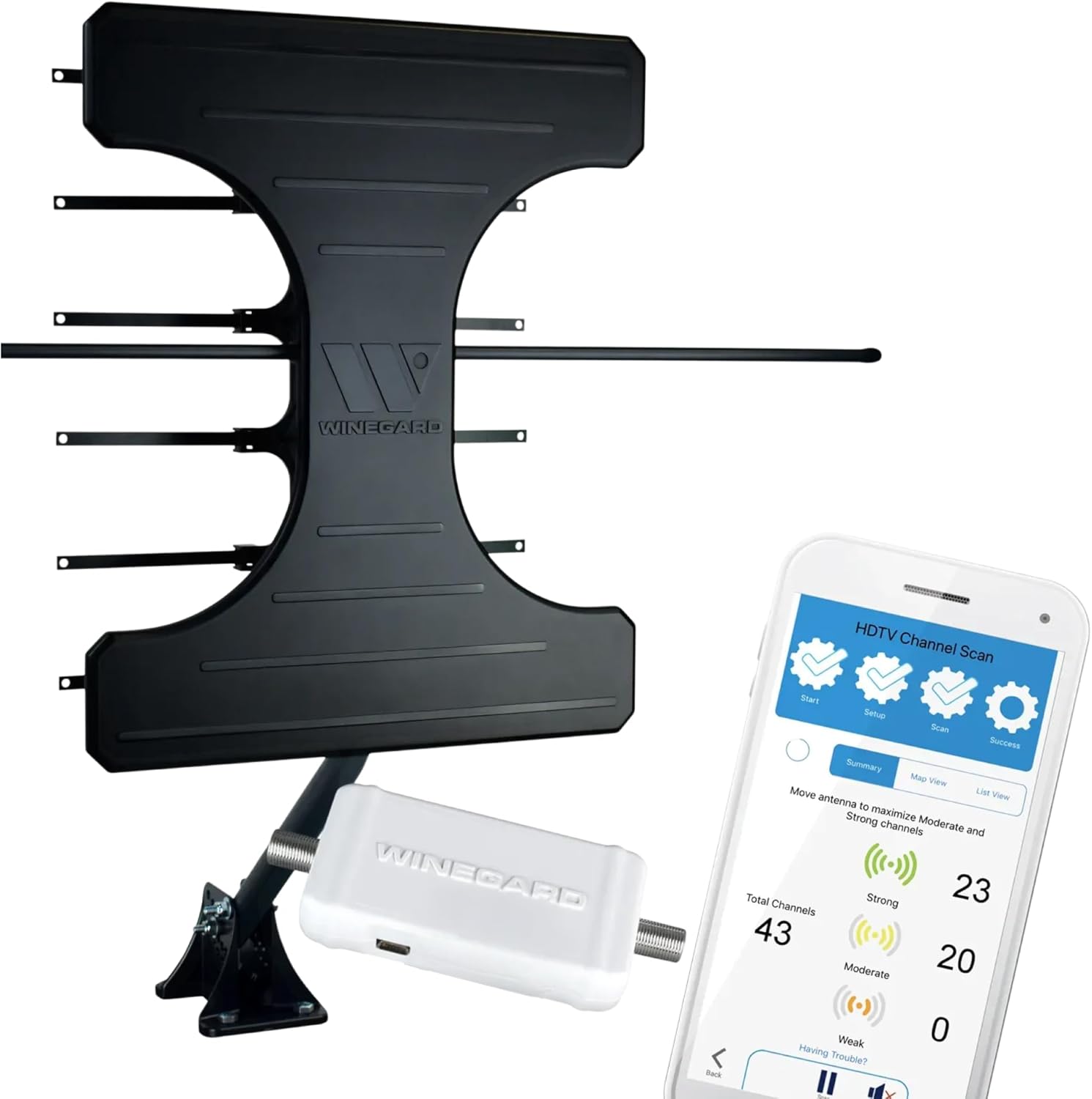
A: Not necessarily. Most outdoor TVs support standard over-the-air (OTA) antennas. However, for better reception in rural areas, consider an amplified outdoor antenna mounted away from the pool.
Q: How do I clean my outdoor TV screen?
A: Use a microfiber cloth and mild glass cleaner. Avoid abrasive materials or ammonia-based cleaners, which can damage anti-glare coatings. Power off the TV before cleaning.
Q: Will my outdoor TV work in winter?
A: Yes, if it’s rated for cold climates. Quality outdoor TVs operate from -30°F to 120°F. Models with internal heaters prevent condensation during freeze-thaw cycles.
Q: Can I stream Netflix on an outdoor TV?
A: Absolutely! Most modern outdoor TVs run full smart platforms with Netflix, YouTube, and other apps pre-installed. Ensure strong Wi-Fi or use Ethernet for buffer-free streaming.
Q: What happens if my outdoor TV gets wet?
A: If it’s truly weatherproof (IP65+), occasional splashes won’t harm it. However, submersion or prolonged exposure to heavy rain without proper drainage can cause damage. Always follow mounting guidelines.
Our Final Recommendations
Best for Budget-Conscious Buyers: SunBriteTV Veranda Series (55″) – At around $1,600, it delivers 1,000 nits brightness, IP55 rating, and reliable smart features. Perfect for shaded patios or covered pool areas.
Best Overall Value: Samsung The Terrace Partial Sun (65″) – Combines QLED color, 1,500 nits brightness, and sleek design at $2,500. Excellent for partial sun and integrates seamlessly with Samsung smart home ecosystems.
Best Premium Option: Seura UltraBright 4K (75″) – With 2,000 nits, frameless design, and IP66 rating, this $4,200 TV is built for full sun and luxury aesthetics. Ideal for high-end backyard theaters.
Best for Beginners: Peerless-AV OET Series (50″) – Simple setup, robust build, and clear documentation make this $1,800 model great for first-time outdoor TV owners.
Best for Advanced Users: LG Outdoor OLED (65″) – For those who prioritize contrast and color accuracy in shaded areas, this $3,800 TV offers stunning visuals with outdoor-optimized brightness and cooling.
Conclusion: Making the Right Choice
Choosing the right outdoor television for your pool area is about more than just picking a screen that looks good in a catalog. It’s a decision that blends technology, environment, lifestyle, and long-term value. From understanding IP ratings and brightness requirements to avoiding common installation pitfalls, every detail matters when your TV faces the elements day in and day out. By prioritizing weather resistance, investing in adequate brightness, and selecting a reputable brand with strong support, you’ll ensure your outdoor entertainment setup delivers years of enjoyment—not frustration.
Remember, the best TV for your neighbor might not be the best for you. Consider your specific conditions: How much direct sun does your pool area get? Will the TV be used daily or just on weekends? Do you already have a smart home ecosystem? Answering these questions honestly will guide you toward the perfect match. And don’t rush the process—take advantage of seasonal sales, read real-user reviews, and consult professionals when in doubt.
Ultimately, an outdoor TV should enhance your connection to nature, not distract from it. With the right choice, you’ll create a space where family memories are made, friends gather, and every sunset feels a little more magical—all while enjoying your favorite shows in stunning clarity. So go ahead, dive in (metaphorically speaking), and transform your pool area into the ultimate outdoor retreat. Your future self will thank you.

