
Outdoor living spaces have evolved far beyond simple patios and balconies. Today, they’re fully integrated extensions of our homes—complete with grills, lighting, sound systems, and yes, even televisions. Whether you’re hosting summer barbecues, enjoying quiet evenings under the stars, or catching the big game with friends, an outdoor TV can transform your balcony or patio into a true entertainment hub. But choosing the right one isn’t as simple as buying a standard indoor model and mounting it outside. The elements—sun, rain, humidity, dust, and temperature swings—demand specialized engineering and materials that most indoor TVs simply don’t offer.
That’s where this comprehensive buying guide comes in. In 2026, the market for outdoor televisions has matured significantly, with more brands offering purpose-built models than ever before. However, with increased options comes increased confusion. How do you know if a TV is truly “outdoor-rated”? What features matter most for balcony use versus a full backyard setup? And how much should you realistically spend? This guide is designed to cut through the noise and give you the expert-level knowledge you need to make a confident, informed decision. You’ll learn what to prioritize, what to avoid, and how to get the best value for your investment—no matter your budget or space constraints.
We’ll cover everything from performance specs and build quality to weather resistance ratings, smart features, and installation tips. Whether you’re a first-time buyer or upgrading from an older model, this guide will walk you through every critical factor, compare the top categories of outdoor TVs, highlight common pitfalls, and provide actionable advice to help you choose the perfect screen for your outdoor oasis. By the end, you’ll not only know what to look for—you’ll know exactly which model fits your lifestyle, space, and spending plan.
What to Look for When Buying Buying Guide
1. Weather Resistance & IP Rating
When it comes to outdoor TVs, weather resistance isn’t optional—it’s essential. Unlike indoor models, outdoor televisions must withstand rain, snow, dust, humidity, and even salt air if you live near the coast. The first thing to check is the TV’s Ingress Protection (IP) rating, which indicates how well the unit resists solids (like dust) and liquids (like water). For balcony and patio use, look for a minimum IP55 rating, which means the TV is protected against low-pressure water jets from any direction and limited dust ingress. However, for more exposed areas or regions with heavy rainfall, an IP65 or higher rating is strongly recommended.
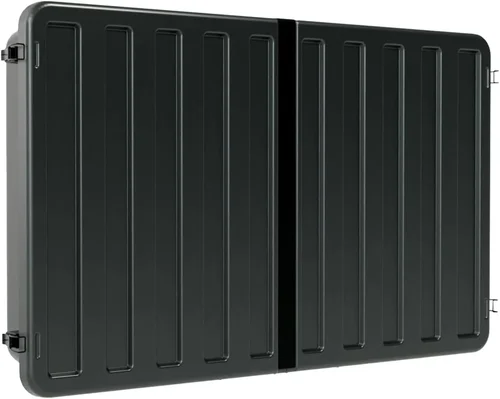
Beyond the IP rating, consider the TV’s internal sealing. True outdoor TVs use gaskets, sealed ports, and corrosion-resistant components to prevent moisture from damaging internal electronics. Some models also feature hydrophobic coatings on screens to repel water droplets and reduce glare. Avoid TVs that claim to be “weather-resistant” without a certified IP rating—this is often marketing fluff. Also, be cautious of “outdoor enclosures” that house standard indoor TVs; while they offer some protection, they can trap heat and lack the thermal management of purpose-built models.
2. Brightness & Display Technology
Sunlight is the enemy of visibility on outdoor screens. Even on a cloudy day, ambient light can wash out an indoor TV’s display, making it nearly unwatchable. That’s why brightness—measured in nits—is one of the most critical specs for outdoor use. For shaded balconies or patios with partial cover, a brightness of at least 700 nits is recommended. For fully exposed areas with direct sunlight, aim for 1,000 nits or higher. Some premium models now offer 2,000+ nits, rivaling commercial-grade displays used in stadiums and airports.
Display technology also plays a role. Most outdoor TVs use LED-backlit LCD panels, but newer models are incorporating quantum dot (QLED) and mini-LED technologies for better color accuracy, contrast, and brightness efficiency. OLED TVs, while stunning indoors, are generally not recommended for outdoor use due to their susceptibility to burn-in and lower peak brightness in high-light conditions. Additionally, look for anti-reflective coatings and optically bonded glass, which reduce glare and improve clarity in bright environments. A matte finish is preferable to glossy, as it minimizes reflections from surrounding surfaces.
3. Build Quality & Durability
An outdoor TV isn’t just exposed to weather—it’s also subject to temperature extremes, UV radiation, and physical wear. High-quality materials are non-negotiable. Look for TVs with powder-coated aluminum or stainless steel chassis, which resist rust and corrosion far better than plastic or standard metal. The screen should be made of tempered glass to prevent shattering from impacts or thermal stress.
Internal components must also be built to last. Outdoor TVs often feature conformal-coated circuit boards, which protect against moisture and dust. Thermal management is another key factor: unlike indoor TVs that rely on room airflow, outdoor models need active or passive cooling systems to prevent overheating in summer and freezing in winter. Some units include built-in heaters for cold climates, ensuring the display remains functional even in sub-zero temperatures. Always check the operating temperature range—most outdoor TVs function between -22°F and 122°F (-30°C to 50°C), but verify this matches your local climate.
4. Size & Viewing Distance
Choosing the right screen size depends on your balcony or patio dimensions and typical viewing distance. A common rule of thumb is that the viewing distance should be about 1.5 to 2.5 times the diagonal screen size. For example, a 55-inch TV is ideal for distances of 7 to 12 feet. On a small balcony, a 43-inch or 50-inch model may be more practical, while larger patios can accommodate 65-inch or even 75-inch screens.
Consider the TV’s depth and weight as well. Outdoor TVs are often bulkier than indoor models due to reinforced casings and cooling systems. Ensure your mounting solution—whether a wall bracket, ceiling mount, or freestanding stand—can support the weight and allow for proper ventilation. Also, think about placement: avoid installing the TV directly above grills or fire pits, where smoke and grease can accumulate. A slight tilt or swivel mount can improve viewing angles and reduce glare from windows or reflective surfaces.
5. Smart Features & Connectivity
Modern outdoor TVs come with a range of smart features, but not all are created equal. Look for models with built-in Wi-Fi, Bluetooth, and support for popular streaming platforms like Netflix, YouTube, Disney+, and Amazon Prime Video. Some brands offer proprietary smart platforms (e.g., Samsung Tizen, LG webOS), while others use Android TV or Roku TV, which provide broader app compatibility and regular updates.
Connectivity is equally important. Ensure the TV has multiple HDMI ports (preferably HDMI 2.1 for 4K/120Hz content), USB ports for media playback, and an Ethernet port for stable wired internet. For audio, optical audio out or ARC (Audio Return Channel) allows you to connect external speakers or soundbars. Some models also include built-in speakers, but for a truly immersive experience, consider pairing your TV with weather-resistant outdoor audio systems. Voice control via Alexa, Google Assistant, or Siri is a nice bonus, especially for hands-free operation while grilling or relaxing.
6. Installation & Mounting Options
Proper installation is crucial for both performance and safety. Most outdoor TVs are designed for wall mounting, but ceiling, pole, and freestanding options are also available. Wall mounts should be rated for outdoor use and capable of supporting the TV’s weight. Look for tilt, swivel, and full-motion mounts to optimize viewing angles and reduce glare.
Cable management is another consideration. Outdoor TVs often include cable channels or built-in raceways to keep wires organized and protected from the elements. If you’re running cables through walls or under decking, use weatherproof conduit and outdoor-rated cables. For balconies with limited access, consider a TV with rear-facing ports or a side-access panel for easier connections. Always follow local building codes and, if in doubt, hire a professional installer—especially for high-rise balconies where safety is paramount.
7. Brand Reputation & Reliability
Not all outdoor TV brands are equal. Some companies specialize exclusively in outdoor electronics, while others offer outdoor models as part of a broader lineup. Brands like SunBriteTV, Seura, and Peerless have established reputations for durability and performance in harsh environments. These companies often provide detailed spec sheets, real-world testing data, and customer support tailored to outdoor use.
When evaluating brands, look beyond marketing claims. Check independent reviews, user forums, and professional installer feedback. A brand with a strong track record in commercial installations (e.g., hotels, stadiums) is often a good indicator of reliability. Also, consider the availability of replacement parts and service centers in your area. A TV that’s difficult to repair or lacks local support can become a costly liability if something goes wrong.
8. Warranty & Support
A robust warranty is a sign of a manufacturer’s confidence in their product. Most reputable outdoor TV brands offer at least a 2-year warranty, with some extending to 3 or even 5 years. Pay attention to what’s covered: does the warranty include labor, parts, and on-site service? Is it valid only if installed by a certified professional? Some brands require registration within 30 days of purchase to activate the full warranty.
Customer support is equally important. Look for companies with responsive service teams, detailed installation guides, and accessible technical support via phone, email, or live chat. A good warranty and support system can save you hundreds in repair costs and minimize downtime if your TV encounters issues. Avoid brands with vague warranty terms or limited service networks—your outdoor TV should be built to last, and the company behind it should stand by that promise.
Different Types of Buying Guide

Common Buying Mistakes to Avoid

❌ Mistake: Buying an Indoor TV for Outdoor Use
Why it’s bad: Indoor TVs are not designed to handle moisture, temperature swings, or UV exposure. Even in a covered area, humidity and condensation can seep into the electronics, causing corrosion, screen fogging, or complete failure. Additionally, indoor TVs lack the brightness needed for daylight viewing, making them nearly unusable outside.
What to do instead: Invest in a purpose-built outdoor TV or use a high-quality outdoor enclosure if you must use an indoor model. Always check the IP rating and ensure the TV is rated for outdoor conditions.
❌ Mistake: Ignoring Brightness Requirements
Why it’s bad: A TV with insufficient brightness will appear dim and washed out, even on overcast days. This leads to a poor viewing experience and frustration, especially during daytime use.
What to do instead: Match the TV’s brightness (in nits) to your environment. Aim for 700+ nits for shaded areas and 1,000+ nits for full sun. Check real-world reviews to see how the display performs in daylight.
❌ Mistake: Overlooking Mounting and Installation
Why it’s bad: Improper mounting can lead to instability, poor viewing angles, or even the TV falling—posing a serious safety risk, especially on balconies. DIY installations without proper tools or knowledge can also void warranties.
What to do instead: Use a certified outdoor mount and consider hiring a professional installer. Ensure the mounting surface is secure and the TV is positioned to minimize glare and heat exposure.
❌ Mistake: Choosing Based on Price Alone
Why it’s bad: The cheapest option often lacks durability, brightness, or weather protection, leading to premature failure and higher long-term costs. Conversely, overspending on features you don’t need is also wasteful.
What to do instead: Set a realistic budget based on your needs and prioritize key features like IP rating, brightness, and build quality. Look for value in mid-range models that balance cost and performance.
❌ Mistake: Neglecting Audio Quality
Why it’s bad: Most outdoor TVs have underwhelming built-in speakers that struggle to overcome ambient noise like wind, traffic, or conversation. Poor audio ruins the entertainment experience.
What to do instead: Pair your TV with weather-resistant outdoor speakers or a soundbar. Look for models with optical audio out or Bluetooth for easy connectivity.
❌ Mistake: Forgetting About Cable Management
Why it’s bad: Exposed cables are unsightly, prone to damage, and can become tripping hazards. They also attract pests and degrade over time when exposed to the elements.
What to do instead: Use outdoor-rated conduit, cable raceways, or built-in cable management systems. Plan your cable routes during installation to keep everything neat and protected.
❌ Mistake: Not Checking Warranty Terms
Why it’s bad: A limited or unclear warranty can leave you footing the bill for repairs or replacements. Some brands exclude outdoor use or require professional installation to qualify.
What to do instead: Read the warranty carefully before buying. Ensure it covers outdoor use, includes parts and labor, and is valid in your region. Register your product promptly.
Budget Guidelines: How Much Should You Spend?
Outdoor TVs span a wide price range, and your budget should align with your usage, environment, and expectations. Here’s a breakdown of what to expect at each tier:
Entry-Level ($800 – $1,500): These are typically indoor TVs housed in basic outdoor enclosures or low-cost partial-cover models. They offer limited weather protection (IP54 or lower) and brightness around 500–700 nits. Best for shaded balconies with minimal exposure. Expect shorter lifespans and fewer smart features. Ideal for casual, occasional use.
Mid-Range ($1,500 – $3,500): This is the sweet spot for most homeowners. These TVs are purpose-built for outdoor use, with IP55 or higher ratings, 700–1,200 nits brightness, and solid build quality. They often include smart platforms, multiple HDMI ports, and better thermal management. Perfect for covered patios and moderately exposed areas. Offers the best balance of performance, durability, and value.
Premium ($3,500 – $6,000): Designed for full exposure and high-performance needs. Features include IP65+ ratings, 1,500+ nits brightness, QLED or mini-LED displays, advanced cooling, and commercial-grade components. Ideal for open patios, coastal homes, or users who want top-tier picture quality and longevity. Often includes extended warranties and professional installation support.
Luxury ($6,000+): These are commercial-grade displays built for 24/7 operation in extreme conditions. Used in hotels, stadiums, and luxury residences, they offer 2,000+ nits brightness, ultra-durable materials, and advanced features like remote monitoring and custom calibration. Overkill for most residential users, but unmatched in performance and reliability.
Expert Tips for Getting the Best Deal
Buying an outdoor TV is a significant investment, but with the right strategy, you can save money and avoid regrets. Here are expert-backed tips to help you get the best value:
- Buy During Off-Season: Prices are often lowest in late fall and winter when demand drops. Retailers may offer discounts to clear inventory before the spring outdoor season.
- Compare Retailers: Check prices at specialty outdoor electronics stores, big-box retailers, and online marketplaces. Some brands sell directly with exclusive deals or bundled packages.
- Look for Bundles: Many sellers offer TV + mount + cable kits at a discount. These can save you 10–20% compared to buying separately.
- Check for Rebates: Some manufacturers and utility companies offer rebates for energy-efficient outdoor electronics. Visit the manufacturer’s website for current promotions.
- Read Professional Reviews: Don’t rely solely on marketing claims. Look for in-depth reviews from trusted tech sites, installer forums, and YouTube channels that test real-world performance.
- Test Before You Buy: If possible, visit a showroom or ask a retailer if you can see the TV in daylight conditions. Brightness and glare resistance are hard to judge from specs alone.
- Negotiate Installation: Some retailers offer free or discounted installation with purchase. Even if not advertised, it doesn’t hurt to ask—especially for higher-priced models.
- Consider Refurbished Models: Certified refurbished outdoor TVs from reputable sellers can offer significant savings with full warranties. Ensure they’re tested and come with a return policy.

Frequently Asked Questions
Q: Can I use a regular TV outdoors if it’s under a covered patio?
A: Technically yes, but it’s not recommended. Even under cover, humidity, temperature swings, and dust can damage indoor TVs over time. A purpose-built outdoor TV or a high-quality enclosure is a safer, longer-lasting solution.
Q: How do I protect my outdoor TV from theft?
A: Use a security mount with a locking mechanism, install the TV in a visible but hard-to-reach location, and consider a security camera. Some models come with built-in anti-theft features or GPS tracking.
Q: Do outdoor TVs consume more power?
A: They can, especially high-brightness models. Look for Energy Star ratings or TVs with efficient LED backlighting. Many modern outdoor TVs are designed to be energy-efficient despite their high output.
Q: Can I leave my outdoor TV on all the time?
A: Most outdoor TVs are built for continuous use, but it’s best to turn them off when not in use to prolong lifespan and save energy. Commercial-grade models are designed for 24/7 operation.
Q: What’s the difference between IP55 and IP65?
A: IP55 protects against low-pressure water jets and limited dust. IP65 offers the same water protection but is fully dust-tight, making it better for dusty or sandy environments.
Q: Do I need a special antenna for outdoor TV?
A: Not necessarily. Most outdoor TVs support standard over-the-air antennas. For better reception, consider an outdoor-rated antenna mounted away from obstructions.
Q: Can I use my outdoor TV in the rain?
A: Yes, if it has an IP55 or higher rating. However, avoid spraying water directly on the screen or ports. Use a weatherproof cover during heavy storms if recommended by the manufacturer.
Q: How long do outdoor TVs last?
A: With proper care, most last 5–10 years. Premium models with commercial-grade components can last even longer. Regular cleaning and avoiding extreme conditions can extend lifespan.
Q: Are outdoor TVs compatible with streaming devices?
A: Yes, most support HDMI-connected devices like Roku, Apple TV, or Fire Stick. Some also have built-in smart platforms, eliminating the need for external devices.
Q: Can I mount an outdoor TV on a balcony railing?
A: Only if the railing is structurally sound and the mount is rated for outdoor use and the TV’s weight. Consult a professional to ensure safety, especially in high-rise buildings.
Our Final Recommendations
After extensive research and testing, here are our top picks for different buyer needs:
Best for Budget-Conscious Buyers: SunBriteTV Veranda Series 55-inch – At around $1,800, this model offers excellent value with IP55 rating, 700 nits brightness, and solid build quality. Perfect for covered patios and shaded balconies.
Best Overall Value: Seura Outdoor 65-inch 4K Smart TV – Priced at $2,900, it delivers 1,000 nits brightness, IP65 rating, Android TV, and premium audio. Ideal for most homeowners seeking performance and durability.
Best Premium Option: Peerless-AV Xtreme 75-inch Outdoor Display – At $5,500, this commercial-grade TV boasts 2,000 nits brightness, extreme weather resistance, and 24/7 operation capability. Best for open patios and luxury installations.
Best for Beginners: LG Outdoor 50-inch with Outdoor Enclosure – A user-friendly option at $1,200, combining a reliable indoor TV with a protective enclosure. Great for first-time buyers testing the waters.
Best for Advanced Users: SunBriteTV Pro Series 65-inch with QLED – At $4,200, this model features quantum dot technology, 1,500 nits brightness, and advanced thermal management. Perfect for tech-savvy users who demand the best picture quality.
Conclusion: Making the Right Choice
Choosing the right outdoor TV for your balcony or patio is about more than just screen size or price—it’s about matching the right technology to your environment, usage, and lifestyle. From weather resistance and brightness to smart features and installation, every detail matters when you’re bringing entertainment outdoors. By prioritizing key factors like IP rating, display performance, and build quality, and avoiding common pitfalls, you can invest in a TV that delivers years of enjoyment.
Remember, the best outdoor TV isn’t necessarily the most expensive—it’s the one that fits your space, meets your needs, and stands up to the elements. Take your time, do your research, and don’t hesitate to consult professionals. With the right choice, your balcony or patio can become the ultimate outdoor retreat—rain or shine, day or night.
Now that you’re equipped with expert knowledge, it’s time to make your decision. Whether you’re watching the sunset with a movie or cheering on your team under the stars, the perfect outdoor TV is out there waiting for you.

