
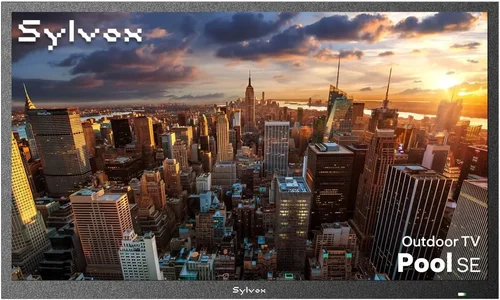
Outdoor living spaces have evolved dramatically over the past decade. What was once just a place for grilling and casual seating has transformed into fully equipped outdoor kitchens and entertainment zones—complete with refrigerators, sinks, countertops, and yes, even televisions. Among the most popular upgrades for these spaces is the outdoor deck TV. Whether you’re hosting summer barbecues, watching the big game under string lights, or enjoying a quiet evening with a movie, having a TV on your deck elevates the entire experience.
But buying an outdoor TV isn’t as simple as grabbing the first flat-screen you see at the electronics store. These devices face unique challenges: extreme temperatures, humidity, rain, dust, direct sunlight, and even wildlife. A standard indoor TV won’t survive long in such conditions—and worse, it could pose safety risks. That’s why investing in a purpose-built outdoor TV or a properly protected display is essential. This guide exists to help you navigate the complexities of choosing the right deck TV for your outdoor kitchen setup, ensuring you get a product that delivers performance, durability, and value for years to come.
In this comprehensive buying guide, you’ll learn everything you need to know to make a smart, informed decision. We’ll break down the key factors to consider—from weather resistance and brightness to smart features and installation requirements. You’ll discover the different types of outdoor TVs available, understand common pitfalls to avoid, and get expert-backed advice on budgeting and timing your purchase. By the end, you’ll have a clear roadmap tailored to your specific needs, whether you’re building a luxury outdoor kitchen or simply adding a screen to your existing deck.
The market for outdoor TVs has grown significantly, with more brands entering the space and technology advancing rapidly. Today’s options range from fully sealed, all-weather models designed for permanent outdoor use to indoor TVs housed in protective outdoor enclosures. Some offer 4K HDR clarity, built-in streaming apps, and voice control, while others prioritize ruggedness over flashy features. With so many choices, it’s easy to feel overwhelmed—but don’t worry. This guide cuts through the noise and delivers actionable insights based on real-world performance, expert testing, and user feedback. Let’s dive in.

What to Look for When Buying Buying Guide
1. Weather Resistance & IP Rating
When it comes to outdoor electronics, weather resistance isn’t optional—it’s mandatory. Your deck TV will be exposed to rain, snow, dust, pollen, and temperature swings that would quickly destroy a standard indoor model. The first thing to check is the TV’s Ingress Protection (IP) rating, which indicates how well the device resists solids (like dust) and liquids (like water).
For outdoor use, look for a minimum IP55 rating, which means the TV is protected against low-pressure water jets from any direction and limited dust ingress. However, if your deck is fully exposed or located in a region with heavy rainfall or snow, aim for IP65 or higher. IP65 offers complete dust protection and resistance to water projected from a nozzle—ideal for most uncovered decks. Some premium models boast IP66 or even IP67 ratings, providing near-total protection against powerful water jets or temporary immersion.
Beyond the IP rating, consider the TV’s internal design. True outdoor TVs are built with sealed cooling systems (often using passive convection rather than fans), corrosion-resistant components, and UV-stabilized casings to prevent yellowing or cracking from sun exposure. Avoid models that rely on ventilation holes or open-back designs—these invite moisture and pests.
2. Screen Brightness & Anti-Glare Technology
One of the biggest challenges with outdoor viewing is ambient light. Sunlight reflecting off the screen can wash out colors and make content nearly impossible to see during the day. That’s why outdoor TVs must deliver significantly higher brightness than their indoor counterparts.
Look for a minimum brightness of 700 nits (cd/m²), but ideally aim for 1,000 nits or more. For decks with direct southern or western exposure—where sunlight hits hardest—consider models rated at 1,500 nits or higher. These ultra-bright displays maintain visibility even in full midday sun.
Equally important is anti-glare or anti-reflective coating. Many outdoor TVs feature matte finishes or specialized optical filters that diffuse ambient light rather than reflecting it back to your eyes. Some high-end models also include automatic brightness sensors that adjust screen output based on surrounding light conditions, optimizing both visibility and energy efficiency.
Additionally, check the viewing angle. Outdoor seating often spreads across wide arcs, so a TV with a wide viewing angle (178° horizontal and vertical) ensures everyone gets a clear picture without color distortion or dimming when viewed from the side.
3. Build Quality & Durability
An outdoor TV isn’t just another appliance—it’s a long-term investment in your outdoor lifestyle. Durability matters not only for weather resistance but also for structural integrity, especially if your deck experiences strong winds, vibrations from nearby foot traffic, or accidental bumps.
Start by examining the chassis material. High-quality outdoor TVs use powder-coated aluminum or stainless steel frames that resist rust and corrosion. Avoid plastic-heavy builds, which can become brittle over time when exposed to UV rays and temperature fluctuations.
Pay attention to the mounting system as well. Most outdoor TVs support standard VESA patterns (like 200×200, 400×400, etc.), but ensure the included or recommended mount is rated for outdoor use and can handle the TV’s weight and size. Wall mounts should be anchored securely into structural framing—not just siding or drywall—and rated for wind loads if your area is prone to storms.
Internal components also matter. Look for TVs with solid-state storage (no moving parts), reinforced circuit boards, and conformal coating on electronics to prevent moisture damage. Some manufacturers even test their units in environmental chambers simulating years of exposure to heat, cold, salt fog, and humidity.
4. Performance Specifications
While durability keeps your TV alive, performance determines how much you’ll enjoy using it. Don’t assume that “outdoor-ready” means sacrificing picture quality. Modern outdoor TVs rival—and sometimes surpass—indoor models in key areas.
Resolution is a good starting point. 4K UHD (3840 x 2160) is now the standard for new TVs, offering four times the detail of Full HD. If you’re sitting within 8–10 feet of the screen, 4K makes a noticeable difference, especially for sports, nature documentaries, and streaming content. Avoid 1080p models unless you’re on a very tight budget—they’re becoming obsolete even for outdoor use.
HDR (High Dynamic Range) support is equally important. HDR10, Dolby Vision, or HLG (Hybrid Log-Gamma) enhance contrast, color depth, and brightness, making skies bluer, shadows deeper, and details crisper. This is especially valuable outdoors, where lighting conditions vary dramatically throughout the day.
Refresh rate matters too, particularly for fast-moving content like football or action movies. A 60Hz panel is acceptable for casual viewing, but 120Hz or higher (with motion interpolation) delivers smoother motion and reduces blur. Gamers should also look for low input lag (<30ms) and HDMI 2.1 support for next-gen consoles.
Audio performance often gets overlooked, but it’s crucial for outdoor environments where background noise (wind, traffic, chatter) can drown out dialogue. Many outdoor TVs include built-in speakers with 20W or higher output, but for serious entertainment, consider pairing your TV with weather-resistant outdoor speakers or a soundbar designed for exterior use.
5. Smart Features & Connectivity
Today’s outdoor TVs aren’t just dumb screens—they’re full-fledged smart platforms. Built-in Wi-Fi, Bluetooth, and streaming apps let you access Netflix, YouTube, Disney+, and more without needing a separate streaming device.
Check which operating system the TV uses. Roku TV, Android TV, and webOS are popular choices, each with its own app ecosystem and interface. Roku is known for simplicity and broad app support; Android TV offers deep customization and Google Assistant integration; webOS (used by LG) provides a sleek, intuitive experience with Magic Remote compatibility.
Voice control is another handy feature. Models with built-in microphones or compatibility with Alexa, Google Assistant, or Siri let you change channels, search for shows, or adjust volume hands-free—perfect when you’re grilling or entertaining guests.
Connectivity options are vital too. Ensure the TV has multiple HDMI ports (at least three), USB inputs for media playback, and possibly an Ethernet port for wired internet (more reliable than Wi-Fi in some outdoor setups). Some models also include optical audio out, component/composite inputs, or even RS-232 for integration with home automation systems.
If you plan to connect gaming consoles, sound systems, or cameras, verify compatibility and cable routing options. Outdoor TVs often have rear-access panels or side-mounted ports to keep cables organized and protected from the elements.
6. Size & Viewing Distance
Choosing the right screen size depends on your deck layout, seating arrangement, and typical viewing distance. Too small, and details get lost; too large, and the image becomes overwhelming or pixelated.
A general rule of thumb: divide your viewing distance (in inches) by 1.5 to 2.5 to estimate the ideal screen diagonal. For example, if viewers sit 10 feet (120 inches) away, a 50″ to 80″ TV works well. On a smaller deck with seating 6–8 feet away, a 43″ to 55″ screen is usually sufficient.
Consider sightlines as well. Mount the TV at eye level when seated—typically 42″ to 60″ from the ground—and avoid placing it where glare from windows or lights will interfere. If your deck has multiple seating zones, angle the mount or choose a model with excellent off-axis viewing.
Also think about future flexibility. If you might expand your outdoor kitchen or rearrange furniture, opt for a slightly larger screen now to avoid upgrading later. And remember: outdoor TVs are heavier and bulkier than indoor models, so ensure your mounting solution can accommodate the size and weight.
7. Brand Reputation & Ecosystem Compatibility
Not all outdoor TV brands are created equal. Some specialize exclusively in weather-resistant displays, while others adapt indoor models for outdoor use. Research the manufacturer’s track record for reliability, customer service, and innovation.
Established names like Samsung (with its Terrace line), LG (OLED Flex for semi-outdoor use), and SunBriteTV (a pioneer in outdoor displays) have proven their commitment to the category. These companies invest in R&D, offer comprehensive warranties, and provide detailed installation guides.
Smaller or lesser-known brands may offer lower prices, but be cautious. Check for third-party certifications (like UL Listed for safety or FCC compliance), read independent reviews, and verify that replacement parts and service are available in your region.
Also consider ecosystem compatibility. If you already use smart home devices from Apple, Google, or Amazon, choose a TV that integrates seamlessly. For example, Apple TV+ works best with AirPlay 2 support, while Google Cast requires Android TV or Chromecast built-in.
8. Warranty & Support
Outdoor electronics come with higher risks—and higher stakes—than indoor gear. A solid warranty can save you thousands in replacement costs if something goes wrong.
Look for at least a 2-year limited warranty covering parts and labor, with explicit mention of outdoor use. Some premium brands offer 3- or even 5-year coverage. Avoid “as-is” or refurbished units unless they come with a transferable warranty.
Check what the warranty includes. Does it cover accidental damage? Power surges? Corrosion? Is on-site service available, or do you have to ship the unit back? Also confirm whether the warranty is voided if installed incorrectly—many require professional installation by certified technicians.
Customer support matters too. Can you reach a human quickly? Are troubleshooting guides and firmware updates readily available? Brands with dedicated outdoor support teams tend to resolve issues faster and more effectively.
Different Types of Buying Guide

Common Buying Mistakes to Avoid
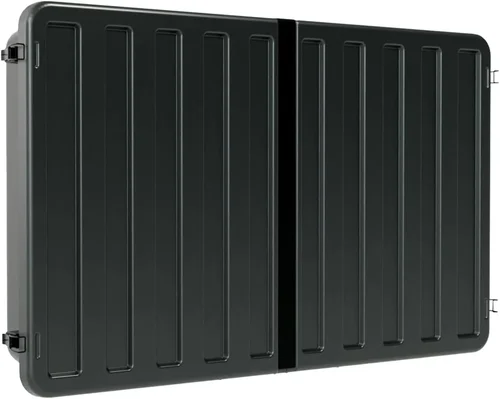
❌ Mistake: Using an Indoor TV Outdoors Without Protection
Why it’s bad: Indoor TVs lack weatherproofing, proper ventilation for outdoor temps, and UV-resistant materials. Exposure to moisture can cause short circuits, while heat buildup leads to premature failure. In worst cases, it creates a fire hazard.
What to do instead: Either invest in a certified outdoor TV or use a high-quality outdoor enclosure specifically designed for your TV model. Never rely on tarps, plastic covers, or DIY solutions—they trap heat and moisture.
❌ Mistake: Ignoring Sunlight and Glare Issues
Why it’s bad: A dim screen in bright sunlight results in a frustrating, unwatchable experience. You’ll constantly adjust seating or squint, defeating the purpose of having a TV outdoors.
What to do instead: Prioritize brightness (1,000+ nits) and anti-glare coatings. Test potential models in similar lighting conditions if possible, or read detailed reviews that address daytime visibility.
❌ Mistake: Overlooking Power and Connectivity Needs
Why it’s bad: Running extension cords across your deck is unsafe and unsightly. Poor Wi-Fi signal can cause buffering, especially if your router is indoors.
What to do instead: Plan electrical wiring during deck construction or hire an electrician to install an outdoor-rated outlet near the TV. Use a Wi-Fi extender or mesh network to boost signal strength outdoors.
❌ Mistake: Choosing the Wrong Mounting Solution
Why it’s bad: A weak or improperly installed mount can cause the TV to fall, damaging the unit and posing injury risks. Wind loads can also stress mounts over time.
What to do instead: Use a mount rated for outdoor use and your TV’s weight/size. Anchor it into structural beams—not just surface materials—and consider tilt/swivel features for optimal viewing angles.
❌ Mistake: Skipping the Warranty Fine Print
Why it’s bad: Many warranties exclude outdoor use or require professional installation. If your TV fails and the warranty is void, you’re stuck with a costly repair or replacement.
What to do instead: Read the warranty terms carefully before buying. Confirm that outdoor use is covered and understand what voids the warranty (e.g., DIY installation, power surges without a surge protector).
❌ Mistake: Buying Based Solely on Price
Why it’s bad: The cheapest option often sacrifices durability, brightness, or support. You may end up replacing it within a year, costing more in the long run.
What to do instead: Balance budget with essential features. A mid-range outdoor TV with solid weatherproofing and brightness often offers better value than a bargain model that fails prematurely.
❌ Mistake: Not Planning for Future Upgrades
Why it’s bad: Technology evolves quickly. A TV with limited ports or outdated OS may become obsolete sooner, forcing an early upgrade.
What to do instead: Choose a model with modern connectivity (HDMI 2.1, USB-C), regular firmware updates, and compatibility with current streaming platforms. This extends its usable life.
Budget Guidelines: How Much Should You Spend?
Outdoor TVs represent a significant investment, but understanding price tiers helps you align spending with your needs and expectations.
Entry-Level ($800 – $1,800): This range typically includes indoor TVs paired with basic outdoor enclosures or smaller portable outdoor models. Picture quality is decent (often 4K), but brightness may be limited (500–700 nits), and build quality varies. Best for covered patios with minimal sun exposure or temporary setups. Expect shorter lifespans (3–5 years) and limited warranty coverage.
Mid-Range ($1,800 – $3,500): The sweet spot for most homeowners. These are often fully sealed outdoor TVs with 700–1,200 nits brightness, robust weatherproofing (IP55–IP65), and reliable smart platforms. Brands like SunBriteTV and Seura offer strong options here. You’ll get 4K HDR, good audio, and 2–3 year warranties. Ideal for semi-covered decks with moderate sun and weather exposure.
Premium ($3,500 – $6,000): For enthusiasts and those building high-end outdoor kitchens. These models feature 1,200–2,000+ nits brightness, commercial-grade components, advanced thermal management, and premium finishes. Expect superior color accuracy, wider viewing angles, and integration with home automation systems. Warranties often extend to 3–5 years with on-site service.
Luxury ($6,000+): Top-tier options for luxury estates, commercial venues, or extreme climates. Think Samsung Terrace, LG OLED outdoor variants, or custom-built transparent displays. These offer cutting-edge tech, ultra-durable construction, and bespoke installation services. Prices can exceed $10,000 for large screens or unique configurations.
Expert Tips for Getting the Best Deal
- Buy during off-seasons: Prices drop significantly in late fall and winter (October–February) when outdoor living demand is low. Retailers often clear inventory before spring.
- Shop authorized dealers: Avoid third-party sellers on marketplaces unless verified. Authorized dealers honor warranties and provide better support.
- Bundle with installation: Some brands offer discounts when you purchase TV + mount + installation as a package. This also ensures proper setup.
- Check for rebates: Utility companies or local governments sometimes offer energy-efficiency rebates for outdoor electronics. Ask your retailer.
- Negotiate extended warranties: If the standard warranty is short, ask if you can upgrade at a discount. Sometimes it’s cheaper than buying separately.
- Read return policies: Ensure you can return or exchange the TV if it doesn’t perform as expected outdoors. Some retailers have strict no-return policies on outdoor gear.
- Test in person if possible: Visit a showroom to evaluate brightness, color, and interface. Online specs don’t always reflect real-world performance.
- Consider refurbished units: Certified refurbished outdoor TVs from reputable brands can save 20–30% and often come with full warranties.

Frequently Asked Questions
Q: Can I use a regular TV outside if I cover it?
A: Technically yes, but it’s not recommended. Covers trap heat and moisture, leading to overheating and corrosion. Even with a cover, indoor TVs lack UV protection and proper sealing. For safety and longevity, use a purpose-built outdoor TV or a certified outdoor enclosure.
Q: Do outdoor TVs consume more power?
A: Not necessarily. While brighter screens use more energy, many outdoor models include power-saving modes and efficient LED backlights. Look for ENERGY STAR certification to minimize electricity use.
Q: How do I clean an outdoor TV screen?
A: Use a microfiber cloth and mild, non-abrasive cleaner. Avoid ammonia-based products or paper towels, which can scratch the anti-glare coating. Power off the TV and let it cool before cleaning.
Q: Will an outdoor TV work in freezing temperatures?
A: Most outdoor TVs operate safely from -22°F to 122°F (-30°C to 50°C). However, extreme cold can temporarily reduce brightness. Ensure the model you choose specifies cold-weather performance.
Q: Can I mount an outdoor TV on a post or freestanding structure?
A: Yes, but the structure must be sturdy and anchored securely. Use a post mount rated for outdoor use and account for wind resistance. Consult a structural engineer if unsure.
Q: Do outdoor TVs come with remotes that work in sunlight?
A: Many include IR remotes that function in bright light, but some higher-end models offer RF remotes (which don’t require line-of-sight) or smartphone apps for better reliability outdoors.
Q: How long do outdoor TVs typically last?
A: With proper care, a quality outdoor TV can last 7–10 years or more. Cheaper models or those in harsh climates may need replacement sooner.
Q: Can I connect my outdoor TV to a sound system?
A: Absolutely. Use HDMI ARC, optical audio out, or Bluetooth to connect to weather-resistant outdoor speakers or a soundbar. Ensure all audio equipment is also rated for outdoor use.
Q: Are outdoor TVs safe during lightning storms?
A: While the TV itself is grounded through its power supply, it’s wise to unplug it during severe storms to protect against power surges. Use a whole-house surge protector for added safety.
Q: Do I need internet for an outdoor TV?
A: Only if you plan to stream content. You can still use HDMI inputs for cable boxes, gaming consoles, or local media without internet. However, smart features require a stable Wi-Fi connection.
Our Final Recommendations
Best for Budget-Conscious Buyers: SunBriteTV Veranda Series 55″ – Offers solid 4K performance, 700-nit brightness, and IP55 rating at a competitive price. Great for covered decks with partial sun exposure.
Best Overall Value: Samsung The Terrace 65″ – Combines stunning 1,500-nit brightness, Dolby Vision HDR, and robust weatherproofing. Ideal for uncovered decks and delivers premium picture quality.
Best Premium Option: LG OLED Flex (Outdoor Configuration) – While primarily an indoor TV, LG’s outdoor-ready version with specialized mounting and cooling delivers unparalleled contrast and color for discerning viewers.
Best for Beginners: Seura Outdoor TV 50″ – User-friendly interface, excellent customer support, and straightforward installation make this a great first outdoor TV.
Best for Advanced Users: Planar Luxe Outdoor Display 75″ – Commercial-grade build, 2,000-nit brightness, and integration with Crestron/Control4 systems for tech-savvy homeowners.
Conclusion: Making the Right Choice
Adding a TV to your outdoor kitchen transforms your deck from a simple cooking space into a true entertainment hub. But success hinges on choosing a display built to thrive in the elements—not just survive them. From weather resistance and screen brightness to smart features and long-term support, every decision shapes your viewing experience and the lifespan of your investment.
Remember, the best outdoor TV isn’t necessarily the most expensive or the biggest—it’s the one that matches your specific environment, usage patterns, and budget. Take time to assess your deck’s exposure, seating layout, and tech needs. Read reviews, compare specs, and don’t hesitate to consult professionals for installation.
With the insights from this guide, you’re now equipped to cut through marketing hype and make a confident, informed purchase. Whether you’re watching sunset movies with family or hosting game-day gatherings, your outdoor deck TV will deliver years of enjoyment—rain or shine. So go ahead, elevate your outdoor living, and start enjoying every moment under the open sky.

