
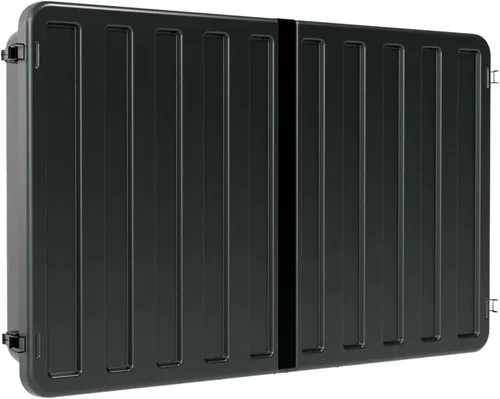
Welcome to the ultimate guide for choosing the perfect backyard TV for your screened porch in 2026. Whether you’re planning summer movie nights under the stars, catching every play of the big game with friends, or simply unwinding after a long day with your favorite show, having a reliable outdoor television can transform your outdoor living space into a true entertainment hub. But here’s the catch: not all TVs are built to handle the unique challenges of a screened porch environment—think humidity, temperature swings, glare from sunlight filtering through screens, and even occasional dust or insects. That’s why selecting the right model isn’t just about screen size or resolution—it’s about finding a unit engineered specifically for semi-outdoor use.
In this comprehensive buying guide, we’ll walk you through everything you need to know to make an informed decision. You’ll learn how to evaluate critical factors like weather resistance, brightness levels, audio performance, and smart functionality—all tailored to the realities of a screened porch setup. We’ll compare different types of outdoor TVs, highlight common pitfalls to avoid, break down budget expectations, and share expert tips to help you get the best value for your investment. By the end, you’ll have a clear roadmap to choose a TV that delivers stunning picture quality, lasting durability, and seamless integration into your outdoor lifestyle—without breaking the bank or ending up with a costly mistake.
The market for outdoor and semi-outdoor televisions has evolved dramatically over the past few years. What was once a niche category dominated by expensive, bulky all-weather models now includes a wide range of options—from affordable indoor TVs with added protective features to premium outdoor-specific displays with advanced anti-glare coatings and sealed enclosures. In 2026, brands like Samsung, LG, Sony, SunBriteTV, and Seura continue to innovate, offering sleeker designs, brighter panels, and smarter connectivity than ever before. Whether you’re on a tight budget or ready to splurge on a top-tier experience, there’s never been a better time to upgrade your screened porch with a dedicated backyard TV. Let’s dive in and find the perfect match for your space.

What to Look for When Buying Buying Guide
1. Weather Resistance & Environmental Protection
When it comes to installing a TV on a screened porch, weather resistance isn’t optional—it’s essential. Even though your porch is covered and screened, it’s still exposed to outdoor elements like humidity, temperature fluctuations, dust, pollen, and occasional moisture from rain or sprinklers. A standard indoor TV may work temporarily, but over time, these conditions can corrode internal components, fog the screen, or cause premature failure.
Look for TVs specifically rated for outdoor or semi-outdoor use. These models typically feature sealed enclosures that prevent moisture and debris from entering the electronics. Many also include conformal coating on circuit boards—a protective layer that guards against corrosion. Pay attention to IP (Ingress Protection) ratings if available; while full outdoor TVs often carry IP55 or higher (protecting against dust and water jets), screened porch models may not always list an IP rating but should still advertise “weather-resistant” or “outdoor-safe” construction. Brands like SunBriteTV and Seura specialize in this category and build their entire product lines around environmental resilience.
Another key consideration is operating temperature range. Most indoor TVs are designed to function between 32°F and 95°F (0°C to 35°C). But on a screened porch, especially in regions with harsh winters or scorching summers, temperatures can dip below freezing or soar above 100°F. Opt for a model that explicitly states a wider operating range—ideally from 20°F to 120°F (-7°C to 49°C)—to ensure reliable performance year-round.
2. Screen Brightness & Anti-Glare Performance
One of the biggest challenges of watching TV outdoors—even under a screened porch—is ambient light. Sunlight filtering through screens creates glare that can wash out colors and make details hard to see. This is where brightness becomes critical. While typical indoor TVs range from 300 to 500 nits of brightness, outdoor or semi-outdoor models often deliver 700 nits or more—some premium units exceed 2,000 nits.
High brightness alone isn’t enough, though. You also need effective anti-reflective coatings and matte finishes that diffuse light rather than reflecting it directly into your eyes. Look for terms like “anti-glare,” “low-reflectance,” or “direct sunlight readable” in product descriptions. Some manufacturers go further by incorporating optical bonding—a process where the LCD panel is fused directly to the protective glass layer, reducing internal reflections and improving clarity in bright conditions.
For screened porches that receive direct morning or afternoon sun, consider models with automatic brightness sensors that adjust screen luminance based on ambient light levels. This not only enhances viewing comfort but also helps conserve energy when full brightness isn’t needed. If you plan to watch during both day and night, ensure the TV has good local dimming or dynamic contrast capabilities to maintain deep blacks in darker scenes.
3. Audio Quality & Speaker Placement
Great picture quality means little if the sound doesn’t match. Unfortunately, many outdoor TVs—especially slim, weather-sealed models—sacrifice audio performance to maintain compact, protected designs. Built-in speakers are often underpowered, muffled, or positioned in ways that don’t project sound effectively in open-air environments.
Before buying, check the wattage and speaker configuration. A minimum of 20 watts total output (10W per channel) is recommended, but 30W or higher is ideal for filling a medium-sized porch. More importantly, consider whether the TV supports external audio solutions. Most modern outdoor TVs include HDMI ARC, optical audio out, or Bluetooth connectivity, allowing you to pair them with weather-resistant soundbars, outdoor speakers, or wireless audio systems.
If you’re mounting the TV high on a wall—common on screened porches—ensure the speakers fire downward or outward, not upward toward the ceiling. Some models even offer downward-firing or side-firing drivers specifically designed for elevated installations. For the best experience, we recommend investing in a dedicated outdoor audio system. Brands like Polk Audio, Bose, and JBL offer rugged, weatherproof speakers that complement your TV setup and deliver rich, room-filling sound without distortion.
4. Smart Features & Connectivity
In 2026, having a smart TV isn’t just convenient—it’s almost expected. Whether you stream Netflix, cast from your phone, or control your TV via voice commands, built-in smart platforms streamline the experience. However, not all smart TVs are created equal, especially in outdoor settings where Wi-Fi signals can be weaker due to distance from your router or interference from building materials.
Look for models running updated versions of popular platforms like Google TV, webOS (LG), or Tizen (Samsung). These offer intuitive interfaces, regular software updates, and broad app support. Ensure the TV has dual-band Wi-Fi (2.4GHz and 5GHz) for better connectivity, and consider models with Ethernet ports for a wired connection if your porch is near a network drop.
Connectivity options matter too. You’ll want multiple HDMI ports (at least three), USB inputs for media playback, and possibly composite or component inputs if you’re connecting older devices like a DVD player or game console. Some outdoor TVs also include weatherproof input covers—flaps that protect ports when not in use while allowing easy access during setup. This small detail can significantly extend the life of your connections by keeping moisture and dust out.
Voice control compatibility is another plus. Models with built-in Google Assistant or Alexa let you change channels, adjust volume, or search for content hands-free—perfect when you’re grilling or lounging with a drink in hand.
5. Size, Viewing Distance & Mounting Options
Choosing the right screen size depends on your viewing distance and porch layout. A common rule of thumb: for every 1 foot (30 cm) of viewing distance, aim for about 1 inch (2.5 cm) of screen diagonal. So, if you’ll be sitting 8 feet away, a 65-inch TV is ideal. But remember—on a screened porch, you may have multiple seating areas or angled views, so consider a slightly larger screen for flexibility.
Outdoor TVs come in sizes ranging from 43 inches up to 85 inches or more. For most screened porches, 55 to 75 inches strikes the best balance between immersion and practicality. Larger screens can overwhelm smaller spaces or require more powerful mounting hardware.
Mounting is equally important. Standard indoor TV mounts won’t cut it—you need a weather-resistant, full-motion or tilt mount rated for outdoor use. Look for powder-coated steel construction, corrosion-resistant bolts, and compatibility with VESA patterns (the standard mounting hole layout on the back of TVs). Many outdoor TV brands sell matching mounts designed specifically for their models, which simplifies installation and ensures stability.
If your porch has limited wall space, consider a ceiling mount or articulating arm that allows you to swing the TV into view only when needed. Just ensure the mounting surface (wall or ceiling) is structurally sound and can support the combined weight of the TV and bracket—typically 50–100+ pounds depending on size.
6. Energy Efficiency & Heat Management
Outdoor TVs often run longer hours than indoor models—think weekend marathons, holiday gatherings, or background viewing while gardening. This makes energy efficiency a worthwhile consideration, both for cost savings and environmental impact.
Check the Energy Star rating or annual power consumption (measured in kWh/year). Outdoor TVs with high brightness can draw significantly more power, so look for models with efficient LED backlighting, auto-dimming features, and sleep timers. Some units even include solar-ready options or low-power standby modes.
Heat management is another hidden factor. Electronics generate heat, and in an enclosed or partially shaded porch, poor ventilation can cause overheating—especially during summer months. Premium outdoor TVs incorporate passive cooling systems (like heat-dissipating aluminum frames) or active fans (quietly regulated to avoid noise). Avoid models that rely solely on convection cooling if your installation lacks airflow.
7. Brand Reputation & Customer Support
Not all outdoor TV brands are equal. While mainstream manufacturers like Samsung and LG now offer outdoor-compatible models, specialists like SunBriteTV, Seura, and Avid Power have spent years refining designs for real-world outdoor conditions. These companies often provide better warranties, dedicated customer service, and detailed installation guides.
Research brand reputation by reading professional reviews, checking BBB ratings, and joining outdoor living forums where users share long-term experiences. A brand that stands behind its products with responsive support and readily available replacement parts can save you headaches down the road—especially if you encounter issues with seals, brightness degradation, or connectivity.
8. Warranty & Return Policy
Given the investment involved, a strong warranty is non-negotiable. Most reputable outdoor TV brands offer 2–3 years of coverage, with some extending to 5 years for premium models. Pay attention to what’s covered: does it include labor, parts, and on-site service? Is accidental damage or weather-related failure included?
Also, review the return policy before purchasing. Ideally, you should have at least 30 days to test the TV in your actual environment. If the picture looks washed out at noon or the sound distorts at high volume, you’ll want the option to exchange or return it hassle-free.
Different Types of Buying Guide
Common Buying Mistakes to Avoid
❌ Mistake: Buying a Standard Indoor TV for Outdoor Use
Why it’s bad: Indoor TVs lack the sealing, brightness, and thermal management needed for even semi-outdoor environments. Humidity can seep into vents, causing internal corrosion, while low brightness makes daytime viewing nearly impossible. Many fail within 6–12 months.
What to do instead: Invest in a TV specifically designed for outdoor or screened porch use. If budget is tight, pair an indoor TV with a certified outdoor enclosure—but never leave an unprotected indoor model outside.
❌ Mistake: Ignoring Viewing Angles and Glare
Why it’s bad: A TV that looks great head-on may appear washed out or color-shifted when viewed from the side—common on porches with multiple seating areas. Glare from windows or screens can ruin the experience.
What to do instead: Choose a TV with wide viewing angles (look for IPS or OLED panels) and anti-reflective coatings. Test the placement during different times of day to assess glare.
❌ Mistake: Overlooking Audio Needs
Why it’s bad: Thin, muffled sound fails to compete with outdoor ambient noise like wind, birds, or distant traffic. You’ll constantly crank the volume, risking distortion.
What to do instead: Plan for external audio from day one. Budget for a weatherproof soundbar or speaker system, or choose a TV with robust built-in speakers and audio outputs.
❌ Mistake: Skimping on the Mount
Why it’s bad: A flimsy or non-weatherized mount can rust, loosen, or fail—especially under wind load or temperature changes. This risks damaging your TV or creating a safety hazard.
What to do instead: Buy a mount rated for outdoor use with corrosion-resistant materials. Have it professionally installed if you’re unsure about wall integrity.
❌ Mistake: Not Checking Wi-Fi Signal Strength
Why it’s bad: Weak signal leads to buffering, dropped connections, and frustration—especially with 4K streaming.
What to do instead: Test your Wi-Fi signal at the installation spot before buying. Consider a mesh network extender or powerline adapter if needed.
❌ Mistake: Forgetting About Power and Cable Management
Why it’s bad: Exposed cords look messy and pose tripping hazards. Moisture can damage unprotected connections.
What to do instead: Use outdoor-rated conduit or cable raceways. Ensure outlets are GFCI-protected and consider a surge protector designed for outdoor electronics.
❌ Mistake: Assuming All “Outdoor” TVs Are Equal
Why it’s bad: Some brands market TVs as “outdoor-ready” but only offer minor upgrades over indoor models. Others exaggerate brightness or durability claims.
What to do instead: Read third-party reviews, check spec sheets carefully, and prioritize brands with proven track records in outdoor display technology.
Budget Guidelines: How Much Should You Spend?
Entry-Level ($800 – $1,500): At this price point, you’re typically looking at indoor TVs paired with basic outdoor enclosures or entry-level semi-outdoor models from mainstream brands. Picture quality is decent, but brightness rarely exceeds 600 nits, and weather protection is minimal. Best for fully covered, low-humidity porches used primarily at night. Expect limited smart features and shorter lifespans (2–3 years with careful use).
Mid-Range ($1,500 – $3,000): This is the sweet spot for most screened porch owners. You’ll find purpose-built semi-outdoor TVs with 700–1,200 nits brightness, sealed designs, good smart platforms, and solid audio outputs. Brands like LG’s Outdoor series or Samsung’s Terrace line offer excellent value here. These models last 5+ years with proper care and deliver reliable performance in varied conditions.
Premium ($3,000 – $5,000): Designed for enthusiasts and those in challenging climates, premium models boast 1,500+ nits brightness, advanced anti-glare tech, fan-assisted cooling, and extended operating temperature ranges. Expect top-tier smart features, premium build quality, and comprehensive warranties. Ideal for porches with direct sun exposure or frequent daytime use.
Luxury ($5,000+): These are commercial-grade or custom solutions—think 85-inch OLEDs with 2,500+ nits, integrated heating/cooling systems, and professional installation services. Often used in high-end homes or hospitality settings, they offer unparalleled image quality and durability but come with a steep price tag and complex setup.

Expert Tips for Getting the Best Deal
– Buy during off-season sales: Late fall and winter (October–February) are ideal times to purchase outdoor TVs, as demand drops after summer. Look for Black Friday, Cyber Monday, and post-holiday clearance events.
– Compare retailers carefully: Big-box stores may offer competitive pricing, but specialty outdoor electronics retailers often provide better warranties, bundled mounts, and expert advice. Online marketplaces like Amazon can have deals, but verify seller reputation.
– Check for rebates and bundles: Some manufacturers offer rebates when you buy a TV and mount together. Utility companies in certain regions also provide energy-efficiency rebates for outdoor electronics.
– Read the fine print on warranties: Ensure coverage includes both parts and labor, and confirm whether on-site service is available in your area.
– Test before finalizing: If possible, visit a showroom to see the TV in bright lighting. If buying online, choose retailers with generous return windows (30+ days).
– Consider refurbished or open-box models: Certified pre-owned units from reputable sellers can save 20–30% off retail while offering the same performance and warranty.
– Invest in surge protection: Outdoor electronics are vulnerable to power surges from lightning or grid fluctuations. Use a high-quality outdoor surge protector with joule rating of 2,000+.
– Plan for future upgrades: Choose a TV with HDMI 2.1 and eARC support if you plan to add a next-gen sound system or gaming console later.

Frequently Asked Questions
Q: Can I use a regular indoor TV on my screened porch?
A: Technically yes—but it’s not recommended for long-term use. Indoor TVs lack weather sealing and sufficient brightness for outdoor conditions. Even on a screened porch, humidity and temperature swings can shorten their lifespan significantly. For occasional use in a fully covered, climate-controlled space, it might work short-term, but for regular viewing, invest in a proper semi-outdoor model.
Q: Do outdoor TVs need special power outlets?
A: Not necessarily, but they should be connected to a GFCI (Ground Fault Circuit Interrupter) outlet for safety, especially in damp areas. Avoid daisy-chaining multiple devices on one outlet, and use a surge protector rated for outdoor use.
Q: How do I clean my outdoor TV screen?
A: Use a microfiber cloth slightly dampened with water or a screen-safe cleaner. Never spray liquid directly on the screen. For the exterior, wipe with a dry or slightly damp cloth—avoid abrasive cleaners that could damage anti-glare coatings.
Q: Will my outdoor TV work in winter?
A: It depends on the model’s operating temperature range. Most semi-outdoor TVs function down to 20°F (-7°C), but performance may degrade in extreme cold. If your porch isn’t heated, choose a model with a low-temperature rating and consider covering it during deep freezes.
Q: Can I mount my outdoor TV myself?
A: If you’re experienced with wall mounting and electrical work, yes—but we strongly recommend professional installation for outdoor setups. Improper mounting can void warranties, damage walls, or create safety risks.
Q: Do outdoor TVs come with remotes that work in bright light?
A: Most include standard IR remotes, which can struggle in bright conditions. Some premium models offer RF remotes (which don’t require line-of-sight) or smartphone apps for control. Consider a universal remote with backlighting for easier use at night.
Q: How long do outdoor TVs typically last?
A: With proper care, a quality semi-outdoor TV should last 5–7 years. All-weather models can exceed 8–10 years. Lifespan depends on climate, usage frequency, and maintenance.
Q: Are outdoor TVs worth the extra cost?
A: Absolutely—if you use your screened porch regularly. The improved durability, brightness, and reliability justify the investment compared to replacing failed indoor TVs every couple of years.
Q: Can I stream 4K content on an outdoor TV?
A: Yes, most modern outdoor TVs support 4K resolution and HDR. Just ensure your internet connection is fast enough (25+ Mbps for 4K streaming) and that the TV has robust Wi-Fi or Ethernet.
Q: What’s the difference between “outdoor” and “semi-outdoor” TVs?
A: Full outdoor TVs are built to withstand direct rain, snow, and dust (IP55+ rated). Semi-outdoor models are designed for covered areas like screened porches—they resist humidity and glare but aren’t meant for fully exposed locations.
Our Final Recommendations
Best for Budget-Conscious Buyers: LG 55″ Outdoor UHD TV (Model 55UT7700) – At around $1,600, this model offers 800 nits brightness, webOS smart platform, and a sealed design perfect for screened porches. Great value without sacrificing core outdoor features.
Best Overall Value: Samsung The Terrace 65″ Partial Sun Outdoor TV – Priced near $2,800, it delivers 1,500 nits brightness, excellent color accuracy, and robust weather resistance. Ideal for mixed day/night use with strong smart functionality.
Best Premium Option: SunBriteTV Veranda Series 75″ 4K UHD – At $4,200, this is a top-tier choice for serious outdoor entertainers. Features 2,000+ nits, fan cooling, and a 3-year warranty. Built to last in demanding environments.
Best for Beginners: Seura 55″ Outdoor TV with Integrated Soundbar – Around $2,200, this all-in-one solution simplifies setup with built-in weatherproof audio and easy mounting. Perfect for first-time outdoor TV owners.
Best for Advanced Users: Avid Power 85″ Commercial-Grade Outdoor Display – For tech-savvy users wanting maximum performance, this $6,500 beast offers 2,500 nits, modular design, and professional-grade connectivity. Best for large porches or commercial applications.
Conclusion: Making the Right Choice
Choosing the right backyard TV for your screened porch is about more than just picking the biggest or brightest screen—it’s about matching technology to your lifestyle, environment, and long-term goals. From weather resistance and glare management to audio quality and smart features, every detail matters when you’re bringing entertainment outdoors. By prioritizing your specific needs—whether that’s budget, durability, or immersive viewing—you can avoid common pitfalls and invest in a TV that enhances your outdoor living space for years to come.
Remember, a screened porch is a transitional zone between indoors and out, and your TV should reflect that balance. Don’t settle for a compromise that leaves you squinting at a dim screen or replacing a fried unit after one rainy season. Instead, use this guide as your roadmap to find a model that’s built for the elements, optimized for your viewing habits, and backed by reliable support.
Take your time, compare options, and don’t hesitate to consult professionals for installation or advice. Your perfect backyard TV awaits—and with it, countless evenings of relaxation, connection, and joy under the open sky. Now go enjoy your porch like never before.

