
The idea of enjoying your favorite shows, movies, or live sports from the comfort of your balcony or patio is undeniably appealing. Whether you’re sipping coffee on a crisp morning, hosting a summer barbecue, or unwinding under the stars, having a reliable outdoor TV transforms your outdoor space into a true extension of your living room. But unlike indoor televisions, outdoor TVs face unique challenges—harsh sunlight, fluctuating temperatures, humidity, rain, and dust. That’s why choosing the right backyard TV isn’t just about screen size or resolution; it’s about finding a display built to thrive in the elements while delivering a high-quality viewing experience.
This comprehensive buying guide is designed to help you navigate the often-confusing world of outdoor televisions. Whether you’re a first-time buyer or looking to upgrade your current setup, we’ll walk you through every critical decision point—from understanding weatherproof ratings and brightness levels to evaluating smart features and installation options. By the end of this guide, you’ll have the knowledge and confidence to select a backyard TV that fits your space, budget, and lifestyle. We’ll also highlight common pitfalls, share expert tips for getting the best deal, and provide real-world recommendations based on performance, durability, and value.
The outdoor TV market has evolved significantly in recent years. What once consisted of bulky, expensive specialty models has now expanded to include a wide range of options—from affordable weather-resistant displays to ultra-bright, full-outdoor smart TVs with built-in streaming and voice control. Brands like Samsung, LG, Sony, and outdoor specialists such as SunBriteTV and Seura have pushed the envelope in terms of technology and design. At the same time, traditional indoor TVs are being retrofitted with outdoor enclosures, offering a more budget-friendly alternative. With so many choices, it’s easy to feel overwhelmed. This guide cuts through the noise, offering a clear, expert-backed roadmap to help you make the smartest investment for your outdoor entertainment needs.
What to Look for When Buying Buying Guide
1. Weather Resistance & IP Rating
One of the most critical factors when selecting a backyard TV is its ability to withstand outdoor conditions. Unlike indoor TVs, outdoor models must resist moisture, dust, extreme temperatures, and UV exposure. The first thing to check is the TV’s Ingress Protection (IP) rating, which indicates how well the device is sealed against environmental elements. For outdoor use, look for a minimum IP55 rating—this means the TV is protected against low-pressure water jets and limited dust ingress. For full outdoor exposure (like an open balcony or patio without a roof), aim for IP65 or higher, which offers complete dust protection and resistance to water projected from a nozzle.
In addition to the IP rating, consider the TV’s operating temperature range. Most outdoor TVs are designed to function between -22°F and 122°F (-30°C to 50°C), but this can vary by model. If you live in an area with harsh winters or scorching summers, verify that the TV can handle your local climate. Also, check whether the TV includes a built-in heater or cooling system—these features help maintain optimal internal temperatures and prevent damage from condensation or overheating.
Another aspect of weather resistance is the screen coating. Many outdoor TVs feature anti-glare or anti-reflective coatings that reduce sun glare and improve visibility in bright conditions. Some models also use tempered glass or acrylic shields to protect the display from scratches and impacts. Always confirm that the TV’s housing is made from corrosion-resistant materials like aluminum or powder-coated steel, especially if you live near the coast where salt air can accelerate rust.
2. Brightness & Display Quality
Outdoor viewing presents a major challenge: ambient light. Even on a cloudy day, sunlight can wash out an indoor TV’s image, making it difficult to see details or colors. That’s why brightness—measured in nits—is one of the most important specs for a backyard TV. While most indoor TVs range from 300 to 600 nits, outdoor models typically start at 700 nits and can go as high as 2,500 nits or more. For shaded patios or balconies with partial cover, a brightness of 1,000 to 1,500 nits is usually sufficient. However, if your TV will be exposed to direct sunlight, aim for at least 2,000 nits to maintain a clear, vibrant picture.
Beyond brightness, consider the display technology. LED-LCD panels are the most common and offer a good balance of brightness, color accuracy, and affordability. Some premium models use QLED or OLED technology, which deliver deeper blacks and richer colors—ideal for evening viewing. However, OLEDs can be more susceptible to burn-in and may not perform as well in extreme heat, so they’re better suited for covered areas. Resolution is also key: 4K UHD is now the standard for outdoor TVs, providing sharp, detailed images even on larger screens. If you plan to sit close to the TV (e.g., on a small balcony), consider a higher pixel density (PPI) for a more immersive experience.
Don’t overlook viewing angles. Outdoor spaces often have multiple seating areas, so a TV with wide viewing angles (at least 178 degrees) ensures everyone gets a good picture. Look for IPS (In-Plane Switching) panels, which offer better color consistency from the sides compared to VA panels. Finally, check for local dimming or HDR (High Dynamic Range) support, which enhances contrast and makes bright and dark scenes pop—especially useful when watching movies or sports outdoors.
3. Size & Viewing Distance
Choosing the right screen size for your balcony or patio depends on several factors, including available space, seating arrangement, and viewing distance. A TV that’s too large can overwhelm a small area, while one that’s too small may be hard to see from a distance. As a general rule, the optimal viewing distance is about 1.5 to 2.5 times the diagonal screen size. For example, a 55-inch TV is best viewed from 6.9 to 11.5 feet away. Use a tape measure to determine how far your seating area is from the proposed TV location, then match it to the appropriate size.
For small balconies or compact patios, consider a 43- to 55-inch TV. These sizes offer a cinematic experience without dominating the space. If you have a larger deck or outdoor living area, 65-inch or 75-inch models provide a more immersive experience, especially for group viewing. Keep in mind that larger screens require more power and may need a stronger mounting solution. Also, check the TV’s depth—some outdoor models are thicker than indoor ones due to weatherproofing, so ensure there’s enough clearance from walls or railings.
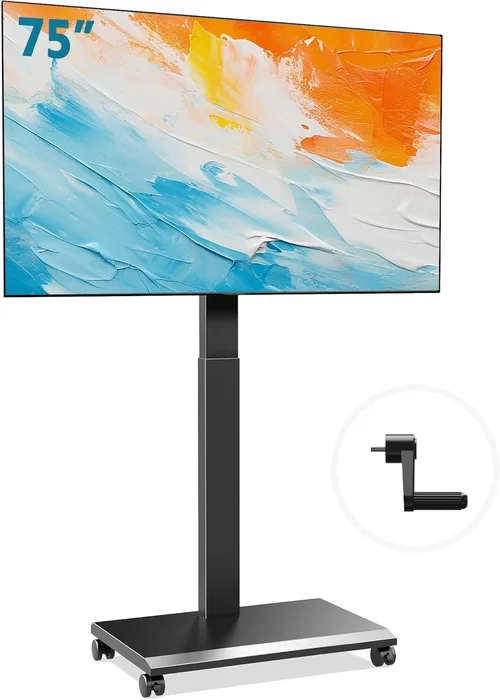
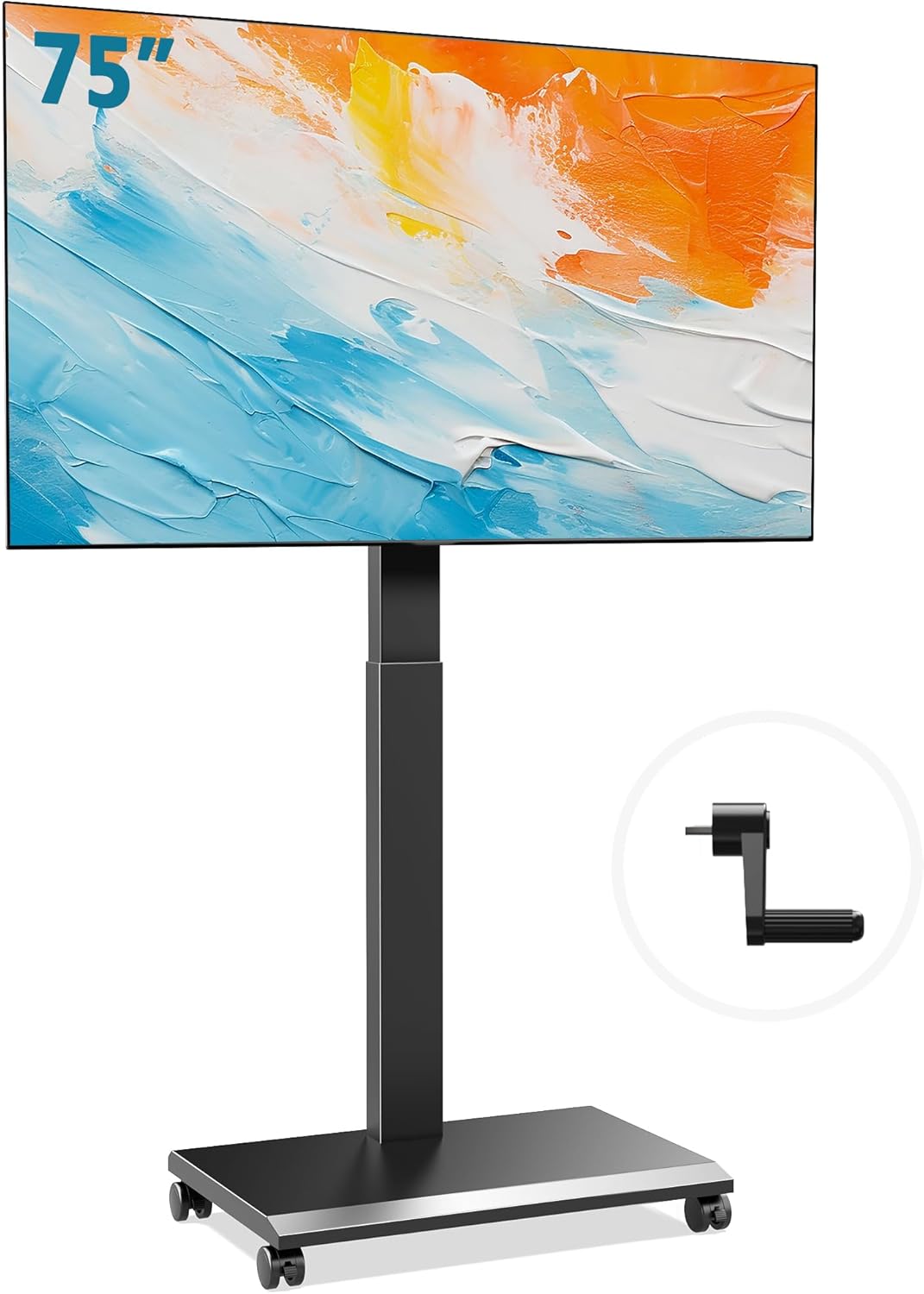
Portability is another consideration. If you plan to move the TV between indoor and outdoor spaces (e.g., bringing it inside during winter), look for lightweight models with built-in handles or optional rolling stands. Some outdoor TVs are designed to be easily removable, allowing you to store them safely during off-seasons. For permanent installations, ensure the TV can be securely mounted using a compatible outdoor-rated bracket. Always follow the manufacturer’s guidelines for mounting height and angle to optimize viewing comfort.
4. Smart Features & Connectivity
Modern outdoor TVs come equipped with smart platforms that allow you to stream content directly without needing an external device. Popular operating systems include Android TV, webOS (LG), Tizen (Samsung), and Roku TV. These platforms offer access to major streaming services like Netflix, Hulu, Disney+, and YouTube, as well as voice control via Google Assistant or Amazon Alexa. If you prefer a specific ecosystem (e.g., Apple AirPlay or Google Cast), make sure the TV supports it.
Connectivity is equally important. Look for multiple HDMI ports (at least 3–4), USB ports for media playback, and an Ethernet port for a stable wired internet connection. Wi-Fi 5 or Wi-Fi 6 support ensures fast, reliable streaming, especially if your outdoor space is far from your router. Some models include built-in Bluetooth for connecting wireless speakers or headphones—useful for late-night viewing without disturbing others.
For added convenience, consider TVs with built-in tuners for over-the-air (OTA) broadcasts. This allows you to watch local news, sports, and network shows without a cable subscription. If you plan to connect gaming consoles, soundbars, or other devices, verify that the TV has the necessary inputs and supports features like HDMI-CEC (for device control) and ARC/eARC (for audio return). Also, check for firmware update capabilities—regular updates can improve performance and add new features over time.
5. Audio Quality & Sound Solutions
While picture quality often takes center stage, audio is just as important for an enjoyable outdoor viewing experience. Most outdoor TVs come with built-in speakers, but due to space and weatherproofing constraints, these are often underpowered and lack bass. If you’re watching movies, sports, or music-heavy content, you’ll likely need an external audio solution.
Options include wireless Bluetooth speakers, outdoor soundbars, or a full outdoor speaker system. Look for weather-resistant audio gear with an IP rating of at least IPX5. Many outdoor TVs support audio output via optical, HDMI ARC, or Bluetooth, making it easy to connect external speakers. For a seamless setup, consider models with built-in voice enhancement or dialogue clarity features, which help voices stand out over background noise like wind or traffic.
If you’re installing the TV in a noisy environment (e.g., near a busy street or pool), invest in a high-quality sound system with good volume and clarity. Some premium outdoor TVs include advanced audio technologies like Dolby Atmos or DTS:X, which create a more immersive soundscape. However, these are typically found in higher-end models and may require compatible speakers to fully utilize.
6. Installation & Mounting Options
Proper installation is crucial for both performance and safety. Outdoor TVs must be mounted securely to withstand wind, vibrations, and potential tampering. Most models are VESA-compatible, meaning they can be attached to standard wall mounts, ceiling mounts, or articulating arms. Choose a mount rated for outdoor use—these are typically made from rust-proof materials and have reinforced joints.
Consider the TV’s placement carefully. Avoid direct exposure to rain, snow, or intense sunlight. If possible, install the TV under an eave, pergola, or awning for added protection. For balconies, ensure the mounting surface (wall or railing) can support the TV’s weight—most outdoor TVs weigh between 30 and 60 pounds, plus the mount. Use a stud finder to locate solid anchoring points, and always use stainless steel or galvanized hardware to prevent corrosion.
Cable management is another key factor. Outdoor installations often require longer cables, so plan your routing to minimize tripping hazards and protect wires from the elements. Use weatherproof conduit or cable covers to shield HDMI, power, and Ethernet cables. Some TVs include built-in cable management systems or rear panels to keep connections tidy. If you’re not comfortable with DIY installation, hire a professional—many retailers offer installation services, and it’s worth the investment for peace of mind.
7. Brand Reputation & Reliability
Not all outdoor TVs are created equal, and brand reputation plays a significant role in long-term reliability. Established brands like Samsung, LG, and Sony have a proven track record of quality and customer support, even in their outdoor lines. However, specialty manufacturers like SunBriteTV, Seura, and Avid Power are specifically designed for outdoor use and often outperform mainstream brands in harsh conditions.
Research customer reviews and professional ratings from trusted sources like CNET, Wirecutter, or Consumer Reports. Pay attention to feedback about durability, customer service, and real-world performance. Look for brands that offer comprehensive warranties—typically 2–3 years for outdoor models—and have accessible repair or replacement programs. Avoid unknown or off-brand TVs that may cut corners on materials or testing.
Also, consider the availability of replacement parts and service centers in your area. If something goes wrong, you don’t want to wait weeks for a repair. Brands with strong regional support networks are more likely to resolve issues quickly. Finally, check if the brand offers firmware updates and software support—this ensures your TV stays compatible with new apps and security standards.
8. Warranty & After-Sales Support
A robust warranty is essential for any outdoor electronics purchase. Exposure to the elements increases the risk of malfunction, so you want assurance that your investment is protected. Most reputable outdoor TVs come with a 2- to 3-year limited warranty that covers defects in materials and workmanship. Some premium models offer extended warranties or optional service plans.
Read the warranty terms carefully. Some manufacturers require professional installation for the warranty to be valid, while others may void coverage if the TV is used in conditions outside its specified range (e.g., sub-zero temperatures). Also, check whether the warranty includes on-site service or if you’ll need to ship the TV for repairs. For added peace of mind, consider purchasing an extended warranty or protection plan from the retailer.
After-sales support is just as important. Look for brands with responsive customer service, clear documentation, and online resources like setup guides and troubleshooting tools. Some companies offer live chat or phone support, which can be invaluable if you run into issues. Avoid brands with poor reviews regarding customer service—no matter how good the TV is, poor support can turn a great product into a frustrating experience.

