
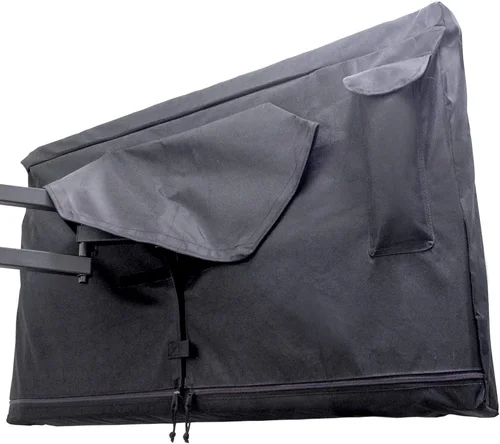
If you’ve ever dreamed of enjoying your favorite show, movie, or live sports game while sipping coffee on your small patio, you’re not alone. Outdoor living spaces have become extensions of our homes—places to relax, entertain, and unwind. But bringing technology outdoors comes with unique challenges. Standard indoor TVs simply aren’t built to withstand rain, humidity, extreme temperatures, or dust. That’s where weatherproof TVs come in. These ruggedized displays are engineered specifically for outdoor use, offering protection against the elements while delivering solid picture quality.
However, not all weatherproof TVs are created equal—and many come with premium price tags that can stretch well beyond $2,000. For homeowners with modest outdoor setups like a small covered patio, balcony, or screened-in porch, investing in a high-end commercial-grade outdoor display might be overkill. That’s why this guide focuses exclusively on budget-friendly options that balance affordability, durability, and performance. Whether you’re looking to stream Netflix under string lights or catch the big game during a backyard barbecue, we’ll help you find a TV that fits your space, your needs, and your wallet.
In this comprehensive buying guide, you’ll learn everything you need to know to make a smart, informed decision. We’ll break down the key factors to consider—from IP ratings and screen brightness to smart features and warranty coverage—so you understand what truly matters when choosing an outdoor TV. You’ll also discover common pitfalls to avoid, realistic budget expectations, and expert tips for getting the best deal. By the end, you’ll have a clear roadmap to selecting the ideal weatherproof TV for your small patio without overspending or compromising on essential functionality.
The market for outdoor TVs has evolved significantly in recent years. Once dominated by a handful of premium brands like SunBriteTV and Samsung’s Terrace series, it now includes more accessible options from mainstream manufacturers and specialized outdoor tech companies. At the same time, advancements in display technology—such as improved anti-glare coatings, brighter LED backlights, and better thermal management—have made budget models more capable than ever. Yet, despite these improvements, confusion still abounds. Many buyers mistakenly assume that any TV labeled “weather-resistant” is suitable for full outdoor exposure, or they overlook critical specs like operating temperature ranges. This guide cuts through the noise, offering practical, real-world advice tailored specifically to small-space outdoor viewing.

What to Look for When Buying Buying Guide
1. Budget & Price Range
When shopping for a budget weatherproof TV, it’s essential to define your spending limit upfront. While “budget” is relative, for the purposes of this guide, we consider anything under $1,200 as affordable for a dedicated outdoor display. Prices can range from as low as $400 for basic models to around $1,000–$1,200 for units with enhanced features like higher brightness, better weather sealing, or integrated smart platforms. Keep in mind that even within this range, you’ll find significant differences in build quality and performance.
Don’t be tempted to go for the absolute cheapest option without checking its specifications. A $350 TV marketed as “outdoor-ready” may only offer minimal splash resistance and could fail within months in humid or rainy conditions. Instead, aim for the sweet spot between $600 and $900, where you’ll typically find reliable mid-tier models from reputable brands. Also, factor in potential additional costs such as mounting hardware, extended warranties, or professional installation—especially if your patio lacks easy access to power or requires custom wiring.
2. Performance Specifications
Outdoor viewing demands different performance metrics than indoor TVs. Brightness is arguably the most critical spec—measured in nits—because sunlight and ambient glare can easily wash out a dim screen. For a small covered patio, look for a minimum of 700 nits, but ideally 1,000 nits or higher if your space gets direct sun at any point during the day. Many budget outdoor TVs now include anti-reflective coatings or optically bonded screens that reduce glare without sacrificing color accuracy.
Resolution should also be a priority. While 1080p (Full HD) is acceptable for smaller screens (under 43 inches), we strongly recommend 4K UHD for anything 50 inches or larger. The increased pixel density ensures sharper details, especially when sitting close to the screen—a common scenario on compact patios. Refresh rate matters less for casual viewing but consider at least 60Hz; some budget models offer 120Hz, which improves motion handling for sports and action content.
Audio performance is another often-overlooked area. Most outdoor TVs have limited built-in speakers due to space and weatherproofing constraints. If you plan to rely on the TV’s audio, look for models with at least 10W output per channel and support for external sound systems via optical or HDMI ARC. Otherwise, pairing your TV with weather-resistant outdoor speakers is a wise move.
3. Build Quality & Durability
A weatherproof TV must endure more than just rain—it needs to handle temperature swings, UV exposure, dust, and even occasional hail. The first line of defense is the IP (Ingress Protection) rating. For outdoor use, an IP55 rating is the bare minimum, meaning the TV is protected against low-pressure water jets and limited dust ingress. However, for full peace of mind—especially in regions with heavy rain or snow—opt for IP65 or higher. IP65 ensures complete dust protection and resistance to water projected from any direction.
Materials matter too. Look for powder-coated aluminum chassis instead of plastic, which can degrade under UV light. Sealed ports, rubber gaskets around buttons, and corrosion-resistant screws are all signs of thoughtful engineering. Internal components should also be rated for outdoor operating temperatures, typically between -22°F and 122°F (-30°C to 50°C). Cheaper models may only support 32°F to 104°F, which could cause shutdowns on very cold winter mornings or hot summer afternoons.
Finally, consider ventilation. Unlike indoor TVs, outdoor models often use passive cooling (no fans) to maintain a sealed enclosure. Ensure the unit has adequate heat dissipation design—look for heat sinks or vent channels that don’t compromise the weather seal. Overheating is a leading cause of premature failure in budget outdoor displays.
4. Features & Functionality
Smart capabilities are increasingly standard even in budget outdoor TVs. Platforms like Roku TV, Android TV, or webOS allow you to stream content directly without needing an external device. This is especially convenient for patios where running HDMI cables from an indoor media center isn’t practical. Check which apps are pre-installed and whether the interface receives regular updates—some budget brands use outdated or stripped-down versions of smart OSes that lack key services like Netflix or Disney+.
Connectivity is equally important. Ensure the TV has multiple HDMI ports (at least two), USB inputs for media playback, and preferably an Ethernet port for stable wired internet. Wi-Fi 5 (802.11ac) is sufficient for most users, but Wi-Fi 6 support future-proofs your setup. Some models also include Bluetooth for wireless audio streaming to headphones or speakers.
Remote control design deserves attention too. Look for remotes with backlighting or large, tactile buttons that are easy to use in low light. Better yet, choose a TV that supports smartphone app control—this eliminates the risk of losing the remote outdoors and allows for voice commands via Google Assistant or Alexa.
5. Brand Reputation
Not all brands that sell outdoor TVs specialize in them. Some mainstream manufacturers repackage indoor models with minimal weatherproofing and market them as “outdoor-ready”—a practice that can lead to disappointment and costly replacements. Stick with companies known for outdoor electronics, such as Seura, Sylvane, or specialized retailers like Outdoor TV Direct, which curate tested products.
Research customer service responsiveness and technical support availability. A brand might offer a great price, but if they take weeks to respond to warranty claims or don’t stock replacement parts, you could be left with a non-functional TV during peak outdoor season. Read verified buyer reviews on sites like Amazon, Best Buy, or specialty forums to gauge real-world reliability.
Also, watch out for “white-label” brands—generic manufacturers that sell identical TVs under different names. These often lack consistent quality control and long-term support. If a brand doesn’t have a professional website, detailed spec sheets, or a physical address, proceed with caution.
6. Warranty & Support
Outdoor TVs face harsher conditions than their indoor counterparts, so a robust warranty is non-negotiable. Most reputable budget models come with at least a 1-year limited warranty, but aim for 2–3 years if possible. Pay close attention to what’s covered: does it include labor, parts, and shipping? Is accidental damage or power surge protection included? Some brands offer optional extended plans that cover environmental damage beyond the standard terms.
Check whether the warranty is honored by third-party retailers or only through the manufacturer. Buying directly from the brand often streamlines support, but authorized dealers may offer better pricing or bundled services. Avoid sellers who void the warranty if you install the TV yourself—most outdoor TVs are designed for DIY mounting, and reputable brands won’t penalize you for it.
Lastly, verify the return policy. A 30-day window is standard, but some retailers offer 60 or even 90 days—valuable if you need time to test the TV in your specific outdoor environment.
7. Size & Portability
For a small patio, screen size should match your viewing distance and available wall or stand space. A 43-inch TV is ideal for distances of 4–6 feet, while a 50- to 55-inch model works best at 6–8 feet. Going larger than 55 inches on a tiny patio can feel overwhelming and may require a wider mounting area or stronger support structure.
Portability isn’t usually a priority for permanent installations, but if you plan to move the TV between seasons (e.g., storing it indoors in winter), consider weight and handle placement. Some budget models include built-in handles or lightweight frames that make relocation easier. However, true portability often sacrifices durability—so weigh convenience against long-term resilience.
Mounting flexibility is crucial. Ensure the TV supports VESA standards (common patterns like 200×200 or 400×400) so you can use aftermarket weatherproof mounts. Tilt and swivel capabilities help optimize viewing angles, especially if your patio has uneven sightlines or multiple seating areas.
8. User Reviews & Ratings
Never rely solely on manufacturer claims. Real user feedback reveals how a TV performs in actual outdoor conditions—something specs alone can’t convey. Look for reviews that mention specific weather events (e.g., “survived a thunderstorm” or “still works after a humid summer”) and long-term reliability (“used daily for 18 months”).
Pay attention to recurring complaints. If multiple users report the same issue—like poor Wi-Fi connectivity, fogging inside the screen, or unresponsive buttons—it’s likely a design flaw rather than an isolated defect. Conversely, consistent praise for brightness, ease of setup, or customer service can signal a trustworthy product.
Use aggregate rating platforms like Trustpilot, Consumer Reports (if available), or YouTube review channels that specialize in outdoor tech. Video reviews are particularly helpful for assessing screen visibility in daylight and build quality up close.
Different Types of Buying Guide

Common Buying Mistakes to Avoid
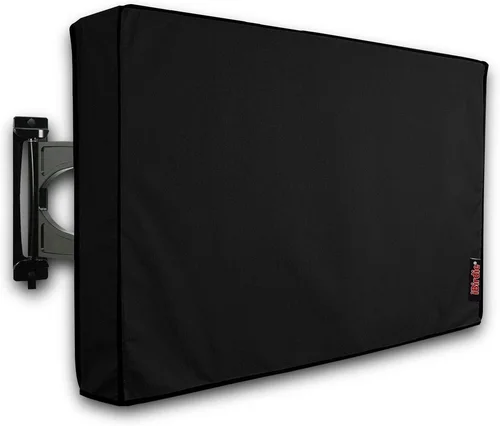
❌ Mistake: Assuming All “Outdoor” TVs Are Equal
Why it’s bad: Many retailers label standard indoor TVs as “suitable for outdoor use” simply because they come with a weatherproof cover. These covers often lack proper ventilation, leading to overheating, or fail to seal ports adequately, allowing moisture ingress.
What to do instead: Only buy TVs explicitly designed and certified for outdoor installation. Look for terms like “fully weatherproof,” “all-weather,” or specific IP ratings in the product description—not just “includes outdoor cover.”
❌ Mistake: Ignoring Operating Temperature Range
Why it’s bad: A TV that works fine in summer may shut down or suffer permanent damage in winter if it’s not rated for low temperatures. Similarly, extreme heat can cause screen discoloration or component failure.
What to do instead: Check the spec sheet for the operating temperature range. For most U.S. climates, ensure the TV functions between at least 14°F and 113°F (-10°C to 45°C). If you live in a region with harsh winters or scorching summers, aim for wider tolerances.
❌ Mistake: Overlooking Screen Brightness Needs
Why it’s bad: A dim screen (under 500 nits) will be nearly unwatchable in daylight, even on a shaded patio. You’ll constantly adjust seating or pull curtains, defeating the purpose of outdoor viewing.
What to do instead: Prioritize brightness over other specs like HDR or refresh rate. For covered patios, 700–1,000 nits is ideal. If your space gets any direct sun, go for 1,200+ nits.
❌ Mistake: Skimping on Mounting Hardware
Why it’s bad: Using indoor mounts or flimsy brackets outdoors can lead to sagging, corrosion, or even the TV falling—posing safety risks and voiding warranties.
What to do instead: Invest in a certified weatherproof mount with rust-resistant materials (e.g., stainless steel or coated aluminum). Ensure it’s rated for your TV’s weight and supports the required VESA pattern.
❌ Mistake: Neglecting Power Protection
Why it’s bad: Outdoor electrical setups are more vulnerable to power surges from lightning or grid fluctuations, which can fry sensitive electronics.
What to do instead: Use a high-quality outdoor surge protector with at least 2,000 joules of protection. Consider a UPS (uninterruptible power supply) if you experience frequent outages.
❌ Mistake: Buying Without Testing Return Policy
Why it’s bad: Outdoor performance can vary greatly based on your specific environment. A TV that looks great in a showroom might struggle with glare or connectivity on your patio.
What to do instead: Choose retailers with generous return windows (30+ days) and clear policies on restocking fees. Test the TV thoroughly during the trial period—especially during peak sun hours.
❌ Mistake: Forgetting About Audio
Why it’s bad: Wind, ambient noise, and distance can make built-in TV speakers inadequate. Poor audio ruins the viewing experience, especially for dialogue-heavy content.
What to do instead: Plan for external audio from day one. Budget for weatherproof Bluetooth speakers or a compact soundbar designed for outdoor use.
Budget Guidelines: How Much Should You Spend?
- Entry-Level ($400–$600): These are typically indoor TVs sold with basic outdoor enclosures or semi-weatherproof models with limited IP ratings (IP54). Expect modest brightness (500–700 nits), basic smart features, and shorter warranties. Best for fully covered, low-exposure areas like screened porches.
- Mid-Range ($600–$900): This is the sweet spot for most small patio owners. You’ll find fully weatherproof designs (IP65), 700–1,200 nits brightness, reliable smart platforms, and 1–2 year warranties. Ideal for partially exposed patios with some sun or rain exposure.
- Premium ($900–$1,200): For those willing to stretch the budget, these models offer superior build quality, wider temperature ranges, enhanced anti-glare technology, and better customer support. Great for climates with extreme weather or if you want a longer-lasting investment.
- Luxury ($1,200+): While outside our “budget” scope, these are worth mentioning for comparison. They include commercial-grade components, 2,000+ nits brightness, and comprehensive service plans—but often overkill for a small residential patio.
Expert Tips for Getting the Best Deal
- Shop During Off-Season: Outdoor TV sales peak in spring and summer. Buy in late fall or winter (October–February) when demand drops and retailers offer discounts to clear inventory.
- Compare Bundle Deals: Some retailers include mounts, surge protectors, or extended warranties at no extra cost. These bundles can save $100+ versus buying items separately.
- Use Price Tracking Tools: Set alerts on Amazon, Best Buy, or Google Shopping to monitor price drops. Many budget outdoor TVs fluctuate by $50–$150 throughout the year.
- Check Manufacturer Refurbished Programs: Certified refurbished units from reputable brands often come with full warranties and sell for 20–30% less than new models.
- Read the Fine Print on Warranties: Some “lifetime” warranties only cover the chassis, not the display or electronics. Always verify what’s included.
- Test Before Finalizing: If buying in-store, ask to see the TV powered on in bright lighting. Check for backlight bleed, color uniformity, and remote responsiveness.
- Consider Local Installation Services: Some home improvement stores offer discounted installation with purchase. This ensures proper mounting and wiring while staying within budget.
- Join Outdoor Living Forums: Communities like Reddit’s r/outdoortv or Houzz discussions often share exclusive promo codes or flash sale alerts.

Frequently Asked Questions
Q: Can I use a regular indoor TV outdoors if it’s under a roof?
A: Technically yes, but it’s not recommended. Even under cover, humidity, temperature swings, and dust can damage internal components over time. Indoor TVs lack proper sealing and thermal management for outdoor conditions, risking premature failure and voided warranties.
Q: What’s the difference between IP55 and IP65?
A: IP55 protects against low-pressure water jets and limited dust. IP65 offers complete dust protection and resistance to water from any direction—making it far more suitable for exposed patios or rainy climates.
Q: Do I need a special outlet for an outdoor TV?
A: Not necessarily, but you must use a GFCI (Ground Fault Circuit Interrupter) outlet for safety. Have a licensed electrician install one if your patio doesn’t already have it.
Q: How do I clean my weatherproof TV?
A: Use a microfiber cloth slightly dampened with water. Avoid ammonia-based cleaners or abrasive materials. Never spray liquid directly onto the screen.
Q: Will my Wi-Fi reach the patio?
A: It depends on distance and obstacles. If signal is weak, consider a weatherproof Wi-Fi extender or a mesh network node mounted near the TV.
Q: Can I leave my outdoor TV on all the time?
A: Most modern outdoor TVs are designed for continuous use, but it’s wise to turn them off during storms or extended absences to conserve energy and reduce wear.
Q: Are outdoor TVs energy efficient?
A: Yes, especially LED models. Look for ENERGY STAR certification—many budget outdoor TVs consume less than 100W during normal operation.
Q: What if my TV fogs up inside the screen?
A: This indicates a seal failure. Stop using it immediately and contact the manufacturer. Fogging is not normal and usually means moisture has entered the enclosure.
Q: Can I mount an outdoor TV on a brick or concrete wall?
A: Absolutely. Use masonry anchors and a heavy-duty weatherproof mount. Ensure the wall can support the combined weight of the TV and bracket.
Q: Do outdoor TVs support voice assistants?
A: Many do—especially those running Roku or Android TV. Check if the model supports Google Assistant, Alexa, or Siri for hands-free control.
Our Final Recommendations
- Best for Budget-Conscious Buyers: Sylvane 43″ All-Weather Smart TV – At around $650, it offers IP65 rating, 1,000 nits brightness, and Roku OS. Perfect for covered patios with occasional sun exposure.
- Best Overall Value: Seura 50″ Ultra-Bright Outdoor TV – Priced at $899, it delivers exceptional 1,500 nits brightness, wide temp range, and robust build quality—ideal for versatile outdoor use.
- Best Premium Option: Outdoor TV Direct 55″ Commercial-Grade Display – At $1,150, it’s built like a tank with IP66 rating, 2-year warranty, and excellent customer support—worth the splurge for harsh climates.
- Best for Beginners: Roku Outdoor 43″ Enclosed TV – Simple setup, intuitive interface, and reliable performance make this a great entry point for first-time outdoor TV owners.
- Best for Advanced Users: Custom Indoor TV + Vello Outdoor Enclosure – For tech-savvy DIYers, pairing a high-quality indoor TV with a third-party sealed enclosure offers maximum customization and future upgrades.
Conclusion: Making the Right Choice
Choosing the right budget weatherproof TV for your small patio doesn’t have to be overwhelming—or expensive. By focusing on key factors like IP rating, brightness, build quality, and real user feedback, you can find a display that delivers reliable performance season after season. Remember, the goal isn’t to buy the cheapest option, but the one that best matches your environment, usage patterns, and long-term expectations.
Prioritize durability and visibility over flashy features you may never use. Invest in proper mounting and power protection. And don’t forget audio—your favorite show deserves great sound, even outdoors. With the insights from this guide, you’re now equipped to navigate the market confidently, avoid common traps, and enjoy countless hours of entertainment under the open sky.
So go ahead—transform your patio into a cozy outdoor cinema, a game-day headquarters, or a serene spot for morning news with your coffee. The perfect weatherproof TV is out there, waiting to enhance your outdoor living experience without breaking the bank. Happy viewing!

