
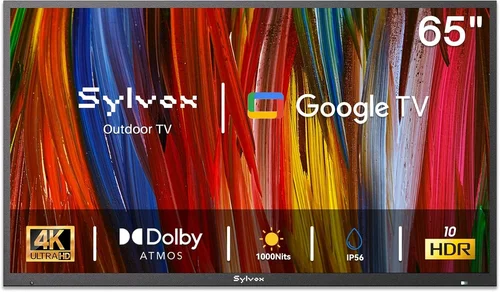
Outdoor kitchens have evolved from simple grilling stations into fully functional, year-round entertainment hubs. Whether you’re hosting summer barbecues, watching the big game under the stars, or enjoying a quiet morning coffee while prepping breakfast outdoors, having a reliable TV in your outdoor kitchen transforms the experience. But unlike indoor televisions, outdoor TVs face unique challenges—extreme temperatures, humidity, rain, dust, and even pests. That’s why choosing the right weatherproof TV isn’t just about picture quality; it’s about durability, performance in harsh conditions, and long-term value.
This comprehensive buying guide is designed to help you navigate the often confusing world of outdoor TVs, especially if you’re working with a budget. We’ll break down everything you need to know—from essential features and build quality to real-world performance and smart functionality—so you can make an informed decision without overspending. Whether you’re a DIY enthusiast building your dream outdoor kitchen or a homeowner looking to upgrade your current setup, this guide will equip you with expert insights, practical tips, and honest recommendations tailored to your needs.
The market for outdoor TVs has grown significantly in recent years, with more manufacturers offering weatherproof models at various price points. However, not all “outdoor-ready” TVs are created equal. Some are simply indoor TVs with basic weather resistance, while others are purpose-built for outdoor use with ruggedized casings, enhanced cooling systems, and anti-glare screens. Our goal is to help you distinguish between marketing hype and real functionality, ensuring you invest in a TV that delivers both performance and protection—without breaking the bank.

What to Look for When Buying Buying Guide
1. Budget & Price Range
When shopping for a budget weatherproof TV for your outdoor kitchen, it’s crucial to define your price range early. Outdoor TVs typically cost more than their indoor counterparts due to specialized engineering and materials. However, you don’t need to spend thousands to get a reliable model. Entry-level outdoor TVs start around $500, while mid-range options fall between $800 and $1,500. Premium models with advanced features can exceed $2,000, but for most homeowners, the sweet spot lies in the $700–$1,200 range.
Set a realistic budget that includes not just the TV but also mounting hardware, cables, and potential installation costs. Remember, a slightly higher upfront investment in a durable, well-built TV can save you money in the long run by avoiding frequent replacements. Look for models that offer the best balance of price, performance, and protection. Avoid the cheapest options labeled as “weather-resistant” unless they come from reputable brands with verified outdoor ratings.
2. Performance Specifications
Performance specs matter just as much outdoors as they do indoors—especially when sunlight glare and ambient light can wash out your screen. Look for a TV with a high brightness level, ideally 700 nits or higher. This ensures the image remains visible even on bright, sunny days. Anti-reflective or anti-glare coatings are also essential, as they reduce screen reflections and improve visibility.
Resolution is another key factor. While 4K UHD is standard on most modern TVs, make sure the model you choose supports HDR (High Dynamic Range) for better contrast and color accuracy. Refresh rate should be at least 60Hz, though 120Hz is preferable for sports and fast-action content. Audio quality often gets overlooked, but outdoor environments require stronger speakers or support for external sound systems. Many outdoor TVs have limited built-in audio, so consider pairing your TV with weatherproof speakers or a soundbar.
3. Build Quality & Durability
Durability is non-negotiable for outdoor use. The TV’s housing should be made of corrosion-resistant materials like powder-coated aluminum or marine-grade stainless steel. These materials resist rust, fading, and warping caused by UV exposure and moisture. Internal components must also be protected from condensation, which can form during temperature swings—especially in humid climates.
Look for TVs with sealed ports, gaskets around buttons, and ventilation systems designed to prevent overheating without allowing moisture ingress. Some models include built-in heaters or fans to regulate internal temperature, which is especially useful in colder regions where freezing can damage electronics. Avoid plastic-heavy enclosures, as they degrade faster under constant sun exposure.
4. Features & Functionality
Smart functionality is increasingly important, even outdoors. Most modern outdoor TVs run on platforms like Android TV, Roku, or webOS, giving you access to streaming services like Netflix, YouTube, and Disney+. Ensure the TV supports Wi-Fi and has sufficient processing power to run apps smoothly. Voice control via Google Assistant or Alexa is a nice bonus, especially when your hands are busy cooking.
Connectivity options matter too. Look for multiple HDMI ports, USB inputs, and audio outputs. If you plan to connect a sound system, gaming console, or streaming device, having enough ports prevents the need for constant swapping. Some outdoor TVs also include built-in tuners for over-the-air broadcasts, which is useful if you want to watch local news or sports without a cable subscription.
5. Brand Reputation
Not all brands are equal when it comes to outdoor electronics. Stick with manufacturers known for quality and reliability in harsh environments. Brands like SunBriteTV, Samsung (with their Terrace series), and LG have established reputations for building durable outdoor displays. Lesser-known brands may offer lower prices, but they often cut corners on materials and testing.
Research customer reviews and third-party testing results. Look for brands that provide detailed specifications about temperature ranges, humidity tolerance, and UV resistance. A reputable brand will also offer clear documentation and support, including user manuals tailored to outdoor installation.
6. Warranty & Support
A strong warranty is a sign of confidence in a product’s durability. Most quality outdoor TVs come with at least a 2-year warranty, with some premium models offering 3–5 years. Pay attention to what the warranty covers—does it include damage from weather, power surges, or accidental drops? Some manufacturers offer extended warranties for an additional fee.
Customer support is equally important. If your TV malfunctions due to moisture or overheating, you’ll want responsive service and easy access to replacement parts. Check if the brand has local service centers or offers on-site repair options. Avoid brands with limited support networks, especially if you live in a remote area.
7. Size & Portability
Size affects both viewing experience and installation logistics. For most outdoor kitchens, a 43-inch to 55-inch screen is ideal—large enough to enjoy from a distance but not so large that it overwhelms the space. Measure your viewing distance: a general rule is that the screen should be about 1/3 the distance from the viewer. For example, if you’re sitting 9 feet away, a 36-inch TV is sufficient, but 50 inches offers a more immersive experience.
Portability may matter if you plan to move the TV seasonally or between zones (e.g., from the kitchen to the patio). Some outdoor TVs come with built-in handles or lightweight frames, but most are designed for permanent mounting. If you need flexibility, consider a weatherproof TV with a VESA-compatible mount that allows easy removal.
8. User Reviews & Ratings
Never rely solely on manufacturer claims. User reviews provide real-world insights into how a TV performs under actual outdoor conditions. Look for feedback on brightness in direct sunlight, durability after months of exposure, and ease of setup. Pay attention to recurring issues—such as Wi-Fi dropouts, speaker distortion, or remote control failures—as these can indicate design flaws.
Check multiple sources: Amazon, Best Buy, Home Depot, and specialized outdoor living forums. Verified purchase reviews are more reliable than promotional content. Also, look for long-term reviews (6+ months) to assess longevity. A TV that works great out of the box may fail prematurely if not built for sustained outdoor use.
Different Types of Buying Guide

Common Buying Mistakes to Avoid
❌ Mistake: Buying an Indoor TV for Outdoor Use
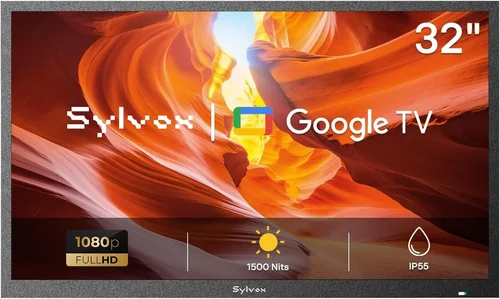
Why it’s bad: Indoor TVs are not designed to handle moisture, temperature swings, or UV exposure. Even if placed under a cover, condensation can form inside the unit, leading to corrosion, screen fogging, and electrical failure. Most indoor TVs lack proper ventilation for outdoor heat buildup, causing overheating and shortened lifespan.
What to do instead: Invest in a TV specifically rated for outdoor use. Look for models with IP55 or higher ratings and built-in climate control features. If budget is tight, consider a semi-outdoor model for covered areas only.
❌ Mistake: Ignoring Brightness and Glare
Why it’s bad: A dim screen will be nearly invisible on sunny days, making your outdoor TV useless when you need it most. Many buyers focus on resolution and smart features but overlook brightness, resulting in a frustrating viewing experience.
What to do instead: Prioritize TVs with at least 700 nits of brightness and anti-glare coatings. Test the screen in daylight if possible, or read reviews that mention visibility in direct sun.
❌ Mistake: Overlooking Mounting and Installation
Why it’s bad: Improper mounting can lead to water pooling, cable damage, or even the TV falling. Many outdoor TVs require specialized mounts that allow airflow and prevent moisture buildup. Using standard indoor mounts outdoors is a common but dangerous mistake.
What to do instead: Use a weatherproof, tiltable outdoor mount designed for your TV model. Ensure cables are routed through waterproof conduits and that the mount is securely anchored to a sturdy surface.
❌ Mistake: Skipping the Warranty Check
Why it’s bad: Outdoor electronics are prone to failure due to environmental stress. Without a solid warranty, a single malfunction could cost you hundreds in repairs or replacement.
What to do instead: Always verify the warranty terms before purchasing. Choose brands that offer at least 2 years of coverage and include weather-related damage.
❌ Mistake: Choosing Based on Price Alone
Why it’s bad: The cheapest option often uses inferior materials and lacks essential features like proper sealing or brightness. You may save $200 upfront but end up replacing the TV within a year.
What to do instead: Focus on value, not just price. Compare features, build quality, and user feedback across models in your budget range.
❌ Mistake: Forgetting About Audio
Why it’s bad: Outdoor environments have ambient noise—wind, traffic, music—that can drown out weak TV speakers. Many outdoor TVs have minimal audio output, leading to poor sound quality.
What to do instead: Plan for external audio from the start. Invest in weatherproof speakers or a soundbar that can be mounted nearby. Ensure your TV has audio output options like optical or Bluetooth.
Budget Guidelines: How Much Should You Spend?
Entry-Level ($500–$700): At this price point, you’ll find semi-outdoor TVs designed for covered areas like pergolas or screened patios. These models typically offer 43–50 inches, 4K resolution, and basic weather resistance (IP54). Brightness may be around 500–600 nits, which is acceptable in shaded areas but struggles in direct sun. Smart features are usually included, but build quality may use more plastic. Ideal for casual use in mild climates.
Mid-Range ($700–$1,200): This is the sweet spot for most outdoor kitchen owners. TVs in this range offer full weatherproofing (IP55 or higher), 700+ nits brightness, and durable metal enclosures. Expect reliable smart platforms, multiple HDMI ports, and better audio. Sizes range from 43 to 55 inches, with some models including built-in heaters for cold climates. These TVs balance performance, durability, and affordability.
Premium ($1,200–$2,000): For those who want top-tier performance and longevity, premium models deliver. These TVs feature ultra-bright screens (1000+ nits), advanced cooling systems, and commercial-grade materials. Many include anti-vandal features, enhanced HDR, and superior audio. Ideal for open patios, pool areas, or regions with extreme weather.
Luxury ($2,000+): These are commercial-grade displays built for 24/7 operation in harsh environments. They offer maximum brightness, ruggedized designs, and extended warranties. While overkill for most homes, they’re perfect for high-end outdoor kitchens or rental properties where reliability is critical.
Expert Tips for Getting the Best Deal
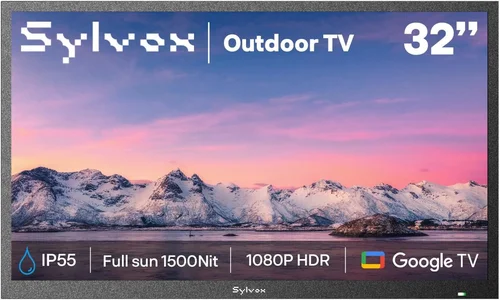
1. Buy During Off-Season Sales: The best time to purchase an outdoor TV is during winter months (January–March) when demand is low. Retailers often discount last year’s models to clear inventory. You can save 15–30% compared to peak summer pricing.
2. Shop at Specialty Outdoor Retailers: Stores like Yardistry, Outdoor Kitchen Depot, and SunBriteTV’s official site often have exclusive deals and expert advice. They may also offer bundled packages with mounts and cables.
3. Compare Online and In-Store Prices: Use price comparison tools like Google Shopping or PriceGrabber to find the lowest price. Some retailers match competitors’ prices, so don’t hesitate to ask.
4. Look for Open-Box or Refurbished Models: Certified refurbished outdoor TVs from reputable sellers can offer significant savings with full warranties. These units are tested and restored to like-new condition.
5. Check Return Policies: Ensure the retailer offers at least a 30-day return window. Outdoor TVs can be tricky to install, and you may need to test visibility and connectivity before committing.
6. Test Before Finalizing: If possible, visit a showroom to see the TV in person. Check brightness, color accuracy, and remote responsiveness. Some stores have outdoor demo areas.
7. Consider Energy Efficiency: Outdoor TVs run longer hours and may increase your electricity bill. Look for ENERGY STAR-certified models to save on long-term costs.
8. Bundle with Accessories: Some retailers offer discounts when you buy a TV, mount, and cables together. This can save you $50–$100 compared to purchasing separately.

Frequently Asked Questions
Q: Can I use a regular TV outdoors if it’s under a cover?
A: Technically yes, but it’s not recommended. Even under a roof, indoor TVs are vulnerable to humidity, temperature changes, and dust. Condensation can form inside the unit, leading to corrosion and failure. For reliable performance, use a TV rated for outdoor use.
Q: What does IP55 mean?
A: IP55 is an Ingress Protection rating. The “5” means the TV is protected against dust (limited ingress), and the second “5” means it can withstand water jets from any direction. This makes it suitable for most outdoor environments, including rain and sprinklers.
Q: Do outdoor TVs need special power outlets?
A: Not necessarily, but it’s wise to use a GFCI (Ground Fault Circuit Interrupter) outlet for safety. These outlets shut off power if they detect a ground fault, reducing the risk of electric shock in wet conditions.
Q: How do I protect my outdoor TV from theft?
A: Use a lockable mount, install the TV in a well-lit area, and consider adding a security camera. Some mounts include built-in locks, or you can use a cable lock system.
Q: Can I leave my outdoor TV on all the time?
A: Most outdoor TVs are designed for continuous use, but it’s best to turn them off when not in use to extend lifespan and save energy. Use a smart plug with a timer or voice control for convenience.
Q: What’s the difference between all-weather and semi-outdoor TVs?
A: All-weather TVs are built for full exposure to sun, rain, and snow, with sealed enclosures and high brightness. Semi-outdoor models are for covered areas and offer less protection, making them more affordable but less durable.
Q: Do outdoor TVs come with remotes that work in the sun?
A: Most use standard IR remotes, which can struggle in bright light. Look for models with Bluetooth remotes or smartphone app control for better reliability.
Q: Can I mount an outdoor TV on a brick wall?
A: Yes, but you’ll need masonry anchors and a sturdy mount. Ensure the wall can support the TV’s weight and that cables are properly routed to avoid water damage.
Q: How long do outdoor TVs typically last?
A: With proper care, a quality outdoor TV can last 5–8 years. Factors like climate, usage, and maintenance affect longevity. Regular cleaning and avoiding extreme temperature swings help.
Q: Are outdoor TVs worth the extra cost?
A: Absolutely, if you use your outdoor kitchen frequently. The added durability, brightness, and weather protection ensure reliable performance year-round, making the investment worthwhile.
Our Final Recommendations
Best for Budget-Conscious Buyers: SunBriteTV Veranda Series 43-inch – At around $750, this model offers excellent value with IP55 rating, 700 nits brightness, and a durable aluminum frame. Perfect for covered outdoor kitchens.
Best Overall Value: Samsung The Terrace 55-inch – Priced at $1,200, it delivers 1,500 nits brightness, anti-reflective screen, and robust smart features. Ideal for open patios with direct sun exposure.
Best Premium Option: SunBriteTV Pro Series 55-inch – At $1,800, this commercial-grade TV includes a built-in heater, ultra-bright display, and vandal-resistant design. Built to last in any climate.
Best for Beginners: LG Outdoor 43-inch (Model 43UT7700) – Easy setup, intuitive webOS interface, and solid weather resistance. Great for first-time outdoor TV buyers.
Best for Advanced Users: Peerless-AV Xtreme 50-inch – Designed for tech-savvy users, it offers modular design, customizable mounting, and integration with home automation systems.
Conclusion: Making the Right Choice
Choosing the right weatherproof TV for your outdoor kitchen is about more than just picture quality—it’s about creating a reliable, enjoyable space that withstands the elements. By focusing on key factors like brightness, build quality, weather resistance, and smart features, you can find a model that fits your budget and enhances your outdoor lifestyle.
Remember, the cheapest option isn’t always the best long-term investment. Prioritize durability and performance, especially if your outdoor kitchen is exposed to sun, rain, or temperature extremes. Use the guidelines, tips, and recommendations in this guide to make a confident, informed decision.
Whether you’re watching a movie under the stars or catching the morning news while grilling, the right outdoor TV will elevate your experience for years to come. Take your time, compare options, and don’t hesitate to invest in quality. Your outdoor kitchen deserves it.

