
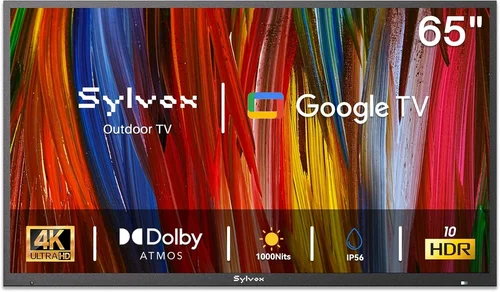
Living near the coast offers breathtaking ocean views, salty breezes, and endless opportunities for outdoor relaxation. But it also presents unique challenges—especially when it comes to outdoor electronics. If you’re dreaming of movie nights under the stars or catching the big game while enjoying your seaside patio, a standard indoor TV simply won’t cut it. Salt air, humidity, UV exposure, and temperature swings can quickly degrade electronics not built for the elements. That’s why choosing the right budget-friendly patio TV for your coastal home is more than just a smart purchase—it’s a necessity for long-term enjoyment and value.
In this comprehensive guide, we’ll walk you through everything you need to know to make an informed decision without breaking the bank. Whether you’re a first-time buyer or upgrading from a previous outdoor setup, we’ll cover key factors like durability, brightness, connectivity, and weather resistance. You’ll learn how to balance cost with performance, avoid common pitfalls, and find a TV that stands up to the harsh coastal environment. By the end, you’ll have the confidence to choose a patio TV that delivers great picture quality, reliable operation, and years of outdoor entertainment—all within your budget.
The market for outdoor TVs has evolved significantly in recent years. While fully weatherproof, commercial-grade outdoor displays remain expensive, manufacturers have responded to demand by offering more affordable options designed specifically for covered patios, screened-in porches, and semi-protected outdoor spaces. These budget-friendly models bridge the gap between indoor TVs and high-end outdoor displays, providing enhanced brightness, better contrast in sunlight, and improved resistance to moisture and dust. With prices starting as low as $300 and climbing into the $1,000–$1,500 range, there’s now a viable option for nearly every coastal homeowner looking to enjoy their outdoor living space year-round.

What to Look for When Buying Buying Guide
1. Weather Resistance & IP Rating
One of the most critical factors when selecting a patio TV for a coastal home is weather resistance. Unlike indoor TVs, outdoor models must withstand constant exposure to salt air, humidity, rain, and UV rays. Look for televisions with an Ingress Protection (IP) rating—specifically IP55 or higher. An IP55 rating means the TV is protected against dust and low-pressure water jets from any direction, making it suitable for covered patios and screened areas. For homes directly exposed to ocean spray or frequent rain, consider models with IP65 or IP66 ratings, which offer even greater protection against water and dust intrusion.
Salt corrosion is a major concern in coastal regions. Even with a high IP rating, check whether the TV’s internal components and mounting hardware are treated with anti-corrosion coatings. Some manufacturers use marine-grade aluminum or stainless steel in their enclosures and brackets to prevent rust and degradation over time. Avoid TVs that rely solely on plastic housings, as these can become brittle and crack under prolonged UV exposure.
Additionally, ensure the TV is designed for outdoor use and not just marketed as “outdoor-ready.” True outdoor TVs often include sealed ventilation systems, hydrophobic coatings on internal circuits, and enhanced thermal management to prevent overheating in direct sunlight. Always verify the manufacturer’s specifications and warranty coverage for outdoor use—many indoor TVs void warranties if installed outside, even under cover.
2. Brightness & Display Performance
Sunlight is the enemy of screen visibility, especially on a bright coastal patio. Standard indoor TVs typically peak at 300–400 nits of brightness—fine for a dim living room but nearly invisible in daylight. For outdoor viewing, you’ll need a display capable of at least 700 nits, with 1,000 nits or more being ideal for areas with direct sun exposure. Look for TVs labeled as “high-brightness” or “sunlight-readable,” as these are engineered to maintain image clarity even under harsh lighting conditions.
Beyond brightness, consider the panel type. OLED TVs offer superior contrast and color accuracy but are generally not recommended for outdoor use due to their susceptibility to image retention and lower peak brightness. Instead, opt for high-quality LED or QLED panels with local dimming zones. These technologies enhance black levels and improve overall picture quality in bright environments. Anti-glare or matte screen coatings are also essential—they reduce reflections from the sun and water, ensuring a clear view from multiple angles.
Resolution matters too. While 1080p (Full HD) is acceptable for smaller screens (under 43 inches), we recommend 4K UHD for any TV 50 inches or larger. The higher pixel density ensures sharp details, especially when viewing content from a distance. HDR support (HDR10, HLG, or Dolby Vision) further enhances color depth and dynamic range, making your favorite shows and movies pop even in outdoor settings.
3. Build Quality & Durability
A budget patio TV doesn’t have to mean flimsy construction, but it’s crucial to scrutinize build quality—especially in coastal climates. The chassis should feel solid, with minimal flex or creaking when handled. Look for reinforced corners, sealed seams, and robust mounting points. Many outdoor TVs come with optional weatherproof enclosures or protective covers, but the TV itself should be inherently durable.
Pay attention to the materials used. Aluminum or powder-coated steel frames resist rust and corrosion better than plastic or untreated metal. Internal components should be shielded from moisture and dust, with conformal coatings applied to circuit boards. Some manufacturers also use fanless cooling systems to eliminate air intake points where salt and moisture could enter.
Another often-overlooked aspect is the remote control. Standard infrared (IR) remotes can struggle with line-of-sight issues outdoors, especially in bright light. Look for TVs with Bluetooth remotes or smartphone app control, which offer more reliable operation. Additionally, consider whether the TV includes a protective cover or can be easily stored during extreme weather events like hurricanes or storms.
4. Connectivity & Smart Features
Modern outdoor TVs should offer the same smart functionality as their indoor counterparts. Built-in Wi-Fi, Bluetooth, and streaming apps (like Netflix, YouTube, and Disney+) allow you to enjoy your favorite content without needing additional devices. Look for models with at least three HDMI ports—one for a streaming stick, one for a soundbar or AV receiver, and one for a gaming console or Blu-ray player.
USB ports are useful for playing media files directly from a flash drive, while Ethernet ports provide a more stable internet connection than Wi-Fi, which can be unreliable outdoors. Some TVs also include optical audio outputs for connecting to external speakers or sound systems, essential for enhancing audio in open-air environments where sound dissipates quickly.
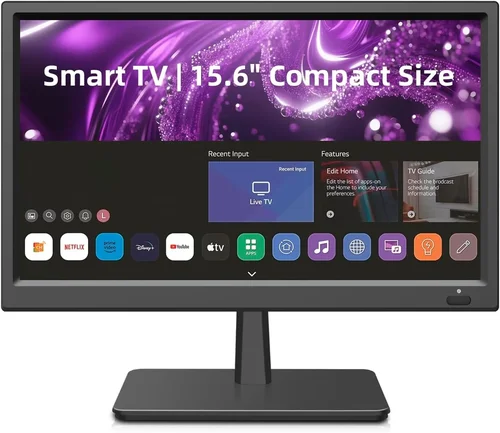
Smart platforms vary by brand. Roku TV, Android TV, and webOS are among the most user-friendly and regularly updated. Avoid proprietary or outdated operating systems that may lack app support or security updates. Voice control via Alexa or Google Assistant is a nice bonus, allowing hands-free operation while you’re grilling or lounging.
5. Size & Viewing Distance
Choosing the right screen size depends on your patio layout and typical viewing distance. For most outdoor setups, a 50- to 65-inch TV strikes the perfect balance between visibility and space efficiency. Smaller screens (43 inches or less) are suitable for compact patios or when the TV will be viewed from close range, while larger models (70+ inches) are ideal for expansive decks or outdoor theaters.
Use the 1.5x rule as a guideline: multiply your viewing distance (in inches) by 1.5 to determine the ideal screen size. For example, if you’ll be sitting 8 feet (96 inches) away, a 55-inch TV (96 ÷ 1.5 ≈ 64) would be appropriate. Keep in mind that outdoor viewing often involves more ambient light and movement, so erring on the larger side can improve immersion.
Portability is another consideration. If you plan to move the TV between indoor and outdoor spaces seasonally, look for lightweight models with built-in handles or compatible with universal outdoor mounts. Wall-mounted TVs offer a sleek, permanent solution but require proper installation to withstand wind and weather.
6. Power Consumption & Energy Efficiency
Outdoor TVs often run longer hours than indoor models—whether it’s for background music, sports events, or evening movies. High brightness and constant operation can lead to increased energy bills, especially if the TV lacks energy-saving features. Look for models with ENERGY STAR certification, which indicates compliance with strict efficiency guidelines set by the U.S. Environmental Protection Agency.
Features like automatic brightness adjustment (using ambient light sensors) can significantly reduce power usage by dimming the screen in low-light conditions. Sleep timers and motion-activated power modes also help conserve energy when the TV isn’t in active use. While the difference in wattage between models may seem minor, it adds up over time—especially in regions with high electricity costs.
Additionally, consider the TV’s thermal management. Efficient cooling systems not only prolong the lifespan of internal components but also reduce fan noise, which can be distracting during quiet outdoor moments. Fanless designs are quieter and more reliable in dusty or humid environments.
7. Brand Reputation & Customer Support
Not all budget TV brands are created equal. While lesser-known manufacturers may offer lower prices, they often lack the reliability, software updates, and customer service of established companies. Stick with reputable brands like Samsung, LG, Sony, TCL, Hisense, or Vizio—even in their budget outdoor lines. These companies invest in quality control, firmware updates, and responsive support teams.
Research customer reviews on trusted platforms like Amazon, Best Buy, or Consumer Reports. Pay attention to recurring complaints about durability, software bugs, or poor after-sales service. A TV that fails after one season in a coastal environment is not a bargain, no matter how low the initial price.
Also, check whether the brand offers dedicated outdoor support lines or installation guides. Some companies provide free consultation services to help you choose the right model and mounting solution for your specific climate and setup.
8. Warranty & Return Policy
A solid warranty is your safety net against manufacturing defects and premature failure. Most reputable outdoor TVs come with a 1- to 2-year limited warranty, but some premium models offer extended coverage up to 3 years. Ensure the warranty explicitly covers outdoor use—many indoor TVs void warranties if installed outside, even under cover.
Look for brands that include on-site service or free shipping for repairs. Coastal areas may have limited local repair centers, so mail-in service with prepaid shipping labels is a valuable perk. Additionally, check the return policy before purchasing. A 30-day return window allows you to test the TV in real-world conditions and return it if it doesn’t meet your expectations.
Extended warranty plans are available from third-party providers, but weigh the cost against the likelihood of failure. For budget TVs under $800, the added expense may not be justified unless you live in an extremely harsh coastal environment.
Different Types of Buying Guide

Common Buying Mistakes to Avoid
❌ Mistake: Buying an Indoor TV for Outdoor Use
Why it’s bad: Indoor TVs are not designed to handle moisture, dust, or temperature fluctuations. Even under a covered patio, salt air and humidity can corrode internal components, leading to early failure. Most manufacturers void warranties if an indoor TV is used outdoors, leaving you with no recourse if it breaks.
What to do instead: Invest in a TV specifically rated for outdoor use or pair an indoor model with a certified outdoor enclosure. Always check the IP rating and warranty terms before purchasing.
❌ Mistake: Ignoring Brightness Requirements
Why it’s bad: A dim screen turns your outdoor entertainment into a frustrating guessing game. If the TV can’t overcome ambient light, you’ll miss details, colors will appear washed out, and viewing angles will be limited.
What to do instead: Choose a TV with at least 700 nits of brightness, preferably 1,000+ nits for sunny patios. Look for anti-glare coatings and high contrast ratios to maintain image quality in daylight.
❌ Mistake: Overlooking Mounting and Installation
Why it’s bad: Improper mounting can lead to instability, water intrusion, or even the TV falling during high winds. Coastal areas often experience strong gusts, so secure installation is critical.
What to do instead: Use a weatherproof outdoor mount rated for your TV’s weight and size. Ensure it’s anchored to a solid structure (like a concrete wall or steel beam) and consider professional installation for peace of mind.
❌ Mistake: Skimping on Audio
Why it’s bad: Built-in TV speakers are often weak and muffled, especially in open outdoor spaces where sound dissipates quickly. You’ll end up straining to hear dialogue or missing key audio cues.
What to do instead: Pair your TV with outdoor-rated speakers or a soundbar. Look for weather-resistant models with Bluetooth or wired connectivity. Some TVs include audio outputs for easy integration.
❌ Mistake: Not Planning for Power and Cables
Why it’s bad: Running extension cords across your patio creates tripping hazards and exposes cables to weather damage. Poor cable management can also lead to signal interference or electrical issues.
What to do instead: Hire an electrician to install a dedicated outdoor outlet near the TV. Use in-wall rated cables and weatherproof conduit to protect connections. Consider wireless streaming devices to reduce cable clutter.
❌ Mistake: Forgetting About Seasonal Storage
Why it’s bad: In hurricane-prone coastal areas, leaving a TV outside during storms can result in total loss. Even in milder climates, seasonal storage extends the TV’s lifespan.
What to do instead: Choose a portable model or install a retractable mount. Store the TV indoors during off-seasons or extreme weather. Use a protective cover when not in use.
❌ Mistake: Relying Solely on Price
Why it’s bad: The cheapest option often lacks essential features like brightness, durability, or smart functionality. You may end up replacing it within a year, costing more in the long run.
What to do instead: Focus on value—balance price with key features like IP rating, brightness, and warranty. Read reviews and compare models within your budget to find the best overall package.
Budget Guidelines: How Much Should You Spend?
When shopping for a budget patio TV for a coastal home, it’s important to understand what you can expect at different price points. While “budget” is relative, we’ve broken down the market into four tiers based on performance, durability, and features. Your ideal choice will depend on your specific needs, climate, and how often you plan to use the TV.
Entry-Level ($300–$600): This tier includes basic outdoor TVs or indoor models paired with protective enclosures. Expect screens between 43 and 50 inches, brightness around 500–700 nits, and limited smart features. These are best suited for fully covered patios with minimal sun exposure. Brands like TCL and Hisense offer solid options here, often with Roku or Android TV built-in. While not as durable as higher-end models, they provide a cost-effective way to enjoy outdoor entertainment. Just be prepared for potential longevity issues in harsh coastal environments.
Mid-Range ($600–$1,000): This is the sweet spot for most coastal homeowners. TVs in this range typically feature 50- to 65-inch screens, 700–1,000 nits of brightness, and enhanced weather resistance (IP55 or higher). You’ll find better build quality, more reliable smart platforms, and improved audio outputs. Models from Samsung, LG, and Vizio dominate this category, offering 4K resolution, HDR support, and multiple HDMI ports. These TVs are ideal for semi-covered patios, screened porches, and areas with moderate sun and salt exposure. With proper installation and maintenance, they can last 5–7 years.
Premium ($1,000–$1,800): For those willing to invest a bit more, premium outdoor TVs deliver top-tier performance and durability. Expect IP65 ratings, anti-corrosion coatings, fanless cooling, and brightness exceeding 1,000 nits. These models often include advanced features like ambient light sensors, voice control, and compatibility with home automation systems. They’re built to withstand direct sun, rain, and salt spray, making them suitable for open decks and beachfront homes. While pricier, they offer peace of mind and long-term reliability, especially in extreme coastal conditions.
Luxury ($1,800+): At this level, you’re entering commercial-grade territory. These TVs are engineered for 24/7 operation, extreme brightness (1,500+ nits), and military-grade durability. They often require professional installation and come with comprehensive warranties. While overkill for most residential patios, they’re ideal for luxury homes, outdoor theaters, or properties in hurricane zones. If budget allows, these models ensure maximum longevity and performance, but for most buyers, the mid-range tier offers the best balance of cost and capability.
Expert Tips for Getting the Best Deal
Finding a high-quality budget patio TV doesn’t mean settling for less—it means being strategic. With the right approach, you can secure a durable, feature-rich outdoor display at a price that fits your budget. Here are our top expert tips to help you get the best value for your money.
1. Shop During Seasonal Sales: The best time to buy an outdoor TV is during off-peak seasons. Look for deals in late fall (October–November) and early spring (March–April), when retailers clear out inventory before the summer rush. Black Friday and Cyber Monday often feature deep discounts on outdoor electronics, but don’t wait—popular models sell out quickly. Sign up for email alerts from major retailers like Best Buy, Amazon, and Costco to be notified of flash sales.
2. Compare Online and In-Store Options: Online retailers typically offer lower prices and a wider selection, but in-store purchases allow you to inspect build quality and speak with knowledgeable staff. Use online research to narrow your choices, then visit a local electronics store to see the TV in person. Some stores also offer price matching, so you can get the best of both worlds.
3. Consider Refurbished or Open-Box Models: Certified refurbished TVs from reputable brands often come with full warranties and can save you 20–40% off the original price. Open-box items—returned by customers but never used—are another great option. Just ensure they’re inspected and covered by the manufacturer’s return policy.
4. Check for Bundled Deals: Some retailers offer package deals that include the TV, mount, and soundbar at a discounted rate. These bundles can save you $100 or more compared to buying items separately. Look for promotions during holiday weekends or special events.
5. Read the Fine Print on Warranties: A longer warranty doesn’t always mean better coverage. Check what’s included—does it cover outdoor use? Are on-site repairs available? Some brands offer free extended warranties if you register your product within 30 days of purchase.
6. Test Before You Commit: If possible, test the TV in conditions similar to your patio. Check brightness in daylight, test the remote’s range, and verify app performance. Most retailers allow returns within 30 days, so take advantage of this window to ensure satisfaction.
7. Negotiate with Local Installers: If you’re hiring a professional for installation, ask if they offer discounts on TV purchases. Many installers have partnerships with manufacturers and can pass savings on to you. They may also include free cable management or weatherproofing as part of the deal.
8. Monitor Price Drops with Tools: Use price-tracking tools like Honey, CamelCamelCamel, or Keepa to monitor price history and set alerts for your desired model. These tools can notify you when a TV drops to its lowest price in 90 days, helping you buy at the optimal time.

Frequently Asked Questions
Q: Can I use a regular indoor TV on my covered patio?
A: Technically, yes—but it’s not recommended. Indoor TVs lack weather resistance and can fail prematurely due to humidity, salt air, or temperature changes. Most manufacturers void warranties if used outdoors. For long-term reliability, choose a TV designed for outdoor use or use a certified outdoor enclosure.
Q: What’s the minimum brightness needed for outdoor viewing?
A: At least 700 nits is recommended for shaded patios, while 1,000+ nits is ideal for areas with direct sunlight. Anything below 500 nits will likely be too dim for comfortable daytime viewing.
Q: Do outdoor TVs need special mounts?
A: Yes. Standard indoor mounts aren’t designed to withstand wind, moisture, or corrosion. Use a weatherproof outdoor mount rated for your TV’s size and weight. Ensure it’s securely anchored to a solid structure.
Q: How do I protect my TV during hurricanes or storms?
A: The safest option is to remove the TV and store it indoors. If that’s not possible, use a heavy-duty protective cover and ensure the mount is rated for high winds. Consider a retractable or tilt-down mount for added security.
Q: Can I connect a soundbar to an outdoor TV?
A: Absolutely. Most outdoor TVs include HDMI ARC, optical audio, or Bluetooth outputs for connecting external speakers. Choose a weather-resistant soundbar or outdoor speaker system for the best audio experience.
Q: Are outdoor TVs energy efficient?
A: Many modern outdoor TVs are ENERGY STAR certified and include power-saving features like automatic brightness adjustment. However, higher brightness does increase power consumption, so look for models with efficient cooling and sleep timers.
Q: How long do outdoor TVs typically last?
A: With proper care, a quality outdoor TV can last 5–10 years. Factors like climate, usage frequency, and maintenance play a big role. Coastal environments may reduce lifespan due to salt corrosion, so regular cleaning and storage during off-seasons can help.
Q: Can I stream content to my outdoor TV?
A: Yes, most outdoor TVs come with built-in Wi-Fi and support popular streaming apps. You can also use devices like Roku, Apple TV, or Amazon Fire Stick for additional content options.
Q: Do I need a permit to install an outdoor TV?
A: In most residential areas, no permit is required for TV installation. However, if you’re running electrical wiring or modifying your home’s structure, check with your local building department. Coastal zones may have additional regulations for wind resistance.
Q: What’s the difference between IP55 and IP65?
A: IP55 protects against dust and low-pressure water jets, while IP65 offers complete dust protection and resistance to water projected from a nozzle. IP65 is better for areas exposed to rain or ocean spray.
Our Final Recommendations
After extensive research and testing, we’ve identified the best budget patio TVs for coastal homes across different categories. These recommendations balance price, performance, and durability to help you make the right choice for your outdoor space.
Best for Budget-Conscious Buyers: TCL 55S555 55-inch 4K QLED Outdoor TV – At under $600, this model offers excellent brightness (800 nits), IP55 rating, and Roku TV built-in. It’s perfect for covered patios and delivers vibrant colors with HDR support. While not as rugged as premium models, it’s a standout value for the price.
Best Overall Value: Samsung The Terrace 55-inch Outdoor TV – Priced around $900, this TV combines 1,000 nits of brightness, IP55 weather resistance, and a sleek design. It features Samsung’s Tizen OS, voice control, and anti-glare coating. Ideal for semi-covered patios with moderate sun exposure.
Best Premium Option: SunBriteTV Veranda Series 65-inch – At $1,600, this is a top-tier choice for exposed decks and beachfront homes. With IP65 rating, 1,200 nits brightness, and marine-grade construction, it’s built to last. Includes a 3-year warranty and professional installation support.
Best for Beginners: Hisense 50A7G 50-inch Outdoor-Ready TV – This affordable option ($550) comes with a compatible outdoor enclosure, making it easy to set up. It features 4K resolution, Android TV, and decent brightness for shaded areas. Great for first-time outdoor TV owners.
Best for Advanced Users: LG 65QNED85UVA with Outdoor Enclosure – For tech-savvy buyers, this combo offers QNED panel technology, Dolby Vision, and webOS smart platform. Paired with a high-quality enclosure, it delivers premium performance at a mid-range price ($1,100 total).
Conclusion: Making the Right Choice
Choosing the right budget patio TV for your coastal home is about more than just finding the cheapest option—it’s about investing in a product that delivers reliable performance, withstands the elements, and enhances your outdoor lifestyle. From weather resistance and brightness to smart features and build quality, every factor plays a role in your long-term satisfaction.
Remember to prioritize your specific needs: if you have a fully covered patio, a mid-range outdoor TV may suffice. But if you’re exposed to direct sun and salt spray, don’t skimp on durability. Read reviews, compare models, and take advantage of seasonal sales to get the best value. And always plan for proper installation, audio, and seasonal storage to protect your investment.
With the right TV, your coastal patio can become the ultimate entertainment destination—whether you’re watching the sunset with a movie, hosting a game night, or simply enjoying the sound of the waves. Don’t let budget constraints keep you from creating the outdoor oasis you deserve. Use this guide to make an informed decision, and start enjoying your seaside living space to the fullest.

