
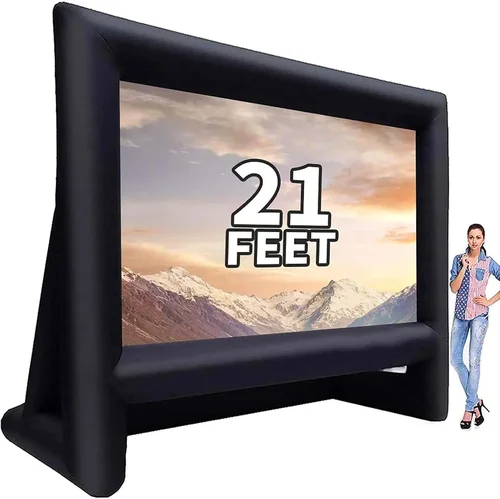
If you’ve ever dreamed of hosting a cozy backyard movie night under the stars—popcorn in hand, string lights twinkling, and your favorite film playing on a big screen—you’re not alone. Outdoor entertainment has exploded in popularity over the past few years, and more people than ever are transforming their patios into personal drive-in theaters. But here’s the catch: not every TV is built to handle the unique challenges of outdoor use. Sunlight glare, humidity, temperature swings, and dust can quickly turn your cinematic dream into a frustrating tech headache.
That’s exactly why this guide exists. Whether you’re a first-time buyer or upgrading from an indoor TV that didn’t survive the summer heat, we’ll walk you through everything you need to know to pick the right budget-friendly patio TV for your backyard setup. We’ll cover performance specs that actually matter outdoors, durability considerations most shoppers overlook, smart features that enhance your experience, and how to stretch your dollar without sacrificing quality. By the end, you’ll have a clear, confident plan—no guesswork, no buyer’s remorse.
The market for outdoor TVs has evolved dramatically. While premium weatherproof models from brands like SunBrite or Séura still dominate the high-end segment, 2026 has seen a surge in affordable, semi-outdoor options that deliver impressive value. Many indoor TVs now come with features like high brightness, anti-glare coatings, and robust build quality that make them surprisingly capable in covered or shaded patio environments. This means you don’t need to spend $2,000+ to enjoy a great outdoor viewing experience—especially if you’re smart about your purchase. Let’s dive into what really matters when shopping for a budget patio TV.

What to Look for When Buying a Budget Patio TV
1. Brightness & Anti-Glare Performance
When it comes to outdoor TVs, brightness isn’t just a nice-to-have—it’s essential. Indoor TVs typically range from 250 to 400 nits (a unit measuring screen luminance), which is fine for dimly lit living rooms but utterly inadequate under daylight or even shaded patio conditions. For comfortable viewing outdoors, you’ll want a minimum of 700 nits, with 1,000+ nits being ideal for areas that get direct or indirect sunlight.
But brightness alone isn’t enough. Glare from windows, pool reflections, or ambient light can wash out your picture faster than you can say “popcorn.” That’s why anti-reflective or anti-glare screen coatings are non-negotiable. Look for TVs marketed as “outdoor-ready,” “sunlight-readable,” or “high-brightness displays.” Some mid-range models now include matte finishes or specialized polarizing layers that significantly reduce glare without dimming the image.
2. Weather Resistance & Environmental Durability
Even if your TV lives under a roof, outdoor environments are harsher than indoor ones. Humidity, temperature fluctuations, dust, and occasional rain splashes can degrade electronics over time. While true outdoor TVs are fully sealed and rated for all-weather use (often with IP55 or higher ratings), many budget buyers opt for “semi-outdoor” setups using indoor TVs in protected spaces.
If you go the indoor-TV route, ensure your mounting location is fully covered—no direct exposure to rain, snow, or morning dew. Also, avoid placing the TV near grills, fire pits, or sprinkler systems. For added protection, consider a weatherproof TV enclosure (like those from Peerless or VIVO), which can cost $100–$300 but extend the life of your investment significantly.
Look for TVs with metal chassis instead of all-plastic builds, as they dissipate heat better and resist warping in heat. Check user reviews for mentions of overheating or condensation issues—these are red flags even for covered installations.
3. Screen Size & Viewing Distance
Bigger isn’t always better—especially outdoors, where seating arrangements and ambient light play huge roles. A common mistake is buying a massive 75-inch TV only to realize it’s too bright, too close, or overwhelming for your space.
Use this simple rule: your viewing distance (in feet) should be about 1.5 times the screen size (in inches). So for a 55-inch TV, sit roughly 6.9 feet away. On a typical patio, 50–65 inches is the sweet spot. Anything larger may require stepping back further than your deck allows, or it might dominate the space visually.
Also consider angle visibility. Outdoor seating often isn’t perfectly aligned—people sit on couches, loungers, or even blankets on the grass. Choose a TV with wide viewing angles (look for IPS panels over VA if possible), so colors and contrast stay consistent even from the sides.
4. Smart Features & Connectivity
You’ll want seamless access to streaming services like Netflix, Disney+, or YouTube without fumbling with extra devices. Most modern budget TVs run on smart platforms like Roku TV, Google TV, or Amazon Fire TV. These are user-friendly, regularly updated, and support voice control via Alexa or Google Assistant.
Check the app store availability—some cheaper brands use stripped-down OS versions with limited app support. Also, ensure there are enough HDMI ports (at least 3) for a soundbar, gaming console, or streaming stick. USB ports are handy for playing local media files, and Ethernet ports offer more stable internet than Wi-Fi alone—useful if your patio is far from your router.
5. Audio Quality & Sound Solutions
Most budget TVs have underwhelming built-in speakers—tinny, quiet, and lacking bass. Outdoors, sound dissipates quickly, and background noise (traffic, birds, kids playing) makes it worse. Don’t rely on the TV’s audio alone.
Plan to pair your TV with external speakers. A compact Bluetooth soundbar ($50–$150) mounted below the screen works well for small groups. For larger gatherings, consider weather-resistant outdoor speakers (like those from Polk or JBL) wired to an AV receiver or powered amp. Some TVs support optical audio out or HDMI ARC, making it easy to connect external audio.
If you’re on a tight budget, even a portable Bluetooth speaker placed near seating can dramatically improve clarity and volume.
6. Power Efficiency & Heat Management
Outdoor TVs run longer hours than indoor ones—movie nights, game days, weekend binges—and they often operate in warmer environments. Look for Energy Star-certified models or those with efficient LED backlighting. OLEDs are gorgeous but consume more power and are prone to burn-in if static images (like logos) are displayed for hours—a risk during sports or news channels.
Heat buildup is a silent killer. Ensure your TV has adequate ventilation around all sides (never mount flush against a wall without clearance). Some budget models throttle brightness when overheating—check reviews for this issue. If your patio gets very hot, consider a model with a fanless design or passive cooling to avoid noise disruption.
7. Brand Reputation & Real-World Reliability
Not all budget brands are created equal. Stick with manufacturers known for consistent quality and customer service: TCL, Hisense, Samsung, LG, and Vizio dominate the value segment with strong track records. Avoid obscure brands with no service network—if something breaks, you’re stuck.
Read recent user reviews (not just the glowing 5-star ones) focusing on long-term durability, especially in warm or humid climates. Forums like Reddit’s r/televisions or AVS Forum often have honest discussions about real-world performance.
8. Warranty & Return Policy
Outdoor use increases the risk of damage, so a solid warranty is crucial. Most budget TVs come with a 1-year limited warranty, but some brands offer extended coverage for an extra fee. Check if the warranty covers “outdoor use”—many explicitly exclude it, which could void your claim if moisture causes failure.
Also, buy from retailers with generous return windows (30+ days) and free return shipping. If the TV arrives damaged or underperforms in your specific setup, you’ll want an easy exit strategy.
Different Types of Budget Patio TVs

Common Buying Mistakes to Avoid
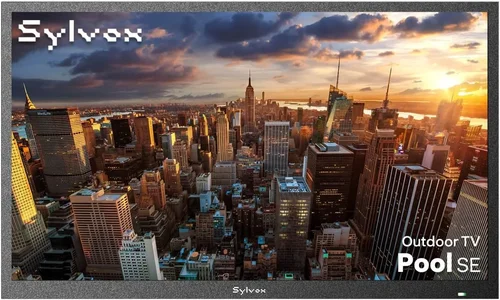
❌ Mistake: Using a Standard Indoor TV in Direct Sunlight
Why it’s bad: Most indoor TVs max out at 400 nits and lack anti-glare coatings. In daylight, the image becomes washed out, colors fade, and you’ll be squinting instead of relaxing. Worse, prolonged sun exposure can cause overheating and permanent panel damage.
What to do instead: Only use indoor TVs in fully covered, shaded areas. If sunlight hits your patio at any point, invest in a high-brightness model or switch to a projector setup for daytime viewing.
❌ Mistake: Ignoring Audio Needs
Why it’s bad: Built-in TV speakers are designed for quiet rooms, not open-air environments. Dialogue gets lost, action scenes lack punch, and guests strain to hear—killing the movie-night vibe.
What to do instead: Budget $100–$200 for a soundbar or outdoor speaker system. Even a basic Bluetooth speaker improves clarity dramatically.
❌ Mistake: Overlooking Mounting & Ventilation
Why it’s bad: Mounting a TV too close to a wall traps heat, leading to throttling, reduced lifespan, or sudden shutdowns. Poorly secured mounts can also fall in windy conditions.
What to do instead: Use a full-motion or tilt mount with at least 2–3 inches of clearance behind the TV. Ensure the mount is rated for outdoor use and anchored securely into studs or concrete.
❌ Mistake: Buying Based on Size Alone
Why it’s bad: A 75-inch TV might look impressive, but if your seating is only 8 feet away, it’s overwhelming and uncomfortable. Conversely, a 43-inch screen from 12 feet away feels tiny.
What to do instead: Measure your space and calculate optimal size using the 1.5x rule. Test with a cardboard cutout before buying.
❌ Mistake: Skipping the Return Policy Check
Why it’s bad: Outdoor performance varies by location. A TV that looks great in a store might struggle in your specific lighting or humidity conditions. Without a good return window, you’re stuck with a dud.
What to do instead: Buy from retailers like Amazon, Best Buy, or Costco with 30-day+ return policies and free return shipping.
❌ Mistake: Forgetting About Power & Cables
Why it’s bad: Running extension cords across the patio creates tripping hazards and looks messy. Exposed cables can degrade outdoors.
What to do instead: Hire an electrician to install an outdoor-rated outlet near the TV. Use cable raceways or conduit to protect wires.
❌ Mistake: Assuming All “Smart” TVs Are Equal
Why it’s bad: Some budget brands use slow processors, limited RAM, or outdated OS versions that lag, crash, or lack app updates.
What to do instead: Stick with Roku, Google TV, or Fire TV platforms. Avoid proprietary systems from unknown brands.
Budget Guidelines: How Much Should You Spend?
Entry-Level ($300–$500): This tier includes 50–55-inch indoor TVs from TCL or Hisense with 700–800 nits brightness and basic smart features. Ideal for fully covered patios with no direct sun. Expect modest audio and plastic builds, but solid picture quality for the price. Add $100 for a soundbar to complete the setup.
Mid-Range ($500–$800): The sweet spot for most backyard movie fans. Look for 55–65-inch models with 900–1,200 nits, anti-glare screens, and metal-reinforced chassis. Brands like Samsung (Crystal UHD) and LG (UN7300) offer reliable options here. Many include HDMI 2.1 for gaming and better Wi-Fi 6 support.
Premium ($800–$1,500): For those who want near-outdoor performance without full weatherproofing. These TVs often feature 1,500+ nits, advanced local dimming, and robust cooling systems. Consider pairing with a weather enclosure for added protection. Great for three-season use in mild climates.
Luxury ($1,500+): True outdoor TVs like SunBrite Veranda or Séura models. Fully sealed, IP55-rated, and designed for year-round exposure. Overkill for most budget buyers, but worth considering if you live in a rainy or snowy region and want zero maintenance.
Expert Tips for Getting the Best Deal
– Shop during seasonal sales: Black Friday, Prime Day, and post-holiday clearances (January–February) offer the deepest discounts on TVs. Many retailers clear out older models to make room for new inventory.
– Consider refurbished or open-box units: Certified refurbished TVs from manufacturer outlets (like Samsung Renewed or LG Outlet) often come with full warranties and save 20–30%. Open-box deals at Best Buy or Costco are also reliable if inspected properly.
– Bundle with accessories: Some retailers offer discounts when you buy a TV + mount + soundbar together. Compare total cost versus buying separately.
– Check for local rebates: Utility companies sometimes offer energy-efficiency rebates for Energy Star TVs—especially in eco-conscious states like California.
– Test brightness in person: If possible, visit a store and compare TVs side-by-side under bright lighting. Simulate your patio conditions as closely as you can.
– Read the fine print on warranties: Ensure “outdoor use” isn’t excluded. If it is, document your covered installation (photos help) in case of disputes.
– Use price-tracking tools: Apps like Honey or CamelCamelCamel alert you when prices drop on specific models.
– Don’t rush: A great patio TV should last 5–7 years. Spending an extra $100 now for better brightness or build quality pays off long-term.

Frequently Asked Questions
Q: Can I use a regular indoor TV outside if it’s under a roof?
A: Yes—but only if it’s fully protected from rain, humidity, and direct sunlight. Ensure adequate ventilation, use a weatherproof mount, and consider a protective enclosure for added safety. Avoid areas near pools or grills.
Q: What’s the minimum brightness I need for outdoor viewing?
A: Aim for at least 700 nits for shaded patios. For any daylight exposure, 1,000+ nits is strongly recommended. Anything below 600 nits will be hard to see during the day.
Q: Do I need a special outdoor TV mount?
A: Yes. Standard indoor mounts aren’t rated for outdoor conditions. Look for mounts labeled “weather-resistant” or “outdoor-rated” with rust-proof coatings and secure anchoring options.
Q: How do I improve Wi-Fi signal on my patio?
A: Use a mesh Wi-Fi system (like Eero or Google Nest) with an outdoor extender, or run an Ethernet cable from your router to the TV area. Powerline adapters are another reliable option.
Q: Are projectors better than TVs for backyard movies?
A: Projectors excel in size and immersion but require darkness and a flat surface. TVs offer brighter, sharper images in ambient light and are easier to set up. Choose based on your typical viewing time and space.
Q: Will my TV overheat in summer?
A: Possibly—if ventilation is poor or it’s in direct sun. Ensure 2–3 inches of airflow around all sides, and avoid enclosing the TV in a tight cabinet. Monitor for automatic brightness reduction, a sign of thermal throttling.
Q: Can I leave my TV outside year-round?
A: Only if it’s a certified outdoor model or properly enclosed. Indoor TVs should be brought inside or covered during winter, especially in freezing or snowy climates.
Q: What’s the best screen type for outdoor use?
A: IPS panels offer wider viewing angles, which is helpful for group seating. VA panels have deeper blacks but narrower angles. For mixed lighting, prioritize brightness and anti-glare over panel type.
Q: How important is HDR for outdoor viewing?
A: Less critical than brightness. HDR enhances color and contrast, but if the screen is too dim, HDR effects won’t be visible. Focus on nits first, then consider HDR10 or Dolby Vision as a bonus.
Q: Should I get a curved screen for my patio?
A: No. Curved TVs are designed for single-viewer, close-range setups. On a patio with multiple seating positions, they cause distortion and reduced image quality for off-axis viewers.
Our Final Recommendations
Best for Budget-Conscious Buyers: TCL 55-inch Q6 QLED (2025 model) – Around $450, this TV delivers 800 nits brightness, Roku OS, and excellent color accuracy. Perfect for covered patios with no direct sun. Pair with a Vizio V-Series soundbar for under $600 total.
Best Overall Value: Hisense 65U6HF ULED – Priced near $650, it hits 1,100 nits, includes Google TV, and has a sturdy metal frame. Great for semi-covered areas and handles glare well. One of the brightest budget TVs available.
Best Premium Option: Samsung The Terrace Partial Sun (55-inch) – At $1,499, it’s a true outdoor TV with 2,000 nits, IP55 rating, and anti-reflective coating. Ideal if you want hassle-free, year-round performance without enclosures.
Best for Beginners: LG 50UN7300PUA – A simple, reliable 50-inch 4K TV with 750 nits and webOS. Easy to set up, widely available, and backed by strong customer support. Great first step into outdoor entertainment.
Best for Advanced Users: Sony X90L (55-inch) + Peerless Outdoor Enclosure – Combine Sony’s superb processing and 1,300 nits brightness with a $250 weatherproof case for a custom outdoor solution under $1,300. Ideal for tech-savvy buyers who want top-tier picture quality.
Conclusion: Making the Right Choice
Choosing the right budget patio TV isn’t just about finding the cheapest screen—it’s about matching performance, durability, and features to your specific outdoor environment. Remember: brightness beats size, protection beats convenience, and audio matters as much as visuals. Whether you’re hosting intimate date nights or neighborhood block parties, the right TV will turn your backyard into a cinematic oasis.
Don’t let analysis paralysis stop you. Start by assessing your space: Is it fully covered? How bright is it during movie hours? How many people will typically watch? Answer those questions, then use this guide to narrow your options. And always prioritize retailers with strong return policies—your future self will thank you.
Finally, embrace the experience. A great patio TV isn’t just a gadget; it’s the centerpiece of memories—laughing with friends, cheering at sports, or sharing quiet moments under the stars. Invest wisely, set it up with care, and enjoy every frame. Your perfect backyard movie night is closer than you think.

