
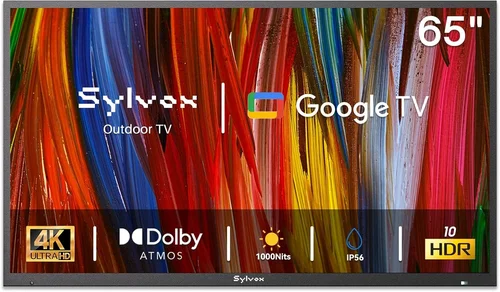
When it comes to transforming your small patio into a true outdoor oasis, few upgrades deliver the same level of comfort and entertainment value as a poolside TV. Whether you’re lounging by the water on a hot summer afternoon, hosting friends for a backyard movie night, or simply unwinding after a long day with your favorite show, having a television within view—yet protected from the elements—can elevate your outdoor experience significantly. Yet, many homeowners assume that such a luxury comes with a hefty price tag. The truth? You don’t need to break the bank to enjoy high-quality outdoor viewing. With smart shopping, careful planning, and a clear understanding of what truly matters in an outdoor TV setup, you can find a reliable, weather-resistant, and feature-rich television that fits comfortably within a modest budget.
This guide is designed specifically for those who want the best possible poolside TV experience without overspending. We’ll walk you through every critical decision point—from understanding essential performance specs to avoiding common pitfalls—so you can make a confident, informed purchase. Whether you’re working with a tight budget or simply prefer to get maximum value for your money, this comprehensive resource will help you navigate the often-confusing world of outdoor televisions. You’ll learn how to balance cost with durability, picture quality with weather resistance, and portability with long-term reliability. By the end, you’ll not only know exactly what to look for—but also where to find it at the best possible price.
The market for outdoor TVs has evolved dramatically over the past few years. Once dominated by ultra-expensive, fully sealed commercial-grade models costing thousands of dollars, today’s options include a growing number of affordable, consumer-friendly alternatives that are perfectly suited for covered patios, screened-in porches, and shaded pool areas. Brands like SunBrite, Samsung, LG, and even budget-friendly newcomers have introduced models that blend solid performance with outdoor-ready features—all at prices that won’t make your wallet recoil. At the same time, indoor TVs paired with protective enclosures have emerged as a surprisingly effective (and far cheaper) alternative for many homeowners. This guide will help you understand which path makes sense for your space, climate, and viewing habits—so you can enjoy crystal-clear entertainment under the sun without blowing your budget.

What to Look for When Buying Buying Guide
1. Budget & Price Range
Setting a realistic budget is the first and most important step in your poolside TV journey. While it’s tempting to aim for the highest-end model you can find, doing so often leads to overspending on features you may never use—especially in a small patio setting where extreme brightness or massive screen sizes aren’t always necessary. For most homeowners, a budget between $300 and $800 will yield excellent results, especially if you’re willing to consider slightly older models, refurbished units, or indoor TVs in protective cases.
Start by defining your absolute maximum spend, then build your search around that number. Remember: the cost of the TV is just one part of the equation. You’ll also need to factor in mounting hardware, cables, possibly a weatherproof enclosure, and installation (if you’re not doing it yourself). A good rule of thumb is to allocate 20–30% of your total budget to accessories and setup. If you’re working with under $500 total, prioritize a reliable indoor TV with a quality outdoor case—this combo often outperforms entry-level “outdoor” TVs at half the price.
2. Performance Specifications
Even in a small patio, picture quality matters—especially when you’re watching during daylight hours. The key specs to focus on include brightness (measured in nits), resolution, contrast ratio, and refresh rate. For poolside use, aim for a minimum of 400 nits of brightness; anything below 300 nits will struggle in direct or even dappled sunlight. If your patio is fully shaded or used primarily in the evening, you can get away with lower brightness, but higher is always better for outdoor visibility.
Resolution-wise, Full HD (1080p) is the sweet spot for budget buyers. While 4K offers sharper detail, the difference is barely noticeable on screens under 50 inches—and most small patios don’t benefit from ultra-large displays. Stick with 1080p unless you plan to sit very close to a 55-inch+ screen. Refresh rate should be at least 60Hz; anything less may cause motion blur during fast-paced sports or action scenes. Also, look for TVs with good color accuracy and wide viewing angles—important if you’ll be watching from different spots around the pool or seating area.
3. Build Quality & Durability
This is where many budget buyers go wrong: assuming that any TV labeled “for outdoor use” is automatically rugged. In reality, build quality varies wildly—even among models in the same price range. Start by checking the IP (Ingress Protection) rating. For covered patios, an IP54 rating (protects against dust and splashing water) is usually sufficient. If your TV will be exposed to rain, wind, or pool spray, aim for IP55 or higher. Avoid TVs with no IP rating—they’re not truly outdoor-safe.
Beyond the rating, examine the materials. Aluminum or powder-coated metal housings resist rust and corrosion better than plastic. Sealed ports, reinforced hinges (on tilting mounts), and tempered glass screens add extra protection. Also consider operating temperature range—most outdoor TVs function between -22°F and 122°F, but cheaper models may fail in extreme heat or cold. If you live in a region with harsh summers or chilly winters, verify the specs carefully.
4. Features & Functionality
Modern TVs come packed with features, but not all are useful for poolside viewing. Smart TV platforms (like Roku TV, Android TV, or webOS) are highly recommended—they let you stream Netflix, YouTube, or live sports directly without needing a separate device. However, ensure the interface is responsive; laggy menus ruin the experience. Built-in Wi-Fi is a must, and dual-band support (2.4GHz and 5GHz) ensures stable streaming even at a distance from your router.
Other useful features include voice control (via Alexa or Google Assistant), multiple HDMI ports (for gaming consoles or soundbars), and USB playback. Avoid TVs with only one HDMI port—you’ll regret it when you want to connect both a streaming stick and a Blu-ray player. Also, check audio output options: many outdoor TVs have weak built-in speakers, so plan to connect external speakers or a soundbar via optical or Bluetooth.
5. Brand Reputation
Not all brands are created equal—especially in the outdoor TV space. Established names like Samsung, LG, and Sony offer reliable indoor models that, when paired with a quality enclosure, perform exceptionally well outdoors. Specialty brands like SunBrite and Seura are leaders in true outdoor TVs but tend to be pricier. Meanwhile, lesser-known brands may offer tempting deals but often cut corners on components, software updates, or customer support.
Research brands that specialize in your use case. If you’re going the indoor-TV-in-a-case route, stick with brands known for durability and consistent performance. Read professional reviews and user feedback to gauge long-term reliability. A brand with a strong track record in outdoor electronics is more likely to honor warranties and provide timely firmware updates—critical for smart TV functionality over time.
6. Warranty & Support
A good warranty can save you hundreds in repair or replacement costs—especially important for electronics exposed to the elements. Most reputable brands offer at least a one-year limited warranty, but some extend coverage to two or three years for outdoor models. Pay attention to what’s covered: does it include water damage? Power surges? Screen burn-in? Also, check if the warranty is voided by outdoor use—some indoor TVs lose coverage if installed outside, even in enclosures.
Customer support matters too. Can you easily reach a human? Is there a dedicated outdoor TV support line? Do they offer remote troubleshooting? Brands with strong U.S.-based support (like Samsung or LG) typically resolve issues faster than those relying on overseas call centers. Before buying, search for “[Brand] outdoor TV warranty complaints” to see if others have had problems.
7. Size & Portability
On a small patio, bigger isn’t always better. A 65-inch TV might look impressive, but if your seating is only 6–8 feet away, it can cause eye strain and overwhelm the space. For most small patios, 40–50 inches is ideal. Measure your viewing distance: a good guideline is to multiply the screen size by 1.5 to get the minimum comfortable viewing distance (e.g., a 43-inch TV should be viewed from at least 5.4 feet away).
Portability is another consideration. If you plan to move the TV between indoor and outdoor spaces (e.g., bringing it inside during winter), choose a lighter model or one designed for easy dismounting. Some outdoor enclosures are heavy and cumbersome—factor that into your decision. Wall-mounted TVs save space but require permanent installation; consider a tiltable or full-motion mount if you want flexibility.
8. User Reviews & Ratings
Never rely solely on manufacturer specs or marketing claims. Real-world user reviews reveal hidden flaws—like poor remote range, overheating in direct sun, or flimsy mounting brackets. Focus on reviews from buyers who installed the TV in similar conditions (covered patio, poolside, etc.). Look for patterns: if multiple users complain about the same issue (e.g., “screen fades after 6 months”), it’s likely a real problem.
Use trusted platforms like Amazon, Best Buy, or Crutchfield, where verified purchases are marked. Pay attention to recent reviews—technology changes fast, and a model praised two years ago might have been discontinued or redesigned poorly. Also, check YouTube for hands-on demos: seeing the TV in action outdoors can tell you more than any spec sheet.
Different Types of Buying Guide

Common Buying Mistakes to Avoid
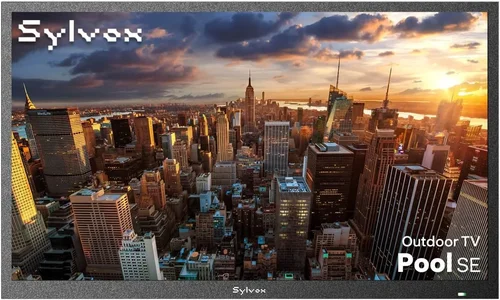
❌ Mistake: Buying an Indoor TV Without a Proper Enclosure
Why it’s bad: Even in a covered patio, moisture from pool evaporation, humidity, and accidental splashes can damage internal components over time. Indoor TVs aren’t designed to handle these conditions, and using one without protection voids most warranties and drastically shortens lifespan.
What to do instead: Invest in a certified outdoor enclosure with an IP54 or higher rating. Look for models with built-in ventilation, anti-reflective glass, and secure locking mechanisms. Popular options include the Peerless-AV Outdoor Enclosure or the Swift Mount Pro series—both offer excellent protection for under $200.
❌ Mistake: Ignoring Brightness Requirements
Why it’s bad: A dim screen turns your poolside TV into a useless black mirror on sunny days. Many buyers focus on resolution or smart features but forget that outdoor visibility hinges on brightness. A 250-nit TV might look fine indoors but will be unwatchable in daylight.
What to do instead: Prioritize nits over pixels. Aim for at least 400 nits for shaded areas and 700+ for partial sun. If brightness is low, consider adding bias lighting behind the TV or installing it under a deep overhang to reduce glare.
❌ Mistake: Overlooking Audio Needs
Why it’s bad: Most outdoor TVs—even premium ones—have weak built-in speakers. Wind, water noise, and distance from the TV can make dialogue inaudible, forcing you to crank the volume and distort sound.
What to do instead: Plan for external audio from day one. Pair your TV with weather-resistant outdoor speakers (like the Polk Audio Atrium series) or a Bluetooth soundbar. Run speaker wire through conduit for a clean, safe installation.
❌ Mistake: Choosing the Wrong Screen Size
Why it’s bad: A TV that’s too large overwhelms a small patio and causes eye strain. One that’s too small gets lost in the space and forces you to squint. Either scenario ruins the viewing experience.
What to do instead: Measure your seating distance and use the 1.5x rule (screen size × 1.5 = minimum viewing distance). For a 7-foot viewing distance, a 40–43 inch TV is ideal. Also, consider the TV’s bezel size—slim bezels make smaller screens feel larger.
❌ Mistake: Skipping the Mounting Plan
Why it’s bad: Poor mounting leads to unstable TVs, awkward viewing angles, or cables exposed to the elements. Many buyers assume any wall mount will work, but outdoor mounts need to handle wind loads, corrosion, and weight distribution differently.
What to do instead: Use a marine-grade or outdoor-rated mount with rust-proof hardware. Full-motion mounts offer flexibility but require stronger walls. Always secure cables with outdoor-rated conduit or raceways to prevent water ingress.
❌ Mistake: Not Checking Return Policies
Why it’s bad: Outdoor TVs are harder to test before buying. What looks good online might have poor color accuracy, slow response, or compatibility issues with your devices. Without a generous return window, you’re stuck with a lemon.
What to do instead: Buy from retailers with at least a 30-day return policy (Best Buy, Crutchfield, and Amazon are reliable). Test the TV immediately upon delivery—check brightness, input lag, Wi-Fi stability, and remote range.
❌ Mistake: Forgetting About Power and Connectivity
Why it’s bad: Running power and HDMI cables outdoors isn’t as simple as drilling a hole. Improper wiring can create fire hazards, trip risks, or signal loss—especially over long distances.
What to do instead: Use in-wall rated (CL2/CL3) HDMI cables and outdoor-safe extension cords. For permanent setups, hire an electrician to install a weatherproof outlet near the TV. Consider wireless HDMI transmitters for cleaner installations.
Budget Guidelines: How Much Should You Spend?
Your budget should align with your usage, climate, and long-term goals. Here’s a realistic breakdown based on real-world performance and value:
- Entry-Level ($250–$400): Perfect for fully covered patios used primarily at night. Expect a 40–43 inch indoor TV (like a TCL 4-Series or Hisense A6) paired with a basic outdoor enclosure. Picture quality is solid, but brightness may struggle in daylight. Ideal for casual viewing and renters.
- Mid-Range ($400–$700): The sweet spot for most homeowners. You’ll get a 43–50 inch TV with better brightness (400+ nits), smarter features (Roku or Android TV), and a higher-quality enclosure with better ventilation and glare reduction. Models like the Samsung TU7000 or LG UQ75 are excellent choices here.
- Premium ($700–$1,200): For those who want a true outdoor TV without going all-out. Brands like SunBrite offer partial-sun models with 700+ nits brightness, anti-reflective screens, and robust build quality. Great for patios with morning or evening sun exposure.
- Luxury ($1,200+): Reserved for uncovered decks, full-sun exposure, or commercial-grade needs. These TVs (like the SunBrite Veranda or Seura Shade) feature 1,000+ nits brightness, full IP65 ratings, and advanced thermal management. Overkill for most small patios—but unmatched in harsh conditions.
Expert Tips for Getting the Best Deal
- Buy During Off-Seasons: Prices drop significantly in fall and winter when demand for outdoor electronics declines. Look for Black Friday, Cyber Monday, or post-holiday sales—many retailers clear out summer inventory.
- Shop at Specialty Retailers: Stores like Crutchfield, Abt Electronics, or Outdoor TV Direct often have exclusive deals, bundle packages (TV + mount + enclosure), and expert advice you won’t find at big-box stores.
- Compare Total Cost of Ownership: A $500 TV might seem cheaper than a $800 one—but if it requires a $200 enclosure and $100 in mounting hardware, the total cost rivals the pricier all-in-one option. Always calculate the full setup cost.
- Check for Rebates and Tax Credits: Some energy-efficient outdoor TVs qualify for local utility rebates. Also, certain states offer tax exemptions on outdoor home improvement items—worth investigating.
- Test Before Committing: If possible, visit a showroom to see the TV in person. Check how the screen looks in bright light, how responsive the remote is, and whether the sound is adequate.
- Negotiate on Bundles: Many retailers will discount the total if you buy a TV, mount, and enclosure together. Don’t be afraid to ask for a package deal.
- Consider Long-Term Value: A slightly more expensive TV with a better warranty, longer lifespan, and software support may cost less over time than a cheap model that fails in two years.
- Read the Fine Print on Warranties: Some “outdoor” warranties only cover manufacturing defects—not damage from weather. Make sure your coverage includes environmental exposure if you’re buying a true outdoor model.

Frequently Asked Questions
Q: Can I use a regular indoor TV by my pool?
A: Only if it’s in a certified outdoor enclosure and your patio is fully covered. Even then, avoid direct exposure to water, steam, or extreme temperatures. Most indoor TVs aren’t built for outdoor conditions and will fail prematurely without proper protection.
Q: Do I need a special mount for an outdoor TV?
A: Yes. Standard indoor mounts aren’t rated for outdoor use and can corrode or fail under wind load. Use an outdoor-rated mount with stainless steel hardware and weatherproof coating.
Q: How do I hide cables on my patio TV?
A: Run cables through in-wall conduit, use outdoor cable raceways, or install a wireless HDMI system. Never leave cables exposed—they’re a tripping hazard and vulnerable to water damage.
Q: Will my Wi-Fi reach the patio?
A: It depends on distance and obstacles. If your signal is weak, use a Wi-Fi extender, mesh network, or powerline adapter. Some outdoor TVs also support Ethernet for a wired connection.
Q: Can I leave my outdoor TV on all day?
A: Most modern LED TVs are energy-efficient and safe for extended use. However, avoid leaving them on in direct sunlight for hours—it can cause overheating. Use a timer or smart plug to automate power.
Q: Are outdoor TVs worth the extra cost?
A: Only if you need full weather resistance or extreme brightness. For covered patios, an indoor TV in a good enclosure often delivers better value and performance for less money.
Q: What’s the difference between IP54 and IP65?
A: IP54 protects against dust and splashing water—sufficient for covered areas. IP65 is dust-tight and protected against water jets—ideal for uncovered or high-moisture zones.
Q: Can I stream 4K content outdoors?
A: Yes, if your TV supports 4K and your internet speed is at least 25 Mbps. However, on screens under 50 inches viewed from 6+ feet away, the difference from 1080p is minimal.
Q: How long do outdoor TVs last?
A: With proper care, 7–10 years is typical. True outdoor models may last longer due to better components, but software updates and smart features can become outdated sooner.
Q: Should I get a curved or flat screen for my patio?
A: Flat screens are better for outdoor use. Curved TVs are designed for close, centered viewing and can cause distortion when viewed from the side—common on patios with multiple seating areas.
Our Final Recommendations
- Best for Budget-Conscious Buyers: TCL 43S450G (43″ 4K Roku TV) + Peerless-AV Outdoor Enclosure. Total cost under $500. Excellent picture, easy setup, and reliable streaming. Ideal for shaded patios.
- Best Overall Value: Samsung TU7000 (50″ Crystal UHD) + Swift Mount Pro Enclosure. Around $650 total. Bright, vibrant display with strong smart features and solid build quality.
- Best Premium Option: SunBrite Veranda Series (43″ Partial Sun). Priced at $999. Built for outdoor use with 700+ nits brightness, anti-glare screen, and full weather resistance.
- Best for Beginners: Hisense A6 Series (40″ Roku TV) + generic IP54 enclosure. Under $400. Simple, reliable, and perfect for first-time outdoor TV owners.
- Best for Advanced Users: LG UQ75 (55″ webOS TV) + custom-built outdoor cabinet with active cooling. For tech-savvy users who want maximum control, upgradability, and long-term performance.
Conclusion: Making the Right Choice
Choosing the right poolside TV for your small patio doesn’t have to be overwhelming—or expensive. By focusing on your specific needs, understanding the key differences between indoor and outdoor models, and avoiding common pitfalls, you can enjoy high-quality outdoor entertainment without overspending. Remember: the best TV is the one that fits your space, matches your budget, and delivers a reliable, enjoyable viewing experience season after season.
Start by assessing your patio’s exposure, measuring your viewing distance, and setting a realistic budget. Then, prioritize brightness, build quality, and smart features over flashy specs you’ll never use. Whether you go with a clever indoor-TV-in-a-case setup or invest in a true outdoor model, the goal is the same: to create a comfortable, inviting space where you can relax, entertain, and enjoy your favorite shows under the open sky.
Don’t rush the decision. Take advantage of seasonal sales, read real user reviews, and consider the total cost of ownership—not just the sticker price. And if you’re unsure, start small: a 40-inch setup with a quality enclosure can always be upgraded later. Your perfect poolside TV is out there—and with the insights from this guide, you’re now equipped to find it at the best possible value. Happy viewing!

