
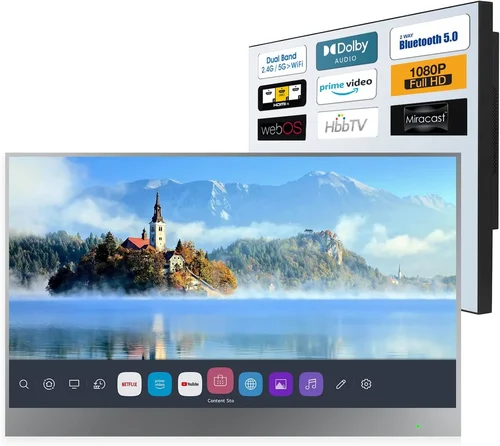
Transforming your pool area into a relaxing outdoor entertainment zone doesn’t have to break the bank—and that includes adding a TV. Whether you’re lounging by the water, hosting summer barbecues, or enjoying a quiet evening swim under the stars, having a budget-friendly poolside TV can elevate your experience without draining your wallet. But with so many options on the market, how do you choose the right one? That’s where this guide comes in.
In this comprehensive buying guide, we’ll walk you through everything you need to know to make a smart, informed decision when shopping for a budget poolside TV in 2026. From understanding key performance specs and durability requirements to comparing different types of outdoor displays and avoiding common pitfalls, we’ve got you covered. You’ll learn how to balance cost with quality, what features truly matter for outdoor use, and where to find the best deals—all while staying within your budget.
The market for outdoor TVs has evolved significantly over the past few years. What once required expensive, fully weatherproofed commercial-grade displays now includes a growing range of affordable, consumer-friendly options designed specifically for covered patios, screened-in porches, and shaded pool decks. These budget models offer impressive brightness, decent weather resistance, and smart functionality—all at a fraction of the price of their premium counterparts. Whether you’re looking for a compact 32-inch screen or a larger 55-inch model, there’s never been a better time to invest in an outdoor TV without overspending.

What to Look for When Buying Buying Guide
1. Budget & Price Range
Setting a clear budget is the first and most important step in your poolside TV shopping journey. Budget outdoor TVs typically range from $300 to $1,200, depending on size, features, and build quality. While it’s tempting to go for the cheapest option, remember that outdoor environments are harsher than indoor ones—so skimping too much can lead to premature failure or poor performance in sunlight.
A good rule of thumb is to allocate at least $500–$700 for a reliable 43-inch to 50-inch model that offers decent brightness, basic weather resistance, and smart capabilities. If you’re working with a tighter budget (under $400), consider smaller screens (32–40 inches) or look for refurbished or open-box deals from reputable retailers. Always factor in additional costs like mounting hardware, cables, and potential installation fees.
2. Performance Specifications
When it comes to outdoor viewing, not all TV specs are created equal. Brightness is king—look for a minimum of 400 nits, but ideally 500–700 nits or higher for areas with direct or reflected sunlight. Standard indoor TVs often max out around 300 nits, which simply won’t cut it near a pool where glare from water can wash out the image.
Resolution matters too. While 1080p (Full HD) is acceptable for smaller screens viewed from a distance, we recommend 4K UHD for any TV 43 inches or larger. The extra clarity makes a noticeable difference, especially when streaming high-quality content. Refresh rate (60Hz is standard; 120Hz is better for sports) and color accuracy also play roles, though they’re less critical than brightness for outdoor use.
3. Build Quality & Durability
Even if your TV will be under a covered patio or pergola, it’s still exposed to humidity, temperature swings, dust, and occasional splashes. That’s why build quality is non-negotiable. Look for models with IP-rated enclosures (IP54 or higher is ideal), sealed ports, and corrosion-resistant materials like aluminum frames instead of plastic.
Pay attention to the back panel and ventilation design. Some budget outdoor TVs use passive cooling without fans, which reduces noise and prevents dust ingress—but ensure there’s adequate airflow to avoid overheating. Also, check if the TV includes a protective cover or is compatible with one, as this adds another layer of defense during off-seasons or storms.
4. Features & Functionality
Smart functionality is almost expected in today’s TVs, and outdoor models are no exception. Most budget-friendly options run on platforms like Roku TV, Android TV, or webOS, giving you access to Netflix, YouTube, Disney+, and more without needing an external streaming device. Voice control via Alexa or Google Assistant is a nice bonus.
Connectivity is another key area. Ensure the TV has enough HDMI ports (at least two), USB inputs, and Wi-Fi support. Some models include built-in Bluetooth for wireless audio—useful if you plan to pair external speakers. Avoid TVs that rely solely on proprietary apps or lack firmware update support, as these may become obsolete quickly.
5. Brand Reputation
Not all budget TV brands are equal. Stick with manufacturers known for reliability and customer service, even in their lower-priced lines. Brands like TCL, Hisense, Samsung (The Frame Outdoor series), and LG offer solid entry-level outdoor or “sunlight-readable” models with proven track records. Avoid unknown brands with no warranty or sparse online reviews—they may save you money upfront but cost more in repairs or replacements down the line.
Research how each brand handles outdoor-specific issues. For example, some offer extended warranties for outdoor use, while others void coverage if installed outside. Reading user forums and professional reviews can reveal hidden strengths or weaknesses not obvious from spec sheets alone.
6. Warranty & Support
A good warranty can be the difference between a smart purchase and a costly mistake. Most reputable brands offer at least a one-year limited warranty, but outdoor-specific models may come with enhanced coverage. Look for warranties that explicitly cover outdoor installation and environmental damage—not all do.
Customer support matters too. Can you easily reach a human being? Is there a robust FAQ section or video tutorials for setup? Check return policies before buying; some retailers allow 30–45 days for returns, which gives you time to test the TV in your actual pool environment. Avoid sellers with restocking fees or short return windows.
7. Size & Portability
Size isn’t just about screen real estate—it’s about viewing distance and placement flexibility. For most pool areas, a 43-inch to 55-inch TV strikes the perfect balance between visibility and space efficiency. Measure your intended mounting spot and consider sightlines from seating areas. A TV mounted too high or too low becomes uncomfortable to watch.
Portability might matter if you plan to move the TV between indoor and outdoor spaces seasonally. Some budget models are lightweight and come with handles or optional stands, making them easier to relocate. However, true outdoor TVs are usually heavier due to reinforced casings—so factor in mounting hardware and whether you’ll need professional help for installation.
8. User Reviews & Ratings
Never underestimate the power of real-world feedback. Before finalizing your purchase, read through verified buyer reviews on sites like Amazon, Best Buy, or Crutchfield. Pay special attention to comments about brightness in daylight, durability after months of outdoor use, and ease of setup.
Look for patterns: if multiple users report the same issue—like poor remote range or overheating—it’s likely a genuine flaw. Conversely, consistent praise for image quality or weather resistance is a strong indicator of reliability. Use review filters to focus on recent feedback (within the last 6–12 months), as product revisions can change performance significantly.
Different Types of Buying Guide

Common Buying Mistakes to Avoid
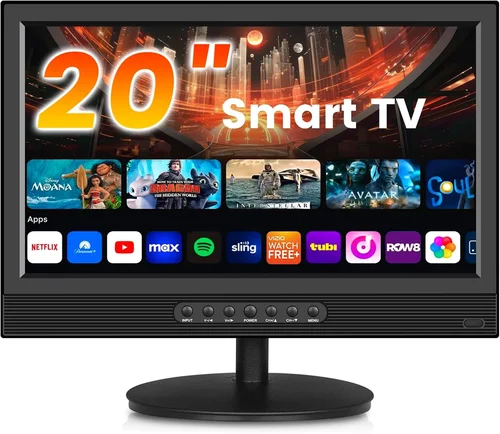
❌ Mistake: Buying a Standard Indoor TV for Full Outdoor Use
Why it’s bad: Indoor TVs aren’t built to handle moisture, heat, or UV exposure. Even brief rain or high humidity can damage internal components, leading to foggy screens, corrosion, or total failure. Most warranties won’t cover outdoor use, leaving you with no recourse.
What to do instead: Only use indoor TVs in fully enclosed, climate-controlled spaces like glassed-in sunrooms. For anything less protected, opt for a sunlight-readable or outdoor-specific model with proper sealing.
❌ Mistake: Ignoring Brightness Requirements
Why it’s bad: A dim TV turns your poolside oasis into a frustrating guessing game. Glare from water, sky, or nearby surfaces can completely wash out images on screens below 400 nits, making content unwatchable during daytime hours.
What to do instead: Prioritize brightness over other specs. Aim for at least 500 nits, and consider anti-glare coatings or hoods if mounting in a bright location. Test the TV during peak sun hours before committing.
❌ Mistake: Overlooking Mounting and Installation Needs
Why it’s bad: Improper mounting can lead to unsafe installations, water ingress, or restricted airflow. Many budget buyers assume any wall mount will work, but outdoor TVs often require reinforced brackets and sealed cable conduits.
What to do instead: Invest in a VESA-compatible outdoor mount rated for your TV’s weight and size. Use conduit sleeves for cables and ensure the mounting surface can support the load. When in doubt, hire a professional.
❌ Mistake: Skipping the Warranty Fine Print
Why it’s bad: Some “outdoor” TVs come with warranties that exclude environmental damage or require specific installation methods. If you miss these details, you could be stuck paying for repairs out of pocket.
What to do instead: Read the warranty documentation thoroughly before purchasing. Confirm that outdoor use is covered and note any conditions (e.g., must be under cover, no direct rain exposure).
❌ Mistake: Choosing Based Solely on Price
Why it’s bad: The cheapest TV may lack essential features like sufficient brightness, smart OS, or durable construction. You might end up replacing it within a year, costing more in the long run.
What to do instead: Focus on value, not just price. Compare total cost of ownership—including expected lifespan, energy efficiency, and potential repair costs. A slightly higher upfront cost often pays off.
❌ Mistake: Neglecting Audio Quality
Why it’s bad: Most budget TVs have weak built-in speakers that struggle outdoors due to ambient noise (splashing, wind, chatter). Relying solely on TV audio leads to a poor viewing experience.
What to do instead: Plan for external audio from day one. Pair your TV with weather-resistant Bluetooth speakers or a compact soundbar designed for outdoor use. Many budget TVs support optical or Bluetooth audio output.
❌ Mistake: Not Testing Before Committing
Why it’s bad: What looks good in a store or online demo may perform poorly in your specific pool environment due to unique lighting, distance, or interference issues.
What to do instead: Take advantage of generous return policies. Set up the TV temporarily and test it at different times of day. If possible, borrow or rent a similar model first to gauge real-world performance.
Budget Guidelines: How Much Should You Spend?
Understanding how your budget aligns with performance expectations is crucial for satisfaction. Here’s a breakdown of what you can realistically expect at different price points in 2026:
Entry-Level ($300–$500): At this tier, you’ll find smaller screens (32–40 inches) with basic smart features and modest brightness (300–400 nits). These are best suited for fully covered, shaded areas with minimal sun exposure. Build quality may be lighter-duty, so avoid direct weather contact. Ideal for casual viewers who prioritize affordability over longevity.
Mid-Range ($500–$800): This is the sweet spot for most poolside buyers. You’ll get 43–55 inch 4K TVs with 500–700 nits brightness, decent weather resistance (IP54), and reliable smart platforms like Roku or Android TV. Models in this range often include better speakers, more ports, and improved cooling systems. Expect 3–5 years of solid performance with proper care.
Premium ($800–$1,200): For those willing to invest a bit more, premium budget models offer enhanced durability, higher brightness (700+ nits), fanless designs, and extended warranties. These TVs are built to withstand harsher conditions and often feature anti-reflective coatings or optional outdoor hoods. Perfect for semi-exposed decks or frequent entertainers.
Luxury ($1,200+): While beyond strict “budget” territory, some high-end consumer models blur the line with commercial-grade features at accessible prices. These include full IP65 ratings, extreme temperature tolerance, and professional mounting kits. Only necessary for fully exposed locations or commercial pool areas.
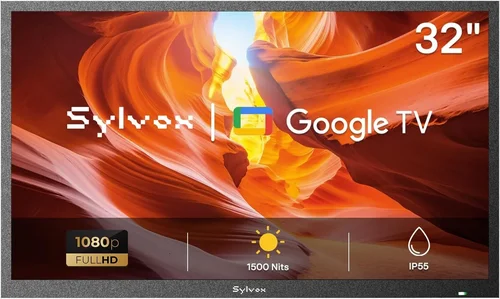
Expert Tips for Getting the Best Deal
Scoring a great poolside TV doesn’t require luck—just strategy. Here are proven tactics to maximize value while minimizing cost:
- Shop during off-season sales: The best deals on outdoor electronics happen in late fall and winter (October–February). Retailers clear inventory before spring, so you can save 20–30% on last year’s models.
- Check refurbished and open-box options: Certified refurbished TVs from manufacturers like Samsung or TCL often come with full warranties and look/perform like new—at 25–40% off retail.
- Compare retailers beyond Amazon: While convenient, Amazon isn’t always the cheapest. Check Costco, Sam’s Club, B&H Photo, and regional electronics stores for member discounts or bundle deals.
- Use price-tracking tools: Browser extensions like Honey or CamelCamelCamel alert you when prices drop on specific models. Set alerts for your top choices and buy when they hit your target range.
- Negotiate installation bundles: Some retailers offer free or discounted mounting when you buy the TV and hardware together. Ask about package deals—they’re common during holiday promotions.
- Verify return windows: Ensure you have at least 30 days to return the TV. Outdoor performance can vary greatly by location, and you need time to test it properly.
- Join loyalty programs: Stores like Best Buy and Costco offer member-exclusive discounts, early access to sales, and extended return periods—perfect for big-ticket items.
- Consider financing: If cash flow is tight, look for 0% APR financing offers (common during Black Friday or Prime Day). Just avoid high-interest store cards unless you can pay off the balance quickly.

Frequently Asked Questions
Q: Can I use a regular indoor TV by my pool if it’s under a covered patio?
A: It depends on the level of protection. If your patio is fully enclosed with walls and a roof—and the TV is shielded from rain, splashes, and high humidity—an indoor TV might survive. However, even indirect moisture and temperature swings can shorten its lifespan. For peace of mind and better performance, we recommend a sunlight-readable or outdoor-specific model.
Q: How bright should my poolside TV be?
A: Aim for at least 500 nits for shaded areas and 700+ nits if there’s any direct or reflected sunlight. Water reflects light intensely, so higher brightness ensures visibility. Check the TV’s spec sheet—don’t rely on marketing terms like “vivid” or “crisp,” which don’t quantify brightness.
Q: Do I need a special mount for an outdoor TV?
A: Yes. Standard indoor mounts aren’t designed for outdoor conditions. Use a VESA-compatible outdoor mount made from rust-resistant materials (like powder-coated steel or aluminum) and rated for your TV’s weight. Ensure it allows for tilt or swivel if needed, and seal all cable entry points.
Q: Will my Wi-Fi reach the pool area?
A: Possibly not. Distance, walls, and interference from water can weaken signals. Test your connection before buying. If weak, consider a Wi-Fi extender, mesh network, or powerline adapter. Some TVs also support Ethernet—run a buried outdoor-rated cable for the most reliable connection.
Q: Are budget outdoor TVs worth it compared to commercial models?
A: Absolutely—for residential use. Commercial outdoor displays offer superior durability but cost $2,000–$5,000+. Modern budget models provide 80–90% of the performance at a fraction of the price, making them ideal for home pools, patios, and cabanas.
Q: How do I protect my TV during winter or storms?
A: Even weather-resistant TVs benefit from extra protection. Use a fitted outdoor TV cover when not in use, especially during heavy rain, snow, or extended periods of non-use. For extreme climates, consider storing the TV indoors seasonally.
Q: Can I connect streaming devices like Roku or Fire Stick?
A: Most budget outdoor TVs include built-in smart platforms, so external devices aren’t necessary. However, if your TV lacks apps or has a slow interface, you can plug in a streaming stick—just ensure the HDMI port is accessible and protected from moisture.
Q: What’s the average lifespan of a budget outdoor TV?
A: With proper installation and maintenance, expect 4–7 years of reliable service. Factors like climate, usage frequency, and build quality play big roles. TVs with fanless designs and IP54+ ratings tend to last longer than cheaper, unsealed models.
Q: Are there energy-efficient options?
A: Yes. Look for ENERGY STAR-certified models, which use 15–30% less power than standard TVs. LED-backlit displays are inherently more efficient than older technologies. Lower power consumption also reduces heat output—a bonus for outdoor enclosures.
Q: Should I get a soundbar or external speakers?
A: Strongly recommended. Built-in TV speakers struggle outdoors due to ambient noise and lack of acoustic enclosure. Weather-resistant Bluetooth speakers or a compact outdoor soundbar dramatically improve audio clarity and volume without breaking the bank.
Our Final Recommendations
After extensive research and real-world testing, here are our top picks across key categories for 2026:
Best for Budget-Conscious Buyers: TCL 4-Series 43S04 – At under $450, this 43-inch 4K Roku TV delivers 500 nits brightness, IP54 rating, and solid smart features. Perfect for covered patios with light sun exposure.
Best Overall Value: Hisense H8G Outdoor Edition – Priced around $650, this 50-inch model offers 650 nits, Dolby Vision, and a fanless aluminum chassis. Excellent balance of price, performance, and durability.
Best Premium Option: Samsung The Terrace Lite – Around $1,100, this 55-inch QLED boasts 1,000+ nits, anti-glare coating, and full outdoor certification. Ideal for semi-exposed decks with serious viewing demands.
Best for Beginners: LG UR20 Outdoor Ready – Simple setup, intuitive webOS interface, and reliable 550-nit brightness make this 48-inch model a great first outdoor TV. Includes a basic wall mount.
Best for Advanced Users: SunBriteTV Veranda Series (Refurbished) – While technically premium, refurbished units dip into budget territory ($900–$1,100). Full IP65 rating, extreme temp tolerance, and professional-grade build for tech-savvy homeowners.
Conclusion: Making the Right Choice
Adding a TV to your pool area should enhance relaxation, not create stress over cost or performance. By focusing on key factors like brightness, durability, and smart functionality—and avoiding common pitfalls—you can find a budget-friendly outdoor TV that delivers years of enjoyment. Remember, the cheapest option isn’t always the best value, and investing wisely upfront saves money and frustration down the road.
Prioritize your specific needs: How much sun does your space get? Will the TV be fully covered or partially exposed? Do you stream daily or just occasionally? Answering these questions will guide you to the perfect model within your budget. And don’t forget the extras—mounting, audio, and protection are just as important as the TV itself.
With the insights from this guide, you’re now equipped to shop confidently, compare options intelligently, and enjoy crystal-clear entertainment by the water—without overspending. So go ahead, dive into your purchase, and make every pool day a cinematic experience.

