
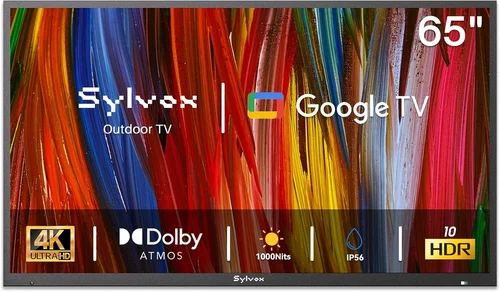
Outdoor living spaces have evolved far beyond simple patios and grills. Today’s homeowners are transforming their backyards into fully functional entertainment zones—complete with outdoor kitchens, fire pits, sound systems, and yes, even televisions. A poolside TV isn’t just a luxury anymore; for many, it’s an essential part of the outdoor experience. Whether you’re hosting a summer barbecue, relaxing by the pool with a movie, or catching the big game while grilling, having a reliable TV nearby elevates the entire atmosphere.
But here’s the catch: outdoor TVs—especially those built to withstand sun, rain, humidity, and temperature swings—can get expensive fast. That’s why this guide focuses specifically on budget-friendly options that don’t sacrifice too much in terms of performance or durability. We’re not talking about cutting corners on safety or core functionality, but rather helping you make smart, informed choices that align with your financial comfort zone. By the end of this article, you’ll know exactly what to look for, what to avoid, and how to stretch your dollar without ending up with a screen that fades in daylight or dies after one rainy season.
The market for outdoor TVs has grown significantly in recent years, driven by advances in display technology and increased demand for outdoor entertainment. While premium brands like SunBrite and Seura dominate the high-end segment, a new wave of affordable alternatives—often repurposed indoor TVs with protective enclosures or budget outdoor models—has emerged. These options can deliver solid performance at a fraction of the cost, provided you understand their limitations and choose wisely. This guide cuts through the marketing noise and gives you the real, expert-backed insights needed to pick the right budget poolside TV for your outdoor kitchen setup in 2026.

What to Look for When Buying Buying Guide
1. Budget & Price Range
When shopping for a budget poolside TV, your starting point should always be a clear understanding of what “budget” means for your specific situation. For most homeowners looking to add outdoor entertainment without breaking the bank, a realistic range falls between $300 and $800. This tier offers a sweet spot where you can find capable displays with decent brightness, basic weather resistance, and essential smart features—without paying premium outdoor TV prices that often start at $1,500 and climb rapidly.
It’s important to distinguish between true outdoor-rated TVs and indoor TVs used outdoors with protective covers. The latter can be a smart cost-saving strategy, but only if you’re willing to accept trade-offs in longevity and performance. True outdoor TVs are engineered from the ground up for exterior use, with sealed components, corrosion-resistant materials, and enhanced cooling systems. However, many budget-conscious buyers opt for high-brightness indoor models (often labeled as “commercial” or “digital signage” displays) housed in weatherproof enclosures. This hybrid approach can save you hundreds while still delivering a functional viewing experience.
Set a firm spending limit before you begin browsing. Factor in not just the TV itself, but also mounting hardware, cables, surge protectors, and any necessary accessories like IR extenders or wireless streaming devices. A common mistake is underestimating these add-on costs, which can inflate your total investment by 20–30%. Stick to your budget, but remain flexible enough to upgrade slightly if a particular model offers exceptional value.
2. Performance Specifications
Performance specs matter more outdoors than indoors due to challenging environmental conditions. The two most critical metrics for a poolside TV are brightness (measured in nits) and contrast ratio. For daytime viewing near a sun-drenched pool or outdoor kitchen, you’ll need a display with at least 700 nits of brightness—ideally 1,000 nits or more. Standard indoor TVs typically range from 300 to 500 nits, which may appear washed out under direct sunlight.
Resolution is another key consideration. While 4K UHD is now the standard even in budget models, ensure the TV supports HDR (High Dynamic Range) for richer colors and better shadow detail. HDR10 is the baseline; Dolby Vision offers superior quality but is rare in budget outdoor setups. Refresh rate (60Hz vs. 120Hz) affects motion smoothness—important if you plan to watch sports or fast-paced content. Most budget outdoor TVs cap at 60Hz, which is perfectly adequate for casual viewing.
Audio performance is often overlooked but crucial. Outdoor environments lack the acoustics of a living room, so built-in speakers on budget TVs may sound tinny or weak. Consider pairing your TV with a compact outdoor soundbar or wireless Bluetooth speakers. Also, check input options: HDMI 2.0 ports are essential for 4K streaming, and having at least two HDMI inputs allows you to connect a streaming device and a cable box simultaneously.
3. Build Quality & Durability
Durability isn’t optional when your TV sits beside a pool, exposed to splashes, humidity, UV rays, and temperature extremes. Even budget models must meet certain resilience standards. Look for TVs with an IP (Ingress Protection) rating—specifically IP54 or higher. IP54 means the unit is protected against dust ingress and water splashes from any direction, making it suitable for covered patios or poolside areas under eaves.
Materials matter too. Aluminum chassis resist rust better than plastic, especially in coastal or humid climates. Check that ports and connectors are sealed or covered. Some budget outdoor TVs use removable rubber grommets or silicone caps to protect HDMI and power inputs when not in use. Avoid models with exposed circuitry or flimsy stands—these are red flags for long-term reliability.
Thermal management is another durability factor. Outdoor TVs generate heat, and without proper ventilation, internal components can overheat, leading to premature failure. Ensure the TV has passive cooling (no fans, which can fail) and is designed to operate in temperatures ranging from 32°F to 104°F (0°C to 40°C). If you live in an area with extreme heat or cold, verify the manufacturer’s operating temperature specs before buying.
4. Features & Functionality
Smart capabilities are now standard even in budget TVs, but not all smart platforms are created equal. Roku TV, Android TV, and webOS offer robust app ecosystems and regular updates, while lesser-known platforms may lack support for popular streaming services like Netflix, Hulu, or Disney+. Test the interface responsiveness—laggy menus ruin the experience, especially when switching between apps outdoors where patience runs thin.
Voice control via Alexa or Google Assistant is a nice-to-have, but not essential for outdoor use. More practical is support for wireless screen mirroring (Miracast or AirPlay 2), allowing you to stream content directly from your phone or tablet without cables. Bluetooth connectivity enables pairing with wireless headphones or speakers—a must if you don’t want to disturb neighbors during late-night viewing.
Consider ease of installation and adjustability. A tiltable or full-motion wall mount lets you angle the screen for optimal viewing from different spots around your outdoor kitchen or pool deck. Some budget models come with VESA-compatible backs (typically 200×200 or 400×400), making mounting straightforward. Avoid TVs with proprietary mounting systems that limit your options.
5. Brand Reputation
Brand reputation serves as a proxy for reliability, customer service, and long-term support. Established names like Samsung, LG, TCL, and Hisense dominate the budget TV market and offer proven track records. While they may not manufacture dedicated outdoor TVs, their high-brightness indoor models (e.g., Samsung’s “The Terrace” Lite series or TCL’s commercial displays) are frequently used in outdoor setups with protective enclosures.
Avoid obscure brands with no online presence or customer reviews. These often cut corners on components and offer little to no warranty support. If a deal seems too good to be true—say, a 55-inch 4K outdoor-ready TV for $299—it probably is. Stick to brands with verifiable user feedback and responsive customer service. Check forums like AVS Forum or Reddit’s r/outdoortv for real-world experiences.
That said, some lesser-known brands specialize in outdoor electronics and offer surprisingly good value. Companies like Peerless-AV or SkyVue produce affordable outdoor TV enclosures that pair with standard indoor TVs, creating a cost-effective hybrid solution. Just ensure the brand provides clear installation guides and technical support.
6. Warranty & Support
A solid warranty is your safety net against defects, weather damage, or premature failure. Most budget indoor TVs come with a 1-year limited warranty, but outdoor use may void this coverage unless explicitly stated. Look for models that include outdoor-specific warranties or extended protection plans. Some retailers offer add-on warranties for outdoor use, though these can be pricey.
Check what the warranty covers: Does it include screen burn-in, water damage, or power surges? Many standard warranties exclude “acts of nature” or improper installation. If you’re using an indoor TV outdoors, document your setup carefully—photos of sealed connections, proper mounting, and use of surge protectors can help if you need to file a claim.
Customer support responsiveness is equally important. Can you reach a human quickly? Is there a dedicated outdoor TV support line? Test this before buying by calling or emailing with a simple question. A brand that ignores inquiries pre-purchase is unlikely to help post-purchase.
7. Size & Portability
Screen size should match your viewing distance and space constraints. For most outdoor kitchens or poolside seating areas, a 43-inch to 55-inch TV strikes the right balance between visibility and footprint. Sit too close to a large screen, and you’ll see pixelation; sit too far from a small one, and details get lost. A general rule: multiply your seating distance (in inches) by 0.84 to estimate ideal screen diagonal size.
Portability matters if you plan to move the TV seasonally or between zones (e.g., from the pool deck to the garage during winter). Some budget outdoor TVs come with optional rolling stands or lightweight designs under 30 pounds. However, true outdoor TVs are often heavier due to reinforced builds—factor this into your mounting plan.
If space is tight, consider ultra-thin models or those with slim bezels. These maximize screen real estate without overwhelming your outdoor kitchen aesthetic. Avoid TVs with bulky stands unless you’re placing them on a sturdy outdoor console.
8. User Reviews & Ratings
Never buy a budget poolside TV based solely on specs or marketing claims. User reviews reveal real-world performance, quirks, and failure points that specs sheets omit. Focus on verified purchase reviews from outdoor or poolside installations—not just indoor use. Look for patterns: Do multiple users report screen fading after six months? Are complaints about Wi-Fi dropouts common?
Pay attention to reviews mentioning brightness in daylight, ease of setup, and weather resistance. A TV that scores well indoors may struggle in direct sun. Use tools like Amazon’s “Top Reviews” filter or Best Buy’s customer photos to see actual outdoor setups. Forums and YouTube unboxing videos offer deeper insights—watch for long-term update videos (6+ months) to assess durability.
Be wary of fake reviews. Genuine feedback often includes specifics: “Used this by my saltwater pool for 8 months—no corrosion yet,” or “Screen washes out at noon unless under full shade.” Vague praise like “Great TV!” with no context is suspect.
Different Types of Buying Guide

Common Buying Mistakes to Avoid
❌ Mistake: Buying a Standard Indoor TV Without Protection
Why it’s bad: Standard indoor TVs aren’t built to handle moisture, dust, or temperature swings. Even brief exposure to pool spray or morning dew can corrode internal components, leading to dead pixels, audio failure, or complete shutdown. Most manufacturers void warranties if used outdoors.
What to do instead: Either invest in a true outdoor-rated model or use a high-quality weatherproof enclosure rated for your climate. Ensure all cable entry points are sealed with silicone or grommets.
❌ Mistake: Ignoring Brightness Requirements
Why it’s bad: A dim screen looks terrible in daylight. You’ll strain to see content, defeating the purpose of having a TV outdoors. Many buyers regret choosing a 400-nit TV for a sunny pool deck.
What to do instead: Prioritize models with at least 700 nits. If possible, view the TV in person under bright light or read reviews that specifically mention daytime visibility.
❌ Mistake: Overlooking Mounting and Cable Management
Why it’s bad: Poor mounting leads to unstable screens or awkward viewing angles. Exposed cables invite tripping hazards, water damage, and pest intrusion.
What to do instead: Choose a VESA-compatible TV and a sturdy outdoor-rated mount. Run cables through conduit or use in-wall rated (CL2/CL3) cables hidden behind siding or under decking.
❌ Mistake: Skimping on Surge Protection
Why it’s bad: Outdoor electronics are vulnerable to lightning-induced power surges. A single storm can fry your TV and connected devices.
What to do instead: Use a high-quality outdoor surge protector with at least 2,000 joules of protection. Better yet, install a whole-house surge suppressor for comprehensive coverage.
❌ Mistake: Assuming All “Outdoor” Labels Are Equal
Why it’s bad: Some brands slap “outdoor” on indoor TVs with minimal modifications. These may lack proper sealing or thermal management.
What to do instead: Verify IP ratings, operating temperature ranges, and warranty terms. Look for certifications like UL Listed for outdoor use.
❌ Mistake: Neglecting Audio Needs
Why it’s bad: Wind, water, and distance drown out built-in TV speakers. You’ll end up shouting or missing dialogue.
What to do instead: Budget for outdoor speakers or a weather-resistant soundbar. Wireless options reduce cable clutter.
❌ Mistake: Buying Without Testing Return Policies
Why it’s bad: Outdoor conditions vary—what works in Arizona may fail in Florida’s humidity. If you can’t return it, you’re stuck with a lemon.
What to do instead: Only buy from retailers with generous return windows (30+ days) and clear outdoor-use return policies.
Budget Guidelines: How Much Should You Spend?
Entry-Level ($300–$500): This tier is ideal for covered patios or shaded pool areas with minimal direct sun exposure. Expect 43-inch to 50-inch screens with 700–800 nits brightness, basic smart features (Roku or Android TV), and limited weather resistance (IP54). You’ll likely need a separate enclosure if using an indoor TV. Audio will be weak—plan for external speakers. Best for occasional use or secondary viewing.
Mid-Range ($500–$800): The sweet spot for most buyers. These models often include commercial-grade indoor TVs with 1,000+ nits brightness, better heat dissipation, and improved build quality. Some come with partial outdoor ratings or are designed for semi-outdoor use. Smart platforms are more responsive, and HDMI 2.0 support is standard. You can find 55-inch options here with solid warranties. Perfect for regular poolside entertainment under a pergola or covered kitchen.
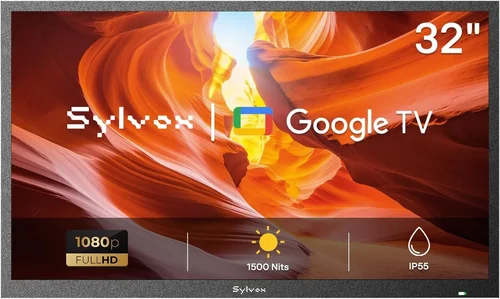
Premium ($800–$1,200): For those who want true outdoor performance without premium-brand prices. These are often rebranded commercial displays or budget lines from outdoor specialists. Expect full IP55 or IP65 ratings, aluminum chassis, wide operating temperature ranges, and enhanced brightness (1,200–1,500 nits). Audio is still limited, but connectivity options expand. Ideal for fully exposed pool decks or coastal environments.
Luxury ($1,200+): While outside strict “budget” territory, some cost-conscious buyers stretch here for peace of mind. These include entry-level models from SunBrite or Seura, offering unmatched durability, anti-glare coatings, and integrated cooling. Only consider if you live in extreme climates or plan to keep the TV outdoors year-round.
Expert Tips for Getting the Best Deal
- Shop during off-seasons: Late summer and early fall offer the deepest discounts as retailers clear outdoor inventory. Black Friday and Cyber Monday also feature TV deals, but selection may be limited.
- Compare total cost of ownership: Factor in enclosures, mounts, cables, and speakers. Sometimes a slightly pricier TV with included weatherproofing saves money long-term.
- Buy refurbished or open-box: Certified refurbished models from reputable sellers (Best Buy, Amazon Renewed) often come with warranties and sell for 20–30% less.
- Check local classifieds and Facebook Marketplace: Homeowners upgrading their outdoor setups sometimes sell nearly new TVs at steep discounts. Verify functionality before purchasing.
- Negotiate with retailers: Big-box stores may price-match online deals or throw in free mounting hardware. Don’t hesitate to ask.
- Read the fine print on warranties: Ensure outdoor use is covered. Some brands offer extended plans for an extra fee.
- Test brightness in-store: If possible, visit a showroom and view the TV under bright lighting to simulate outdoor conditions.
- Join outdoor living forums: Communities like AVS Forum or Houzz often share exclusive promo codes or group-buy opportunities.

Frequently Asked Questions
Q: Can I use a regular indoor TV by my pool if it’s under cover?
A: Technically yes, but it’s risky. Even under cover, humidity, splashes, and temperature changes can damage internal components. If you proceed, use a high-quality weatherproof enclosure and ensure all vents are sealed. Monitor for condensation regularly.
Q: What’s the minimum brightness needed for daytime poolside viewing?
A: At least 700 nits, but 1,000+ nits is strongly recommended for areas with direct sunlight. Anything below 600 nits will appear dim or washed out during peak hours.
Q: Do I need a special mount for outdoor TVs?
A: Yes. Use an outdoor-rated mount rated for your TV’s weight and VESA pattern. Look for corrosion-resistant materials like powder-coated steel or aluminum. Tilt or full-motion mounts improve viewing angles.
Q: How do I protect my TV from power surges?
A: Use a high-joule outdoor surge protector and consider a whole-house surge suppressor. Unplug the TV during thunderstorms if possible.
Q: Can I stream content wirelessly to an outdoor TV?
A: Absolutely. Most smart TVs support screen mirroring via Miracast (Android) or AirPlay 2 (Apple). Ensure your Wi-Fi signal reaches the outdoor area—consider a mesh extender if needed.
Q: Will saltwater air damage my outdoor TV?
A: Yes, over time. Salt accelerates corrosion. Choose TVs with marine-grade coatings or enclosures rated for coastal use. Rinse occasionally with fresh water if near the ocean.
Q: What size TV is best for a small outdoor kitchen?
A: A 43-inch to 50-inch screen works well for spaces under 15 feet wide. Measure your seating distance and use the 0.84x rule for ideal sizing.
Q: Are outdoor TVs energy efficient?
A: Modern LED models are quite efficient, drawing 50–150 watts depending on size and brightness. Look for ENERGY STAR certification to minimize electricity costs.
Q: How long do budget outdoor TVs typically last?
A: With proper care, 5–7 years is realistic. True outdoor models may last longer; indoor TVs in enclosures may fail sooner due to heat buildup.
Q: Can I leave my outdoor TV on all day?
A: Not recommended. Continuous operation generates heat and wears out components. Use a timer or smart plug to limit usage to active hours.
Our Final Recommendations
Best for Budget-Conscious Buyers: TCL 55S555 (55-inch 4K QLED, 800 nits) + Peerless-AV Outdoor Enclosure. Total cost under $600. Excellent color accuracy and Roku OS, with reliable weatherproofing.
Best Overall Value: Samsung QN55Q60BA (55-inch QLED, 1,000 nits). Priced around $750, it offers superb brightness, smart features, and durability suitable for covered outdoor kitchens.
Best Premium Option: SkyVue SV55U (55-inch true outdoor TV, IP55 rated, 1,500 nits). At $1,100, it’s the most robust budget-friendly outdoor model, ideal for fully exposed pool decks.
Best for Beginners: Hisense 50R6E (50-inch Roku TV, 750 nits) with a generic IP54 enclosure. Simple setup, intuitive interface, and easy troubleshooting.
Best for Advanced Users: LG 55UR7300 (55-inch 4K, 900 nits) paired with a custom-built aluminum enclosure and external sound system. Offers maximum customization and performance tuning.
Conclusion: Making the Right Choice
Choosing a budget poolside TV for your outdoor kitchen doesn’t have to be overwhelming—or expensive. By focusing on key factors like brightness, durability, and smart functionality, you can find a model that delivers great performance without draining your wallet. Remember, the goal isn’t to replicate your living room setup outdoors, but to enhance your outdoor experience with reliable, enjoyable entertainment.
Prioritize your specific needs: Are you mostly watching at night? Do you live in a rainy or coastal area? How much sun hits your space? Answering these questions will guide you toward the right balance of cost and capability. Avoid common pitfalls like ignoring surge protection or underestimating audio needs, and always verify return policies before committing.
Ultimately, the best budget poolside TV is one that fits your lifestyle, withstands your local climate, and brings joy to your outdoor gatherings. With the insights from this guide, you’re now equipped to make a confident, informed decision. So go ahead—fire up that grill, cue up your favorite show, and enjoy your backyard oasis like never before.

