
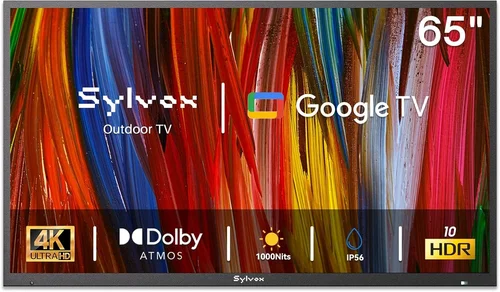
When it comes to transforming your outdoor living space into a true backyard oasis, few upgrades deliver as much entertainment value as a reliable poolside TV. Whether you’re hosting summer barbecues, lounging with a book, or watching the big game while floating in the pool, having a large-screen display within view elevates the entire experience. But finding the right TV for your patio isn’t as simple as grabbing any old model from the electronics store. Outdoor environments present unique challenges—direct sunlight, humidity, temperature swings, and potential exposure to water—that can quickly degrade or even destroy an indoor television.
This comprehensive buying guide is designed to help you navigate the often-confusing world of outdoor and poolside TVs, especially if you’re working within a budget. We’ll walk you through every critical factor, from weather resistance and screen visibility to smart features and long-term durability. By the end of this article, you’ll know exactly what to look for, how to avoid common pitfalls, and which models offer the best value for your specific setup. Whether you’re outfitting a sprawling backyard patio or a compact deck adjacent to your pool, this guide will empower you to make a smart, informed decision that balances performance, protection, and price.
The market for outdoor TVs has evolved significantly in recent years. Once dominated by bulky, expensive specialized units, it now includes a growing number of affordable, high-performing options—including weatherized versions of popular indoor models and purpose-built outdoor displays. Brands like Samsung, LG, Sony, and TCL now offer models with enhanced brightness, anti-glare coatings, and robust enclosures designed to withstand the elements. At the same time, third-party outdoor enclosures and mounting solutions have made it possible to safely use many standard TVs poolside. This shift has opened up exciting possibilities for budget-conscious buyers who want premium viewing experiences without breaking the bank. In this guide, we’ll help you understand how to leverage these advancements to get the most bang for your buck.

What to Look for When Buying Buying Guide
1. Budget & Price Range
Setting a realistic budget is the first and most important step in your poolside TV purchase. Prices for outdoor-ready TVs can vary dramatically—from under $500 for basic weather-protected models to over $3,000 for fully sealed, commercial-grade units. Your budget will influence not only the size and brand but also the level of protection and features you can expect.
For most homeowners, the sweet spot lies between $800 and $1,500. In this range, you’ll find large-screen TVs (55″ to 65″) with high brightness, decent weather resistance, and smart functionality. Entry-level options may require additional protective enclosures, while mid-tier models often come with built-in weatherproofing. It’s important to factor in not just the TV itself but also mounting hardware, cables, and possibly a weatherproof enclosure or cover. A common mistake is underestimating these ancillary costs, which can add $100–$300 to your total investment.
To maximize value, consider whether you need a fully outdoor-rated TV or if a high-brightness indoor model in a protective case will suffice. The latter approach can save you hundreds while still delivering excellent performance, especially if your patio is partially covered or shaded. Always compare total cost of ownership—including potential repairs or replacements due to weather damage—when evaluating price.
2. Performance Specifications
Not all TVs are created equal, especially when it comes to outdoor visibility. The key performance specs to focus on include brightness (measured in nits), resolution, refresh rate, and panel type. For poolside use, brightness is arguably the most critical factor. Indoor TVs typically range from 300 to 500 nits, which is fine for dim rooms but nearly invisible in direct sunlight. Outdoor TVs should deliver at least 700 nits, with 1,000+ nits being ideal for bright patios.
Look for models with high peak brightness and anti-reflective or anti-glare coatings. OLED panels, while stunning indoors, often struggle in bright conditions due to lower peak brightness compared to QLED or high-end LED/LCD models. QLED TVs, particularly from Samsung, are excellent choices for outdoor use because they combine vibrant colors with high brightness. Resolution should be at least 4K UHD (3840 x 2160) for a 55″ or larger screen—this ensures sharp, detailed images even when viewed from a distance.
Refresh rate matters too, especially if you plan to watch sports or action movies. A 60Hz panel is acceptable for casual viewing, but 120Hz or higher provides smoother motion and better performance for fast-paced content. Additionally, check the viewing angle—wide-angle panels (like IPS) maintain color accuracy even when viewed from the side, which is helpful for group viewing around a pool.
3. Build Quality & Durability
Your poolside TV will face constant exposure to heat, humidity, dust, and occasional splashes. That’s why build quality and durability are non-negotiable. Start by checking the TV’s IP (Ingress Protection) rating, which indicates resistance to dust and water. While most consumer TVs aren’t fully waterproof, outdoor models often have ratings like IP55 or IP65, meaning they’re protected against dust and low-pressure water jets.
Even if a TV isn’t fully outdoor-rated, it may come with a weather-resistant chassis, sealed ports, and corrosion-resistant components. Look for metal casings instead of plastic, as they dissipate heat better and are more resistant to warping. Internal components should be designed to handle temperature extremes—typically from -22°F to 122°F (-30°C to 50°C)—to avoid shutdowns or damage during summer heatwaves or winter cold snaps.
If you’re using an indoor TV in a protective enclosure, ensure the case is made of durable, UV-resistant materials like polycarbonate or powder-coated aluminum. It should also include ventilation to prevent overheating and a secure locking mechanism to deter theft. Remember: a poorly built enclosure can trap heat and moisture, leading to premature failure. Always verify that the enclosure is rated for outdoor use and compatible with your TV’s size and ventilation needs.
4. Features & Functionality
Modern poolside TVs offer a range of smart features that enhance convenience and entertainment. Most importantly, look for built-in Wi-Fi and support for popular streaming platforms like Netflix, YouTube, Disney+, and Amazon Prime Video. Smart TVs with voice control (via Alexa, Google Assistant, or built-in mics) allow you to change channels or adjust volume without leaving your lounge chair.
Consider connectivity options: HDMI ports (at least two), USB inputs, and Bluetooth are essential for connecting streaming devices, gaming consoles, or soundbars. Some outdoor TVs include built-in speakers, but they’re often underpowered. For better audio, plan to connect a weatherproof soundbar or outdoor speakers via Bluetooth or optical audio output.
Other useful features include screen mirroring (Miracast or AirPlay), scheduled on/off timers, and ambient light sensors that adjust brightness based on sunlight. Some premium models even offer app-based remote control, so you can operate the TV from your phone. While these extras aren’t strictly necessary, they significantly improve the user experience, especially in an outdoor setting where traditional remotes can get lost or damaged.
5. Brand Reputation
Not all TV brands are equally reliable when it comes to outdoor performance. Stick with reputable manufacturers known for quality, customer support, and innovation. Samsung, LG, and Sony consistently rank high in reliability and feature sets, with Samsung leading in bright, outdoor-friendly QLED technology. TCL and Hisense offer excellent value, often delivering high brightness and smart features at lower price points.
Avoid lesser-known or generic brands, especially those sold exclusively through online marketplaces with limited customer reviews. These may cut corners on materials, brightness, or software updates, leading to shorter lifespans. Research brand-specific outdoor models—for example, Samsung’s “The Terrace” line is designed specifically for outdoor use, while LG’s “UltraBright” series offers high-nit performance suitable for patios.
Also consider the brand’s ecosystem. If you already own smart home devices from a particular company (like Google Nest or Amazon Echo), choosing a compatible TV can streamline control and integration. Brand reputation also affects long-term support—firmware updates, app availability, and customer service responsiveness are all important for a device that may be used for 5–10 years.
6. Warranty & Support
A good warranty can be a lifesaver, especially for electronics exposed to harsh conditions. Most indoor TVs come with a 1-year limited warranty, but outdoor models may offer extended coverage—sometimes up to 2 or 3 years—due to their specialized design. Check what the warranty covers: does it include damage from moisture, overheating, or power surges? Some manufacturers offer separate outdoor protection plans for an additional fee.
Support is equally important. Look for brands with responsive customer service, accessible repair centers, and clear documentation. Online forums and user communities can also be valuable resources for troubleshooting. If you’re buying through a third-party retailer, ensure they honor the manufacturer’s warranty and offer return or exchange options.
Be cautious of warranties that exclude “outdoor use”—some indoor TVs void coverage if installed outside, even in enclosures. Always read the fine print. If possible, choose a model explicitly rated for outdoor or semi-outdoor use to avoid warranty disputes.
7. Size & Portability
Screen size should match your viewing distance and patio layout. For a large patio, a 55″ to 75″ TV is ideal. Use this rule of thumb: your viewing distance (in inches) should be about 1.5 to 2.5 times the screen size. So, for a 65″ TV, sit 8 to 14 feet away. Larger screens provide a more immersive experience, especially for group viewing.
Portability matters if you plan to move the TV between indoor and outdoor spaces seasonally. Some outdoor TVs are heavy and permanently mounted, while others come with wheeled stands or lightweight designs. If you want flexibility, consider a TV with a detachable outdoor enclosure or a portable outdoor TV cart. These allow you to bring the TV inside during winter or storms, extending its lifespan.
Mounting options also affect size considerations. Wall mounts save space and provide a clean look, while ceiling or post mounts offer better viewing angles over pools. Ensure your mounting solution is rated for outdoor use and can support the TV’s weight and size. Always anchor mounts securely to prevent tipping in windy conditions.
8. User Reviews & Ratings
Before making a final decision, spend time reading user reviews from verified buyers. Look for feedback on real-world performance—especially brightness in sunlight, durability after months of outdoor use, and ease of setup. Pay attention to recurring issues: if multiple users report overheating, poor Wi-Fi range, or cracked screens, it’s a red flag.
Check multiple sources: manufacturer websites, Amazon, Best Buy, and specialty outdoor electronics retailers. Video reviews on YouTube can be particularly helpful, as they show the TV in action under bright conditions. Look for long-term reviews (6+ months) to assess reliability over time.
Also consider professional reviews from trusted tech sites like CNET, RTINGS.com, or Wirecutter. These often include detailed testing of brightness, color accuracy, and durability. While expert opinions are valuable, balance them with user experiences—what works in a lab may not hold up on a humid summer patio.
Different Types of Buying Guide

Common Buying Mistakes to Avoid
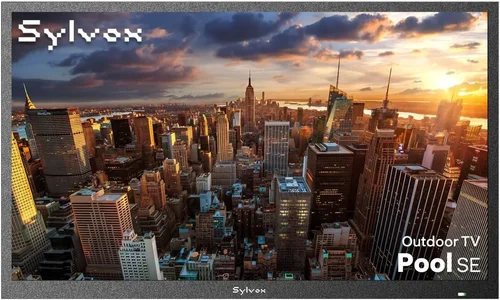
❌ Mistake: Buying a Standard Indoor TV Without Protection
Why it’s bad: Indoor TVs are not designed to handle moisture, dust, or temperature extremes. Even a small amount of humidity can corrode internal components, and direct sunlight can cause overheating and screen damage. Most warranties void coverage if used outdoors.
What to do instead: Either invest in a TV rated for outdoor use or pair a high-brightness indoor model with a certified weatherproof enclosure. Ensure the enclosure has proper ventilation and is rated for your climate.
❌ Mistake: Ignoring Brightness Requirements
Why it’s bad: A dim screen will be washed out and nearly invisible in daylight, ruining the viewing experience. Many buyers assume all 4K TVs are bright enough, but most indoor models fall short outdoors.
What to do instead: Choose a TV with at least 700 nits of brightness, ideally 1,000+ nits. Look for anti-glare coatings and high dynamic range (HDR) support to improve contrast in bright conditions.
❌ Mistake: Overlooking Mounting and Installation
Why it’s bad: Improper mounting can lead to instability, poor viewing angles, or even accidents in windy weather. Using indoor mounts outdoors can rust or fail under stress.
What to do instead: Use outdoor-rated mounts made of stainless steel or powder-coated aluminum. Ensure the mounting surface is secure and can support the TV’s weight. Consider professional installation for large or complex setups.
❌ Mistake: Skimping on Audio
Why it’s bad: Built-in TV speakers are often quiet and muffled, especially outdoors where sound dissipates quickly. Poor audio ruins the immersion, even with a great picture.
What to do instead: Pair your TV with weatherproof outdoor speakers or a Bluetooth soundbar. Look for models with optical or HDMI ARC outputs for easy connection.
❌ Mistake: Not Planning for Power and Cables
Why it’s bad: Running extension cords across a patio creates tripping hazards and exposes cables to weather damage. Power surges from storms can fry electronics.
What to do instead: Hire an electrician to install a dedicated outdoor outlet near the TV. Use in-wall rated cables and surge protectors. Consider wireless streaming to minimize cable clutter.
❌ Mistake: Forgetting About Theft and Vandalism
Why it’s bad: Outdoor TVs are tempting targets for theft, especially in visible or accessible areas. A stolen TV means losing your investment and disrupting your setup.
What to do instead: Use locking mounts and enclosures. Install the TV in a well-lit, secure area. Consider security cameras or smart locks for added protection.
❌ Mistake: Not Testing Before Committing
Why it’s bad: Buying online without seeing the TV in person can lead to surprises—poor brightness, awkward size, or software issues.
What to do instead: If possible, view the TV in a bright showroom or borrow a similar model to test outdoors. Check return policies and buy from retailers with generous trial periods.
Budget Guidelines: How Much Should You Spend?
- Entry-Level ($500 – $800): This range includes basic high-brightness indoor TVs (50″–55″) paired with affordable outdoor enclosures. Expect 700–900 nits brightness, 4K resolution, and basic smart features. Ideal for covered patios or shaded areas. Brands like TCL and Hisense offer good value here.
- Mid-Range ($800 – $1,500): The sweet spot for most buyers. You’ll find 55″–65″ TVs with 1,000+ nits brightness, QLED or high-end LED panels, and robust smart platforms. Some models come with partial weatherproofing. This tier offers the best balance of performance, durability, and price.
- Premium ($1,500 – $2,500): For enthusiasts who want top-tier performance and full outdoor protection. These include fully sealed outdoor TVs from Samsung, LG, or SunBrite. Expect 1,500+ nits brightness, wide viewing angles, and advanced features like ambient light sensors and app control.
- Luxury ($2,500+): Commercial-grade displays designed for 24/7 operation in extreme conditions. Used in resorts, hotels, or high-end homes. These offer unparalleled brightness, durability, and support, but are overkill for most residential patios.
Expert Tips for Getting the Best Deal
- Buy During Off-Season: The best time to purchase an outdoor TV is in late fall or winter (October–February). Retailers discount summer inventory, and you’ll have the TV ready for spring. Look for Black Friday, Cyber Monday, and post-holiday sales.
- Shop at Specialty Retailers: Stores like Best Buy, Costco, and Crutchfield often carry outdoor TVs with expert support. Online, check Amazon, B&H Photo, and specialty sites like Outdoor TVs or Seura. Compare prices and return policies.
- Bundle for Savings: Some retailers offer discounts when you buy a TV with a mount, enclosure, or sound system. Bundles can save $100–$300 compared to buying separately.
- Check for Open-Box or Refurbished Models: Certified refurbished TVs from manufacturers often come with full warranties and can cost 20–40% less. Open-box items from big-box stores are another way to save.
- Negotiate or Price Match: Don’t hesitate to ask for a discount, especially at local electronics stores. Many retailers will match online prices or throw in free installation.
- Read the Return Policy: Ensure you can return or exchange the TV if it doesn’t perform well outdoors. Some retailers offer 30–60 day trial periods—use them to test brightness and durability.
- Consider Financing: If your budget is tight, look for 0% APR financing options. Just be sure to pay it off before interest kicks in.
- Join Loyalty Programs: Sign up for rewards programs at retailers like Best Buy or Costco. You’ll get early access to sales, exclusive discounts, and points toward future purchases.

Frequently Asked Questions
Q: Can I use a regular TV by the pool?
A: Technically yes, but it’s not recommended unless it’s protected by a certified outdoor enclosure. Even then, the TV must have high brightness (700+ nits) and be kept dry. Most indoor TVs will fail prematurely due to humidity, heat, or dust.
Q: Do outdoor TVs need to be plugged in all the time?
A: Yes, like any TV, they require constant power. However, many models have low standby power consumption. Use a smart plug to turn it off remotely when not in use.
Q: How do I protect my TV from rain?
A: Use a fully sealed outdoor TV or a weatherproof enclosure with an IP55 or higher rating. Ensure the cover is secure and the TV is mounted under an overhang or pergola for added protection.
Q: Will my TV overheat in the sun?
A: High-quality outdoor TVs are designed with heat dissipation in mind. Look for models with passive cooling, metal chassis, and wide operating temperature ranges. Avoid enclosing the TV in a sealed box without ventilation.
Q: Can I mount my TV on a post or pole?
A: Yes, but use a heavy-duty, outdoor-rated post mount. Ensure the pole is anchored securely into concrete and can withstand wind loads. Consider a tilt feature for better viewing angles.
Q: Do outdoor TVs come with remotes?
A: Most do, but they’re often basic. For convenience, use a universal remote or control the TV via a smartphone app. Some models support voice control through Alexa or Google Assistant.
Q: How long do outdoor TVs last?
A: With proper care, a quality outdoor TV can last 7–10 years. Fully sealed models tend to outlast indoor TVs in enclosures due to better moisture protection.
Q: Can I use a projector instead of a TV?
A: Yes, outdoor projectors are a great alternative for open yards. They offer huge screen sizes at lower costs but require darkness for best results. Not ideal for daytime viewing.
Q: Do I need a special internet connection?
A: No, standard Wi-Fi works fine. For better performance, use a mesh Wi-Fi system or outdoor extender to ensure strong signal coverage on your patio.
Q: Are outdoor TVs worth the extra cost?
A: If you use your patio frequently and value entertainment, absolutely. The enhanced durability, brightness, and reliability make them a worthwhile investment for long-term enjoyment.
Our Final Recommendations
- Best for Budget-Conscious Buyers: TCL 6-Series 55″ Q651G – At around $600, this QLED TV delivers 1,000+ nits brightness, 4K HDR, and Roku TV smarts. Pair it with a $150 outdoor enclosure for a complete, affordable setup.
- Best Overall Value: Samsung QN65Q80AA 65″ QLED – Priced around $1,200, this model offers exceptional brightness (1,500 nits), anti-reflective coating, and robust smart features. Great for semi-covered patios.
- Best Premium Option: Samsung The Terrace 65″ Full Sun Outdoor TV – At $2,500, this is a top-tier choice for fully exposed areas. Fully sealed, 2,000 nits brightness, and built-in weather resistance.
- Best for Beginners: Hisense 55U6HF 55″ ULED – Easy to set up, affordable ($700), and bright enough for shaded patios. Includes Google TV and Dolby Vision.
- Best for Advanced Users: LG 65QNED85URA 65″ QNED – Combines QLED brightness with NanoCell color accuracy. Ideal for tech-savvy users who want top performance and smart home integration.
Conclusion: Making the Right Choice
Choosing the right poolside TV for your large patio doesn’t have to be overwhelming—or expensive. By focusing on key factors like brightness, weather resistance, and smart features, you can find a model that delivers stunning visuals and reliable performance, even in challenging outdoor conditions. Remember, the goal isn’t to buy the most expensive TV, but the one that best fits your space, usage, and budget.
Start by assessing your patio’s exposure: is it fully open to the elements, or partially covered? This will determine whether you need a fully outdoor-rated model or can get away with a high-brightness indoor TV in a protective case. Then, prioritize brightness (aim for 1,000+ nits), smart functionality, and durable construction. Don’t forget to factor in mounting, audio, and long-term maintenance.
Avoid common pitfalls like underestimating brightness needs or skipping proper enclosures. Read reviews, compare total costs, and take advantage of seasonal sales to stretch your budget further. And if you’re unsure, start with a mid-range model—it offers the best balance of performance and value for most homeowners.
Ultimately, a great poolside TV transforms your backyard into a true entertainment destination. Whether you’re watching a sunset movie, cheering on your favorite team, or simply enjoying the ambiance, the right TV enhances every moment. So take your time, do your research, and invest wisely. Your future self—and your guests—will thank you.

