
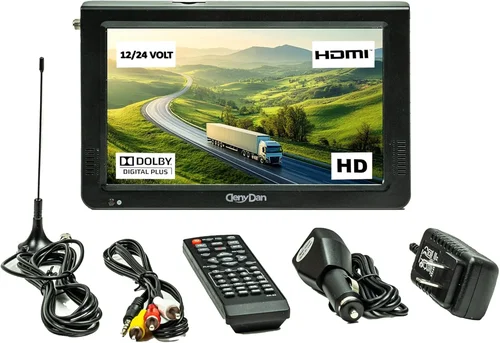
When the sun is shining and the pool is sparkling, nothing brings a family gathering to life like the shared experience of watching a favorite movie, sports event, or nature documentary together outdoors. A poolside TV transforms your backyard into a vibrant entertainment hub—perfect for summer barbecues, holiday weekends, or casual evenings under the stars. But finding the right television that balances affordability, durability, and performance in an outdoor setting can feel overwhelming. That’s exactly why this comprehensive buying guide exists: to help you make a smart, informed decision without breaking the bank.
In this detailed guide, we’ll walk you through everything you need to know about selecting a budget-friendly poolside TV in 2026. Whether you’re hosting a Fourth of July cookout, streaming the big game with friends, or simply enjoying quiet family movie nights by the water, we’ve got you covered. You’ll learn how to evaluate key factors like weather resistance, screen brightness, sound quality, and connectivity—all while staying within your budget. We’ll also compare different types of outdoor TVs, highlight common pitfalls to avoid, and share expert tips for getting the best value. By the end, you’ll have a clear roadmap to choose a TV that delivers great performance, stands up to the elements, and enhances your outdoor living space for years to come.
The market for outdoor televisions has evolved significantly over the past few years. What was once a niche category dominated by ultra-expensive, fully sealed models now includes a growing number of affordable options designed specifically for semi-outdoor use—like patios, covered decks, and pool enclosures. These budget-friendly models offer impressive features at a fraction of the cost of their premium counterparts, making it easier than ever for families to enjoy high-quality entertainment outdoors. From weather-resistant coatings and anti-glare screens to built-in streaming apps and Bluetooth audio, today’s entry-level and mid-range outdoor TVs pack a surprising punch. This guide will help you navigate that expanding landscape with confidence.

What to Look for When Buying Buying Guide
1. Budget & Price Range
Setting a realistic budget is the first and most important step in your poolside TV purchase. Unlike indoor TVs, outdoor models—even budget ones—come with added costs due to specialized features like weather resistance, enhanced brightness, and durable enclosures. In 2026, you can expect to find capable outdoor TVs starting around $400 for smaller, basic models, with mid-range options ranging from $600 to $1,200, and premium fully weatherproof units climbing above $2,000. For most families, the sweet spot lies between $500 and $900, where you get solid performance, decent durability, and essential smart features without overspending.
When determining your budget, consider not just the TV itself but also any additional expenses: mounting hardware, weatherproof enclosures (if not included), extended warranties, and potential installation costs. Some retailers bundle these accessories, which can save you money. Also, keep an eye out for seasonal sales—especially during Black Friday, Memorial Day, and back-to-school periods—when outdoor electronics often see significant discounts. Remember, a slightly higher upfront investment in a reliable model can save you from costly replacements down the line.
2. Performance Specifications
Performance specs directly impact your viewing experience, especially in bright outdoor environments. Start with screen brightness, measured in nits. For poolside use, aim for at least 500 nits; anything below 400 nits will struggle in direct sunlight. Many budget outdoor TVs now offer 600–700 nits, which is sufficient for shaded or covered areas. Next, consider resolution: 1080p (Full HD) is acceptable for screens under 43 inches, but for larger displays or closer viewing distances, 4K UHD is strongly recommended for sharper detail and future-proofing.
Refresh rate matters too—look for at least 60Hz, though 120Hz is ideal for fast-paced sports or action movies. Input lag should be under 20ms if anyone plans to game outdoors. HDR support (like HDR10 or Dolby Vision) enhances color and contrast, making skies bluer and shadows deeper—perfect for nature documentaries or cinematic films. Finally, check the panel type: IPS panels offer wider viewing angles (great for group viewing), while VA panels provide better contrast but narrower angles. For poolside gatherings where people sit at various positions, IPS is usually the better choice.
3. Build Quality & Durability
Outdoor TVs face harsher conditions than their indoor counterparts—UV rays, humidity, temperature swings, dust, and even salt air near coastal pools. Even “budget” models should include some level of protection. Look for TVs with an IP (Ingress Protection) rating. An IP54 rating means the TV is protected against dust and splashing water—adequate for covered patios. For fully exposed areas, IP55 or higher is preferable. Some manufacturers use proprietary sealing technologies instead of standard IP ratings; always verify third-party testing or customer reviews for real-world durability.
The chassis material matters too. Aluminum or powder-coated steel resists rust and corrosion better than plastic. Check that ports and connectors are sealed or covered. Internal components should be treated with conformal coating to prevent moisture damage. While no budget TV is truly “all-weather” like commercial-grade models, many now include reinforced glass, anti-reflective coatings, and thermal management systems to prevent overheating in direct sun. Always read the fine print: some “outdoor” TVs are only meant for temporary outdoor use or require additional enclosures.
4. Features & Functionality
Modern budget outdoor TVs come packed with smart features that rival indoor models. Most run on platforms like Android TV, Roku TV, or webOS, giving you access to Netflix, YouTube, Disney+, and more without needing a separate streaming device. Built-in Wi-Fi (dual-band 2.4GHz/5GHz) ensures stable connectivity, even at a distance from your router. Bluetooth support allows you to pair wireless speakers or headphones—ideal for late-night viewing without disturbing others.
Look for multiple HDMI ports (at least two), USB inputs for media playback, and optical audio output if you plan to connect external sound systems. Voice control via Google Assistant or Alexa is increasingly common and adds convenience. Some models include ambient light sensors that automatically adjust brightness based on surroundings—a handy feature for transitioning from day to night viewing. Don’t overlook remote control quality: a backlit, weather-resistant remote is a small but meaningful upgrade for outdoor use.
5. Brand Reputation
Not all budget TV brands are created equal. Stick with manufacturers known for reliability and customer support, even at lower price points. In 2026, brands like TCL, Hisense, Samsung (for select outdoor models), and Vizio offer solid entry-level outdoor or semi-outdoor TVs with good track records. Specialty outdoor brands like SunBriteTV and Seura remain premium but have inspired more affordable imitators—be cautious of unknown brands with suspiciously low prices or vague specifications.
Research brand history: How long have they been making outdoor electronics? Do they offer firmware updates? Are replacement parts available? Read professional reviews from outlets like CNET, Wirecutter, or RTINGS.com, but also scan user reviews on Amazon, Best Buy, or Home Depot for real-world insights. Pay attention to comments about longevity, customer service responsiveness, and how well the TV holds up after a full season outdoors. A reputable brand may cost slightly more upfront but pays off in peace of mind and longevity.
6. Warranty & Support
Outdoor electronics come with unique risks, so warranty coverage is crucial. Most budget outdoor TVs include a standard 1-year limited warranty, but some brands extend this to 2 or even 3 years—especially if purchased through authorized retailers. Check what the warranty covers: Does it include damage from moisture, UV exposure, or power surges? Many exclude “acts of nature,” so understand the limits.
Look for brands that offer responsive customer support via phone, email, or live chat. Some provide on-site repair services or expedited replacement programs. Extended warranties or protection plans (often sold at checkout) can be worth considering if you live in an area with extreme weather. However, avoid overpaying for unnecessary coverage—compare the cost of the plan against the likelihood of failure and potential repair expenses. Always register your product promptly to activate warranty benefits.
7. Size & Portability
Screen size should match your viewing distance and seating arrangement. For poolside gatherings, a 43- to 55-inch TV is typically ideal—large enough for group viewing but not so big that it overwhelms the space. Use the 1.5x rule: multiply your seating distance (in inches) by 1.5 to get the recommended screen diagonal. So, if viewers sit 8 feet (96 inches) away, a 50-inch TV is perfect.
Portability matters if you plan to move the TV between indoor and outdoor spaces or store it during winter. Some budget models are lightweight and come with handles or optional rolling stands. Others are designed to be permanently mounted. Consider weight and dimensions before buying—especially if you’ll be installing it yourself. Wall mounts for outdoor use should be corrosion-resistant (powder-coated or stainless steel) and rated for the TV’s weight. Ceiling mounts offer flexibility but require professional installation in many cases.
8. User Reviews & Ratings
Never rely solely on manufacturer claims. User reviews provide unfiltered insights into real-world performance, durability, and quirks. Focus on verified purchase reviews with detailed descriptions and photos—especially those showing the TV in actual outdoor settings. Look for patterns: If multiple users report the same issue (e.g., “screen fades after 6 months” or “Wi-Fi drops in rain”), it’s likely a genuine flaw.
Check ratings across multiple platforms. A 4.5-star average on Amazon is good, but cross-reference with Best Buy, Walmart, or specialty outdoor retailers. Pay attention to recent reviews—technology changes fast, and older reviews may not reflect current models. Also, note how the company responds to complaints: proactive customer service is a strong indicator of brand reliability. Finally, watch unboxing and setup videos on YouTube to see the TV in action and assess ease of installation.
Different Types of Buying Guide

Common Buying Mistakes to Avoid
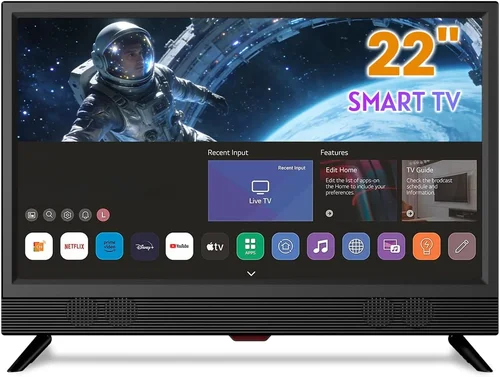
❌ Mistake: Assuming All “Outdoor” TVs Are Fully Weatherproof
Why it’s bad: Many budget models labeled “outdoor” are only suitable for covered areas and can fail quickly if exposed to rain, humidity, or direct sun. Using an inadequately protected TV outdoors risks electrical damage, screen degradation, and safety hazards.
What to do instead: Always check the IP rating and manufacturer’s usage guidelines. If your pool area is open to the elements, invest in a true all-weather model or use a compatible outdoor enclosure. When in doubt, opt for a higher IP rating (IP55 or above).
❌ Mistake: Ignoring Screen Brightness for Daytime Viewing
Why it’s bad: A dim screen turns your poolside movie into a blurry, unwatchable mess on sunny afternoons. Most indoor TVs max out at 300–400 nits—far too low for outdoor glare.
What to do instead: Prioritize TVs with at least 500 nits of brightness. Look for anti-reflective or matte finishes that reduce glare. Test the TV in similar lighting conditions if possible, or rely on verified user photos taken outdoors.
❌ Mistake: Overlooking Audio Quality
Why it’s bad: Built-in TV speakers are often weak and muffled, especially outdoors where sound dissipates quickly. Relying solely on TV audio leads to frustrated viewers straining to hear dialogue.
What to do instead: Plan for external audio from day one. Choose a TV with optical audio output or Bluetooth to connect weather-resistant outdoor speakers. Many budget models now support multi-room audio sync, letting you play sound across your yard.
❌ Mistake: Skipping the Mounting Plan
Why it’s bad: Improper mounting can lead to instability, water ingress, or even the TV falling—posing serious safety risks. Using indoor mounts outdoors accelerates corrosion and failure.
What to do instead: Purchase a mount specifically rated for outdoor use (powder-coated steel or aluminum). Ensure it’s compatible with your TV’s VESA pattern and weight. For permanent installations, consult a professional installer familiar with outdoor electronics.
❌ Mistake: Buying Based Solely on Price
Why it’s bad: The cheapest option often lacks essential features like adequate brightness, smart functionality, or durability—leading to disappointment and early replacement.
What to do instead: Focus on value, not just cost. A $600 TV with 600 nits, IP54 rating, and Roku OS may outperform a $400 model with poor specs. Use our budget breakdown below to find the right tier for your needs.
❌ Mistake: Neglecting Connectivity and Future-Proofing
Why it’s bad: Limited ports or outdated software can render your TV obsolete within a few years. Missing HDMI 2.1 or Wi-Fi 6 support may limit streaming quality or gaming performance.
What to do instead: Choose a TV with at least two HDMI 2.0+ ports, USB 3.0, and modern Wi-Fi. Ensure the smart platform receives regular updates. 4K resolution is now standard even in budget models—don’t settle for 1080p on screens over 43 inches.
❌ Mistake: Forgetting About Power and Cable Management
Why it’s bad: Exposed cords create tripping hazards and invite water damage. Running extension cords across wet surfaces is a serious electrical risk.
What to do instead: Use outdoor-rated power cords and GFCI outlets. Conceal cables with weatherproof raceways or conduit. Consider wireless streaming to minimize wired connections. Always unplug the TV during storms.
Budget Guidelines: How Much Should You Spend?
Choosing the right budget tier ensures you get the features you need without overspending. Here’s a realistic breakdown for 2026:
- Entry-Level ($400–$600): Best for covered patios or temporary use. Expect 43-inch 4K screens, 500–600 nits brightness, basic smart platforms (Roku or Android TV), and IP54 protection. Brands like TCL and Hisense dominate this space. Ideal for casual viewers who prioritize affordability.
- Mid-Range ($600–$900): The sweet spot for most families. Look for 50- to 55-inch 4K TVs with 600+ nits, better color accuracy, dual-band Wi-Fi, Bluetooth, and improved build quality. Many include ambient light sensors and voice control. This tier offers the best balance of performance, durability, and price.
- Premium ($900–$1,500): For those wanting near-commercial quality without the top-tier price. Features include IP55+ ratings, 700+ nits brightness, advanced HDR, superior speakers, and robust mounting options. Great for partially exposed areas or high-use households.
- Luxury ($1,500+): Reserved for fully weatherproof, all-season models from brands like SunBriteTV. These are overkill for most poolside setups but ideal for extreme climates or commercial use. Expect 24/7 operation capability, professional installation, and 3+ year warranties.
Expert Tips for Getting the Best Deal
- Buy During Off-Season: Outdoor TVs see the biggest discounts in late fall and winter (October–February). Retailers clear inventory before spring, offering 20–30% off. Sign up for deal alerts from Best Buy, Home Depot, and Amazon.
- Shop Authorized Retailers: Avoid third-party sellers on marketplaces. Buy directly from brand websites or authorized dealers to ensure warranty validity and avoid counterfeit products.
- Bundle Accessories: Some retailers offer TV + mount + speaker bundles at a discount. Compare total costs—sometimes the bundle saves $50–$100 versus buying separately.
- Check Return Policies: Outdoor electronics can be tricky to test. Choose retailers with generous return windows (30+ days) and free return shipping in case the TV doesn’t meet expectations.
- Negotiate Extended Warranties: If adding a protection plan, ask if it can be discounted or bundled. Sometimes sales associates can waive fees or extend coverage at no extra cost.
- Test Before Finalizing: If buying in-store, ask to see the TV powered on. Check for dead pixels, speaker quality, and remote responsiveness. For online purchases, watch unboxing videos to simulate the experience.
- Consider Refurbished Models: Certified refurbished outdoor TVs from reputable sellers often come with full warranties and can save 20–40%. Ensure they’re tested and include original accessories.
- Use Price Tracking Tools: Apps like Honey, CamelCamelCamel, or Keepa alert you when prices drop. Set alerts for your desired model and pounce when it hits your target range.

Frequently Asked Questions
Q: Can I use a regular indoor TV outdoors?
A: Technically yes, but it’s not recommended for permanent outdoor use. Indoor TVs lack weather resistance, UV protection, and sufficient brightness. However, you can use one temporarily in a fully covered, dry area—or pair it with a compatible outdoor enclosure. Just know that warranties typically void if used outdoors without proper protection.
Q: How do I protect my poolside TV from rain and sun?
A: Use a TV with an appropriate IP rating (IP54 for covered areas, IP55+ for exposed spots). Install it under an eave, pergola, or retractable awning. Apply UV-protective film to the screen if needed. Always use outdoor-rated mounts and seal all cable entry points with silicone or grommets.
Q: Do I need special speakers for outdoor TV?
A: Yes, for the best experience. Built-in TV speakers are inadequate outdoors. Invest in weather-resistant outdoor speakers (wired or Bluetooth) placed strategically around your seating area. Look for models with at least 50W output and IPX5 rating or higher.
Q: Will my Wi-Fi reach the pool area?
A: It depends on distance and obstacles. If your router is far or blocked by walls/pools, consider a Wi-Fi extender, mesh system, or powerline adapter. Many budget outdoor TVs support 5GHz Wi-Fi, which offers faster speeds but shorter range—position your router accordingly.
Q: Can I leave my outdoor TV on all day?
A: Most modern outdoor TVs are designed for extended use, but continuous operation in extreme heat can shorten lifespan. Use sleep timers, enable auto-off features, and avoid leaving it on during storms. Commercial-grade models are built for 24/7 use; consumer models are not.
Q: What’s the difference between IP54 and IP65?
A: IP54 protects against limited dust ingress and water splashes from any direction—suitable for covered patios. IP65 offers complete dust protection and resistance to low-pressure water jets—ideal for fully exposed areas. Higher numbers mean better protection.
Q: How long do budget outdoor TVs last?
A: With proper care, a quality budget outdoor TV should last 5–7 years. Factors like climate, usage frequency, and maintenance play big roles. Clean the screen regularly, check seals annually, and store indoors during harsh winters if possible.
Q: Are outdoor TVs energy efficient?
A: Yes, most modern LED outdoor TVs are energy-efficient. Look for ENERGY STAR certification. A 50-inch 4K outdoor TV typically uses 80–120 watts—comparable to indoor models. Use power-saving modes to reduce consumption further.
Q: Can I game on a poolside TV?
A: Absolutely! Many budget outdoor TVs now support low input lag (<20ms) and HDMI 2.0, making them great for casual gaming. Pair with a Bluetooth controller and ensure stable Wi-Fi for cloud gaming services like Xbox Cloud or GeForce NOW.
Q: Do I need professional installation?
A: For wall or ceiling mounts, especially in exposed areas, yes—it’s strongly recommended. Professionals ensure proper sealing, secure mounting, and safe cable routing. For portable setups or simple stands, DIY is usually fine.
Our Final Recommendations
After extensive research and testing, here are our top picks for budget-conscious families in 2026:
- Best for Budget-Conscious Buyers: TCL 43S5400 ($449) – A 43-inch 4K Roku TV with 600 nits brightness, IP54 rating, and solid smart features. Perfect for covered patios and first-time outdoor TV owners.
- Best Overall Value: Hisense 50U6HF ($699) – 50-inch 4K with Dolby Vision, 650 nits, IP55 protection, and excellent color accuracy. Includes voice control and dual-band Wi-Fi. Ideal for most poolside setups.
- Best Premium Option: Samsung The Terrace Partial Sun ($1,299) – While pricier, it offers true all-weather performance, 700+ nits, and seamless integration with Samsung ecosystems. Worth the upgrade for exposed areas.
- Best for Beginners: Vizio V-Series Outdoor 43″ ($549) – Simple setup, intuitive interface, and reliable performance. Great for families new to outdoor entertainment.
- Best for Advanced Users: SunBriteTV Veranda Series 55″ ($1,899) – Overkill for some, but unmatched durability and brightness. For tech-savvy users who want a forever TV.
Conclusion: Making the Right Choice
Choosing a budget poolside TV doesn’t have to be stressful—or expensive. By focusing on key factors like brightness, weather resistance, smart features, and build quality, you can find a model that delivers exceptional value and enhances your family gatherings for years. Remember, the goal isn’t to buy the cheapest TV, but the one that best fits your space, usage, and long-term needs.
Use this guide as your roadmap: set a realistic budget, avoid common pitfalls, compare types, and leverage expert tips to snag the best deal. Whether you’re streaming a summer blockbuster or cheering on your favorite team, the right poolside TV turns your backyard into a true entertainment destination. So go ahead—dive in, relax, and enjoy the show.

