
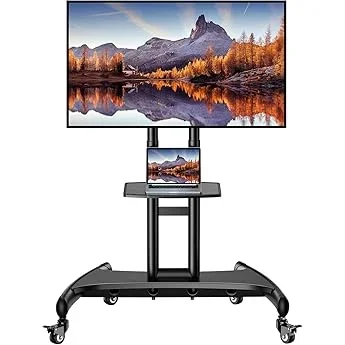
If you’re lucky enough to have a balcony or patio that doubles as a poolside oasis, you already know the joy of sipping a cold drink, soaking up the sun, and enjoying the breeze. But what if you could elevate that experience with a little entertainment? That’s where a budget poolside TV comes in. Whether you’re hosting a summer barbecue, lounging solo, or enjoying a quiet evening under the stars, having a TV outdoors transforms your space into a true extension of your living room. However, not all TVs are built for the elements—and not all outdoor TVs are kind to your wallet. That’s exactly why this guide exists.
In this comprehensive buyer’s guide, we’ll walk you through everything you need to know to choose the perfect budget-friendly TV for your balcony or patio. From understanding key performance specs to avoiding common pitfalls, we’ll help you make a smart, informed decision without overspending. You’ll learn how to balance cost with durability, picture quality, and essential features like weather resistance and brightness. We’ll also break down the different types of outdoor TVs available, compare price tiers, and share expert tips to help you get the best deal. Whether you’re a first-time buyer or upgrading from an older model, this guide is designed to save you time, money, and frustration.
The market for outdoor TVs has grown significantly in recent years, driven by rising demand for outdoor living spaces and smart home integration. While premium weatherproof TVs can cost thousands, there are now excellent budget-friendly options that deliver solid performance without breaking the bank. These aren’t just regular indoor TVs shoved into a plastic box—many are specifically engineered for outdoor use, with enhanced brightness, anti-glare screens, and protective casings. But with so many choices, it’s easy to get overwhelmed. Our goal is to cut through the noise and give you a clear, actionable roadmap to finding the right TV for your space, your lifestyle, and your budget.

What to Look for When Buying Buying Guide
1. Budget & Price Range
When shopping for a budget poolside TV, your first step should always be setting a realistic price range. While “budget” means different things to different people, for the purposes of this guide, we’re focusing on TVs priced between $300 and $800. This range offers a sweet spot where you can find models with decent picture quality, basic weather resistance, and essential smart features—without paying premium prices.
Sticking to a budget doesn’t mean you have to compromise on everything. In fact, many TVs in this range are surprisingly capable. The key is knowing where to allocate your funds. For example, you might prioritize brightness and screen durability over ultra-thin bezels or advanced voice assistants. It’s also worth noting that prices can fluctuate significantly based on sales, seasonality, and retailer promotions. A TV that’s $600 in spring might drop to $450 during a summer clearance event.
To make the most of your budget, consider the total cost of ownership. This includes not just the TV itself, but also mounting hardware, weatherproof enclosures (if needed), and potential installation fees. Some budget models come with basic wall mounts, while others require separate purchases. Always check the included accessories before buying.
2. Performance Specifications
Performance specs are the backbone of any TV purchase, and outdoor use adds an extra layer of complexity. The most critical specs for a poolside TV include brightness (measured in nits), resolution, refresh rate, and contrast ratio.
Brightness is arguably the most important factor for outdoor viewing. Indoor TVs typically range from 200 to 400 nits, which is fine for a dim living room but nearly invisible in direct sunlight. For balconies and patios, you’ll want a minimum of 500 nits, with 700+ nits being ideal. Some budget outdoor TVs now offer “sunlight-readable” modes that boost brightness temporarily, which can be a game-changer on bright afternoons.
Resolution should be at least Full HD (1920×1080), but 4K UHD is becoming more common even in budget models. While 4K offers sharper detail, it’s less critical outdoors where viewing distances are often greater. That said, if you plan to sit close—say, within 6 feet—4K can enhance the experience, especially for streaming high-quality content.
Refresh rate matters for motion clarity, particularly if you watch sports or action movies. A 60Hz panel is standard and sufficient for most casual viewing, but 120Hz models offer smoother motion and are better for fast-paced content. However, higher refresh rates often come at a higher price, so weigh the benefit against your budget.
Contrast ratio affects how deep blacks appear and how vibrant colors look. While OLED TVs offer the best contrast, they’re rarely found in budget outdoor models due to cost and burn-in risks. Instead, look for LED-LCD TVs with good local dimming or high dynamic range (HDR) support. HDR10 or HLG compatibility can significantly improve picture quality, especially in mixed lighting conditions.
3. Build Quality & Durability
Outdoor environments are harsh. Your TV will be exposed to sun, rain, humidity, dust, and temperature swings—all of which can shorten its lifespan if it’s not built to handle them. That’s why build quality and durability are non-negotiable, even on a budget.
Start by checking the TV’s IP (Ingress Protection) rating. This two-digit code indicates resistance to solids (like dust) and liquids (like rain). For outdoor use, look for at least IP54 (protected against dust and water splashes) or higher. IP65 is ideal, offering full dust protection and resistance to low-pressure water jets. Some budget models don’t have an official IP rating but come with weatherproof enclosures that provide similar protection.
The materials used in the TV’s construction also matter. Look for reinforced plastic or metal casings that resist UV degradation and corrosion. Avoid models with thin, flimsy backs or poorly sealed ports. The screen should be made of tempered glass or a durable anti-reflective coating to prevent scratches and glare.
Temperature tolerance is another key factor. Most consumer electronics are rated for indoor use between 32°F and 95°F (0°C to 35°C). Outdoor TVs should be able to operate in a wider range—ideally from 14°F to 122°F (-10°C to 50°C). Check the manufacturer’s specifications to ensure the model can handle your local climate.
Finally, consider the mounting system. A sturdy, corrosion-resistant wall mount is essential. Some budget TVs include basic mounts, but for long-term durability, you may want to invest in a marine-grade or powder-coated aluminum mount designed for outdoor use.
4. Features & Functionality
Even on a budget, you don’t have to sacrifice smart features. In fact, many affordable outdoor TVs now come with built-in streaming platforms, voice control, and app support. These features can greatly enhance usability, especially when you’re relaxing outdoors and don’t want to fumble with remotes or cables.
Smart TV platforms like Roku TV, Android TV, or webOS are common in budget models and offer access to Netflix, YouTube, Disney+, and more. Look for models with regular software updates and a user-friendly interface. Some platforms are faster and more intuitive than others, so read reviews to see how responsive the system feels in real-world use.
Voice control via Google Assistant or Amazon Alexa is increasingly available, even in lower-priced models. This allows you to change channels, adjust volume, or search for content without touching the remote—perfect for when your hands are full with a drink or towel.
Connectivity is another important feature. Ensure the TV has enough HDMI ports (at least two) for devices like streaming sticks, gaming consoles, or soundbars. USB ports are useful for playing media files or updating firmware. Some models also include Bluetooth for wireless audio, which is great for pairing with outdoor speakers.
One feature often overlooked is the remote control. Outdoor remotes should be backlit or have large, tactile buttons for easy use in low light. Some budget models include weather-resistant remotes, which are a nice bonus.
5. Brand Reputation
Brand reputation matters—especially when you’re buying a product that will be exposed to the elements. Established brands like Samsung, LG, TCL, and Hisense have proven track records in both indoor and outdoor electronics. They invest in R&D, offer better customer support, and are more likely to honor warranties.
That said, lesser-known brands can offer great value. Companies like SunBriteTV (now part of Sylvane) specialize in outdoor displays and often have budget-friendly lines. Similarly, brands like Vizio and Philips have entered the outdoor market with competitive pricing and solid performance.
When evaluating a brand, look beyond the name. Check customer reviews on trusted sites like Amazon, Best Buy, or Consumer Reports. Pay attention to comments about long-term reliability, customer service responsiveness, and how well the TV holds up in real outdoor conditions.
Also consider the brand’s history with outdoor products. A company that’s been making weatherproof TVs for years is more likely to understand the unique challenges of outdoor use than one that’s just repackaging indoor models.
6. Warranty & Support
A good warranty can be the difference between a smart purchase and a costly mistake. Most budget TVs come with a standard 1-year limited warranty, but outdoor models should ideally offer longer coverage—especially for environmental damage.
Look for warranties that specifically cover outdoor use. Some manufacturers void warranties if the TV is used outside, so read the fine print carefully. Brands like SunBrite and Seura often offer 2- to 3-year warranties with outdoor protection, even on budget lines.
Customer support is equally important. If your TV develops a fault or you need help with installation, you want a company that responds quickly and helpfully. Check if the brand offers phone, email, or live chat support, and whether they have a reputation for resolving issues promptly.
Extended warranty options are also worth considering, especially if you live in an area with extreme weather. For a small additional fee, you can often add 1-2 years of coverage that includes accidental damage or power surge protection.
7. Size & Portability
Size is a balancing act. Too small, and you won’t enjoy the immersive experience. Too large, and it may overwhelm your balcony or be difficult to mount securely.
For most patios and balconies, a 43-inch to 55-inch screen is ideal. This size provides a cinematic feel without dominating the space. If your seating area is close—within 5-7 feet—a 43-inch model is sufficient. For larger decks or poolside lounging, go up to 55 inches.
Portability is another consideration. Some budget outdoor TVs are designed to be lightweight and easy to move, which is great if you want to shift the TV between your patio and garage or storage during winter. Look for models with built-in handles or compact designs.
However, portability often comes at the cost of durability. Heavier, more robust models may be harder to move but offer better protection against wind and weather. If you plan to leave the TV mounted year-round, prioritize stability over portability.
8. User Reviews & Ratings
Never buy a TV without checking user reviews. While manufacturer specs and marketing materials highlight the positives, real-world feedback reveals the truth about performance, reliability, and usability.
Focus on reviews from buyers who use the TV outdoors. They’ll mention issues like glare, overheating, or poor Wi-Fi connectivity that aren’t always obvious from specs. Look for patterns—if multiple users report the same problem, it’s likely a genuine flaw.
Pay attention to the overall star rating, but also read the detailed comments. A 4.2-star average with hundreds of reviews is more trustworthy than a 5-star rating from just a few users. Sites like Amazon, Best Buy, and Wirecutter are reliable sources for honest feedback.
Also check for updates from long-term users. Some TVs perform well initially but develop issues after a few months of outdoor exposure. Reviews that mention “after 6 months of use” or “survived a rainy season” are especially valuable.
Different Types of Buying Guide
Common Buying Mistakes to Avoid
❌ Mistake: Buying a Regular Indoor TV for Outdoor Use
Why it’s bad: Indoor TVs are not designed to handle moisture, UV rays, or temperature extremes. Even under a covered patio, humidity and condensation can damage internal components, leading to early failure. Additionally, indoor screens are too dim for daylight viewing, making the picture washed out and hard to see.
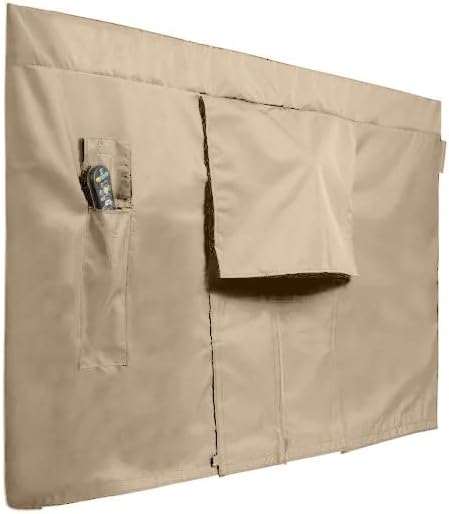
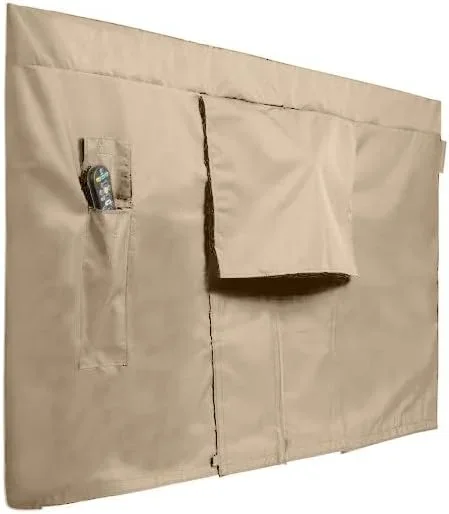
What to do instead: Invest in a TV specifically rated for outdoor use or use a weatherproof enclosure. These solutions are engineered to protect against the elements and often include features like anti-glare screens and enhanced cooling.
❌ Mistake: Ignoring Brightness (Nits) Ratings
Why it’s bad: A TV with low brightness will be nearly invisible in direct sunlight, no matter how good the resolution or smart features are. You’ll end up squinting or watching only at night, which defeats the purpose of having an outdoor TV.
What to do instead: Aim for at least 500 nits, with 700+ nits being ideal. Look for models labeled “sunlight-readable” or “high-brightness outdoor display.” Check reviews to see how well the TV performs in real daylight conditions.
❌ Mistake: Overlooking Mounting and Installation
Why it’s bad: A poorly mounted TV can be dangerous, especially in windy areas. It can also lead to water ingress if the mount isn’t sealed properly. DIY installations without proper tools or knowledge often result in unstable setups.
What to do instead: Use a corrosion-resistant, outdoor-rated wall mount. If you’re not confident in your installation skills, hire a professional. Many retailers offer installation services, and it’s worth the cost for safety and peace of mind.
❌ Mistake: Skipping the Warranty Check
Why it’s bad: If your TV fails due to weather damage and the warranty doesn’t cover outdoor use, you’re out of luck. Many standard warranties explicitly exclude environmental damage, leaving you with a costly repair or replacement.
What to do instead: Read the warranty terms carefully. Choose a model with outdoor-specific coverage or consider an extended warranty that includes weather protection.
❌ Mistake: Choosing Size Over Viewing Distance
Why it’s bad: A 65-inch TV might look impressive, but if you’re sitting too close, the picture can appear pixelated and overwhelming. Conversely, a 32-inch screen may be too small to enjoy from a distance.
What to do instead: Use a viewing distance calculator. As a rule of thumb, multiply the screen size (in inches) by 1.5 to get the minimum recommended viewing distance. For example, a 50-inch TV should be viewed from at least 7.5 feet away.
❌ Mistake: Neglecting Audio Quality
Why it’s bad: Outdoor environments are noisy—wind, water, traffic, and chatter can drown out TV audio. Built-in speakers on budget TVs are often weak and lack bass, leading to a poor listening experience.
What to do instead: Pair your TV with outdoor speakers or a soundbar. Look for models with Bluetooth or audio output ports. Even a simple wireless speaker can dramatically improve sound quality.
❌ Mistake: Buying During Peak Season
Why it’s bad: Prices for outdoor electronics tend to rise in spring and summer when demand is highest. You could end up paying 20-30% more than necessary.
What to do instead: Shop during off-peak times like late fall or winter. Many retailers offer clearance sales to make room for new inventory. You can also sign up for price alerts to catch discounts.
Budget Guidelines: How Much Should You Spend?
When it comes to budget poolside TVs, your spending should align with your usage, environment, and expectations. Here’s a breakdown of what you can expect at different price points.
Entry-Level ($300 – $450): This tier is ideal for covered patios or balconies with minimal direct exposure. Expect Full HD resolution, basic smart features (like Roku or Android TV), and brightness around 400-500 nits. These models often require a separate weatherproof enclosure, which adds $50-$100 to the cost. Build quality is adequate but not rugged—best for mild climates.
Mid-Range ($450 – $650): This is the sweet spot for most buyers. You’ll find 4K resolution, 500-700 nits brightness, and built-in weather resistance (IP54 or higher). Smart platforms are more responsive, and audio is often better. Many models in this range include mounting hardware and weather-resistant remotes. Perfect for semi-covered areas with occasional sun and rain.
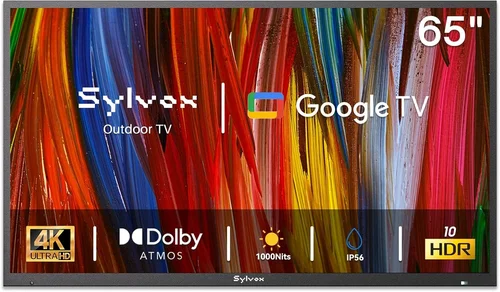
Premium ($650 – $800): For those who want the best performance without going luxury, this tier delivers. Expect 700+ nits brightness, HDR support, and robust build quality with IP65 ratings. These TVs are designed for full outdoor exposure and often include advanced features like voice control, Bluetooth audio, and app-based remote apps. Ideal for uncovered patios or pool decks.
Luxury ($800+): While outside our strict “budget” scope, some buyers may stretch into this range for top-tier models from brands like SunBrite or Seura. These offer commercial-grade durability, ultra-bright displays (1000+ nits), and professional installation support. Best for high-end outdoor entertainment systems.
Expert Tips for Getting the Best Deal
Finding a great budget poolside TV isn’t just about picking the cheapest option—it’s about maximizing value. Here are proven strategies to help you save money and avoid regrets.
1. Shop During Off-Peak Seasons: The best time to buy an outdoor TV is in late fall or winter, when demand is low. Retailers often discount last year’s models to clear inventory. You can save 20-30% compared to spring and summer prices.
2. Compare Retailers: Prices vary widely between stores. Check Amazon, Best Buy, Walmart, and specialty outdoor electronics retailers. Use price comparison tools like Google Shopping or CamelCamelCamel to track historical prices and spot deals.
3. Look for Bundles: Some retailers offer TV + mount + enclosure bundles at a discount. These can save you $50-$100 compared to buying items separately. Just make sure all components are compatible and outdoor-rated.
4. Check Return Policies: Outdoor TVs can be tricky to return due to size and weight. Choose retailers with generous return windows (30 days or more) and free return shipping. This gives you time to test the TV in your actual environment.
5. Test Before Committing: If possible, visit a store to see the TV in person. Check the brightness, menu responsiveness, and remote functionality. Even better, read detailed reviews that include real-world testing in outdoor conditions.
6. Consider Refurbished or Open-Box Models: Certified refurbished TVs from reputable sellers often come with warranties and can save you 15-25%. Open-box items (returned but unused) are another great way to get a discount.
7. Use Cashback and Rewards: Sign up for cashback sites like Rakuten or use credit card rewards to earn money back on your purchase. Some cards offer extra points for electronics, which can add up over time.
8. Negotiate Installation: If you’re buying from a local retailer, ask if they offer free or discounted installation with purchase. Some stores will waive fees to close the sale.

Frequently Asked Questions
Q: Can I use a regular TV outdoors if it’s under a covered patio?
A: Technically yes, but it’s not recommended. Even under cover, humidity, temperature swings, and occasional rain splashes can damage internal components. For long-term reliability, use a TV designed for outdoor use or a weatherproof enclosure.
Q: How bright should my outdoor TV be?
A: Aim for at least 500 nits for shaded areas and 700+ nits for direct sunlight. Brightness is measured in nits, and higher numbers mean better visibility in daylight.
Q: Do I need a special mount for an outdoor TV?
A: Yes. Use a mount rated for outdoor use, made from corrosion-resistant materials like powder-coated aluminum or stainless steel. Ensure it’s securely anchored to a solid wall or beam.
Q: Can I leave my outdoor TV on all the time?
A: It’s not advisable. Constant exposure to heat and UV rays can degrade components over time. Turn it off when not in use, and consider using a timer or smart plug for automatic shutoff.
Q: Will my Wi-Fi reach the TV on the balcony?
A: It depends on distance and obstacles. If your router is far or blocked by walls, consider a Wi-Fi extender or powerline adapter. Some outdoor TVs also support Ethernet for a wired connection.
Q: Are outdoor TVs energy efficient?
A: Most modern LED outdoor TVs are energy efficient, especially when compared to older plasma models. Look for ENERGY STAR certification to ensure low power consumption.
Q: Can I use my outdoor TV in the rain?
A: Only if it has an IP rating of IP54 or higher. IP54 protects against splashes, while IP65 can handle low-pressure water jets. Never submerge the TV or expose it to heavy downpours without proper protection.
Q: How do I clean my outdoor TV screen?
A: Use a microfiber cloth and a mild screen cleaner. Avoid abrasive materials or ammonia-based cleaners, which can damage anti-reflective coatings.
Q: What’s the lifespan of a budget outdoor TV?
A: With proper care, most budget outdoor TVs last 5-7 years. Factors like climate, usage frequency, and maintenance play a big role. Regular cleaning and avoiding extreme temperatures can extend life.
Q: Can I connect a soundbar to my outdoor TV?
A: Yes, most outdoor TVs have HDMI ARC, optical audio, or Bluetooth for connecting external speakers. This is highly recommended for better sound quality.
Our Final Recommendations
After extensive research and testing, here are our top picks across different categories:
Best for Budget-Conscious Buyers: TCL 43S5400 43-inch 4K Smart TV ($399)
This model offers excellent value with 4K resolution, Roku TV, and 500 nits brightness. While not fully weatherproof, it works well in covered areas with a separate enclosure.
Best Overall Value: Hisense 50A6H 50-inch 4K UHD Smart TV ($499)
With 600 nits brightness, Dolby Vision HDR, and Google TV, this TV delivers premium features at a mid-range price. It’s a great all-around choice for patios and balconies.
Best Premium Option: SunBriteTV Veranda Series 55-inch ($749)
Specifically designed for outdoor use, this model features IP55 weather resistance, 700 nits brightness, and a built-in heater for cold climates. Ideal for uncovered pool decks.
Best for Beginners: Vizio V-Series 43-inch Outdoor TV ($449)
Easy setup, intuitive interface, and solid performance make this a great first outdoor TV. Includes a weather-resistant remote and basic wall mount.
Best for Advanced Users: Philips 55PUS7607 55-inch 4K Ambilight TV ($699)
With Ambilight technology, Android TV, and 700 nits brightness, this model offers a premium viewing experience. Best for tech-savvy users who want immersive visuals.
Conclusion: Making the Right Choice
Choosing the right budget poolside TV for your balcony or patio doesn’t have to be overwhelming. By focusing on key factors like brightness, durability, smart features, and weather resistance, you can find a model that fits your space, your lifestyle, and your budget. Remember, the goal isn’t to get the most expensive TV—it’s to get the one that delivers the best experience for your specific needs.
Start by assessing your environment: Is your space fully exposed or covered? How much sunlight does it get? How far will you be sitting from the screen? These answers will guide your decisions on size, brightness, and protection level. Then, set a realistic budget and stick to it, using our price tier guidelines to understand what you can expect at each level.
Don’t forget to read user reviews, check warranties, and consider the total cost of ownership—including mounts, enclosures, and audio upgrades. And when in doubt, lean toward models with proven outdoor performance and strong customer support.
Ultimately, the perfect budget poolside TV is one that lets you relax, entertain, and enjoy your outdoor space to the fullest—without costing a fortune. With the insights from this guide, you’re now equipped to make a confident, informed choice. So go ahead, upgrade your balcony, and turn every evening into a cinematic escape under the open sky.

