
[FEATURED_IMAGE_PLACEGOER]
If you live in an apartment with a shared pool or a private outdoor space, you know how much fun it can be to lounge by the water, soak up the sun, and enjoy a refreshing dip. But what if you could elevate that experience with entertainment? A budget poolside TV isn’t just a luxury—it’s a practical upgrade that brings movies, sports, music, and even smart home control right to your outdoor oasis. Whether you’re hosting a summer BBQ, relaxing solo, or enjoying a romantic evening under the stars, having a reliable TV near the pool can transform your downtime.
However, finding the right TV for outdoor use—especially on a budget—can be tricky. Many people assume that outdoor TVs are only for luxury homes or commercial spaces, but that’s no longer true. In 2026, affordable options are more accessible than ever, offering weather resistance, decent picture quality, and smart features without breaking the bank. This guide is designed to help apartment dwellers make smart, informed decisions when choosing a poolside TV that fits both their lifestyle and their wallet.
In this comprehensive buyer’s guide, we’ll walk you through everything you need to know before purchasing a budget-friendly TV for your pool area. You’ll learn how to evaluate key factors like weather resistance, brightness, sound quality, and connectivity. We’ll compare different types of outdoor-ready TVs, highlight common pitfalls to avoid, and provide expert tips to help you get the best deal. Whether you’re looking for a compact 32-inch model or a larger 50-inch screen, this guide will equip you with the knowledge to choose wisely and enjoy your outdoor entertainment setup for years to come.

What to Look for When Buying Buying Guide
1. Weather Resistance & IP Rating
When placing a TV near a pool, exposure to moisture, humidity, and temperature swings is inevitable. That’s why weather resistance is the most critical factor to consider. Unlike indoor TVs, which are designed for stable environments, outdoor models must withstand the elements. Look for TVs with an Ingress Protection (IP) rating—this standardized code tells you how well the device resists dust and water.
For poolside use, an IP54 rating is the absolute minimum. This means the TV is protected against splashing water from any direction and limited dust ingress. However, if you live in a region with heavy rain or high humidity, aim for IP55 or higher. Some premium budget models even offer IP65, which provides full protection against dust and low-pressure water jets. Always check the manufacturer’s specifications to ensure the TV is rated for outdoor use. Avoid using standard indoor TVs outdoors—even under a covered patio—because they lack the necessary sealing and can fail prematurely due to moisture damage.
2. Screen Brightness & Anti-Glare Technology
Outdoor lighting conditions are vastly different from indoor environments. Sunlight reflecting off water, white pool tiles, or nearby surfaces can create intense glare, making it difficult to see the screen. That’s why brightness—measured in nits—is a crucial specification for poolside TVs.
For comfortable viewing in daylight, look for a TV with at least 500 nits of brightness. However, 700 nits or higher is ideal for areas with direct sun exposure. Many budget outdoor TVs now include anti-reflective coatings or matte screens that reduce glare without sacrificing image quality. Some models also feature adaptive brightness sensors that automatically adjust the screen’s luminance based on ambient light, ensuring optimal visibility whether it’s midday or dusk.
Avoid TVs with glossy screens unless they’re specifically designed for outdoor use. Glossy finishes may look sharp indoors but become nearly unusable in bright conditions. Instead, prioritize models with matte or anti-glare treatments. Additionally, consider the viewing angle—wide-angle panels (like IPS) allow multiple people to watch from different positions around the pool without losing color accuracy or contrast.
3. Build Quality & Durability
A TV placed near a pool isn’t just exposed to weather—it’s also at risk from accidental splashes, salt air (if you’re near the coast), and temperature fluctuations. That’s why build quality matters more than you might think. Look for TVs with robust enclosures made from corrosion-resistant materials like powder-coated aluminum or marine-grade polymers.
Check the internal components as well. High-quality capacitors, sealed circuit boards, and moisture-resistant wiring are signs of a well-built outdoor TV. Some manufacturers go the extra mile by using conformal coating—a protective layer applied to electronic components to prevent corrosion. This is especially important in humid or coastal environments where salt air can degrade electronics over time.
Also, consider the mounting system. A sturdy, weatherproof wall mount or ceiling bracket is essential. Ensure the TV comes with mounting hardware rated for outdoor use, or purchase a compatible third-party mount. Avoid flimsy plastic casings or TVs that feel lightweight—these are often signs of poor construction and may not survive long in an outdoor setting.
4. Size & Viewing Distance
Choosing the right screen size depends on how far you’ll be sitting from the TV and how many people will be watching at once. For most apartment pool areas, space is limited, so a balance between screen size and practicality is key.
A 32-inch to 43-inch TV is ideal for small patios or balconies where viewers are within 6 to 10 feet. These sizes offer a cinematic experience without overwhelming the space. If you have a larger deck or seating area, a 50-inch or 55-inch model may be better, especially if you plan to host gatherings.
Use the 1.5x rule as a guideline: multiply your viewing distance (in inches) by 1.5 to get the recommended screen size. For example, if you’re sitting 8 feet (96 inches) away, a 48-inch TV (96 ÷ 2 = 48) is a good fit. However, don’t go too large—oversized screens can cause eye strain and look out of place in compact outdoor settings.
Portability is another consideration. Some budget outdoor TVs come with built-in handles or lightweight designs, making them easy to move between indoor and outdoor spaces. If you plan to store the TV indoors during winter or storms, a lighter, more portable model could save you time and effort.
5. Smart Features & Connectivity
Even on a budget, modern outdoor TVs offer impressive smart capabilities. Look for models with built-in Wi-Fi, Bluetooth, and support for popular streaming platforms like Netflix, YouTube, Disney+, and Amazon Prime Video. A smart TV eliminates the need for external devices like Roku sticks or Apple TV boxes, simplifying setup and reducing cable clutter.
Check the operating system—Android TV, webOS, and Tizen are user-friendly and regularly updated. Avoid proprietary systems with limited app support. Voice control via Google Assistant or Alexa is a nice bonus, especially when your hands are wet or you’re lounging in a chair.
Connectivity options are equally important. Ensure the TV has multiple HDMI ports (at least two), USB ports for media playback, and an Ethernet port for a stable wired connection. If you plan to connect a soundbar or external speakers, look for optical audio output or ARC (Audio Return Channel) support. Some models also include composite or component inputs for older devices, which can be useful if you have legacy gaming consoles or DVD players.
6. Audio Quality & Sound Solutions
Most budget TVs—indoor or outdoor—have underwhelming built-in speakers. This is especially true for slim outdoor models designed to resist weather. While you can get by with the internal audio for casual listening, investing in external sound is highly recommended for a better experience.
Consider pairing your TV with a weather-resistant soundbar or outdoor speakers. Look for models with IPX5 or higher ratings, which can handle splashes and rain. Wireless options like Bluetooth speakers are convenient but may have latency issues with video. For synced audio, wired connections or soundbars with HDMI ARC are preferable.
If you’re on a tight budget, some outdoor TVs come with enhanced audio features like Dolby Audio or DTS Studio Sound, which improve clarity and depth. While not a replacement for external speakers, these can make a noticeable difference. Test the audio at the loudest volume—budget TVs often distort at high levels, which can ruin movie nights or sports events.
7. Power Consumption & Energy Efficiency
Outdoor TVs are often left on for extended periods, especially during parties or relaxation sessions. That means energy efficiency can impact your electricity bill over time. Look for models with Energy Star certification or low power consumption ratings.
LED-backlit TVs are the most energy-efficient option, using up to 40% less power than older LCD or plasma models. OLED TVs offer superior picture quality but tend to consume more energy, especially at high brightness levels. For budget buyers, LED is the sweet spot—affordable, efficient, and widely available.
Also, consider smart power features like auto sleep mode, motion sensors, or timers that turn the TV off when not in use. These can significantly reduce standby power consumption. Some models even include solar-compatible power options, though these are rare in the budget segment.
8. Brand Reputation & Warranty
When buying electronics, especially for outdoor use, brand reputation matters. Established brands like Samsung, LG, Sony, and TCL have a track record of reliability and customer support. However, newer or lesser-known brands may offer competitive pricing and decent quality—just do your research.
Check online reviews on trusted sites like Consumer Reports, CNET, or Amazon. Look for consistent feedback about durability, picture quality, and customer service. Avoid brands with a history of short lifespans or poor warranty support.
Warranty is another critical factor. A standard 1-year warranty is common, but some manufacturers offer extended coverage for outdoor use. Look for at least a 2-year warranty, and ensure it covers both parts and labor. Some companies also provide on-site repair services, which can be a lifesaver if your TV fails in a hard-to-reach location.
Different Types of Buying Guide
Common Buying Mistakes to Avoid
❌ Mistake: Using an Indoor TV Outdoors
Why it’s bad: Indoor TVs are not designed to handle moisture, humidity, or temperature changes. Even under a covered patio, condensation can build up inside the unit, leading to corrosion, short circuits, and permanent damage. Most indoor TVs also lack the brightness needed for outdoor viewing.
What to do instead: Always choose a TV specifically rated for outdoor or partial outdoor use. If you must use an indoor model, invest in a high-quality outdoor enclosure with proper ventilation and weather sealing.
❌ Mistake: Ignoring the IP Rating
Why it’s bad: Without a proper IP rating, you have no guarantee the TV can withstand splashes, rain, or dust. A TV with no rating or a low rating (like IP20) is essentially an indoor model and will fail quickly in outdoor conditions.
What to do instead: Check the IP rating before buying. For poolside use, aim for IP54 or higher. Look for detailed specifications from the manufacturer, not just marketing claims like “weather-resistant.”
❌ Mistake: Overlooking Brightness and Glare
Why it’s bad: A dim screen with a glossy finish will be nearly invisible in daylight, especially near reflective surfaces like water or white concrete. This leads to frustration and poor viewing experiences.
What to do instead: Prioritize TVs with at least 500 nits of brightness and anti-glare coatings. Test the screen in similar lighting conditions if possible, or read reviews that mention outdoor visibility.
❌ Mistake: Skimping on Audio
Why it’s bad: Built-in TV speakers are often weak and muffled, especially in open outdoor spaces where sound dissipates quickly. This ruins the immersion of movies, sports, and music.
What to do instead: Plan for external audio from the start. Invest in a weatherproof soundbar or outdoor speakers. Even a budget Bluetooth speaker can make a big difference.
❌ Mistake: Choosing the Wrong Size
Why it’s bad: A TV that’s too small won’t be visible from a distance, while one that’s too large can overwhelm a small space and cause eye strain. Both scenarios lead to dissatisfaction.
What to do instead: Use the 1.5x viewing distance rule and consider your seating layout. Measure your space and visualize the TV size before purchasing.
❌ Mistake: Neglecting Mounting and Installation
Why it’s bad: Improper mounting can lead to instability, water ingress, or even the TV falling. Using indoor mounts outdoors can void warranties and create safety hazards.
What to do instead: Use a weatherproof, VESA-compatible outdoor mount. Ensure it’s securely anchored to a wall or ceiling. If unsure, hire a professional installer.
❌ Mistake: Forgetting About Power and Cables
Why it’s bad: Running extension cords across wet areas is dangerous and unsightly. Exposed cables can degrade quickly in the elements.
What to do instead: Plan your power source in advance. Use outdoor-rated extension cords or have an electrician install a dedicated outdoor outlet. Conceal cables with raceways or conduit.
Budget Guidelines: How Much Should You Spend?
When it comes to budget poolside TVs, you don’t need to spend thousands to get a great experience. However, understanding what you get at different price points helps you make a smarter investment.
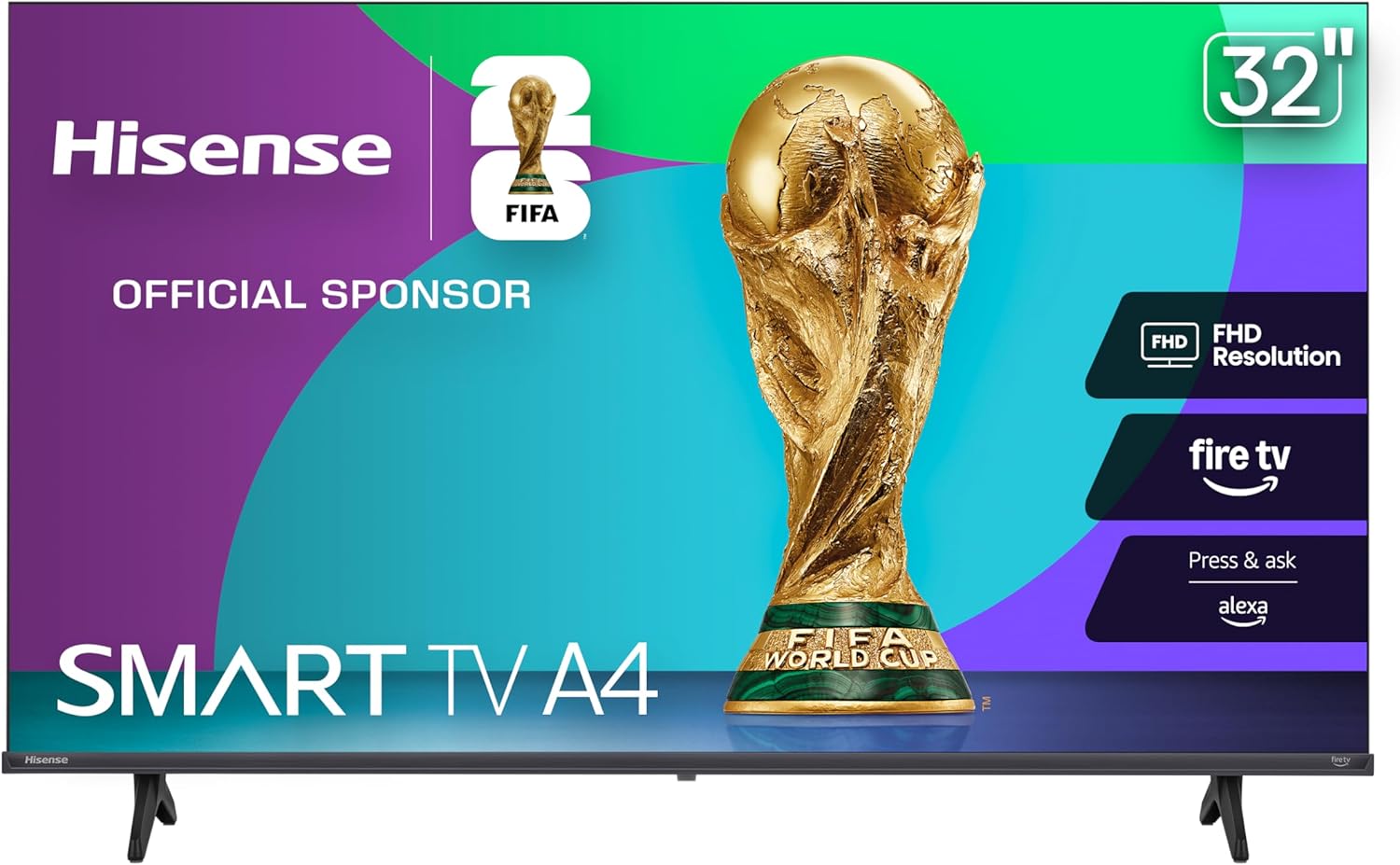
Entry-Level ($300 – $500): This range includes basic partial outdoor TVs or indoor models with outdoor enclosures. Expect smaller screens (32–40 inches), lower brightness (300–500 nits), and limited smart features. These are best for covered patios with minimal sun exposure. Brands like TCL and Hisense offer decent options here, but durability may be a concern.
Mid-Range ($500 – $800): This is the sweet spot for most apartment dwellers. You’ll find fully weather-resistant models with 43–50-inch screens, 500–700 nits brightness, and solid smart platforms. Look for IP54 or IP55 ratings, anti-glare screens, and good audio enhancements. Brands like Samsung and LG have budget-friendly outdoor lines in this tier.
Premium ($800 – $1,200): For those willing to invest a bit more, premium budget TVs offer larger screens (55+ inches), higher brightness (700+ nits), and advanced features like voice control, HDR support, and better build quality. These are ideal for uncovered areas or frequent use. You’ll also find better warranties and customer support.
Luxury ($1,200+): At this level, you’re entering commercial-grade territory. These TVs are built for 24/7 operation, extreme weather, and high-traffic environments. While overkill for most apartments, they’re worth considering if you host often or live in a harsh climate. Expect IP65 ratings, OLED or QLED panels, and professional installation options.
Expert Tips for Getting the Best Deal
1. Buy During Off-Season Sales: The best time to buy an outdoor TV is in late fall or winter, when demand is low. Retailers often discount summer inventory to make room for new models. Look for Black Friday, Cyber Monday, or post-holiday sales.
2. Shop at Specialty Retailers: While big-box stores carry some outdoor TVs, specialty electronics retailers or outdoor living stores often have better selection and expertise. They may also offer installation services or bundle deals.
3. Compare Online and In-Store Prices: Use price comparison tools like Google Shopping or CamelCamelCamel to track price history. Sometimes online retailers offer lower prices, but in-store purchases allow you to inspect the TV before buying.
4. Check for Open-Box or Refurbished Models: Many retailers sell open-box or certified refurbished TVs at significant discounts. These often come with warranties and are a great way to save 20–30% on a quality model.
5. Read the Fine Print on Warranties: Some warranties are voided if the TV is used outdoors or installed incorrectly. Make sure your purchase is covered for outdoor use and understand the return policy.
6. Test Before You Buy: If possible, visit a store to see the TV in person. Check the brightness, color accuracy, and menu navigation. Bring a sample video to test streaming performance.
7. Consider Total Cost of Ownership: Factor in the cost of mounts, cables, speakers, and potential installation. A cheaper TV may end up costing more if you need to buy additional accessories.
8. Join Online Communities: Forums like Reddit’s r/outdoortv or Facebook groups for outdoor living can provide real-world reviews and deal alerts from other buyers.

Frequently Asked Questions
Q: Can I use a regular TV by the pool if it’s under a covered patio?
A: Technically yes, but it’s not recommended. Even under cover, humidity, splashes, and temperature changes can damage indoor TVs over time. For long-term reliability, use a TV rated for outdoor or partial outdoor use.
Q: Do outdoor TVs need special mounts?
A: Yes. Standard indoor mounts are not designed for outdoor conditions. Use a weatherproof, VESA-compatible outdoor mount that can withstand moisture and wind.
Q: How do I protect my TV from rain?
A: Choose a TV with a high IP rating (IP55 or higher) and mount it under a covered area. Avoid direct exposure to rain. For extra protection, consider a weatherproof cover when not in use.
Q: Can I leave my outdoor TV on all the time?
A: Most outdoor TVs are designed for extended use, but it’s best to turn them off when not in use to save energy and extend lifespan. Use a timer or smart plug for convenience.
Q: Are outdoor TVs energy efficient?
A: Yes, especially LED models. Look for Energy Star certification and features like auto sleep mode to reduce power consumption.
Q: Can I connect a gaming console to an outdoor TV?
A: Absolutely. Most outdoor TVs have HDMI ports compatible with PlayStation, Xbox, or Nintendo Switch. Just ensure the TV has low input lag for smooth gameplay.
Q: What’s the difference between partial and full outdoor TVs?
A: Partial outdoor TVs are designed for covered areas with some protection from the elements. Full outdoor TVs are fully sealed and can withstand direct exposure to rain, snow, and sun.
Q: How long do outdoor TVs last?
A: With proper care, a quality outdoor TV can last 5–8 years or more. Regular maintenance, like cleaning the screen and checking seals, helps prolong its life.
Q: Can I use a projector instead of a TV by the pool?
A: Projectors can work, but they require a dark environment and a screen. They’re less bright and more vulnerable to weather, making them less ideal for daytime poolside use.
Q: Do I need a permit to install an outdoor TV in my apartment?
A: It depends on your building’s rules. Check with your landlord or homeowners’ association before mounting anything on exterior walls.
Our Final Recommendations
Best for Budget-Conscious Buyers: TCL 4-Series 43S450G – A 43-inch partial outdoor TV with 500 nits brightness, Roku smart platform, and IP54 rating. Priced under $500, it’s a solid entry-level option for covered patios.
Best Overall Value: Samsung The Terrace 50″ – A 50-inch all-weather TV with 700 nits brightness, anti-glare screen, and Tizen OS. At around $750, it offers excellent picture quality and durability for the price.
Best Premium Option: LG 55″ OLED Outdoor TV – With 800 nits brightness, perfect blacks, and IP65 rating, this model delivers stunning visuals and top-tier weather resistance. Ideal for uncovered areas and serious viewers.
Best for Beginners: Hisense 40″ Outdoor Smart TV – Simple setup, intuitive interface, and reliable performance. Great for first-time outdoor TV buyers who want ease of use.
Best for Advanced Users: SunBriteTV Veranda Series 55″ – Built for extreme conditions, this commercial-grade TV offers 1,000+ nits brightness, full weather sealing, and 24/7 operation. Perfect for tech-savvy users who demand the best.
Conclusion: Making the Right Choice
Choosing a budget poolside TV for your apartment doesn’t have to be overwhelming. By focusing on key factors like weather resistance, brightness, size, and smart features, you can find a model that enhances your outdoor experience without overspending. Remember to avoid common pitfalls like using indoor TVs or ignoring IP ratings, and always plan for proper mounting and audio.
Whether you’re watching the big game, streaming a movie, or just enjoying background music, the right TV can turn your pool area into a true entertainment hub. Take your time, compare options, and prioritize your needs. With the insights from this guide, you’re well-equipped to make a confident, informed decision.
Now it’s your turn—start shopping, set up your space, and enjoy countless hours of outdoor entertainment. Your perfect poolside TV is out there, and it doesn’t have to cost a fortune to deliver big on fun.

