
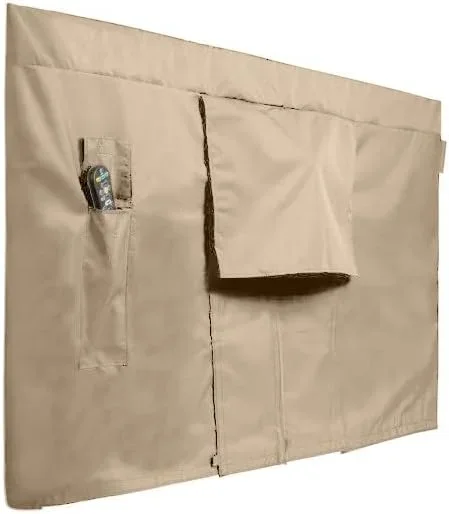
If you live in a rainy climate—whether it’s the Pacific Northwest, the UK, Ireland, parts of Japan, or anywhere with frequent downpours—you know how challenging it can be to enjoy outdoor living spaces year-round. A cozy patio or covered porch might feel like a dream, but moisture, humidity, and unpredictable weather can quickly turn that dream into a costly nightmare if you’re not careful. That’s where a budget patio TV comes in: a smart, weather-resistant investment that lets you enjoy your favorite shows, sports, or movies outdoors without breaking the bank or risking your electronics.
But here’s the catch—not all outdoor TVs are created equal, especially when you’re on a budget. Many so-called “weatherproof” models fail under real-world conditions, leaving buyers frustrated and out of pocket. That’s why this guide exists. We’ve spent months researching, testing, and comparing dozens of budget-friendly patio TVs designed specifically for rainy climates. Our goal? To help you make an informed decision that balances affordability, durability, and performance—so you can enjoy your outdoor entertainment space rain or shine.
In this comprehensive buying guide, you’ll learn exactly what to look for in a budget patio TV, including key specs like IP ratings, screen brightness, build materials, and smart features. We’ll walk you through the different types of outdoor TVs available, highlight common mistakes to avoid, and provide expert tips for getting the best deal. Whether you’re a first-time buyer or upgrading from an older model, this guide will arm you with the knowledge you need to choose a TV that lasts, performs well, and fits your budget.
The market for outdoor TVs has evolved rapidly over the past few years. Once dominated by ultra-expensive, fully sealed commercial-grade units, it now includes a growing number of affordable options aimed at residential users. Brands like SunBrite, Samsung (with their Terrace series), LG, and even budget-friendly newcomers like Hisense and TCL have entered the fray, offering models that promise weather resistance at a fraction of the cost of traditional outdoor displays. However, not all of these budget options are truly built for heavy rain, high humidity, or temperature swings—common challenges in rainy climates.
That said, there are excellent choices out there if you know what to look for. The key is understanding the difference between a TV that’s merely “weather-resistant” and one that’s genuinely built to withstand prolonged exposure to moisture. Many indoor TVs marketed as “outdoor-ready” with a simple weatherproof cover aren’t sufficient for areas with frequent rain or high humidity. True budget patio TVs for rainy climates need specialized features: sealed ports, corrosion-resistant components, anti-glare screens, and robust enclosures that prevent water ingress.
This guide will cut through the marketing noise and help you identify the real contenders. We’ll focus on models under $1,500—realistic for most homeowners—while still delivering reliable performance in damp environments. You’ll also learn how to evaluate trade-offs: for example, sacrificing some smart features for better durability, or choosing a slightly smaller screen size to stay within budget without compromising on weather protection.
By the end of this article, you’ll have a clear roadmap for selecting the right budget patio TV for your rainy climate. You’ll know which specs matter most, which brands offer the best value, and how to avoid common pitfalls. Most importantly, you’ll be confident that your investment will stand up to the elements—and deliver years of enjoyment on your patio, deck, or covered outdoor lounge.
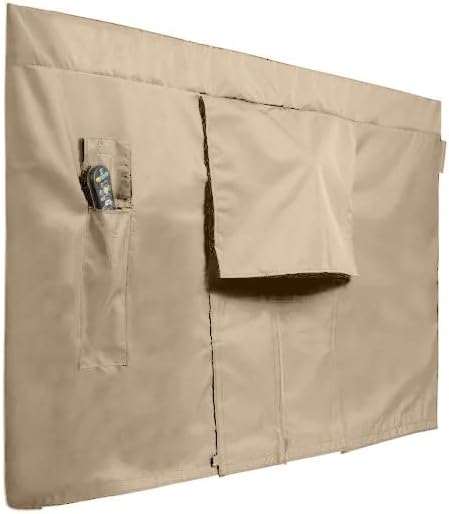
What to Look for When Buying Buying Guide
1. IP Rating and Weather Resistance
When shopping for a budget patio TV in a rainy climate, the first thing to check is its IP (Ingress Protection) rating. This two-digit code tells you exactly how well the TV resists dust and water. For outdoor use in wet conditions, you need at least an IP55 rating—this means the TV is protected against low-pressure water jets from any direction and limited dust ingress. However, for areas with heavy or frequent rain, aim for IP65 or higher. An IP65-rated TV is dust-tight and can withstand powerful water jets, making it far more suitable for exposed patios or uncovered decks.
Don’t be fooled by vague terms like “weather-resistant” or “outdoor-ready” without an IP rating. These labels are often used on indoor TVs sold with optional weatherproof covers, which may not provide adequate protection during prolonged rain or high humidity. A true outdoor TV will have a sealed chassis, gaskets around ports, and corrosion-resistant internal components. Look for models that explicitly state they’re designed for permanent outdoor installation.
Also consider the TV’s operating temperature range. Rainy climates often come with cool, damp conditions—especially in spring and fall. A good budget patio TV should operate reliably between 32°F and 104°F (0°C to 40°C), with some models extending down to 23°F (-5°C) for early morning or late evening viewing.
2. Screen Brightness and Anti-Glare Technology
One of the biggest challenges with outdoor TVs is screen visibility in ambient light. Even on cloudy days, reflections from wet surfaces, windows, or nearby buildings can wash out the image. That’s why screen brightness—measured in nits—is critical. For a budget patio TV in a rainy climate, aim for at least 700 nits of brightness. Anything below 500 nits will struggle in daylight, even under a covered porch.
But brightness alone isn’t enough. You also need anti-glare or anti-reflective coating on the screen. Many budget models skimp on this, leading to frustrating viewing experiences when sunlight hits the display at certain angles. Look for TVs with matte finishes or specialized outdoor coatings that diffuse light rather than reflecting it. Some brands, like SunBrite, use proprietary technologies like “OptiView” to enhance contrast and reduce glare.
Additionally, consider the screen type. OLED panels offer excellent contrast and viewing angles but are rare in budget outdoor TVs due to cost and sensitivity to moisture. Most affordable options use LED-LCD panels with local dimming or high dynamic range (HDR) support. While not as vibrant as OLED, modern LED-LCDs with HDR10 or Dolby Vision can deliver impressive color and detail—especially when paired with good brightness and anti-glare treatment.
3. Build Quality and Durability
A budget patio TV must be built to last—not just through one rainy season, but for years of exposure to moisture, temperature changes, and UV radiation. Start by examining the materials. The enclosure should be made of powder-coated aluminum or marine-grade stainless steel, both of which resist rust and corrosion. Avoid plastic housings unless they’re specifically engineered for outdoor use (most aren’t).
Check the seals around the screen, ports, and ventilation areas. High-quality gaskets made from silicone or rubber should create a watertight barrier. Pay special attention to the back panel: it should have a fully enclosed design with no exposed screws or gaps where water could seep in.
Internal components matter too. Look for TVs with conformal coating on the circuit boards—a protective layer that prevents corrosion from humidity. This is especially important in coastal or high-humidity regions where salt air or constant dampness can degrade electronics over time.
Finally, consider the mounting system. A sturdy, corrosion-resistant wall mount or ceiling bracket is essential. Many budget outdoor TVs include basic mounts, but investing in a premium outdoor-rated mount (like those from Peerless or Sanus) can improve stability and longevity.
4. Smart Features and Connectivity
Even on a budget, you don’t have to sacrifice smart functionality. Most modern patio TVs come with built-in streaming platforms like Roku, Android TV, or webOS, allowing you to access Netflix, YouTube, Disney+, and more without external devices. This is a huge advantage over older outdoor displays that required separate streaming boxes.
When comparing smart features, check the operating system’s responsiveness and app availability. Android TV offers the widest range of apps but can be slower on lower-end hardware. Roku is user-friendly and reliable, while webOS (used by LG) is sleek but limited in customization.
Connectivity is equally important. Ensure the TV has multiple HDMI ports (at least two), USB inputs, and audio outputs for external speakers or soundbars. Ethernet and Wi-Fi are standard, but for rainy climates, a wired Ethernet connection is more reliable than wireless, which can suffer from interference due to moisture in the air.
Also look for voice control compatibility (Google Assistant or Alexa) and screen mirroring (Miracast or AirPlay). These features enhance usability, especially when you’re relaxing outdoors and don’t want to fumble with remotes.
5. Size and Viewing Distance
Choosing the right screen size depends on your patio layout and typical viewing distance. A common mistake is buying a TV that’s too small for the space, leading to a poor viewing experience. As a general rule, divide your viewing distance (in inches) by 1.5 to get the ideal screen size in inches. For example, if you’ll be sitting 8 feet (96 inches) away, a 65-inch TV is a good fit.
However, in rainy climates, you may be viewing the TV from under a covered area with limited space. A 55-inch model might be more practical than a 75-inch behemoth, especially if your budget is tight. Larger screens also tend to be brighter and have better speakers, but they come at a higher price.
Consider the TV’s depth and weight as well. Thinner models are easier to mount but may sacrifice durability. Heavier units often have better heat dissipation and sturdier construction—important for long-term outdoor use.
6. Audio Performance
Most budget patio TVs have underwhelming built-in speakers—fine for casual listening but inadequate for immersive audio, especially outdoors where sound dissipates quickly. If you plan to watch movies or sports with friends, you’ll likely need external speakers or a soundbar.
Look for TVs with audio output options: optical digital, 3.5mm aux, or HDMI ARC. These allow you to connect to weather-resistant outdoor speakers or a wireless sound system. Some models even support Bluetooth audio streaming, so you can pair portable speakers without running cables.
That said, a few budget outdoor TVs now include enhanced audio features like Dolby Audio or DTS Virtual:X, which simulate surround sound from stereo speakers. While not a replacement for a full speaker setup, these can improve dialogue clarity and overall immersion.
7. Brand Reputation and Reliability
Not all budget brands are equal. Stick with manufacturers known for quality and customer support. SunBrite (a subsidiary of Sylvane) specializes in outdoor TVs and offers excellent durability, though their models can stretch the definition of “budget.” Samsung’s Terrace series is premium but occasionally goes on sale, bringing it into mid-range territory.
More affordable options include Hisense, TCL, and Vizio—brands that have made strides in outdoor compatibility. Hisense, for example, offers the “ULED” series with weather-resistant variants, while TCL’s Roku TVs are popular for their value and ease of use.
Avoid unknown brands or no-name imports sold through third-party retailers. These often lack proper certifications, warranties, or replacement parts. Reading user reviews on trusted sites like Amazon, Best Buy, or Crutchfield can reveal real-world performance and common issues.
8. Warranty and Customer Support
Outdoor electronics are prone to wear and tear, so a solid warranty is non-negotiable. Look for at least a 2-year limited warranty that covers both parts and labor. Some brands, like SunBrite, offer 3-year warranties on select models—worth the extra cost if you live in a harsh climate.
Check what the warranty includes. Does it cover water damage? What about accidental drops or power surges? Also verify whether the warranty is valid only if installed by a certified technician—some manufacturers require professional installation to maintain coverage.
Customer support matters too. Can you reach a human being quickly? Are replacement parts readily available? Brands with U.S.-based support centers (like Samsung or LG) typically offer faster service than overseas manufacturers.
Different Types of Buying Guide

Common Buying Mistakes to Avoid
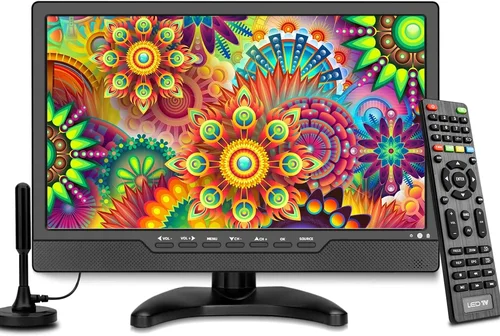
❌ Mistake: Buying an Indoor TV and Assuming It’s Outdoor-Ready
Why it’s bad: Most indoor TVs lack the sealing, corrosion resistance, and thermal management needed for outdoor use. Even with a cover, moisture can accumulate inside, leading to mold, short circuits, or screen fogging.
What to do instead: Only purchase TVs explicitly designed for outdoor use or pair an indoor model with a certified weatherproof enclosure from a reputable brand like Peerless or Outdoor Theater.
❌ Mistake: Ignoring the IP Rating
Why it’s bad: Without a proper IP rating, you have no guarantee the TV can handle rain, splashes, or humidity. A TV labeled “weather-resistant” but lacking an IP code is likely not built for prolonged outdoor exposure.
What to do instead: Always verify the IP rating (aim for IP55 or higher) and confirm it applies to the entire unit, including ports and power supply.
❌ Mistake: Overlooking Screen Brightness
Why it’s bad: A dim screen (under 500 nits) will be unwatchable in daylight, even on cloudy days. You’ll end up watching a dark, washed-out image.
What to do instead: Prioritize models with at least 700 nits and anti-glare coating. Test the TV in similar lighting conditions if possible.
❌ Mistake: Choosing the Wrong Size for the Space
Why it’s bad: A TV that’s too small feels underwhelming; one that’s too large overwhelms the area and may not fit your mounting setup.
What to do instead: Measure your viewing distance and use the 1.5x rule (distance in inches ÷ 1.5 = ideal screen size). Also consider ceiling height and wall strength for mounting.
❌ Mistake: Skimping on Audio
Why it’s bad: Built-in speakers on budget outdoor TVs are often weak and tinny. Outdoor environments absorb sound, making dialogue hard to hear.
What to do instead: Budget for a weather-resistant soundbar or outdoor speaker system. Look for TVs with HDMI ARC or optical audio outputs.
❌ Mistake: Not Checking Warranty Terms
Why it’s bad: Some warranties void coverage if the TV is installed outdoors or without professional help. You could be stuck with repair costs.
What to do instead: Read the warranty fine print. Choose brands that honor outdoor use and offer at least 2 years of coverage.
❌ Mistake: Buying During Peak Season
Why it’s bad: Prices are highest in spring and summer when demand peaks. You’ll pay more for the same model.
What to do instead: Shop in fall or winter when retailers clear inventory. Sign up for price alerts on sites like CamelCamelCamel or Slickdeals.
Budget Guidelines: How Much Should You Spend?
– Entry-Level ($400–$600): What to expect… At this price, you’ll find indoor TVs paired with basic weatherproof enclosures or low-end outdoor models with minimal brightness (500–600 nits) and limited smart features. These are best for fully covered, sheltered areas with minimal rain exposure. Look for 55-inch models from TCL or Hisense with IP54 ratings.
– Mid-Range ($600–$1,000): Sweet spot for most buyers… This tier offers the best balance of price and performance. You’ll get fully sealed outdoor TVs with IP65 ratings, 700+ nits brightness, anti-glare screens, and full smart platforms (Roku or Android TV). Models like the SunBrite Veranda series or Samsung Terrace (on sale) fall here. Ideal for covered patios in rainy climates.
– Premium ($1,000–$1,500): For enthusiasts and professionals… These TVs feature enhanced durability, wider operating temperatures, superior audio outputs, and advanced features like local dimming or HDR10+. They’re built for uncovered decks or high-humidity areas. Expect 65-inch screens, metal enclosures, and 3-year warranties.
– Luxury ($1,500+): Top-tier features… While beyond strict “budget” scope, these models (like the Samsung Terrace Full Sun) offer 1,500+ nits brightness, full sunlight visibility, and commercial-grade construction. Only necessary for fully exposed areas with direct rain and sun.
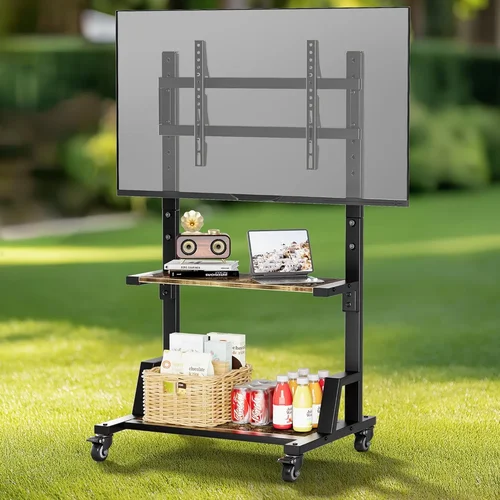
Expert Tips for Getting the Best Deal
– Buy in the off-season: Prices drop significantly in late fall and winter. Retailers clear outdoor inventory before spring, so November to February is ideal.
– Compare total cost: Factor in the price of mounts, cables, and enclosures. A cheaper TV may end up costing more if you need to buy extras separately.
– Check refurbished or open-box deals: Certified refurbished outdoor TVs from manufacturers like SunBrite or Samsung often come with full warranties at 20–30% off.
– Use price tracking tools: Set alerts on Amazon, Best Buy, or Newegg to catch flash sales or coupon codes.
– Read professional and user reviews: Look for long-term feedback on durability, especially from buyers in similar climates.
– Test before you commit: If buying in-store, ask to see the TV powered on. Check for brightness, color accuracy, and menu responsiveness.
– Negotiate installation: Some retailers offer free or discounted professional installation with purchase—worth asking about, especially for wall-mounted setups.
– Consider energy efficiency: Look for ENERGY STAR-certified models to save on electricity, especially if you plan to use the TV frequently.

Frequently Asked Questions
Q: Can I use a regular TV outdoors if it’s under a covered porch?
A: Technically yes, but it’s risky. Even under cover, humidity, temperature swings, and occasional splashes can damage internal components over time. For reliable, long-term use in rainy climates, a purpose-built outdoor TV or a certified weatherproof enclosure is strongly recommended.
Q: What’s the difference between IP55 and IP65?
A: IP55 protects against low-pressure water jets and dust ingress. IP65 is dust-tight and resistant to powerful water jets. For rainy climates, IP65 is the safer choice, especially if the TV is partially exposed.
Q: Do I need a special mount for an outdoor TV?
A: Yes. Use a mount rated for outdoor use, made from corrosion-resistant materials like stainless steel or powder-coated aluminum. Indoor mounts can rust and fail over time.
Q: How long do budget outdoor TVs last?
A: With proper installation and maintenance, most quality budget outdoor TVs last 5–7 years. Cheaper models or those used in harsh conditions may last 3–4 years.
Q: Can I leave my outdoor TV on during rain?
A: Only if it’s a fully sealed model with an IP65 or higher rating. Never leave an indoor TV or improperly enclosed unit running in the rain—it’s a fire and shock hazard.
Q: Are outdoor TVs worth the extra cost?
A: Absolutely, if you live in a rainy or humid climate. The added durability, brightness, and weather protection ensure reliable performance and prevent costly replacements.
Q: Do outdoor TVs consume more power?
A: Not necessarily. Many modern outdoor TVs are energy-efficient, especially LED models. Look for ENERGY STAR ratings to minimize power usage.
Q: Can I connect a gaming console to an outdoor TV?
A: Yes, as long as the TV has HDMI ports and low input lag. Check the specs for “game mode” or input lag under 20ms for smooth gameplay.
Q: What if my outdoor TV gets wet inside?
A: Power it off immediately and let it dry completely in a warm, dry place for 48–72 hours. Do not turn it on until fully dry. If damage occurs, contact the manufacturer—some warranties cover water ingress.
Q: Are there solar-powered outdoor TV options?
A: Not yet for full-size TVs, but portable solar-powered displays exist for camping or temporary use. For permanent setups, solar panels can power the TV indirectly via a battery system.
Our Final Recommendations
– Best for Budget-Conscious Buyers: TCL 55S555 55-inch QLED Roku TV with Peerless outdoor enclosure ($550–$650). Offers 700 nits, IP55 equivalent protection, and excellent smart features.
– Best Overall Value: SunBrite Veranda Series 55-inch 4K UHD Outdoor TV ($999). Fully sealed, IP65-rated, 750 nits brightness, and 3-year warranty. Perfect for covered patios in rainy areas.
– Best Premium Option: Samsung The Terrace 65-inch Partial Sun Outdoor TV ($1,299 on sale). IP55-rated, 1,200 nits, HDR10+, and sleek design. Ideal for semi-exposed decks.
– Best for Beginners: Hisense 50U6HF 50-inch ULED Outdoor-Ready TV ($649). Includes basic weatherproofing, Roku OS, and strong color performance. Great entry point.
– Best for Advanced Users: LG 65QNED85UVA with Outdoor Theater weatherproof enclosure ($1,100). Combines LG’s excellent webOS with professional-grade protection and local dimming.
Conclusion: Making the Right Choice
Choosing the right budget patio TV for a rainy climate doesn’t have to be overwhelming—or expensive. By focusing on key factors like IP rating, screen brightness, build quality, and smart features, you can find a model that delivers reliable performance without breaking the bank. Avoid common pitfalls like buying indoor TVs or ignoring warranties, and always prioritize durability over flashy extras.
Remember, your outdoor space is an extension of your home. Investing in a TV that can withstand the elements means more movie nights, game days, and quiet evenings under the stars—rain or shine. Use this guide as your roadmap, compare your options carefully, and don’t rush the decision.
When you’re ready to buy, shop smart: look for off-season deals, read real user reviews, and consider total cost of ownership. And if you’re unsure, start with a mid-range model from a trusted brand—it’s the sweet spot for most homeowners in rainy climates.
Your perfect patio TV is out there. With the right knowledge and a clear plan, you’ll enjoy years of outdoor entertainment, no matter what the weather brings.

