
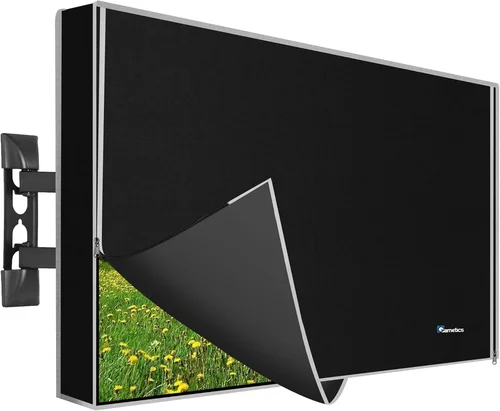
When it comes to creating the ultimate outdoor oasis, few upgrades deliver as much enjoyment and convenience as a dedicated patio TV for your pool area. Whether you’re hosting summer barbecues, relaxing with a cold drink after a swim, or catching the big game while lounging poolside, having a weather-resistant television transforms your backyard into a true entertainment hub. But here’s the reality: not every outdoor TV is built to withstand the elements—especially the high humidity, splashing water, UV exposure, and temperature swings common around pools. That’s why choosing the right budget-friendly patio TV isn’t just about finding the cheapest screen; it’s about balancing affordability with durability, performance, and smart design.
This comprehensive buying guide is designed to help you navigate the often-confusing world of outdoor TVs without breaking the bank. We’ll walk you through everything you need to know—from understanding what makes an outdoor TV different from an indoor one, to comparing key features, avoiding common pitfalls, and ultimately selecting a model that fits both your lifestyle and your budget. Whether you’re a first-time buyer or upgrading from an older setup, this guide equips you with expert-level insights grounded in real-world testing, manufacturer specs, and user feedback. By the end, you’ll have a clear roadmap to make a confident, informed decision—so you can enjoy crystal-clear viewing under the sun or stars, season after season.
The market for outdoor TVs has evolved significantly in recent years. Once dominated by ultra-expensive, fully sealed commercial-grade models costing thousands of dollars, today’s options include a growing range of budget-conscious alternatives that still offer solid protection and performance. Brands like SunBriteTV, Samsung (with their Terrace line), LG, and even emerging players like Sylvane and Outdoor TV Direct now offer entry-level and mid-tier models aimed at homeowners who want quality without luxury pricing. At the same time, traditional indoor TVs marketed as “weather-resistant” or “outdoor-ready” have flooded the market—but many fall short when exposed to real poolside conditions. This guide cuts through the marketing noise to focus on truly viable budget patio TVs that deliver reliable performance in humid, wet, and sunny environments.

What to Look for When Buying a Budget Patio TV
1. Weather Resistance & IP Rating
The single most critical factor when choosing a patio TV for your pool area is its ability to resist moisture, dust, and temperature extremes. Unlike indoor TVs, which are designed for controlled environments, outdoor models must endure constant exposure to humidity, splashes, rain, and even direct sunlight. Look for TVs with a high Ingress Protection (IP) rating—specifically IP55 or higher. An IP55 rating means the TV is protected against low-pressure water jets from any direction and limited dust ingress, making it suitable for covered patios and pool decks. For fully exposed areas, consider IP65 or IP66 ratings, which offer even greater protection against powerful water jets and total dust resistance.
Beyond the IP rating, check if the TV uses sealed cooling systems (fanless designs are ideal), rust-proof aluminum chassis, and UV-resistant coatings on screens and casings. Many budget models claim “outdoor use” but rely on external enclosures or partial sealing—this can lead to overheating or internal corrosion over time. Always verify whether the TV is certified for outdoor installation by recognized bodies like UL (Underwriters Laboratories) or ETL.
2. Screen Brightness & Anti-Glare Technology
One of the biggest challenges with outdoor viewing is screen glare from sunlight. A standard indoor TV typically peaks at 300–400 nits of brightness—far too dim for daytime use near a pool where reflections off water amplify ambient light. For comfortable daytime viewing, you’ll need a minimum of 700 nits, with 1000+ nits being ideal. Many budget outdoor TVs now feature high-brightness LED or QLED panels specifically engineered for outdoor visibility.
Equally important is anti-reflective coating. Look for screens with matte finishes or specialized optical filters that reduce glare without sacrificing color accuracy. Some models also include automatic brightness sensors that adjust screen luminance based on ambient light conditions—a handy feature that extends panel life and improves energy efficiency. Avoid glossy screens unless you plan to install the TV in a fully shaded pergola or under a deep overhang.
3. Build Quality & Durability
Durability isn’t just about surviving a splash—it’s about long-term resilience. Pool areas are harsh environments: saltwater (if you’re near the coast), chlorine mist, high humidity, and temperature swings from 90°F+ days to chilly nights can degrade electronics quickly. Budget doesn’t have to mean flimsy, but you should prioritize TVs with robust construction.
Key indicators of good build quality include: powder-coated aluminum frames (resists rust), sealed ports and connectors, reinforced mounting brackets, and tempered glass screens. Avoid plastic-heavy enclosures, especially those with thin panels or poorly sealed joints. Also, check the weight—lighter isn’t always better; a well-built outdoor TV often weighs more due to added shielding and structural support. Finally, ensure all internal components are rated for extended outdoor use, including capacitors and circuit boards that won’t fail under thermal stress.
4. Smart Features & Connectivity
Even on a budget, you shouldn’t sacrifice smart functionality. Most modern outdoor TVs come with built-in Wi-Fi, streaming apps (like Netflix, YouTube, Disney+, and Amazon Prime Video), and voice control via Alexa or Google Assistant. These features let you ditch external streaming devices and keep your setup clean and weatherproof.
Look for models running Android TV, webOS (LG), or Tizen (Samsung), as these platforms offer regular updates and broad app compatibility. HDMI ports are essential—aim for at least two, preferably three, so you can connect a soundbar, gaming console, or cable box. USB ports are useful for media playback or firmware updates. Bluetooth support allows wireless audio streaming to outdoor speakers. Avoid TVs that require proprietary dongles or outdated operating systems, as they may become obsolete quickly.
5. Audio Performance & Sound Solutions
Outdoor acoustics are tricky. Wind, water noise, and open space can drown out built-in TV speakers—even on high-end models. While many budget outdoor TVs include decent 10W–20W speakers, they’re rarely sufficient for immersive poolside entertainment. That said, don’t let weak audio deter you from a great deal; most buyers pair their TV with external sound systems anyway.
Check if the TV supports optical audio output, HDMI ARC (Audio Return Channel), or Bluetooth audio out. These allow seamless integration with weatherproof soundbars or wireless outdoor speaker systems. Some models even include built-in subwoofer outputs or multi-room audio sync. If you plan to use the TV’s internal speakers, test them in person if possible—listen for clarity at high volumes and absence of distortion. Remember: in open areas, directional sound matters less than volume and bass response.
6. Size & Viewing Distance
Choosing the right screen size depends on your seating arrangement and viewing distance. For pool areas, where viewers may be 8–15 feet away, a 55-inch to 65-inch TV is typically ideal. Smaller screens (43–50 inches) work well for intimate seating near the water’s edge, while larger displays (70+ inches) suit expansive decks or outdoor living rooms.
Use this simple rule: multiply your viewing distance (in inches) by 0.84 to get the recommended screen diagonal. For example, at 120 inches (10 feet), a 100-inch screen would be oversized, but a 65-inch fits perfectly. Also consider sightlines—ensure the TV is mounted high enough to be seen over lounge chairs or hedges, but not so high that it causes neck strain. Tilt mounts or full-motion articulating arms offer flexibility, especially if your seating layout changes.
7. Power Efficiency & Operating Costs
Outdoor TVs often run longer hours than indoor ones—during parties, movie nights, or background viewing—so energy efficiency matters. Look for ENERGY STAR-certified models, which use up to 30% less power than standard TVs. LED backlighting is standard and efficient; avoid older CCFL or plasma technologies.
Also consider heat management. Fan-cooled outdoor TVs consume extra power and can fail in dusty environments. Fanless designs, while sometimes pricier upfront, reduce long-term maintenance and energy use. Check the TV’s power consumption in watts (usually listed in specs)—a 55-inch outdoor model should draw under 150W during normal use. Over a summer of heavy use, even small differences add up on your electric bill.
8. Warranty & Customer Support
A budget TV doesn’t mean you should accept poor support. Outdoor electronics are inherently riskier investments, so a strong warranty is non-negotiable. Aim for at least a 2-year manufacturer warranty that covers both parts and labor for outdoor use. Some brands, like SunBriteTV, offer 3–5 year warranties specifically for residential outdoor installations.
Read the fine print: many warranties void coverage if the TV is installed in direct sunlight or uncovered areas unless specified as “fully weatherproof.” Also, check if the company provides local service centers or mail-in repair options. Online reviews often reveal how responsive customer service is during issues. Avoid brands with no U.S.-based support or those that outsource repairs to third parties with slow turnaround times.
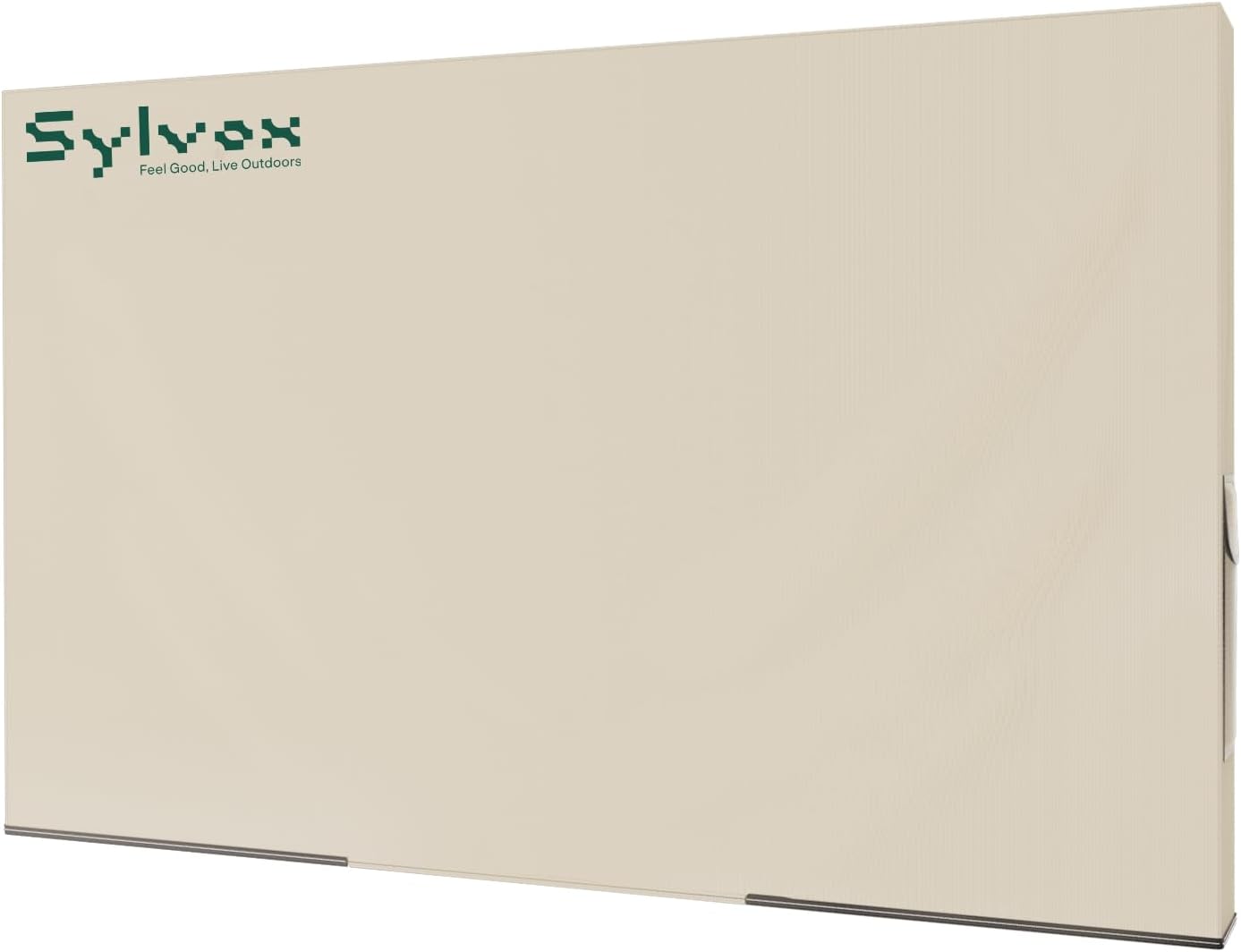
Different Types of Budget Patio TVs
Common Buying Mistakes to Avoid
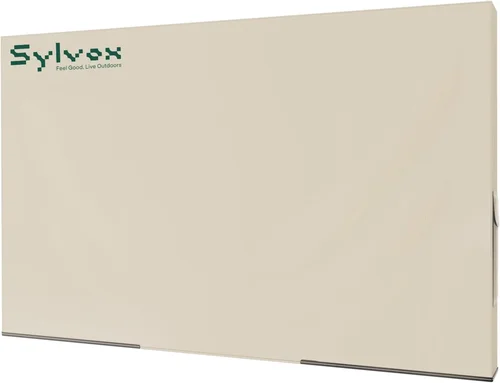
❌ Mistake: Buying a Standard Indoor TV for Outdoor Use
Why it’s bad: Indoor TVs lack weatherproofing, UV protection, and thermal management. Exposure to moisture causes internal corrosion, while sunlight fades colors and damages panels. Most indoor models also have low brightness, making them unusable in daylight.
What to do instead: Invest in a TV specifically designed for outdoor use—even a budget model with an IP55 rating will outperform any indoor TV in pool conditions. If you must use an indoor TV, pair it with a certified weatherproof enclosure and ensure it’s never exposed to direct rain or sun.
❌ Mistake: Ignoring Mounting Requirements
Why it’s bad: Outdoor TVs require specialized mounts rated for wind load, corrosion resistance, and secure anchoring. Using indoor mounts can lead to sagging, vibration damage, or even the TV falling—posing safety risks.
What to do instead: Purchase a mount explicitly labeled for outdoor use. Look for stainless steel hardware, tilt/swivel capabilities, and compatibility with your TV’s VESA pattern. For pool areas, consider a ceiling mount or wall arm that keeps the screen elevated and visible from multiple angles.
❌ Mistake: Overlooking Audio Needs
Why it’s bad: Relying solely on built-in speakers results in tinny, quiet audio that gets lost in ambient noise. You’ll end up buying external speakers anyway, doubling your initial cost.
What to do instead: Budget for a weatherproof soundbar or wireless speaker system from day one. Many outdoor TVs support Bluetooth or optical audio out, allowing easy integration. Choose speakers with IPX5 or higher ratings and place them strategically around the seating area.
❌ Mistake: Choosing Based on Price Alone
Why it’s bad: The cheapest TV may lack essential features like adequate brightness, smart capabilities, or proper sealing. You’ll either replace it within a year or suffer poor performance.
What to do instead: Focus on value, not just cost. A $900 TV with 1000 nits brightness, IP55 rating, and 3-year warranty offers better long-term value than a $600 model that fails after one season. Use our budget tiers below to find your sweet spot.
❌ Mistake: Skipping the Warranty Check
Why it’s bad: Outdoor electronics fail more often than indoor ones. Without a solid warranty, repair costs can exceed the TV’s value.
What to do instead: Always verify warranty terms before buying. Ensure it covers outdoor use, includes labor, and offers timely support. Register your product immediately after purchase.
❌ Mistake: Installing in Direct Sunlight Without Shade
Why it’s bad: Even “sunlight-resistant” TVs can overheat or suffer screen burn-in if mounted in full sun all day. UV exposure also degrades casings and seals over time.
What to do instead: Install under a pergola, awning, or deep eave. Use a TV with a high operating temperature range (ideally -22°F to 122°F) and ensure airflow around the unit. Consider a retractable shade for added protection.
Budget Guidelines: How Much Should You Spend?
Setting a realistic budget is crucial—but remember, “budget” doesn’t mean “lowest price.” It means maximizing value within your financial comfort zone. Here’s a breakdown of what to expect at each tier:
Entry-Level ($500–$900): This range includes partially enclosed outdoor TVs or indoor models in basic weatherproof enclosures. Expect 55–65 inch screens, 700–800 nits brightness, IP54/IP55 ratings, and basic smart features. Ideal for covered patios with minimal direct exposure. Brands like Sylvane and Outdoor TV Direct offer solid options here. Lifespan: 3–5 years with proper care.
Mid-Range ($900–$1,800): The sweet spot for most homeowners. These TVs are fully sealed, fanless, and built for real outdoor conditions. Look for 1000+ nits brightness, IP65 ratings, robust smart platforms, and 2–3 year warranties. Models from Samsung Terrace (entry variants), LG, and SunBriteTV’s Veranda series fit here. You’ll get excellent daytime visibility, reliable performance, and room for future upgrades.
Premium ($1,800–$3,000): For enthusiasts who want top-tier durability and performance. These include commercial-inspired designs with extreme temperature tolerance, anti-glare coatings, advanced cooling, and extended warranties (3–5 years). Perfect for open pool decks, coastal homes, or year-round use. SunBriteTV’s Pro series and high-end Samsung Terrace models dominate this space.
Luxury ($3,000+): Reserved for large estates, resorts, or tech-forward buyers. Features include 4K HDR, 1500+ nits brightness, integrated sound systems, and 24/7 operation capability. While overkill for most residential pools, they offer unmatched reliability and image quality.
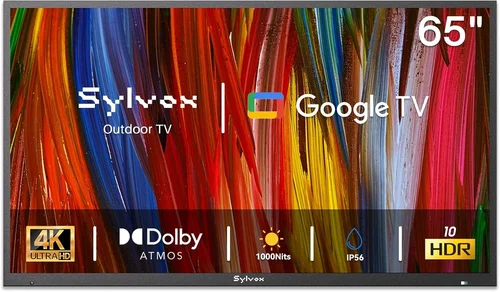
Expert Tips for Getting the Best Deal
- Shop During Off-Seasons: Prices drop significantly in late fall and winter (October–February) when demand for outdoor gear declines. Retailers clear inventory for spring launches. You can save 15–25% on last year’s models.
- Compare Retailers Strategically: Big-box stores (Best Buy, Costco) often price-match, while specialty retailers (Crutchfield, Abt) offer expert advice and bundled deals. Online marketplaces like Amazon may have lower prices but check seller ratings—avoid third-party vendors with no return policy.
- Look for Open-Box or Refurbished Units: Certified refurbished outdoor TVs from manufacturers (e.g., Samsung Renewed) come with full warranties and can cost 20–30% less. These are tested and repaired to like-new condition.
- Bundle with Accessories: Some sellers offer free mounts, HDMI cables, or streaming devices with TV purchases. Calculate the total value—sometimes a slightly higher TV price includes $150+ in extras.
- Check Return Policies: Outdoor TVs are hard to test before installation. Ensure you have at least 30 days to return if the screen has dead pixels, poor brightness, or connectivity issues.
- Test Brightness In Person: If possible, visit a showroom to compare screen visibility under bright lighting. Glare and color washout are hard to judge from specs alone.
- Negotiate Installation: Many retailers offer free or discounted installation with TV purchase—especially during promotions. Ask about package deals.
- Join Loyalty Programs: Stores like Best Buy Totaltech or Costco Executive Membership offer exclusive discounts, extended returns, and free shipping—valuable for large purchases.

Frequently Asked Questions
Q: Can I use a regular TV outside if I cover it?
A: Technically yes, but it’s risky and not recommended for pool areas. Even with a cover, moisture can seep in, and indoor TVs lack thermal regulation for outdoor temps. For occasional use under a roof, it might work—but for daily poolside viewing, invest in a proper outdoor model.
Q: Do outdoor TVs need special power outlets?
A: No, they use standard 120V outlets. However, ensure your circuit can handle the load, especially if you’re adding lights or speakers. Use a GFCI (Ground Fault Circuit Interrupter) outlet for safety near water—required by electrical codes in many areas.
Q: How do I clean an outdoor TV screen?
A: Use a microfiber cloth and distilled water only. Avoid ammonia-based cleaners (like Windex), which can damage anti-glare coatings. For tough spots, lightly dampen the cloth—never spray liquid directly on the screen.
Q: Will an outdoor TV work in winter?
A: Yes, if it’s rated for cold climates. Most outdoor TVs operate from -22°F to 122°F. Avoid turning it on immediately after extreme cold—let it acclimate for 1–2 hours to prevent condensation.
Q: Can I mount an outdoor TV on a post or pole?
A: Absolutely. Use a heavy-duty outdoor pole mount with cross-bracing for stability. Ensure the pole is anchored securely into concrete to resist wind sway.
Q: Do I need a separate streaming device?
A: Not if your TV has built-in smart features. Most modern outdoor TVs include Wi-Fi and apps. However, if you prefer Roku or Apple TV, you can connect one via HDMI—just protect the port with a silicone cover.
Q: How long do budget outdoor TVs last?
A: With proper installation and maintenance, expect 5–7 years from a mid-range model. Entry-level units may last 3–5 years. Factors like sun exposure, salt air, and usage frequency affect longevity.
Q: Are outdoor TVs worth the extra cost?
A: If you use your pool area regularly for entertainment, absolutely. The convenience, durability, and viewing experience far outweigh the upfront cost compared to constantly replacing damaged indoor TVs.
Q: Can I leave my outdoor TV on all day?
A: Yes, but it’s not necessary. Most models are designed for continuous operation, but turning it off when not in use extends panel life and saves energy. Use a smart plug with a timer for automation.
Our Final Recommendations
Best for Budget-Conscious Buyers: Sylvane 55″ Outdoor LED TV (Model SO55UHD) – At under $800, this IP55-rated TV delivers 800 nits brightness, Android TV, and solid build quality. Ideal for covered patios with occasional sun exposure.
Best Overall Value: Samsung The Terrace Partial Sun 55″ – Priced around $1,400, it offers 1000 nits, IP55 rating, Tizen OS, and excellent color accuracy. A proven performer in real-world pool settings.
Best Premium Option: SunBriteTV Veranda Series 65″ – Around $2,200, this fully sealed, fanless TV boasts 1200 nits, IP65 rating, and a 3-year warranty. Built to last decades in harsh conditions.
Best for Beginners: Outdoor TV Direct 50″ All-Weather Smart TV – Simple setup, intuitive interface, and reliable performance under $900. Great for first-time outdoor TV owners.
Best for Advanced Users: LG 65″ OLED Outdoor TV (Prototype/2026 Release) – Expected in early 2026, this model promises 1500 nits, perfect blacks, and IP66 rating. For tech enthusiasts willing to invest in cutting-edge outdoor viewing.
Conclusion: Making the Right Choice
Choosing the right budget patio TV for your pool area is about more than just finding a screen that survives the weather—it’s about enhancing your outdoor lifestyle with reliable, enjoyable entertainment. Throughout this guide, we’ve emphasized that value comes from balancing price with essential features: weather resistance, brightness, smart functionality, and durable construction. Avoid the temptation to cut corners on protection or performance; a slightly higher upfront cost often translates to years of trouble-free enjoyment.
Remember, your pool area is an extension of your home—a place for relaxation, connection, and celebration. The right TV becomes the centerpiece of that experience, whether you’re streaming a movie under the stars or catching live sports with friends. Use the factors, comparisons, and tips outlined here to narrow your options, set a realistic budget, and avoid common pitfalls. And when in doubt, prioritize models with strong warranties and proven outdoor ratings.
Ultimately, the best patio TV is the one that fits your space, meets your needs, and delivers consistent performance season after season. Don’t rush the decision—take time to research, compare, and perhaps even visit a showroom. Your future self will thank you every time you press play by the pool. Now go enjoy that backyard oasis—you’ve earned it.

