Installing an outdoor TV in a coastal environment requires special planning to protect against salt, humidity, and strong winds. This guide walks you through choosing the right equipment, mounting securely, and maintaining your setup for long-term enjoyment.
Key Takeaways
- Choose a marine-grade or fully weatherproof outdoor TV: Standard TVs will fail quickly in salty, humid air—opt for models rated for outdoor use with corrosion-resistant materials.
- Use stainless steel or powder-coated mounting hardware: Regular metal parts rust fast near the ocean; always select hardware designed for marine or coastal environments.
- Install in a sheltered location: Position your TV under an eave, pergola, or awning to reduce direct exposure to rain, salt spray, and UV rays.
- Seal all connections and use weatherproof enclosures: Protect power cords, HDMI cables, and signal boosters with waterproof junction boxes and conduit.
- Schedule regular maintenance checks: Clean salt buildup monthly and inspect seals, mounts, and cables to prevent long-term damage.
- Consider a retractable or motorized mount: These allow you to stow the TV during storms or off-seasons, extending its lifespan.
- Work with a licensed electrician for outdoor wiring: Coastal areas often have strict electrical codes—professional installation ensures safety and compliance.
How to Install Outside TV for Coastal Homes
If you live by the coast, you know how beautiful—and harsh—the environment can be. Salt air, high humidity, strong winds, and intense sun can wreak havoc on electronics not built to withstand them. Yet, nothing beats enjoying your favorite show or game while listening to the waves crash nearby. That’s why installing an outdoor TV in a coastal home is such a rewarding project—when done right.
This comprehensive guide will walk you through every step of installing an outdoor TV specifically for coastal homes. You’ll learn how to choose the right TV, pick durable mounting hardware, protect wiring from corrosion, and maintain your setup so it lasts for years. Whether you’re setting up a TV on your patio, deck, or screened porch, these tips will help you enjoy outdoor entertainment without constant repairs or replacements.
Let’s dive in.
Why Coastal Homes Need Special Considerations
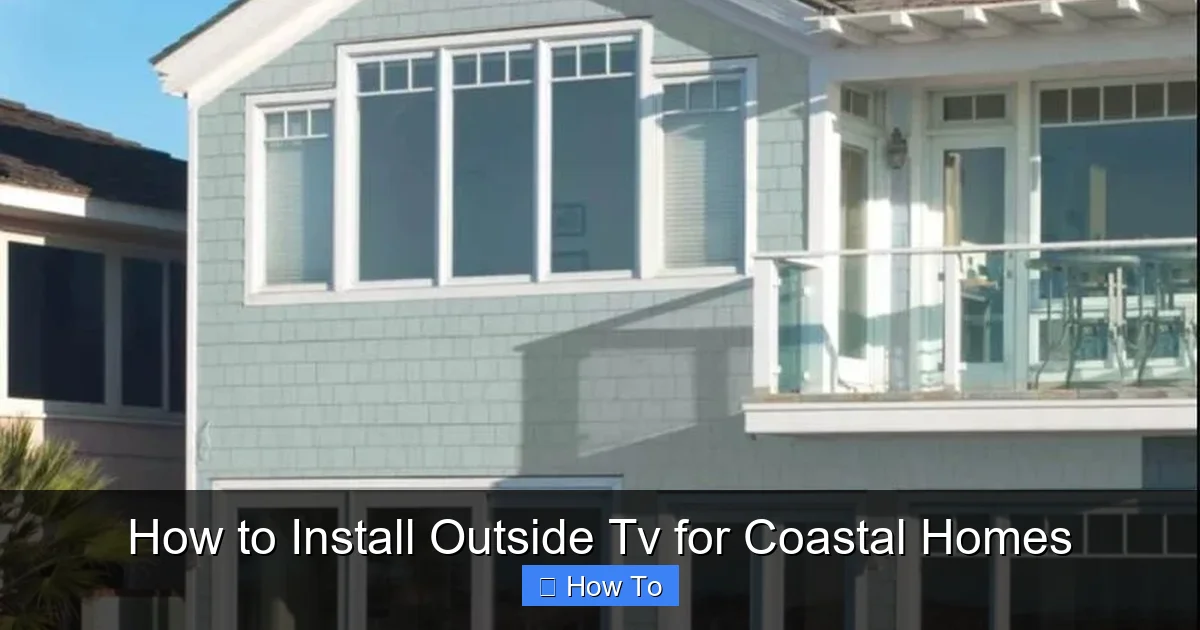
Visual guide about How to Install Outside Tv for Coastal Homes
Image source: casuallycoastal.com
Coastal environments are among the toughest places to install electronics. The combination of salt, moisture, and UV exposure accelerates wear and tear. Standard indoor TVs and outdoor gear not rated for marine conditions will corrode, fog up, or short-circuit within months.
Salt air is especially damaging. It clings to surfaces, seeps into seams, and eats away at metal and plastic. Even if your TV is labeled “weather-resistant,” that doesn’t mean it’s built for constant salt exposure. Humidity causes condensation inside electronics, leading to mold and electrical failure. And strong coastal winds can loosen mounts or blow debris into sensitive components.
That’s why you need a system designed from the ground up for coastal living. The good news? With the right planning and materials, your outdoor TV can thrive—even in tough conditions.
Step 1: Choose the Right Outdoor TV
Not all outdoor TVs are created equal. For coastal homes, you need a model specifically engineered to resist salt, moisture, and temperature swings.
Look for Marine-Grade or All-Weather Ratings
Start by choosing a TV with an IP (Ingress Protection) rating of at least IP55 or higher. IP55 means the TV is protected against dust and low-pressure water jets from any direction. For coastal use, aim for IP65 or IP66—these offer better protection against salt spray and heavy rain.
Brands like SunBrite, Samsung Terrace, and LG Outdoor are known for rugged outdoor models. SunBrite, in particular, offers TVs with anti-reflective screens and built-in cooling systems that prevent overheating in direct sun.
Check for Corrosion-Resistant Materials
Avoid TVs with aluminum or untreated steel casings. Instead, look for models with powder-coated aluminum or stainless steel exteriors. These materials resist rust and salt damage far better than standard finishes.
Also, ensure the internal components are sealed. Some outdoor TVs have conformal coating on circuit boards—a protective layer that prevents corrosion from moisture and salt.
Consider Screen Brightness and Viewing Angle
Coastal areas often have bright sunlight, even on cloudy days. Choose a TV with a brightness of at least 700 nits—preferably 1000 nits or more. This ensures the screen remains visible in daylight.
Wide viewing angles (178 degrees) are also important if you’re placing the TV where people will watch from different positions, like around a pool or patio.
Decide Between Partial and Full Shade
Outdoor TVs are categorized by their ideal installation environment:
– Partial shade models: Best under covered areas like pergolas, awnings, or eaves. They’re less expensive but still offer good weather protection.
– Full sun models: Built for direct sunlight with enhanced cooling and brighter screens. More expensive but ideal for open decks.
For most coastal homes, a partial shade model under a covered area is sufficient and more cost-effective.
Step 2: Select the Right Mounting Location
Where you install your TV is just as important as the TV itself. A poor location can shorten its lifespan—even with the best equipment.
Prioritize Sheltered Areas
Avoid mounting your TV in direct exposure to ocean spray or open wind. Instead, choose a spot under an eave, covered patio, or screened-in porch. These areas reduce direct contact with rain, salt, and UV rays.
If you don’t have a covered space, consider installing a retractable awning or pergola with shade sails. These add protection and enhance your outdoor living area.
Check Wind Exposure
Coastal winds can be strong and unpredictable. Avoid placing your TV on a high, exposed wall where it could catch gusts. Instead, mount it lower and closer to the house structure for added stability.
Use a wind speed app or consult local weather data to understand typical wind patterns in your area. If you live in a hurricane-prone zone, consider a motorized mount that retracts the TV indoors during storms.
Ensure Proper Ventilation
Outdoor TVs generate heat, especially in sunny conditions. Don’t mount your TV in a tightly enclosed space with no airflow. Leave at least 4–6 inches of clearance on all sides to allow heat to dissipate.
Avoid placing it directly above grills, fire pits, or other heat sources. Excess heat can damage internal components over time.
Consider Viewing Height and Angle
Mount the TV at a comfortable viewing height—typically 42 to 60 inches from the ground to the center of the screen. Tilt the mount slightly downward if viewers will be seated.
Use a laser level and measuring tape to mark the exact spot before drilling. Double-check the angle with a smartphone level app.
Step 3: Choose the Right Mount and Hardware
The mount is your TV’s first line of defense against wind, vibration, and corrosion.
Use a Heavy-Duty Outdoor Mount
Standard indoor mounts won’t cut it. Choose a mount rated for outdoor use with a weight capacity at least 1.5 times your TV’s weight. This provides a safety buffer in high winds.
Look for mounts with reinforced brackets and anti-tilt features. Full-motion mounts (that swivel and tilt) are great for flexibility but require stronger support.
Select Marine-Grade Hardware
This is critical for coastal homes. Use only stainless steel (grade 316) or powder-coated aluminum hardware. Avoid galvanized steel—it rusts quickly in salt air.
All screws, bolts, anchors, and washers should be corrosion-resistant. Don’t mix metals (like stainless steel bolts with aluminum brackets), as this can cause galvanic corrosion.
Secure to a Stud or Reinforced Wall
Never mount your TV to drywall or siding alone. Locate wall studs using a stud finder, or use heavy-duty concrete anchors if mounting to brick or stucco.
For extra security in high-wind areas, consider installing a backing plate behind the wall. This distributes the load and prevents the mount from pulling out.
Use a Vibration Dampening Pad
Coastal winds can cause vibrations that loosen mounts over time. Place a rubber or silicone dampening pad between the mount and the wall to absorb movement.
Step 4: Protect Wiring and Connections
Exposed cables are a major weak point in outdoor setups. Salt and moisture can corrode connections, leading to signal loss or electrical hazards.
Run Cables Through Conduit
Use UV-resistant, waterproof electrical conduit (like PVC or flexible metal conduit) to protect power and HDMI cables. Run the conduit from the TV to your indoor outlet or junction box.
Bury the conduit underground if running across a yard, or secure it to the wall with stainless steel clamps. Avoid sharp bends that could damage cables.
Use Weatherproof Junction Boxes
All outdoor electrical connections should be made inside a waterproof junction box rated for outdoor use. Seal all entry points with silicone caulk or rubber grommets.
For HDMI and audio cables, use outdoor-rated, shielded cables with gold-plated connectors. These resist corrosion and maintain signal quality.
Install a GFCI Outlet
Outdoor outlets must be protected by a Ground Fault Circuit Interrupter (GFCI). This shuts off power if it detects a leak, preventing shocks in wet conditions.
Have a licensed electrician install the outlet and ensure it’s up to local code. In coastal areas, electrical inspections are often required for outdoor wiring.
Use a Surge Protector
Lightning and power surges are common near the coast. Plug your TV and accessories into a heavy-duty outdoor surge protector with a high joule rating (at least 2000 joules).
Step 5: Install the TV and Mount
Now it’s time to put everything together. Take your time—rushing can lead to mistakes.
Assemble the Mount First
Follow the manufacturer’s instructions to assemble the mount. Attach the wall plate to the wall using the correct anchors and hardware. Use a level to ensure it’s perfectly straight.
Attach the TV Brackets
Secure the mounting brackets to the back of your TV using the provided screws. Make sure they’re tight but don’t over-tighten, as this can crack the casing.
Hang the TV
With a helper, lift the TV and hook it onto the wall plate. Double-check that it’s secure and level. Test the motion (if using a swivel mount) to ensure smooth operation.
Connect Cables
Thread power, HDMI, and antenna cables through the conduit and into the TV. Connect them securely and tuck excess cable into the mount’s cable management system.
Seal All Openings
Use silicone sealant around the mount edges and cable entry points to prevent water and salt from seeping behind the TV.
Step 6: Test and Optimize
Before you relax with a movie, make sure everything works.
Power On and Check Signal
Turn on the TV and verify the picture and sound. Test all inputs (HDMI, USB, antenna) to ensure connections are solid.
Adjust Picture Settings
Outdoor lighting changes throughout the day. Use the TV’s ambient light sensor (if available) or manually adjust brightness and contrast for daytime and nighttime viewing.
Set Up Streaming or Antenna
If using a streaming device (like Roku or Apple TV), connect it via HDMI and ensure it has a strong Wi-Fi signal. For over-the-air TV, use an outdoor antenna mounted high and away from metal structures.
Install a Remote Extender (Optional)
If your remote doesn’t reach from your seating area, use an IR extender or Bluetooth remote to control the TV from a distance.
Step 7: Maintain Your Outdoor TV
Regular maintenance is key to longevity in coastal climates.
Clean Monthly
Wipe down the screen and casing with a soft, damp cloth and mild soap. Avoid harsh chemicals or abrasive sponges. Rinse with fresh water to remove salt residue.
Inspect Seals and Mounts
Every 3–6 months, check for cracks in seals, loose screws, or signs of rust. Tighten hardware and reapply sealant if needed.
Check Cables and Connections
Look for frayed wires, corrosion, or loose plugs. Replace damaged cables immediately.
Cover During Storms (If Possible)
If you have a retractable mount or cover, use it during hurricanes or heavy storms. Even weatherproof TVs can suffer in extreme conditions.
Troubleshooting Common Issues
TV Won’t Turn On
Check the GFCI outlet—it may have tripped. Reset it and test again. If the problem persists, inspect the power cable and surge protector.
Fuzzy or No Picture
Loose HDMI cables are a common cause. Reconnect all cables and ensure they’re fully seated. Test with a different cable if possible.
Screen Glare in Sunlight
Adjust the TV angle or install a sunshade. Some outdoor TVs have anti-glare screens—make sure yours is enabled in settings.
Rust on Mount or Hardware
Replace rusted parts immediately with marine-grade equivalents. Clean the area and apply anti-corrosion spray.
Wi-Fi Signal Weak
Use a Wi-Fi extender or mesh network to boost signal to your outdoor area. Position the extender between your router and the TV.
Final Thoughts
Installing an outdoor TV in a coastal home is a smart way to enhance your outdoor living space—but it requires careful planning and the right materials. By choosing a weatherproof TV, using corrosion-resistant hardware, and protecting your wiring, you can enjoy years of entertainment by the sea.
Remember: skimping on quality now can lead to costly repairs later. Invest in marine-grade components, follow local codes, and maintain your system regularly. With these steps, your outdoor TV will stand up to salt, sun, and storms—so you can focus on what matters most: relaxing with a great view.