Installing an outdoor TV in a rainy climate requires careful planning and the right equipment. This guide walks you through choosing weatherproof TVs, secure mounting, and proper cable management to ensure long-lasting performance.
Key Takeaways
- Choose a certified outdoor TV: Look for models with IP55 or higher ratings designed specifically for outdoor use in wet conditions.
- Use weatherproof enclosures if needed: If using an indoor TV, invest in a high-quality outdoor TV enclosure with proper ventilation and drainage.
- Mount securely under cover: Install your TV under a roof, awning, or pergola to minimize direct exposure to rain and UV rays.
- Protect all connections and cables: Use waterproof conduit, connectors, and surge protectors to prevent moisture damage.
- Ensure proper ventilation: Avoid sealing the TV in an airtight space to prevent overheating and condensation buildup.
- Schedule regular maintenance: Inspect seals, mounts, and cables every few months to catch wear early.
- Consider professional installation: For complex setups or hard-to-reach locations, hire a certified technician familiar with outdoor AV systems.
How to Install Outdoor TV for Rainy Climates
So you’ve decided to bring the living room experience outside—great choice! Whether you’re watching the big game on your patio, enjoying a movie night by the pool, or catching up on your favorite shows while grilling, an outdoor TV can transform your backyard into a true entertainment hub. But if you live in a rainy climate—think Pacific Northwest, Southeast U.S., or any region with frequent downpours—installing an outdoor TV isn’t as simple as mounting a regular TV on the wall and calling it a day.
Rain, humidity, and temperature swings can wreak havoc on electronics not built for the elements. That’s why proper installation is critical. In this comprehensive guide, we’ll walk you through every step of installing an outdoor TV in a rainy climate, from choosing the right equipment to securing it safely and protecting it from moisture damage. By the end, you’ll have a weather-resistant setup that lasts for years—even when the skies open up.
Why Rainy Climates Need Special Considerations
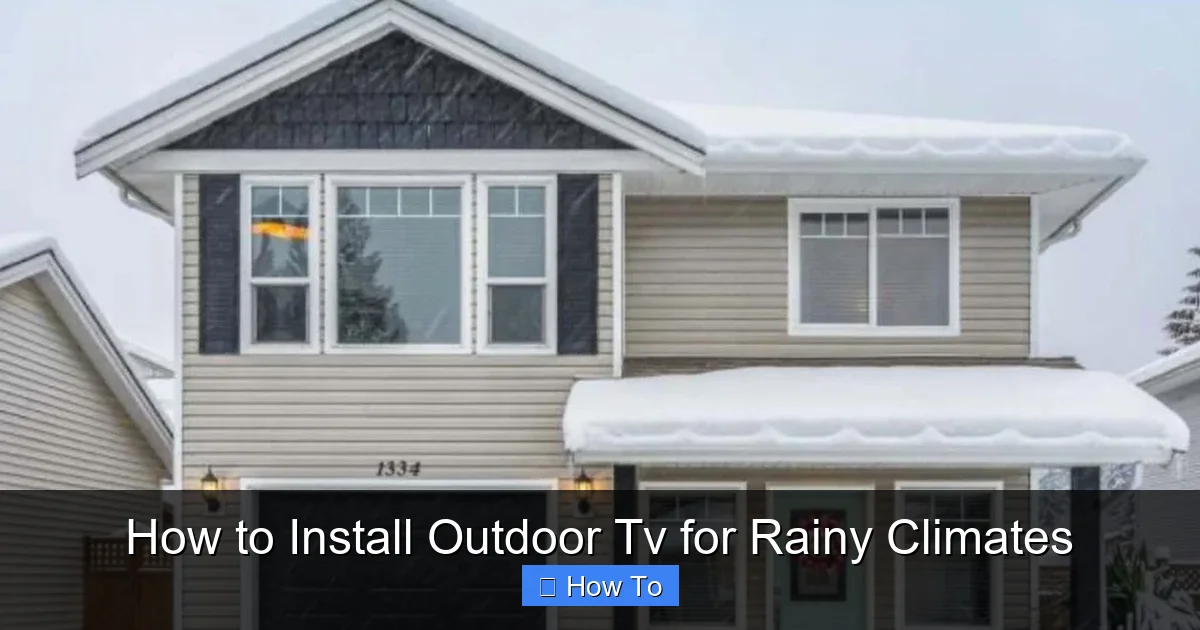
Visual guide about How to Install Outdoor Tv for Rainy Climates
Image source: phoenixsiding.ca
Before diving into the installation process, it’s important to understand why rainy climates demand extra care. Unlike dry or mild regions, areas with frequent rainfall face unique challenges:
– **Constant moisture exposure:** Even if your TV is under a roof, wind-driven rain can reach it during storms.
– **High humidity:** This can lead to condensation inside enclosures or on screens, potentially damaging internal components.
– **Temperature fluctuations:** Cold, wet weather followed by sunny days can cause expansion and contraction in materials, weakening seals over time.
– **UV damage:** While not directly related to rain, prolonged sun exposure degrades plastics and adhesives, making them more vulnerable when wet.
These factors mean that a standard indoor TV—even if mounted outdoors—will likely fail within months. That’s why using purpose-built outdoor TVs or properly protected indoor models is essential.
Step 1: Choose the Right Outdoor TV
The foundation of a successful outdoor TV installation starts with selecting the correct television. Not all TVs are created equal when it comes to outdoor use.
Option A: Buy a Certified Outdoor TV
Outdoor TVs are specifically engineered to withstand the elements. Look for models labeled as “all-weather,” “outdoor-rated,” or “weatherproof.” These TVs typically feature:
– **IP (Ingress Protection) ratings:** Aim for at least IP55, which means protection against dust and low-pressure water jets from any direction. Higher ratings like IP65 or IP66 offer even better resistance.
– **Sealed components:** Internal circuitry is protected from moisture and corrosion.
– **UV-resistant casings:** Prevent yellowing and cracking from sun exposure.
– **Wide operating temperature range:** Many outdoor TVs function reliably from -30°F to 120°F (-34°C to 49°C).
Popular brands include SunBriteTV, Samsung Terrace, and Seura. While these models come at a premium (often $1,500–$4,000+), they’re built to last and require minimal additional protection.
Option B: Use an Indoor TV with a Weatherproof Enclosure
If budget is a concern, you can use a high-quality indoor TV inside a certified outdoor enclosure. This approach works well but requires careful selection.
Choose an enclosure that:
– Is rated for your climate (look for NEMA 3R or 4X ratings).
– Has built-in ventilation with moisture filters.
– Includes drainage holes to prevent water pooling.
– Offers anti-reflective, tempered glass for the screen window.
Brands like Peerless, Outdoor Digital Enclosures, and VIVO offer reliable options. Just remember: the enclosure must be properly installed and maintained to be effective.
Pro Tip: Avoid “Outdoor-Ready” Claims Without Certification
Some manufacturers market TVs as “suitable for outdoor use” but lack proper certifications. Always check for IP or NEMA ratings. If they’re not listed, assume the TV isn’t truly weatherproof.
Step 2: Pick the Perfect Location
Where you install your TV matters just as much as what you install. In rainy climates, location can mean the difference between a TV that lasts five years and one that fails in five months.
Prioritize Covered Areas
Install your TV under a solid roof, covered patio, pergola with a roof, or gazebo. Avoid open decks or areas fully exposed to the sky. Even a small overhang can significantly reduce direct rain exposure.
Consider Wind Direction
Observe how rain blows during storms. If wind typically drives rain sideways into your patio, angle the TV or choose a spot further back under cover.
Ensure Clear Viewing Angles
Your TV should be visible from your primary seating area without glare from the sun or reflections from wet surfaces. Mount it at eye level when seated—typically 42 to 60 inches from the ground.
Avoid Heat Traps
Don’t install your TV directly above grills, fire pits, or in enclosed cabinets without ventilation. Heat buildup can damage both the TV and its protective housing.
Step 3: Select the Right Mounting Hardware
A sturdy mount is non-negotiable—especially in windy, wet conditions. A failing mount can lead to a shattered TV and potential injury.
Use an Outdoor-Rated Mount
Standard indoor mounts aren’t built for outdoor stress. Choose a mount labeled for outdoor use, preferably made from powder-coated aluminum or stainless steel to resist rust.
Look for features like:
– Tilt and swivel adjustability (for optimal viewing)
– Locking mechanisms to prevent tampering or accidental movement
– Compatibility with your TV’s VESA pattern
Secure to Structural Supports
Never mount directly to siding, stucco, or thin wood panels. Instead, anchor into wall studs, concrete, or masonry using appropriate fasteners:
– For wood studs: Use lag bolts (at least 3/16” diameter).
– For concrete/brick: Use wedge anchors or sleeve anchors.
– For metal studs: Use toggle bolts or specialized metal stud anchors.
If you’re unsure about your wall’s structure, consult a contractor.
Allow for Expansion and Contraction
Materials expand and contract with temperature changes. Leave a small gap (about 1/8 inch) between the mount and wall to prevent stress on screws and brackets.
Step 4: Protect Cables and Connections
Water doesn’t just damage the TV—it can ruin cables, splitters, and power sources too. Proper cable management is one of the most overlooked aspects of outdoor TV installation.
Use Waterproof Conduit
Run all cables (HDMI, power, antenna, etc.) through waterproof electrical conduit. PVC or flexible liquid-tight conduit works well. Seal entry and exit points with silicone or rubber grommets.
Install Weatherproof Junction Boxes
If you need to splice wires or connect devices outdoors, use a NEMA-rated junction box. These boxes keep connections dry and protected.
Use Outdoor-Rated Cables
Standard indoor cables degrade quickly in sunlight and moisture. Invest in UV-resistant, outdoor-rated HDMI and power cables. Look for labels like “direct burial” or “outdoor use.”
Elevate Power Sources
Keep power strips, surge protectors, and routers off the ground. Mount them inside a weatherproof enclosure or elevated shelf to avoid puddles.
Ground Fault Circuit Interrupter (GFCI) Outlets
Always plug your outdoor TV into a GFCI outlet. These outlets detect electrical faults and shut off power instantly, reducing the risk of shock—especially important in wet environments.
Step 5: Install the TV and Enclosure (If Applicable)
Now it’s time to put everything together. Take your time—rushing can lead to mistakes.
Mount the Bracket First
Attach the wall plate of the mount to the wall using a level to ensure it’s straight. Double-check that all bolts are tight and secure.
Install the Enclosure (If Using)
If you’re using an outdoor enclosure:
– Place the TV inside according to the manufacturer’s instructions.
– Ensure the screen aligns properly with the viewing window.
– Secure the front panel tightly to prevent water ingress.
– Connect all cables before sealing the enclosure.
Attach the TV to the Mount
Lift the TV (or enclosed TV) and hook it onto the wall plate. Lock it in place using the provided security screws or pins.
Test Before Finalizing
Turn on the TV and test all inputs (HDMI, antenna, streaming devices). Make sure the picture and sound work correctly. Adjust the tilt or swivel if needed.
Step 6: Seal and Weatherproof All Entry Points
Even small gaps can let in moisture over time. Seal every potential entry point.
Apply Silicone Sealant
Use clear, waterproof silicone around the edges of the mount, conduit entries, and any gaps between the enclosure and wall. Avoid blocking ventilation holes.
Use Cable Glands
For cables passing through walls or enclosures, use rubber cable glands. These compress around the cable to create a watertight seal.
Check for Drainage
Ensure enclosures and conduits have slight downward slopes so water doesn’t pool. Some enclosures include built-in drain holes—make sure they’re unobstructed.
Step 7: Set Up Power and Connectivity Safely
Power and internet are essential for modern TVs, but they’re also vulnerable to weather damage.
Use a Surge Protector
Outdoor electronics are prone to power surges from lightning or grid fluctuations. Plug your TV and accessories into a high-quality outdoor surge protector.
Wireless vs. Wired Internet
Wi-Fi is convenient, but signal strength can drop outdoors. For better reliability, consider running an Ethernet cable through conduit to a weatherproof router or access point.
Antenna Placement
If using an over-the-air antenna, mount it high and away from obstructions. Use a signal amplifier if needed, and protect the connection with a waterproof coaxial sealant.
Step 8: Perform Regular Maintenance
Even the best installations need upkeep. Schedule routine checks to keep your outdoor TV in top shape.
Monthly Checks
– Wipe down the screen and enclosure with a microfiber cloth.
– Inspect seals and gaskets for cracks or wear.
– Ensure vents aren’t blocked by leaves or debris.
Seasonal Inspections
– Tighten loose bolts or screws.
– Reapply silicone sealant if needed.
– Test all cables and connections.
After Heavy Storms
– Check for water inside enclosures.
– Look for corrosion on metal parts.
– Ensure the TV still powers on correctly.
Troubleshooting Common Issues
Even with careful installation, problems can arise. Here’s how to handle the most common ones.
TV Won’t Turn On After Rain
This could indicate water ingress or a tripped GFCI. Unplug the TV, let it dry completely (24–48 hours), and check the outlet. If the GFCI tripped, reset it. If the TV still doesn’t work, contact the manufacturer.
Foggy Screen or Condensation
Condensation forms when warm, moist air meets a cold surface. Improve ventilation around the TV and avoid enclosing it in tight spaces. Use silica gel packs inside enclosures if recommended by the manufacturer.
Weak or No Signal
Check all cable connections. Moisture can corrode connectors over time. Replace damaged cables and reseal entry points.
Mount Feels Loose
Tighten all bolts and anchors. If the wall material is compromised (e.g., rotting wood), reinforce the mounting area or relocate the TV.
Overheating
Ensure ventilation isn’t blocked. Never cover the TV with tarps or blankets. If using an enclosure, confirm it has adequate airflow.
When to Call a Professional
While many homeowners can handle basic installations, some situations call for expert help:
– Running cables through walls or under decks
– Installing on high or hard-to-reach walls
– Integrating with home automation systems
– Dealing with complex wiring or electrical work
Certified AV installers have the tools and experience to ensure a safe, code-compliant setup. They can also provide warranties on their work.
Final Thoughts
Installing an outdoor TV in a rainy climate isn’t just about mounting a screen—it’s about creating a durable, safe, and enjoyable entertainment space that stands up to the elements. By choosing the right TV, mounting it securely under cover, protecting all cables, and performing regular maintenance, you’ll enjoy crystal-clear viewing no matter the weather.
Remember: cutting corners might save money upfront, but it often leads to costly repairs or replacements down the line. Invest in quality gear, follow best practices, and don’t hesitate to seek professional help when needed.
With the right setup, your outdoor TV will be the centerpiece of backyard gatherings, summer nights, and rainy-day relaxation for years to come.