Installing an outdoor TV in a rental home requires careful planning, permission, and the right tools. This guide walks you through every step—from choosing the right TV to securing it without damaging property—so you can enjoy outdoor entertainment worry-free.
Key Takeaways
- Get landlord approval first: Always obtain written permission before making any modifications to a rental property.
- Choose a weatherproof TV: Standard indoor TVs aren’t built for outdoor conditions—opt for an outdoor-rated model or use a weatherproof enclosure.
- Use non-permanent mounting solutions: Select mounts and brackets that don’t require drilling or leave permanent marks, such as freestanding or clamp-on systems.
- Protect cables and wiring: Use conduit, cable covers, or wireless options to keep cords safe from weather and tripping hazards.
- Ensure power safety: Plug into GFCI outlets and use surge protectors to prevent electrical hazards outdoors.
- Test and adjust for optimal viewing: Position the TV to avoid glare and ensure a comfortable viewing angle from seating areas.
- Plan for removal: Keep all original packaging and hardware so you can uninstall the setup cleanly when moving out.
Introduction: Enjoying Outdoor Entertainment in a Rental Home
Imagine relaxing on your patio, watching the big game or your favorite movie under the stars—no need to stay indoors when you can bring the entertainment outside. For renters, installing an outdoor television might seem tricky due to lease restrictions and concerns about property damage. But with the right approach, it’s entirely possible to enjoy outdoor TV without breaking the rules or your security deposit.
This comprehensive guide will walk you through how to install outdoor television for rental homes safely, legally, and effectively. Whether you’re a tenant looking to enhance your living space or a landlord considering offering this amenity, you’ll learn everything from getting permission to choosing the right equipment and mounting it without causing permanent damage. By the end, you’ll have a clear, step-by-step plan to set up a weather-resistant, secure, and enjoyable outdoor viewing experience.
Step 1: Get Landlord Permission
Before you buy a single cable or mount, the most important step is obtaining written permission from your landlord. Even if you plan to use non-permanent solutions, most leases require approval for any installation—especially those involving electrical components or outdoor structures.
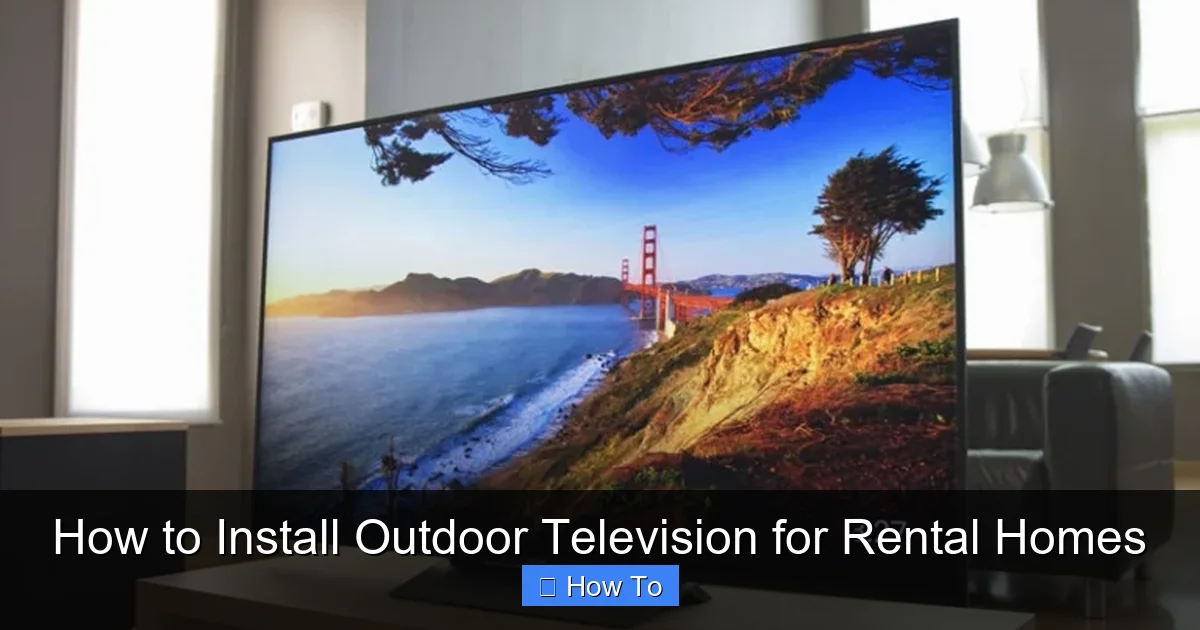
Visual guide about How to Install Outdoor Television for Rental Homes
Image source: sandstv.co.uk
How to Ask Your Landlord
Start by drafting a polite, professional email or letter. Explain your intention to install an outdoor TV, emphasize that it will be done safely and without damage, and offer to provide photos or a plan. Mention that you’ll use removable mounts and follow all safety guidelines. Offering to cover any potential repair costs (even if unlikely) can also help ease concerns.
What to Include in Your Request
- The type of TV and mounting system you plan to use
- Where you intend to install it (e.g., covered patio, balcony)
- How you’ll protect the property (no drilling, weatherproofing, etc.)
- A promise to remove everything and restore the area when you move out
Example: “I’d like to install a weatherproof outdoor TV on my covered patio using a freestanding mount. No drilling or permanent changes will be made. I’ll ensure all wiring is safe and hidden, and I’m happy to provide photos once installed.”
Alternative: Offer a Trial Period
If your landlord is hesitant, suggest a 30-day trial. This shows you’re willing to test the setup and remove it if issues arise. It also gives them peace of mind that they can reclaim the space if needed.
Step 2: Choose the Right Outdoor Television
Not all TVs are created equal—especially when it comes to outdoor use. Indoor TVs aren’t designed to handle temperature swings, humidity, dust, or direct sunlight. Using one outside can lead to overheating, screen damage, or even electrical failure.
Option 1: Outdoor-Rated TVs
These are specifically built for outdoor environments. They feature:
- Weatherproof casings (IP54 or higher rating)
- Bright screens (2,000+ nits) to combat glare
- Temperature-controlled internal cooling and heating
- UV-resistant materials
Popular brands include Samsung Terrace, SunBriteTV, and Seura. While more expensive (typically $1,500–$4,000), they offer the best performance and longevity.
Option 2: Indoor TV with a Weatherproof Enclosure
If budget is a concern, you can use a standard indoor TV inside a protective outdoor enclosure. These sealed cases shield the TV from rain, dust, and temperature extremes. Look for models with built-in ventilation fans and anti-glare glass.
Brands like Peerless-AV and WeatherShield offer enclosures compatible with most 32” to 75” TVs. This option is more affordable (enclosure: $300–$800 + TV cost), but requires more maintenance and may reduce picture quality due to the glass layer.
Option 3: Portable Outdoor Projector
For a temporary or flexible solution, consider a portable projector with a weather-resistant screen. These are easy to set up and remove, ideal for renters who move frequently. However, they require a dark environment and aren’t ideal for daytime use unless you have a high-lumen model.
Key Features to Look For
- Brightness: At least 2,500 nits for daylight viewing
- Weather rating: IP54 or higher (dust and water resistant)
- Operating temperature range: Should cover your local climate (e.g., -20°F to 120°F)
- Smart capabilities: Built-in Wi-Fi and apps like Netflix, YouTube
- Anti-glare screen: Essential for sunny areas
Step 3: Select a Non-Damaging Mounting System
Since you can’t drill into walls or railings in most rentals, you’ll need a non-permanent mounting solution. The goal is stability, safety, and ease of removal.
Freestanding TV Stands
These are the easiest and safest option. Look for heavy-duty, weighted bases that won’t tip over in wind. Many models include wheels for mobility and cable management channels.
Example: The Kanto Outdoor TV Stand supports up to 100 lbs and has a weather-resistant powder-coated finish. It’s perfect for patios, decks, or balconies.
Clamp-On or Rail Mounts
If you have a sturdy railing or post, a clamp-on mount can secure the TV without drilling. These use strong clamps or straps to attach to existing structures. Ensure the railing is solid and can support the weight.
Tip: Use rubber padding between the clamp and railing to prevent scratches.
Wall-Mounted with Removable Adhesives
For covered areas with smooth surfaces (like concrete or tile), heavy-duty outdoor-rated adhesive strips or hooks can work. Brands like 3M VHB Tape or Command Outdoor Hooks can hold significant weight—but test with a lighter item first.
Warning: Never use adhesives on painted or delicate surfaces. Always check the manufacturer’s weight limits and surface compatibility.
Pole or Post Mounts
If your rental has a deck post or fence, a pole mount can be clamped or strapped in place. These are great for 360-degree viewing and can be adjusted for height and angle.
DIY Weighted Base
For a budget-friendly option, build your own base using a large planter filled with sand or concrete. Attach a mounting plate to the top and secure the TV. This is creative, stable, and doubles as a garden feature.
Step 4: Plan the Location and Viewing Angle
Where you place the TV affects both enjoyment and safety. Consider these factors:
Shelter from the Elements
Even with a weatherproof TV, avoid direct exposure to rain, snow, or intense sun. Choose a covered area like a screened porch, pergola, or under an awning. If no cover exists, consider a retractable canopy or outdoor umbrella.
Glare and Sunlight
Position the TV so the screen isn’t facing direct sunlight. Use a tilt or swivel mount to adjust the angle and reduce reflections. Anti-glare screens or hoods can also help.
Viewing Distance and Height
For a 55” TV, the ideal viewing distance is 7–9 feet. Mount the screen so the center is at or slightly below eye level when seated (about 42–48 inches from the ground).
Seating Arrangement
Arrange outdoor furniture to face the TV directly. Avoid placing seats too close or at sharp angles. Use weather-resistant cushions and consider a small side table for drinks and remotes.
Wind and Stability
In windy areas, ensure your mount is secure. Add sandbags or weights to freestanding bases. Avoid placing the TV near trees or structures that could drop debris.
Step 5: Handle Power and Cables Safely
Outdoor electrical setups require extra caution. Water and electricity don’t mix, so follow these safety steps:
Use a GFCI Outlet
Ground Fault Circuit Interrupter (GFCI) outlets are essential outdoors. They shut off power if they detect a leak, preventing shocks. If your outdoor outlet isn’t GFCI-protected, ask your landlord to install one or use a GFCI power strip.
Protect Power Cables
Never run cords across walkways where they can be tripped over or damaged. Use these solutions:
- Outdoor-rated extension cords: Look for “SJTW” or “SJTOW” ratings
- Cable covers or raceways: Plastic channels that hide and protect wires
- Conduit: PVC or metal tubing buried slightly underground (if allowed)
- Wireless options: Use a streaming device (like Roku or Apple TV) to reduce cable clutter
Surge Protection
Outdoor electronics are vulnerable to power surges from lightning or grid fluctuations. Use a high-quality outdoor surge protector with a joule rating of at least 2,000.
Weatherproof Connections
Use outdoor electrical boxes or waterproof cord covers to seal outlets and connections. Silicone sealant can also help keep moisture out.
Turn Off When Not in Use
Unplug the TV during storms or extended absences to prevent damage.
Step 6: Connect and Set Up Your TV
Once mounted and powered, it’s time to connect your devices and optimize the experience.
Streaming Devices
Most outdoor TVs come with smart features, but adding a streaming stick (like Fire Stick or Chromecast) can expand options. Connect via HDMI and hide the device behind the TV or in a weatherproof box.
Audio Solutions
Built-in TV speakers often lack volume outdoors. Consider:
- Outdoor Bluetooth speakers: Weather-resistant models like JBL Charge or Bose SoundLink
- Soundbar with outdoor rating: Some brands offer weatherproof soundbars
- Wireless headphones: For private viewing without disturbing neighbors
Remote Control Access
Keep remotes in a waterproof case or use a universal remote with a longer range. Some apps allow smartphone control, which can be handy.
Initial Setup
- Connect to Wi-Fi
- Log into streaming accounts
- Adjust picture settings for brightness and contrast
- Enable auto-off timers to save energy
Step 7: Test and Fine-Tune
Before declaring success, test everything under real conditions.
Check for Glare
Watch the TV at different times of day. Adjust the angle or add a hood if sunlight washes out the screen.
Test Sound Quality
Play music or a movie with dialogue. Ensure audio is clear and loud enough over outdoor noise.
Verify Stability
Gently shake the mount to ensure it’s secure. In windy conditions, monitor for wobbling.
Inspect Cables
Make sure all cords are protected and not pinched or exposed.
Review Safety
Confirm the outlet is GFCI-protected, surge protector is working, and no tripping hazards exist.
Troubleshooting Common Issues
Even with careful planning, problems can arise. Here’s how to fix them:
TV Overheating
If the TV shuts off or feels hot, it may lack ventilation. Ensure the enclosure or area allows airflow. Avoid direct sun on the back of the unit.
Poor Picture in Sunlight
Increase brightness in settings or reposition the TV. Consider a higher-nit model if glare persists.
Wi-Fi Signal Weak
Outdoor areas often have poor reception. Use a Wi-Fi extender or mesh network. Place the router closer to the outdoor space if possible.
Mount Wobbles
Tighten all bolts and clamps. Add weight to the base or reposition on a more stable surface.
Water Damage
If moisture gets in, unplug immediately and let dry completely. Check seals and use desiccant packs in enclosures.
Remote Not Working
Replace batteries or switch to app control. Ensure nothing is blocking the IR sensor.
Removing the Setup When You Move Out
To protect your security deposit, plan for easy removal.
Keep All Packaging
Store boxes, manuals, and hardware in a safe place. This makes reinstallation or returns easier.
Document the Process
Take “before” and “after” photos. This proves you didn’t damage the property and helps with disputes.
Clean the Area
Wipe down surfaces, remove any adhesive residue with rubbing alcohol, and sweep the area.
Return to Original Condition
If you used clamps or stands, ensure no scratches or marks remain. For adhesives, follow removal instructions carefully.
Notify Your Landlord
Inform them when the TV is removed and offer to schedule a walkthrough.
Conclusion: Enjoy Your Outdoor TV—Responsibly
Installing an outdoor television in a rental home is entirely achievable with the right preparation and respect for your lease agreement. By getting landlord approval, choosing weatherproof equipment, using non-damaging mounts, and prioritizing safety, you can create a fantastic outdoor entertainment space without risking your deposit or violating rules.
Remember, the key is flexibility and responsibility. Whether you’re watching a sunset movie night or hosting a game-day party, your outdoor TV can enhance your rental experience—just make sure it’s done the right way. With this guide, you’re ready to enjoy high-quality outdoor viewing, season after season.