Installing a deck TV in hot climates requires careful planning to protect your equipment from extreme heat, UV rays, and humidity. This guide walks you through choosing the right TV, mounting it securely, managing heat, and ensuring long-term durability.
Key Takeaways
- Choose a weatherproof outdoor TV: Standard indoor TVs can overheat and fail quickly in hot climates. Opt for models rated for outdoor use with built-in cooling and sun-resistant screens.
- Install in a shaded area: Position your deck TV under an awning, pergola, or roof overhang to minimize direct sun exposure and reduce heat buildup.
- Use a high-quality outdoor mount: Select a rust-resistant, UV-protected mount designed for outdoor use to ensure stability and longevity.
- Ensure proper ventilation and cooling: Allow airflow around the TV and consider adding fans or ventilation systems to prevent overheating.
- Protect cables and connections: Use weatherproof conduit and cable covers to shield wiring from heat, moisture, and pests.
- Schedule regular maintenance: Clean the screen, check connections, and inspect for heat damage every few months to keep your setup running smoothly.
- Consider a retractable or motorized mount: These allow you to store the TV indoors when not in use, extending its lifespan in extreme heat.
How to Install Deck TV for Hot Climates
If you love outdoor living, adding a deck TV can transform your space into a true entertainment hub. Whether you’re watching the big game, streaming a movie, or catching up on your favorite shows, an outdoor TV lets you enjoy your content under the open sky. But if you live in a hot climate—think Arizona, Texas, Florida, or Southern California—installing a deck TV isn’t as simple as mounting a screen and plugging it in. High temperatures, intense sunlight, and humidity can damage electronics fast.
In this guide, we’ll walk you through every step of installing a deck TV in hot climates. You’ll learn how to pick the right TV, choose the best location, mount it safely, manage heat, protect your cables, and maintain your setup for years of reliable use. By the end, you’ll have a cool, durable, and stylish outdoor entertainment system that stands up to the heat.
Why Hot Climates Are a Challenge for Outdoor TVs

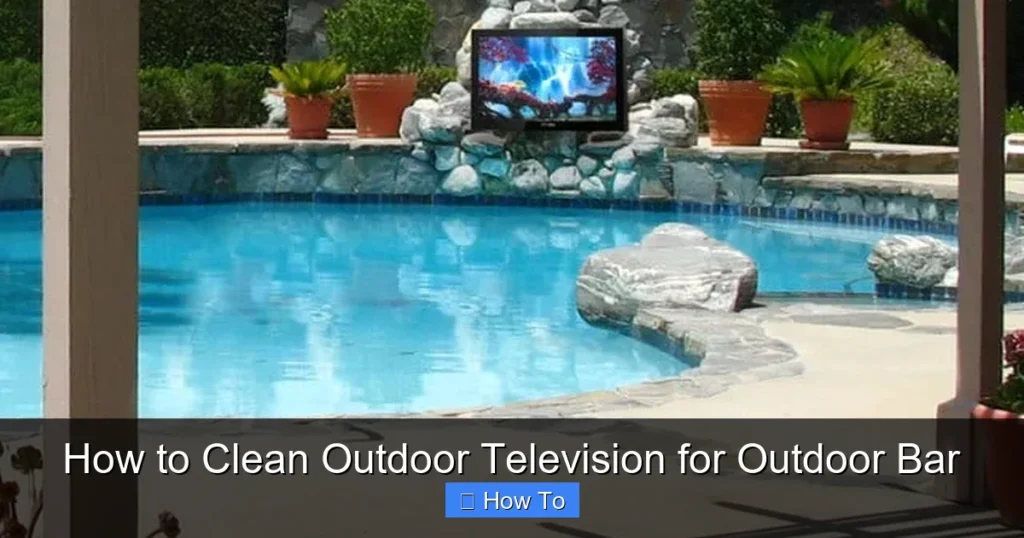
Visual guide about How to Install Deck Tv for Hot Climates
Image source: coolwoodwildlifepark.com
Before we dive into installation, it’s important to understand why hot climates pose unique challenges for outdoor TVs. Most TVs—especially indoor models—are not built to handle extreme heat. Here’s what happens when you expose them to high temperatures:
– Overheating: TVs generate their own heat during operation. In hot climates, ambient temperatures can exceed 100°F (38°C), making it hard for the TV to cool itself. This can cause internal components to fail, shorten the lifespan, or even trigger automatic shutdowns.
– Screen damage: Direct sunlight can cause glare, reduce visibility, and over time, degrade the screen’s brightness and color accuracy. Some screens may even warp or develop hot spots.
– UV exposure: Ultraviolet rays from the sun can fade colors, crack plastic casings, and weaken adhesives and seals.
– Humidity and condensation: Even in dry heat, humidity can spike during summer storms or early mornings. Moisture can seep into electronics, causing corrosion or short circuits.
That’s why a standard indoor TV won’t cut it. You need a solution designed for the outdoors—and specifically for hot weather.
Step 1: Choose the Right Outdoor TV
The foundation of a successful deck TV installation is selecting the right television. Not all outdoor TVs are created equal, especially when it comes to heat resistance.
Look for an Outdoor-Rated TV
Start by choosing a TV specifically designed for outdoor use. These models are built with weatherproof enclosures, enhanced cooling systems, and UV-resistant materials. Look for certifications like IP55 or IP65, which indicate protection against dust and water.
Popular outdoor TV brands include:
– SunBriteTV
– Seura
– Avtex
– Kodak Outdoor TVs
These brands offer models with features like:
– Integrated cooling fans that activate when temperatures rise
– Anti-glare, high-brightness screens (up to 2,000 nits) for clear viewing in sunlight
– Wide operating temperature ranges (often -30°F to 140°F or higher)
Avoid Indoor TVs with Outdoor Enclosures
Some people try to save money by buying an indoor TV and placing it in a weatherproof enclosure. While this can work in mild climates, it’s risky in hot areas. Most enclosures trap heat, which can cause the TV to overheat even faster. If you go this route, choose a ventilated enclosure with active cooling fans and ensure it’s rated for your climate.
Consider Size and Viewing Distance
Deck TVs come in sizes from 32 inches to 85 inches or more. Choose a size based on your viewing distance:
– 32–43 inches: Best for small decks or close viewing (6–8 feet)
– 50–65 inches: Ideal for medium to large decks (8–12 feet)
– 70+ inches: Great for spacious decks or outdoor rooms (12+ feet)
Larger screens are more visible in bright conditions, but they also generate more heat. Balance size with your deck’s layout and heat management plan.
Step 2: Pick the Perfect Location on Your Deck
Where you install your deck TV is just as important as the TV itself. The right location can reduce heat exposure, improve viewing comfort, and protect your investment.
Prioritize Shade
Direct sunlight is the enemy of outdoor electronics. Look for a spot that’s naturally shaded during peak sun hours (10 a.m. to 4 p.m.). Ideal locations include:
– Under a roof overhang
– Beneath a pergola with shade cloth
– Next to a large tree (but avoid branches that could fall)
– On a wall facing north (in the Northern Hemisphere) to minimize sun exposure
If shade isn’t available, consider adding a shade structure. A retractable awning, outdoor umbrella, or shade sail can make a big difference.
Avoid Heat Traps
Some deck areas retain more heat than others. Avoid installing your TV:
– Directly above a grill or fire pit
– On a south- or west-facing wall (in the U.S.) that gets afternoon sun
– Near concrete or stone surfaces that absorb and radiate heat
Ensure Clear Viewing Angles
Mount the TV at a height and angle that allows comfortable viewing from your seating area. A good rule of thumb is to position the center of the screen at eye level when seated—usually about 42 to 48 inches from the ground.
Check for Obstructions
Make sure trees, railings, or furniture won’t block the signal from your remote or streaming devices. Also, ensure there’s enough space for ventilation around the TV.
Step 3: Choose and Install the Right Mount
A sturdy, weatherproof mount is essential for safety and performance. A weak or poorly installed mount can lead to accidents, especially in windy conditions.
Select an Outdoor-Rated Mount
Choose a mount specifically designed for outdoor use. Look for:
– Rust-resistant materials like powder-coated aluminum or stainless steel
– UV protection to prevent fading and cracking
– Weight and size compatibility with your TV
– Tilt and swivel options for optimal viewing angles
Popular outdoor mount brands include:
– Sanus
– Peerless
– Mounting Dream
Consider a Motorized or Retractable Mount
In extremely hot climates, a motorized mount that retracts the TV into a protective cabinet can extend its lifespan. These mounts allow you to store the TV indoors or in a shaded compartment when not in use. While more expensive, they’re ideal for areas with scorching summers.
Install the Mount Securely
Follow these steps to install your mount safely:
Step 1: Locate Studs
Use a stud finder to locate wall studs. Mounting into studs provides the strongest support. If studs aren’t aligned with your desired location, use heavy-duty toggle bolts rated for outdoor use.
Step 2: Mark and Drill
Hold the mount against the wall and mark the screw holes. Drill pilot holes slightly smaller than the screws to ensure a tight fit.
Step 3: Attach the Mount
Secure the mount with stainless steel lag bolts. Tighten firmly, but don’t over-tighten, which can strip the wood.
Step 4: Level the Mount
Use a bubble level to ensure the mount is perfectly horizontal. A tilted TV can cause strain on the mount and affect viewing.
Step 5: Attach the TV
Follow the manufacturer’s instructions to attach the TV to the mount. Most outdoor mounts use a quick-release system for easy removal.
Tip: Use a Wall Plate or Backer Board
If your deck wall is thin or made of composite material, install a plywood backer board between studs. This provides a solid surface for mounting and helps distribute weight.
Step 4: Manage Heat and Ventilation
Heat management is critical for outdoor TVs in hot climates. Even with a weatherproof model, you need to ensure proper airflow and cooling.
Allow Space for Airflow
Leave at least 4–6 inches of space around the TV—especially on the sides and top—to allow heat to escape. Don’t mount the TV flush against the wall or inside a tight enclosure.
Install Cooling Fans (If Needed)
Some outdoor TVs have built-in fans, but if yours doesn’t, consider adding external cooling:
– Mount small, weatherproof fans near the TV to circulate air
– Use a vented enclosure with intake and exhaust fans
– Install a thermostat-controlled fan system that turns on when temperatures rise
Use a Reflective Back Panel
If your TV is mounted on a dark-colored wall, it will absorb more heat. Paint the wall a light color or install a reflective panel (like aluminum composite) behind the TV to deflect sunlight.
Monitor Temperature
Consider installing a small outdoor thermometer near the TV to monitor ambient temperatures. If it regularly exceeds 110°F (43°C), you may need additional cooling measures.
Step 5: Protect Cables and Connections
Exposed cables are vulnerable to heat, moisture, UV rays, and pests. Proper cable management is essential for safety and performance.
Use Weatherproof Conduit
Run all power and signal cables through UV-resistant, waterproof conduit. PVC or metal conduit works well. Seal all entry and exit points with silicone caulk to prevent water intrusion.
Choose Outdoor-Rated Cables
Use cables rated for outdoor use, such as:
– Outdoor HDMI cables with UV protection
– Weatherproof power cords
– Ethernet cables with waterproof jackets (if using wired internet)
Avoid cheap indoor cables—they can degrade quickly in the sun.
Secure and Hide Cables
Use cable clips, raceways, or in-wall conduits to keep cables tidy and protected. If running cables through the wall, drill from the inside and seal the hole with outdoor-grade sealant.
Use a Weatherproof Power Source
Plug your TV and devices into a GFCI (Ground Fault Circuit Interrupter) outlet rated for outdoor use. Install a weatherproof outlet cover that closes when not in use.
Consider a Power Conditioner or UPS
Power surges and fluctuations are common in hot climates due to increased air conditioning use. A surge protector or uninterruptible power supply (UPS) can protect your TV from electrical damage.
Step 6: Connect and Test Your System
Once everything is installed, it’s time to connect your devices and test the system.
Connect Your Devices
Attach your streaming device (like Roku, Apple TV, or Fire Stick), soundbar, or gaming console. Use short, high-quality cables to reduce clutter.
Test the Picture and Sound
Turn on the TV and check for:
– Clear, bright picture in daylight
– Proper sound output
– Stable internet connection (if streaming)
Adjust the TV’s brightness and contrast settings for optimal outdoor viewing.
Set Up Remote Control
Most outdoor TVs come with IR or RF remotes. Test the range and ensure there are no obstructions. If using a smart TV, download the companion app for smartphone control.
Enable Energy-Saving Features
Turn on auto-brightness and sleep timers to reduce power consumption and heat generation when the TV isn’t in use.
Step 7: Maintain Your Deck TV
Regular maintenance keeps your deck TV running smoothly and extends its lifespan.
Clean the Screen Weekly
Use a microfiber cloth and screen-safe cleaner to remove dust, pollen, and fingerprints. Avoid harsh chemicals or paper towels, which can scratch the surface.
Inspect for Heat Damage
Every few months, check for:
– Faded or discolored casing
– Warped components
– Loose connections
– Signs of overheating (burning smell, unusual noises)
Check Mounting Hardware
Tighten any loose bolts or screws. Look for rust or corrosion and replace damaged parts immediately.
Trim Nearby Vegetation
Keep plants and vines away from the TV and cables to prevent damage and pest infestations.
Cover During Extreme Weather
If a heatwave or storm is forecast, consider covering the TV with a breathable, UV-resistant cover or retracting it if you have a motorized mount.
Troubleshooting Common Issues
Even with proper installation, you may encounter problems. Here’s how to fix common issues:
TV Keeps Shutting Off
This is usually a sign of overheating. Check for blocked ventilation, direct sunlight, or a malfunctioning cooling fan. Move the TV to a cooler location or add external fans.
Poor Picture Quality in Sunlight
Increase the TV’s brightness and contrast settings. If the screen is still hard to see, consider adding a shade or upgrading to a higher-nit outdoor TV.
Remote Not Working
Replace the batteries. If that doesn’t work, check for obstructions or interference from other devices. Some outdoor remotes have limited range—stand closer or use the app.
Cables Getting Hot
This could indicate a power overload or damaged cable. Unplug immediately and inspect for fraying or melting. Replace with a higher-gauge outdoor-rated cable.
Moisture Inside the TV
If you see condensation or water droplets, power off the TV and let it dry completely. Check seals and enclosures for damage. You may need to return it under warranty.
Conclusion
Installing a deck TV in a hot climate is totally doable—with the right preparation and equipment. By choosing an outdoor-rated TV, mounting it in a shaded, well-ventilated spot, using weatherproof components, and maintaining it regularly, you can enjoy outdoor entertainment all summer long without worrying about heat damage.
Remember, the key is to treat your deck TV like the outdoor appliance it is. Don’t cut corners on quality, and always prioritize heat management and protection. With these tips, your deck TV will stay cool, clear, and reliable for years to come.
So grab your favorite drink, fire up the grill, and get ready to enjoy your favorite shows under the stars—no matter how hot it gets outside.