Installing a deck TV for coastal homes requires special planning to protect against salt air, humidity, and strong winds. This guide walks you through choosing the right equipment, mounting securely, and maintaining your setup for long-term enjoyment.
Key Takeaways
- Choose a weatherproof outdoor TV: Standard indoor TVs aren’t built for coastal conditions—invest in a certified outdoor model with IP55 or higher rating.
- Use marine-grade mounting hardware: Stainless steel or powder-coated brackets resist rust and corrosion from salt air.
- Seal all connections: Protect power cords, HDMI cables, and signal inputs with waterproof conduit and silicone sealant.
- Elevate and angle the TV properly: Mount at least 7 feet high and tilt slightly downward to avoid glare and improve viewing from seating areas.
- Install a surge protector and GFCI outlet: Coastal storms bring lightning risks—protect your electronics with proper grounding and surge suppression.
- Schedule regular maintenance: Clean the screen and inspect seals every 3–6 months to prevent salt buildup and moisture damage.
- Consider a retractable or cover system: When not in use, shield your deck TV with a weatherproof cover or motorized enclosure.
How to Install Deck TV for Coastal Homes
If you live near the coast, you know how beautiful—and harsh—the environment can be. Salt air, high humidity, strong winds, and sudden rainstorms can wreak havoc on electronics not built for outdoor use. That’s why installing a deck TV for coastal homes isn’t just about mounting a screen outside—it’s about creating a durable, safe, and enjoyable outdoor entertainment space that lasts.
In this comprehensive guide, you’ll learn everything you need to know to install a deck TV that stands up to coastal conditions. From choosing the right TV and mounting hardware to wiring safely and maintaining your setup, we’ll walk you through each step with practical tips and real-world examples. Whether you’re relaxing on your porch in Miami, enjoying sunset views in San Diego, or hosting summer barbecues in Cape Cod, this guide ensures your outdoor TV experience is both stunning and reliable.
By the end, you’ll have a weather-resistant, securely mounted deck TV that delivers crisp picture quality and long-term performance—no matter what the ocean throws your way.
Step 1: Choose the Right Outdoor TV for Coastal Conditions
Visual guide about How to Install Deck Tv for Coastal Homes
Image source: i.ytimg.com
Not all outdoor TVs are created equal—especially when it comes to coastal environments. Standard indoor TVs may look tempting due to lower prices, but they’re not designed to handle salt air, humidity, or temperature swings. Using one outdoors can lead to corrosion, screen fogging, and premature failure.
Look for an All-Weather or Outdoor-Rated TV
When shopping for a deck TV for coastal homes, prioritize models specifically built for outdoor use. These TVs are engineered with sealed components, rust-resistant materials, and enhanced cooling systems. Look for certifications like:
- IP55 or higher rating: This means the TV is protected against dust and low-pressure water jets—ideal for rain and salt spray.
- Operating temperature range: Choose a model that functions in temperatures from 32°F to 104°F (0°C to 40°C) or wider, depending on your local climate.
- Anti-glare and high-brightness display: Coastal areas often have bright sunlight. A TV with 700+ nits brightness and an anti-reflective coating ensures clear viewing even at midday.
Popular brands like SunBriteTV, Samsung Terrace, and LG Outdoor offer excellent options. For example, the SunBriteTV Veranda Series is fully sealed, includes a built-in heater for cold mornings, and comes with a weatherproof remote.
Avoid Indoor TVs—Even with Covers
Some homeowners try to save money by using an indoor TV with a weatherproof cover. While this might work temporarily, it’s risky. Indoor TVs lack proper ventilation when covered, leading to overheating. Plus, moisture can seep in through seams, causing internal damage. In coastal areas, salt particles can infiltrate and corrode circuit boards over time.
Instead, invest in a purpose-built outdoor TV. It’s a smarter long-term choice that protects your investment and ensures reliable performance.
Step 2: Select the Right Mounting Location
Where you mount your deck TV is just as important as the TV itself. The ideal location balances visibility, protection from elements, and ease of access for wiring and maintenance.
Consider Viewing Angles and Distance
Start by mapping out your seating areas. The TV should be visible from primary lounging spots—like your outdoor sofa, dining table, or lounge chairs—without requiring guests to crane their necks or squint.
A good rule of thumb:
- Viewing distance: For a 55-inch TV, sit 7–9 feet away. For a 65-inch, aim for 8–10 feet.
- Eye level height: Mount the screen so the center is at or slightly below eye level when seated—typically 42 to 48 inches from the ground.
On a deck, this often means mounting the TV on a wall, post, or ceiling beam. Avoid placing it directly above a grill or fire pit, where smoke and grease can damage the screen.
Protect from Wind, Rain, and Sun
Coastal decks are exposed to strong winds and frequent rain. Choose a spot that offers some natural shelter—like under a pergola, covered porch, or roof overhang. If no cover exists, consider installing a retractable awning or shade sail to protect the TV during storms.
Also, avoid mounting the TV where it will face direct afternoon sun. Prolonged UV exposure can fade the screen and degrade plastic components. If unavoidable, choose a TV with UV-resistant materials and install a sunshade.
Check for Obstructions and Glare
Walk around your deck at different times of day to spot potential glare sources—like windows, water reflections, or shiny railings. A TV mounted facing a pool or ocean may suffer from intense glare.
To reduce glare:
- Mount the TV at a slight downward angle (5–10 degrees).
- Use an anti-glare screen protector or choose a TV with a matte finish.
- Install curtains, blinds, or outdoor shades to control light.
Step 3: Choose the Right Mounting Hardware
Standard indoor TV mounts won’t cut it in coastal environments. Salt air accelerates rust and corrosion, so you need hardware specifically designed for outdoor use.
Use Marine-Grade or Powder-Coated Mounts
Look for mounts labeled “marine-grade,” “stainless steel,” or “powder-coated aluminum.” These materials resist rust and can withstand years of salt exposure.
Avoid zinc-plated or painted steel mounts—they may look fine at first, but salt will eat through the coating within months.
Popular options include:
- Sanus Outdoor Full-Motion Mount: Made with rust-resistant materials and supports TVs up to 90 inches.
- Peerless-AV Paramount Outdoor Mount: Features a sealed design and corrosion-resistant hardware.
Ensure the Mount is Rated for Your TV’s Weight and Size
Check the mount’s VESA compatibility and weight capacity. Most outdoor TVs are heavier than indoor models due to reinforced casings, so don’t assume a standard mount will work.
For example, a 65-inch outdoor TV can weigh 50–70 pounds. Choose a mount rated for at least 20% more than your TV’s weight to ensure safety.
Consider a Tilt or Full-Motion Mount
A tilt mount allows you to angle the TV downward for better viewing and reduced glare. A full-motion (articulating) mount lets you swivel the screen toward different seating areas—great for open decks.
However, full-motion mounts have more moving parts, which can be vulnerable to salt corrosion. If you choose one, inspect and lubricate the joints annually with a silicone-based lubricant.
Step 4: Prepare the Mounting Surface
Before drilling any holes, make sure your deck structure can support the TV and mount. Weak or rotting wood, loose beams, or unstable walls can lead to dangerous failures.
Inspect the Mounting Structure
If mounting to a wall, check for studs using a stud finder. Ideally, anchor the mount into at least two studs spaced 16 or 24 inches apart. If studs aren’t aligned, use heavy-duty toggle bolts or masonry anchors for concrete or brick.
For post or beam mounting:
- Ensure the post is securely anchored and not swaying.
- Use lag bolts (at least 3/8-inch diameter) to attach the mount bracket.
- Reinforce with metal brackets if needed.
Reinforce if Necessary
If your deck is older or shows signs of wear, consider reinforcing the mounting area. Add a backing plate behind the wall or sister a new beam to the existing post. This distributes the weight and prevents pull-out.
Never mount a TV to a railing, thin plywood, or decorative trim—these can’t handle the load.
Step 5: Run and Protect the Wiring
Power and signal cables are vulnerable to moisture, UV rays, and salt corrosion. Proper wiring is critical for safety and performance.
Use Outdoor-Rated Cables
Standard indoor HDMI and power cords aren’t designed for outdoor use. Instead, use:
- Outdoor-rated HDMI cables: Look for “direct burial” or “UV-resistant” labels. These have thicker insulation and moisture barriers.
- Outdoor extension cords or permanent wiring: For temporary setups, use a heavy-duty outdoor extension cord with a GFCI plug. For permanent installations, run conduit from your home’s electrical panel.
Install Conduit for Permanent Wiring
If you’re running wires through walls, under decks, or along beams, use PVC or metal conduit. This protects cables from physical damage, moisture, and pests.
Seal all entry points with silicone caulk or rubber grommets to prevent water intrusion.
Connect to a GFCI Outlet with Surge Protection
Coastal areas are prone to lightning storms. Protect your TV and other electronics by:
- Plugging into a GFCI (Ground Fault Circuit Interrupter) outlet—this shuts off power if it detects a fault, preventing shocks.
- Using a whole-house surge protector or a high-quality outdoor surge protector strip.
Never use indoor power strips outside—they’re not weatherproof and pose a fire risk.
Hide and Secure Cables
Use cable raceways, zip ties, or wire channels to keep cords tidy and protected. Avoid draping wires over railings or leaving them on the ground where they can be tripped over or damaged.
Step 6: Mount the TV Securely
Now it’s time to install the mount and attach the TV. Take your time—this step ensures safety and stability.
Attach the Mounting Bracket
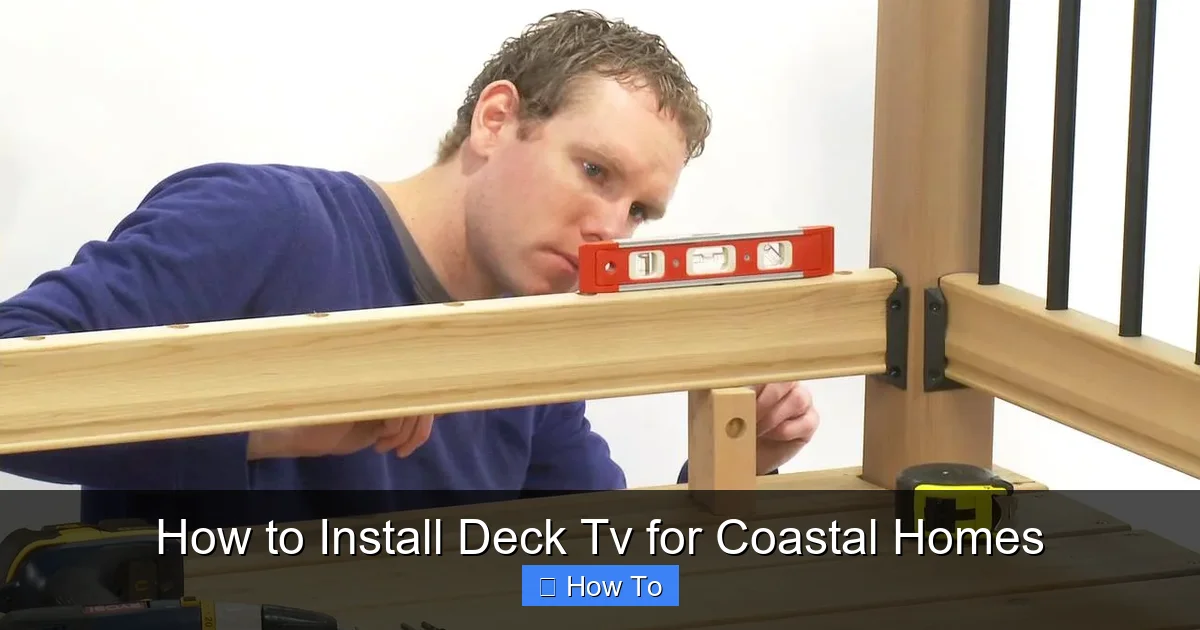
Follow the manufacturer’s instructions to secure the wall or post bracket. Use a level to ensure it’s perfectly horizontal. Tighten all bolts with a torque wrench if specified.
Mount the TV to the Bracket
With a helper, lift the TV and hook it onto the bracket. Most outdoor mounts use a locking mechanism—engage it and double-check that the TV is secure.
Test for Stability
Gently tug on the TV to ensure it doesn’t wobble or shift. In windy coastal areas, even slight movement can stress connections over time.
Step 7: Connect and Test the System
Once the TV is mounted, connect your devices and test everything.
Connect Source Devices
Plug in your streaming box (like Roku, Apple TV, or Fire Stick), soundbar, or cable box. Use outdoor-rated HDMI cables and secure connections with cable ties.
Power On and Calibrate
Turn on the TV and check the picture quality. Adjust brightness, contrast, and color settings for outdoor viewing. Enable “outdoor mode” if your TV has one.
Test Audio and Connectivity
Play a video to ensure sound works. If using Wi-Fi, check signal strength—coastal homes may have interference from water or distance from the router. Consider a Wi-Fi extender or mesh network for better coverage.
Step 8: Protect and Maintain Your Deck TV
Even the best outdoor TV needs regular care to last in coastal conditions.
Clean the Screen and Housing
Every 3–6 months, wipe the screen with a microfiber cloth and mild soap solution. Avoid ammonia-based cleaners—they can damage anti-glare coatings.
Inspect the housing for salt buildup, especially around vents and seams. Rinse with fresh water if needed.
Check Seals and Connections
Look for cracks, peeling, or loose seals around the TV and mount. Reapply silicone sealant if necessary.
Use a Weatherproof Cover or Enclosure
When not in use—especially during storms or off-seasons—cover the TV with a breathable, UV-resistant cover. For added protection, consider a motorized outdoor TV enclosure that retracts when not in use.
Inspect After Storms
After high winds or heavy rain, check the mount, cables, and TV for damage. Tighten any loose bolts and replace worn components.
Troubleshooting Common Issues
TV Won’t Turn On
Check the power source and GFCI outlet. Reset the breaker if tripped. Ensure all cables are securely connected.
Poor Picture or Signal
Verify HDMI connections and Wi-Fi strength. Move the router closer or use an extender. Check for interference from nearby electronics.
Rust or Corrosion on Mount
If you see rust, replace the affected parts with marine-grade hardware. Apply a rust inhibitor and repaint if using powder-coated steel.
Screen Fogs or Mists
This indicates moisture inside the TV—likely from a failed seal. Power off immediately and contact the manufacturer. Do not attempt to open the TV yourself.
Conclusion
Installing a deck TV for coastal homes is a rewarding project that enhances your outdoor living space—but it requires careful planning and the right materials. By choosing a weatherproof TV, using marine-grade hardware, protecting your wiring, and maintaining your setup, you can enjoy crystal-clear entertainment year-round, even in the harshest coastal conditions.
Remember, cutting corners with indoor TVs or low-quality mounts may save money upfront but will cost you in repairs and replacements down the line. Invest in quality from the start, and your deck TV will deliver stunning performance for years to come.
Whether you’re watching the sunset with a glass of wine or hosting a movie night under the stars, your coastal deck will become the ultimate outdoor retreat.