Hiding cables for a patio TV in an apartment doesn’t have to be complicated or permanent. This guide walks you through smart, damage-free methods to organize and conceal wires, ensuring a clean look and trip-free outdoor space. Perfect for renters who want style and safety without breaking lease rules.
Key Takeaways
- Renter-friendly cable management is essential: Use non-permanent, adhesive-based solutions that won’t damage walls or railings.
- Weatherproofing matters: Choose outdoor-rated cable covers and connectors to protect against rain, sun, and humidity.
- Plan your cable route first: Map out the shortest, safest path from TV to power source before installing anything.
- Use cable raceways and clips: These affordable tools keep wires tidy and out of sight along railings, walls, or under furniture.
- Test all connections before finalizing: Ensure your TV, soundbar, and streaming devices work properly after routing cables.
- Safety first: Never run extension cords across walkways or use indoor cables outdoors—opt for outdoor-rated gear.
- Aesthetic integration enhances appeal: Match cable covers to your patio color scheme for a seamless, professional look.
How to Hide Cables for Patio TV in Apartments
So you’ve set up your dream patio TV—perfect for movie nights under the stars, game-day gatherings, or just binge-watching your favorite shows al fresco. But now you’re staring at a tangled mess of cords snaking across your balcony or deck. Not only is it an eyesore, but it’s also a tripping hazard. And if you’re renting, you can’t just drill holes in the wall or run permanent conduits.
Don’t worry—you’re not stuck with messy cables. With a little planning and the right tools, you can hide those wires neatly, safely, and without violating your lease. This guide will show you exactly how to hide cables for your patio TV in an apartment, using smart, renter-friendly solutions that are easy to install, weather-resistant, and totally removable.
Whether you’re working with a small balcony, a shared rooftop, or a private patio, these step-by-step tips will help you create a clean, organized outdoor entertainment space. We’ll cover everything from planning your cable route to choosing the best concealment products, all while keeping safety and aesthetics in mind.
Let’s get started!
Why Cable Management Matters on Your Patio
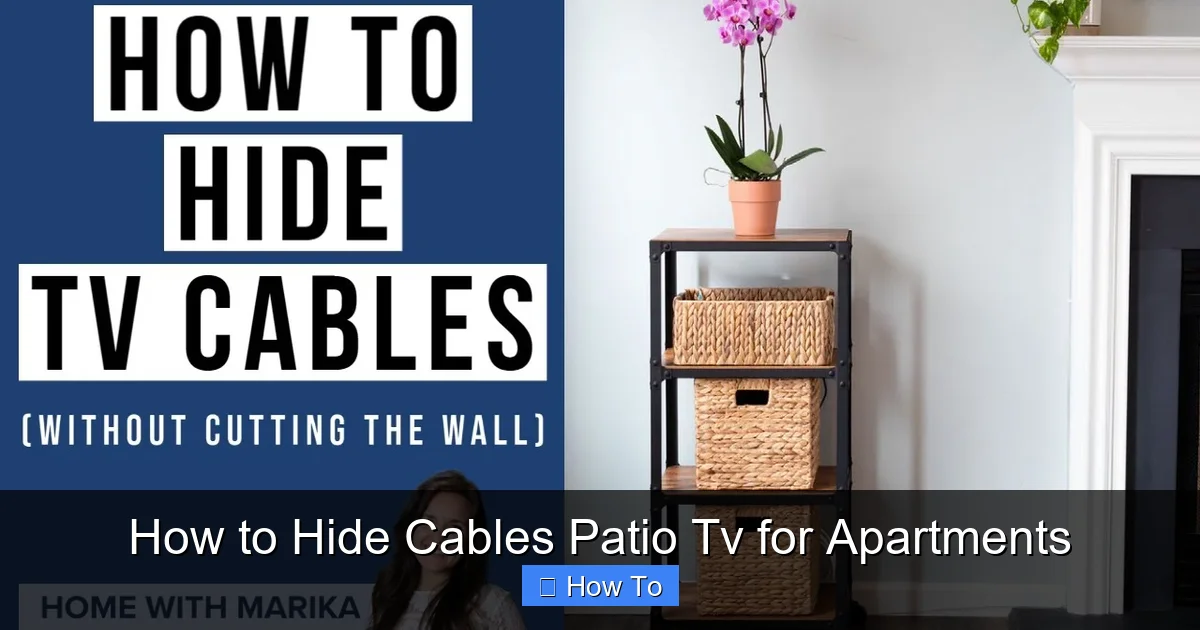
Visual guide about How to Hide Cables Patio Tv for Apartments
Image source: i.ytimg.com
Before diving into the how-to, let’s talk about why hiding cables isn’t just about looks—it’s about safety and functionality.
First, exposed cables are a tripping hazard. On a rainy evening or a dimly lit night, someone could easily trip over a loose power cord or HDMI cable. That’s not just embarrassing—it could lead to injury or damage to your equipment.
Second, outdoor cables are exposed to the elements. Sun, rain, wind, and temperature changes can degrade indoor-rated cords over time, leading to fraying, short circuits, or even electrical hazards. Using the right outdoor-rated cables and protective covers extends their lifespan and keeps your setup safe.
Third, a clean cable setup improves the overall ambiance of your patio. Nothing ruins the vibe of a cozy outdoor movie night like a jumble of wires snaking across the floor. A well-organized space feels more inviting and intentional.
Finally, as a renter, you need solutions that won’t damage walls, railings, or flooring. Landlords often charge hefty fees for repairs, so using temporary, adhesive-based cable management tools is a must.
In short: hiding your patio TV cables isn’t just a cosmetic upgrade—it’s a smart, safe, and stylish move.
Step 1: Plan Your Cable Route
The first step to hiding cables is planning where they’ll go. Rushing into installation without a map can lead to messy results, damaged cords, or even electrical issues.
Identify Your Power Source
Start by locating the nearest outdoor power outlet. Most apartments have at least one exterior outlet, often near the patio door or on the wall. If you don’t have one, check with your landlord—some buildings allow tenants to install a new outlet with permission.
If you’re using an indoor outlet, you’ll need to run an extension cord through a window or door. But be careful: never leave gaps open that could let in pests, water, or drafts. Use a window sealing kit or a foam draft stopper to keep things secure.
Map the Shortest, Safest Path
Trace the route from your TV to the power source. Look for natural pathways—along railings, under furniture, or along the edge of the patio. Avoid high-traffic areas where people walk.
For example, if your TV is mounted on a wall near the door, you might run cables down the side of the wall, along the baseboard, and into an outlet. If your TV is on a stand in the middle of the patio, consider routing cables under a rug or along the edge of a planter box.
Measure Your Cables
Use a tape measure to determine how long each cable needs to be. Include a little extra length for flexibility—about 6 to 12 inches. This gives you room to adjust without straining the connections.
Common cables you’ll need to hide include:
– Power cord for the TV
– HDMI cable (for streaming devices or cable boxes)
– Power cords for soundbars or speakers
– Ethernet cable (if using wired internet)
Check for Obstacles
Look for things that could interfere with your cable route: door hinges, furniture legs, planters, or uneven surfaces. You’ll want to avoid pinching or bending cables too sharply, which can damage the internal wires.
If you’re running cables along a railing, make sure they won’t get caught when the railing moves (on balconies with adjustable rails). If going under a rug, ensure the rug is thick enough to hide the cable without creating a bump.
Step 2: Choose the Right Cable Management Tools
Now that you’ve planned your route, it’s time to pick the right products. The goal is to find tools that are:
– Easy to install
– Weather-resistant
– Renter-friendly (no drilling or permanent changes)
– Aesthetically pleasing
Here are the top options:
Outdoor Cable Raceways
Cable raceways are long, hollow channels that hold multiple cables inside. They’re perfect for running along walls, railings, or under furniture. Look for outdoor-rated raceways made of UV-resistant PVC or aluminum.
Popular brands include D-Line, Legrand, and JOTO. Many come with self-adhesive backing, so you can stick them directly to smooth surfaces without screws.
Tip: Choose a raceway color that matches your wall or railing. White, black, and gray are common and blend in well.
Cable Clips and Ties
For shorter runs or single cables, adhesive cable clips are a great choice. These small plastic or metal clips stick to surfaces and hold cables in place. They’re ideal for securing HDMI or power cords along the edge of a table or under a shelf.
Use outdoor-rated clips with strong adhesive. Avoid cheap ones that lose grip in heat or rain.
For bundling multiple cables together, use reusable Velcro ties or zip ties. Velcro is better for renters—it’s easy to remove and won’t leave residue.
Cord Protectors and Grommets
If you’re running cables through a door or window, use a cord protector or grommet to prevent damage. These flexible sleeves go around the cable where it passes through a gap, protecting it from friction and moisture.
You can also use a window sealing kit with a built-in cable port. These kits seal the window while allowing cables to pass through safely.
Under-Rug Cable Channels
If your TV is on a stand and your power source is across the patio, consider an under-rug cable channel. These flat, flexible strips go under area rugs and hide cables beneath the fabric.
They’re especially useful on balconies with outdoor rugs. Just make sure the rug is thick enough to fully conceal the channel.
Weatherproof Extension Cords and Power Strips
Never use indoor extension cords outside. They’re not built to handle moisture, UV rays, or temperature swings.
Instead, use outdoor-rated extension cords with a minimum 16-gauge wire and a weatherproof jacket. Look for cords labeled “SJTW” or “SJTOW”—these are designed for outdoor use.
Pair it with a weatherproof power strip or outdoor surge protector. These have built-in covers to protect outlets from rain and dust.
Step 3: Install Your Cable Management System
With your tools ready, it’s time to install. Follow these steps for a clean, secure setup.
Clean the Surface
Before applying any adhesive, clean the area with rubbing alcohol or soapy water. Dust, grease, or moisture can weaken the bond. Let it dry completely.
Attach the Raceways or Clips
Start at the TV and work your way toward the power source. Press the raceway or clips firmly onto the surface, following your planned route.
For raceways, peel off the adhesive backing and stick it in place. Use a level if you want a perfectly straight line. For clips, space them every 6 to 12 inches for support.
Insert the Cables
Gently push each cable into the raceway or under the clips. Don’t force them—bend cables gradually to avoid damage.
If using a raceway with a snap-on cover, insert the cables first, then close the lid. For clips, loop the cable through and press down to secure.
Secure the Ends
At the TV and power source, use extra clips or Velcro ties to keep cables from pulling loose. You can also use a cable sleeve or braided wrap to bundle multiple cords together near the TV.
Test Everything
Turn on your TV and all connected devices. Make sure the picture and sound are working. Check for loose connections or interference.
If something isn’t working, double-check your HDMI and power connections. Sometimes a cable can get pinched or disconnected during installation.
Step 4: Weatherproof and Protect Your Setup
Outdoor environments are tough on electronics. A little extra protection goes a long way.
Use Outdoor-Rated Cables
As mentioned earlier, always use cables rated for outdoor use. These have thicker insulation and UV-resistant coatings.
If you must use an indoor cable temporarily, keep it sheltered under a cover or inside a raceway.
Seal Gaps and Connections
Use silicone caulk or outdoor electrical tape to seal any gaps where cables enter the raceway or pass through walls. This prevents water from seeping in.
For power connections, use waterproof outlet covers or inline cord connectors with rubber gaskets.
Elevate Cables Off the Ground
Avoid letting cables rest directly on wet pavement or grass. Use cable ramps, clips, or raceways to keep them elevated.
If your patio gets a lot of rain, consider installing a small canopy or awning over your TV area to provide extra shelter.
Regular Maintenance
Every few months, inspect your cables and management system. Look for signs of wear, loose clips, or water damage. Replace any damaged components right away.
Step 5: Enhance the Aesthetic
Now that your cables are hidden and protected, let’s make your patio look amazing.
Match Colors to Your Space
Choose raceways, clips, and covers that blend with your patio’s color scheme. White works well on light walls, black on dark railings, and gray on concrete.
Some brands offer paintable raceways—just spray them to match your decor.
Use Decorative Covers
For a more polished look, consider decorative cable covers that double as planters or garden edging. These hide cables while adding greenery to your space.
You can also run cables behind potted plants or along garden trellises.
Keep It Minimal
Less is more. Only run the cables you actually need. If you’re using a streaming device like a Roku or Fire Stick, you might not need a separate cable box—just an HDMI cable and power.
Troubleshooting Common Issues
Even with the best planning, problems can pop up. Here’s how to fix the most common ones.
Cables Keep Falling Out
If clips or raceways won’t stay attached, the surface might be too rough or dirty. Clean it again and try a stronger adhesive, like 3M VHB tape.
Alternatively, use screw-mounted clips (if your lease allows) or double-sided outdoor tape.
Signal Loss or Interference
Long HDMI runs can cause signal degradation. If your picture is blurry or cuts out, try a shorter cable or an HDMI extender with built-in amplification.
Also, keep power cables away from HDMI and audio cables to reduce interference.
Water Getting Into Connections
If you notice moisture inside your raceway or connectors, seal all entry points with silicone. Use waterproof junction boxes for power connections.
Consider moving your setup to a drier area or adding a cover.
Extension Cord Overheating
If your extension cord feels hot, you might be overloading it. Check the wattage of your TV and other devices. Most outdoor TVs use 100–200 watts, but sound systems can add more.
Use a cord rated for at least 13 amps (1560 watts at 120V) to be safe.
Bonus Tips for Renters
Living in an apartment means you need extra care to avoid damage. Here are some renter-specific tips:
– Always get permission before making any modifications, even temporary ones.
– Use removable adhesives like Command Strips or 3M Outdoor Mounting Tape.
– Avoid drilling, painting, or cutting into walls, railings, or flooring.
– Keep all packaging and instructions in case you need to return products.
– When moving out, remove all cable management tools and clean the area thoroughly.
Conclusion
Hiding cables for your patio TV in an apartment is totally doable—and worth the effort. With the right tools and a little planning, you can create a clean, safe, and stylish outdoor entertainment space that you’ll love using all year round.
Start by mapping your cable route, then choose weatherproof, renter-friendly management tools like outdoor raceways, clips, and extension cords. Install everything carefully, test your connections, and add a few finishing touches to match your patio’s style.
Remember: safety and aesthetics go hand in hand. By keeping cables organized and protected, you’re not just improving the look of your space—you’re also preventing accidents and extending the life of your equipment.
So grab your tools, roll up your sleeves, and get ready to enjoy your patio TV without the cable clutter. Your outdoor oasis is just a few clips away.