Hiding outdoor TV cables doesn’t have to be complicated. This guide walks you through safe, effective methods to conceal wires on your balcony or patio, protecting them from weather and tripping hazards while maintaining a clean look.
Key Takeaways
- Use weatherproof cable covers: Protect wires from rain, UV rays, and temperature changes with outdoor-rated raceways or conduits.
- Route cables along walls or railings: Conceal wires behind trim, under railings, or inside hollow posts for a seamless appearance.
- Anchor cables securely: Prevent sagging or damage by using clips, ties, or adhesive mounts designed for outdoor use.
- Choose the right tools and materials: Invest in UV-resistant, waterproof, and flexible cable management products made for exterior environments.
- Plan your layout first: Map out your TV, power source, and signal cables before installing to avoid last-minute fixes.
- Prioritize safety: Keep power cords away from water sources and ensure all connections are GFCI-protected.
- Maintain accessibility: Allow easy access for future repairs or upgrades without dismantling your entire setup.
How to Hide Cables Outdoor Television for Balcony Patio
So you’ve finally set up your outdoor TV on the balcony or patio—now comes the not-so-fun part: dealing with all those dangling cables. Power cords, HDMI wires, speaker cables, and antenna lines can turn your relaxing outdoor oasis into a tangled mess. Not only do exposed cables look messy, but they also pose safety risks and can get damaged by weather, foot traffic, or pests.
The good news? Hiding outdoor TV cables is easier than you think—and totally doable with the right tools and a bit of planning. Whether you’re working with a small balcony or a spacious patio, this step-by-step guide will show you how to keep your setup clean, safe, and weather-resistant.
In this guide, you’ll learn:
– How to assess your space and plan your cable route
– The best weatherproof materials for outdoor cable management
– Step-by-step methods to hide and secure cables
– Tips for maintaining your setup over time
– Common mistakes to avoid
Let’s get started!
Step 1: Assess Your Space and Plan the Layout
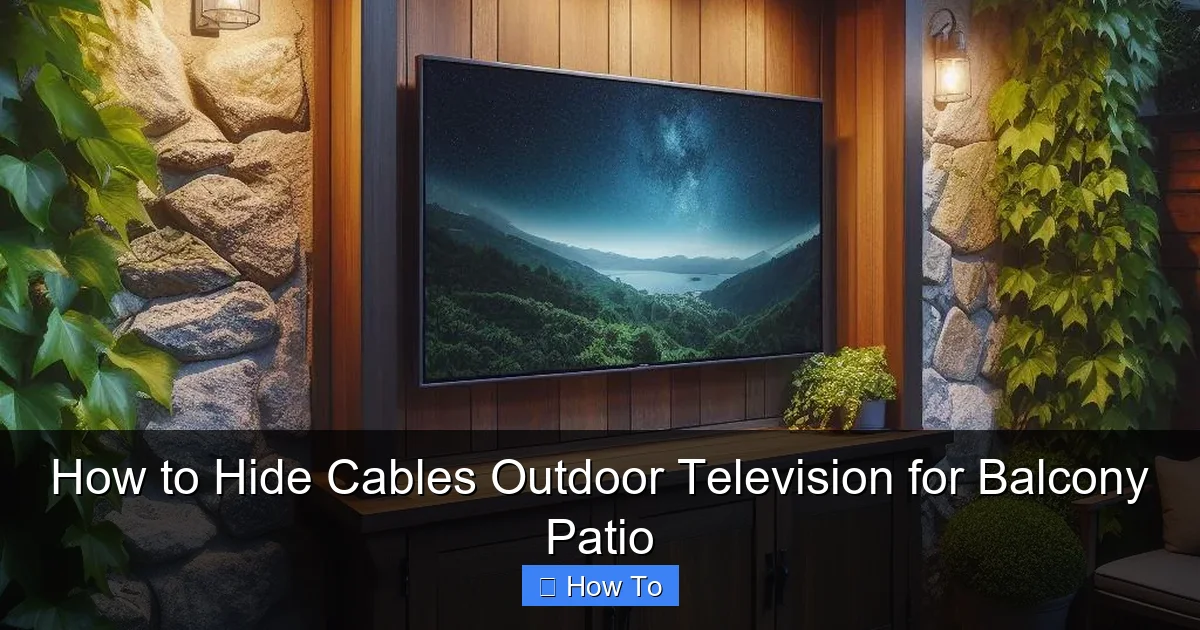
Visual guide about How to Hide Cables Outdoor Television for Balcony Patio
Image source: zebozap.com
Before you buy a single cable clip or raceway, take a good look at your balcony or patio. Understanding your environment is key to choosing the right cable-hiding method.
Check Your TV Location
Where is your outdoor TV mounted? Is it on a wall, a freestanding stand, or a railing? The placement affects how you’ll route your cables. For example:
– Wall-mounted TVs allow you to run cables directly behind the wall (if possible) or along the surface.
– Freestanding TVs may require longer cable runs and more creative concealment.
Identify Power and Signal Sources
Where are your power outlets, cable/satellite boxes, or streaming devices located? Ideally, these should be indoors or in a weatherproof enclosure. Measure the distance from your TV to the nearest power source and signal input. This helps you determine how much cable you’ll need—and whether you’ll need extensions or signal boosters.
Note Obstacles and Hazards
Look for:
– Railings or balusters that can hide cables
– Gaps under doors or walls for routing
– Areas exposed to direct sunlight, rain, or foot traffic
– Pets or children who might chew or trip on wires
Sketch a Simple Diagram
Grab a pen and paper (or use a phone app) and sketch your balcony or patio layout. Mark:
– TV position
– Power source
– Cable box or streaming device location
– Intended cable path
This visual plan will save you time and prevent frustration during installation.
Step 2: Choose the Right Cable Management Materials
Not all cable covers are created equal—especially when it comes to outdoor use. You need products that can handle rain, snow, UV rays, and temperature swings.
Weatherproof Cable Raceways
These are plastic or metal channels that snap over cables to hide and protect them. Look for:
– UV-resistant materials (like PVC or polycarbonate)
– Waterproof seals or gaskets
– Adhesive backing or screw mounts for secure attachment
Popular brands include Legrand, D-Line, and CordCover. Choose a raceway that matches your wall or railing color for a discreet look.
Flexible Conduit
For more permanent or heavy-duty setups, use flexible electrical conduit. It’s ideal for running cables along railings, under decking, or through walls. Options include:
– PVC conduit (lightweight and corrosion-resistant)
– Metal conduit (more durable but harder to install)
Tip: Use conduit with a pull string to make threading cables easier.
Cable Clips and Ties
Use outdoor-rated adhesive clips or zip ties to secure loose wires. Avoid regular plastic ties—they become brittle in sunlight. Instead, opt for:
– UV-resistant nylon ties
– Stainless steel clips
– Silicone-coated adhesive mounts
Grommets and Wall Plates
If you’re drilling through walls or railings, use rubber grommets to protect cables from sharp edges. For a cleaner look, install outdoor-rated wall plates with built-in cable passthroughs.
Extension Cords and Surge Protectors
Use only outdoor-rated extension cords with a minimum 16-gauge wire and a waterproof cover. Pair them with a GFCI (Ground Fault Circuit Interrupter) outlet or surge protector to prevent electrical hazards.
Step 3: Route Cables Along Walls or Railings
Now that you’ve got your materials, it’s time to run the cables. The goal is to keep them hidden, secure, and out of the way.
Option 1: Run Cables Along the Wall
If your TV is wall-mounted, this is often the cleanest option.
– Start at the TV and work your way down to the power source.
– Use a cable raceway to cover the wires. Cut it to size with a hacksaw or utility knife.
– Attach the raceway with screws or outdoor adhesive. Avoid nails—they can damage the material.
– For a seamless look, paint the raceway to match your wall.
Tip: If your wall is concrete or brick, use masonry anchors for screw mounting.
Option 2: Hide Cables Behind or Under Railings
Balcony railings are perfect for concealing cables—especially if they’re hollow or have gaps.
– Thread cables through hollow balusters or under the railing cap.
– Use flexible conduit to guide wires through tight spaces.
– Secure the conduit with zip ties or clips every 12–18 inches.
If your railing is solid, attach a raceway along the side or back. Paint it to blend in.
Option 3: Route Cables Under Decking or Flooring
For patios with raised decks or composite flooring, you may be able to run cables underneath.
– Lift a few deck boards (if removable) and thread the cables through.
– Use conduit to protect wires from moisture and pests.
– Reinstall the boards, leaving a small gap for future access.
Warning: Never run power cables under permanent concrete or tile—this is unsafe and violates electrical codes.
Option 4: Use Existing Trim or Molding
If your balcony has baseboards, crown molding, or decorative trim, tuck cables behind them.
– Gently pry the trim away from the wall with a pry bar.
– Slide the cables into the gap.
– Reattach the trim with finishing nails.
This method works best for low-voltage cables like HDMI or speaker wires.
Step 4: Secure and Protect the Cables
Once your cables are in place, you need to keep them there—and safe from the elements.
Use Outdoor Adhesive Clips
These stick to walls, railings, or furniture and hold cables in place. Look for:
– 3M outdoor mounting tape (rated for all weather)
– Silicone-based adhesives that won’t degrade in sun or rain
Apply clips every 12–18 inches to prevent sagging.
Tie Cables Neatly
Group similar cables together (e.g., power, HDMI, audio) and secure them with UV-resistant zip ties. Don’t overtighten—this can damage the wires.
For a cleaner look, use reusable hook-and-loop straps (like Velcro) that you can adjust later.
Seal Entry Points
If cables pass through walls, railings, or floors, seal the holes with outdoor caulk or silicone sealant. This prevents water, insects, and drafts from getting in.
Use a paintable sealant if you want to match the surrounding surface.
Protect Connections
All cable connections (especially power and HDMI) should be protected from moisture.
– Use waterproof junction boxes for power connections.
– Wrap HDMI and audio cables with self-amalgamating tape or use weatherproof cable couplers.
– Elevate connections off the ground to avoid puddles.
Step 5: Test and Troubleshoot
Before you call it a day, test your setup to make sure everything works.
Power On and Check Signals
Turn on your TV and all connected devices. Verify:
– Picture and sound quality
– Remote control functionality
– Internet or antenna signal strength
If you notice flickering, static, or no signal, check your cables for kinks, loose connections, or damage.
Inspect for Safety Hazards
Look for:
– Exposed wires
– Overloaded extension cords
– Cables in high-traffic areas
– Signs of overheating (warm cords or outlets)
If any issues arise, turn off the power and fix them immediately.
Adjust as Needed
You might need to reposition clips, reroute a cable, or add extra protection. Don’t hesitate to tweak your setup—flexibility is part of the process.
Step 6: Maintain Your Outdoor Cable Setup
Outdoor cable management isn’t a “set it and forget it” task. Regular maintenance keeps your system safe and functional.
Monthly Checks
– Inspect cables for fraying, cracking, or UV damage
– Ensure clips and raceways are still secure
– Clean dust and debris from cable covers
Seasonal Maintenance
– In winter, check for ice buildup or snow covering cables
– In summer, look for sun damage or overheating
– After storms, verify that seals and connections are intact
Upgrade When Needed
If you add new devices (like a soundbar or streaming box), update your cable management plan. Use the same principles—route, conceal, and protect.
Common Mistakes to Avoid
Even with the best intentions, it’s easy to make errors. Here are some to watch out for:
Using Indoor Cable Covers Outdoors
Indoor raceways and clips aren’t built for weather. They’ll crack, fade, or fall off within weeks. Always choose outdoor-rated products.
Running Power Cables Across Walkways
This creates tripping hazards and increases the risk of electrical shock. Never lay power cords where people walk—use raceways or route them under furniture.
Ignoring Electrical Codes
In many areas, running power cables through walls or under floors requires permits and professional installation. When in doubt, consult an electrician.
Overloading Extension Cords
Don’t plug multiple high-wattage devices (like heaters or sound systems) into one cord. This can cause overheating and fire hazards.
Skipping GFCI Protection
Outdoor outlets must be GFCI-protected to prevent shocks. If your outlet isn’t GFCI, install a GFCI outlet or use a GFCI power strip.
Bonus Tips for a Clean, Professional Look
Want your setup to look like it was done by a pro? Try these extra tips:
Paint Cable Covers
Match your raceway or conduit to your wall or railing color. Use outdoor paint for durability.
Use Cable Sleeves
Bundle multiple cables into a single, flexible sleeve. They’re great for hiding wires behind furniture or along railings.
Hide the Power Strip
Place your surge protector in a weatherproof outdoor enclosure or a decorative box. Label the outlets for easy identification.
Label Your Cables
Use colored tape or labels to mark each cable (e.g., “HDMI,” “Power,” “Antenna”). This makes troubleshooting much easier.
Keep Spares Handy
Store extra clips, ties, and sealant in a waterproof container on your balcony. You’ll thank yourself later.
Conclusion
Hiding cables for your outdoor TV doesn’t have to be a headache. With a little planning and the right materials, you can create a clean, safe, and weather-resistant setup that enhances your outdoor living space.
Remember: Start with a plan, use outdoor-rated products, and prioritize safety. Whether you’re tucking wires behind railings, running them through conduit, or covering them with a sleek raceway, the goal is the same—keep your cables out of sight and out of harm’s way.
Your balcony or patio should be a place to relax, not stress over tangled wires. Follow this guide, and you’ll enjoy your outdoor TV in style—without the clutter.
Now go enjoy that movie night under the stars!