Want a clean, safe backyard TV setup for family movie nights or game days? This guide shows you step-by-step how to hide cables using simple tools and smart planning. Enjoy a clutter-free outdoor space without sacrificing style or safety.
Key Takeaways
- Plan your cable route first: Map out the shortest, safest path from your TV to power and devices to minimize exposure and tripping risks.
- Use weatherproof cable covers: Protect cords from rain, sun, and foot traffic with outdoor-rated raceways, conduits, or cord protectors.
- Bury cables underground (when safe): For permanent setups, use PVC conduit and direct burial cables to hide wires completely.
- Secure cables along structures: Attach cords to fences, decks, or walls using clips, staples, or adhesive channels for a clean look.
- Label and organize cables: Keep everything tidy and easy to troubleshoot with labels and cable ties.
- Prioritize safety: Always turn off power before working and avoid overloading circuits.
- Test before the party: Do a full run-through a day before your gathering to catch any issues early.
How to Hide Cables Backyard TV for Family Gatherings
Imagine this: It’s a warm summer evening. The grill is sizzling, kids are laughing, and everyone’s gathered around your backyard TV to watch the big game or a family-friendly movie. The mood is perfect—until someone trips over a loose power cord. Or worse, rain soaks into an exposed cable, causing a short circuit.
Don’t let messy wires ruin your outdoor fun. With a little planning and the right tools, you can hide cables for your backyard TV setup and create a safe, stylish space for family gatherings. Whether you’re hosting a birthday party, a holiday BBQ, or just a cozy movie night under the stars, this guide will show you exactly how to keep your cords out of sight and out of mind.
In this comprehensive how-to guide, you’ll learn:
– How to plan your cable layout for maximum safety and minimal visibility
– The best tools and materials for hiding outdoor cables
– Step-by-step methods for securing, covering, and even burying wires
– Tips for maintaining your setup through all seasons
– Troubleshooting common issues like signal loss or weather damage
Let’s get started—your backyard is ready for its close-up!
Why Hiding Cables Matters for Backyard TV Setups
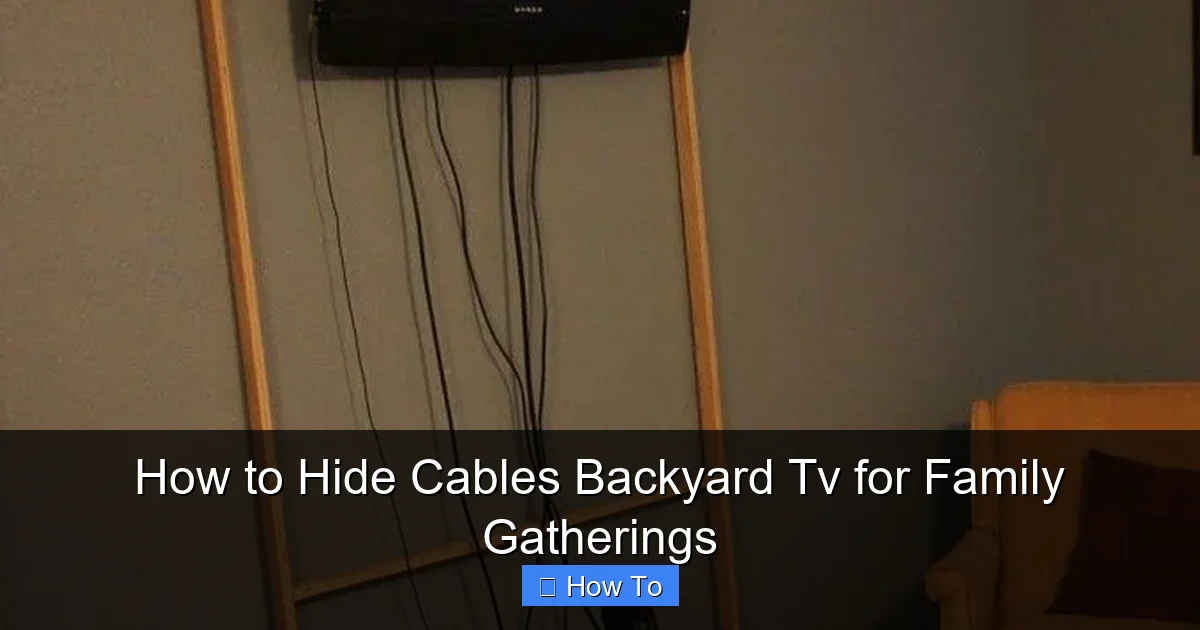
Visual guide about How to Hide Cables Backyard Tv for Family Gatherings
Image source: i.pinimg.com
Before diving into the how-to, let’s talk about why this matters. Outdoor entertainment is more popular than ever, but exposed cables pose real risks:
– **Safety hazards:** Loose cords are tripping hazards, especially in low light or when kids and pets are running around.
– **Weather damage:** Rain, snow, and UV rays can degrade standard indoor cables, leading to shorts or fire risks.
– **Aesthetic clutter:** Tangled wires ruin the relaxing vibe of your outdoor space.
– **Equipment protection:** Properly routed cables last longer and perform better.
Hiding cables isn’t just about looks—it’s about creating a safe, enjoyable environment for your family and guests. Plus, a clean setup makes it easier to enjoy your TV without worrying about technical glitches mid-movie.
Step 1: Plan Your Cable Layout
The first step to hiding cables is planning. Rushing into installation without a map can lead to messy results, damaged cables, or even electrical issues.
Assess Your Setup
Start by identifying all the components that need power and connectivity:
– Outdoor TV (mounted on a wall, pergola, or stand)
– Streaming device (Roku, Apple TV, etc.)
– Soundbar or outdoor speakers
– HDMI cables
– Power strips or surge protectors
– Optional: Lighting, fans, or other accessories
Draw a simple sketch of your backyard layout. Include:
– Location of the TV
– Nearest power source (outlet or extension cord route)
– Paths people walk (to avoid tripping zones)
– Structures you can use (fences, deck rails, walls)
Choose the Shortest, Safest Route
The goal is to minimize cable length while keeping wires away from high-traffic areas. For example:
– If your TV is on a pergola and the outlet is on the house wall, run cables along the pergola beams or down the support posts.
– Avoid running cords across walkways or grass where they can be stepped on or chewed by pets.
Pro tip: Use a measuring tape to estimate how much cable you’ll need. Add 10–15% extra for slack and future adjustments.
Check Local Codes and Permits
If you’re planning to bury cables or run them through walls, check local electrical codes. Some areas require permits for outdoor wiring, especially if you’re connecting to your home’s electrical system. When in doubt, consult a licensed electrician.
Step 2: Gather the Right Tools and Materials
You don’t need a professional toolkit, but having the right supplies makes the job easier and safer.
Essential Tools
– Measuring tape
– Drill and drill bits (for mounting clips or running conduit)
– Screwdrivers
– Wire strippers (if splicing cables)
– Utility knife
– Level (for straight runs)
– Cable ties or zip ties
– Label maker or masking tape
Recommended Materials
– **Outdoor-rated extension cords** (look for “SJTW” or “SJTOW” ratings)
– **Weatherproof cable raceways** (plastic or metal channels that snap over cords)
– **PVC conduit** (for underground runs)
– **Cable clips or adhesive mounts** (to secure wires to surfaces)
– **Cord protectors** (rubber or plastic covers for walkways)
– **Direct burial-rated cables** (if burying underground)
– **Surge protector with outdoor cover**
Avoid using indoor cables outdoors—they’re not built to handle moisture, temperature changes, or UV exposure.
Step 3: Secure Cables Along Structures
One of the easiest and most effective ways to hide cables is to run them along existing structures like fences, deck rails, or walls.
Use Cable Clips or Adhesive Mounts
For quick, removable solutions:
– **Adhesive cable clips:** Stick to smooth surfaces like wood or metal. Great for temporary setups or renters.
– **Screw-in clips:** More secure for permanent installations. Use stainless steel screws to prevent rust.
Attach clips every 12–18 inches to keep cables snug and prevent sagging.
Run Cables Behind or Under Decking
If your TV is near a deck:
– Tuck cables under the deck boards using a fish tape or flexible rod.
– Use a drill to create small access holes if needed.
– Secure wires with zip ties to the underside of joists.
This keeps cords completely out of sight and protected from foot traffic.
Attach to Fences or Pergolas
For a clean look:
– Use outdoor-rated zip ties to fasten cables to fence posts or pergola beams.
– Paint the ties to match the structure for a seamless appearance.
– Avoid sharp bends—cables should follow a gentle curve to prevent damage.
Pro tip: Group related cables together (e.g., power and HDMI) using Velcro straps for easier management.
Step 4: Use Cable Raceways and Cord Protectors
When you can’t hide cables behind structures, cover them with protective channels.
Install Outdoor Cable Raceways
Raceways are plastic or metal covers that snap over cords, hiding them in plain sight.
Steps:
1. Clean the surface where you’ll mount the raceway.
2. Measure and cut the raceway to length using a utility knife or saw.
3. Attach it to the wall, fence, or deck using screws or adhesive.
4. Open the raceway, lay in the cables, and snap it shut.
Choose a color that matches your outdoor décor—white, black, or brown options are common.
Use Cord Protectors for Walkways
If cables must cross a path:
– Place a rubber cord protector over the wires.
– These come in bright colors (yellow, orange) to warn people, or neutral tones to blend in.
– Secure with stakes or adhesive if needed.
Cord protectors also reduce wear and tear from foot traffic and lawn equipment.
Step 5: Bury Cables Underground (For Permanent Setups)
For a truly hidden solution, bury cables underground. This is ideal if you’re setting up a dedicated outdoor entertainment area.
Choose the Right Cable Type
Use **direct burial-rated cables** (marked “UF” or “USE-2”). These are designed to withstand moisture, soil pressure, and temperature changes. Never use standard extension cords underground—they’re not safe.
Install PVC Conduit
Conduit protects cables and makes future upgrades easier.
Steps:
1. Dig a trench 18–24 inches deep (check local codes for exact depth).
2. Lay 1-inch PVC conduit in the trench.
3. Use conduit elbows and couplings to navigate corners.
4. Pull the cables through using a fish tape or string.
5. Seal conduit ends with waterproof caps to keep out moisture.
6. Backfill the trench and tamp down the soil.
Pro tip: Label the conduit location with a marker stake or underground wire locator tag so you don’t accidentally dig it up later.
Connect to a GFCI Outlet
Always plug buried cables into a **GFCI (Ground Fault Circuit Interrupter)** outlet. This shuts off power if it detects a fault, preventing shocks—especially important in wet outdoor areas.
Step 6: Organize and Label Cables
A neat setup is easier to maintain and troubleshoot.
Use Cable Ties and Velcro Straps
Group cables by function:
– Power cables together
– HDMI and audio cables together
– Streaming device connections
Use Velcro straps instead of zip ties—they’re reusable and won’t damage cables when adjusting.
Label Each Cable
At both ends, label cables with:
– Device name (e.g., “TV Power,” “Soundbar HDMI”)
– Date installed
Use a label maker or write on masking tape. This saves time if you need to unplug or replace something.
Store Excess Cable Neatly
Coil extra length and secure it behind the TV or in a weatherproof box. Avoid tight loops—they can damage internal wires.
Step 7: Protect Against Weather and Pests
Outdoor cables face harsh conditions. Protect them to ensure longevity.
Use Weatherproof Covers
– Cover outdoor outlets and power strips with **in-use weatherproof covers**. These allow plugs to stay connected while shielding from rain.
– Seal cable entry points into boxes or walls with silicone caulk.
Prevent Pest Damage
Rodents and insects love chewing on cables. To deter them:
– Use metal conduit or armored cable in high-risk areas.
– Apply peppermint oil or commercial repellents around entry points (avoid direct contact with cables).
– Keep grass and debris trimmed near cable runs.
Step 8: Test and Maintain Your Setup
Before your next family gathering, do a full system check.
Test All Connections
– Turn on the TV and all devices.
– Check for video, audio, and internet connectivity.
– Look for flickering, static, or lag—signs of loose or damaged cables.
Inspect for Damage
After storms or seasonal changes:
– Look for frayed wires, cracked raceways, or loose clips.
– Replace damaged components immediately.
Seasonal Adjustments
– In winter, disconnect and store portable equipment if not in use.
– In summer, check for overheating—ensure cables aren’t pinched or exposed to direct sun for long periods.
Troubleshooting Common Issues
Even the best setups can run into problems. Here’s how to fix common issues:
Signal Loss or Poor Picture Quality
– Check HDMI connections—reseat cables if loose.
– Avoid running power and HDMI cables parallel—they can interfere. Cross them at 90 degrees if needed.
– Use HDMI extenders or signal boosters for long runs.
Cables Overheating
– Ensure cables aren’t coiled tightly or covered by rugs.
– Use higher-gauge (thicker) cables for longer distances.
– Avoid overloading power strips.
Water Ingress in Conduit
– Check seals and caps—replace if cracked.
– Tilt conduit slightly downward away from the house to let water drain.
– Use waterproof gel in conduit joints for extra protection.
Tripping Over Hidden Cables
– Re-evaluate your route—move cables away from walkways.
– Use brighter cord protectors or add motion-sensor path lighting.
Final Tips for a Flawless Backyard TV Experience
– **Keep it simple:** Start with one or two methods (e.g., clips + raceway) before going all-in on burial.
– **Involve the family:** Let kids help with labeling or choosing cord protector colors—it’s a fun project!
– **Upgrade over time:** Add smart outlets, wireless speakers, or solar-powered lights to reduce cable clutter.
– **Document your setup:** Take photos or notes so you can replicate or improve it next season.
Conclusion
Hiding cables for your backyard TV doesn’t have to be complicated or expensive. With smart planning, the right tools, and a little effort, you can create a safe, stylish outdoor entertainment space that’s perfect for family gatherings. Whether you’re using clips, raceways, or buried conduit, the key is to prioritize safety, organization, and weather protection.
Now, when your family gathers around the screen, they’ll see only the action on TV—not the wires behind it. So go ahead, fire up the grill, dim the lights, and enjoy your favorite show under the stars. Your backyard is ready for prime time.