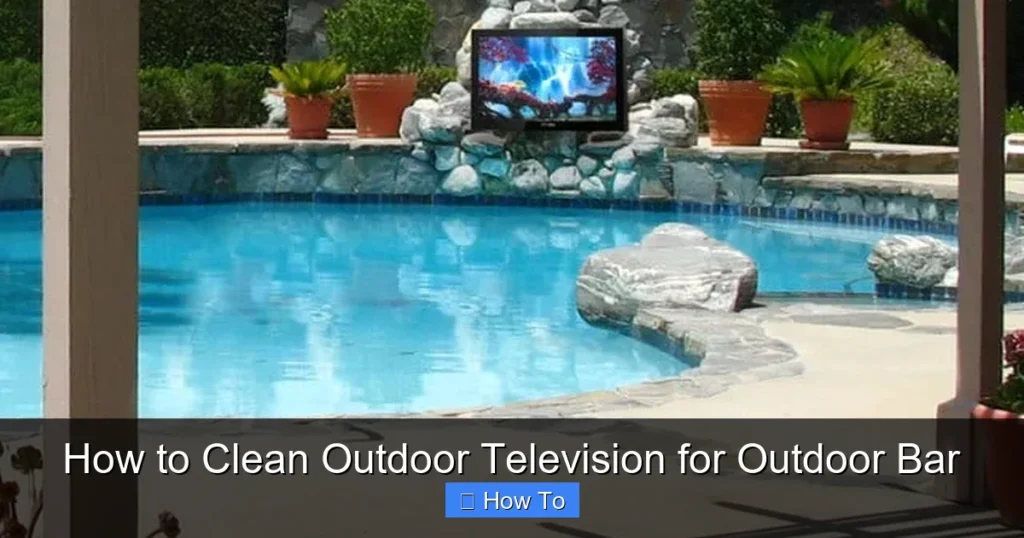
Cleaning your patio TV in a coastal home requires special care due to salt air, humidity, and UV exposure. This guide walks you through safe cleaning methods, protective measures, and maintenance routines to keep your outdoor TV looking sharp and lasting longer.
Key Takeaways
- Use only approved cleaning solutions: Avoid ammonia, alcohol, or abrasive cleaners that can damage anti-reflective coatings or screens.
- Dust before wiping: Always remove loose salt and debris with a soft brush or microfiber cloth to prevent scratching.
- Protect from salt corrosion: Coastal air accelerates rust and corrosion—regular cleaning and protective covers are essential.
- Clean during cooler hours: Avoid cleaning in direct sunlight to prevent streaks and rapid drying.
- Inspect seals and ports: Check for moisture buildup or salt residue in vents and cable connections monthly.
- Use a weatherproof cover: Invest in a high-quality, breathable cover to shield your TV when not in use.
- Schedule routine maintenance: Clean your patio TV every 2–4 weeks depending on exposure to sea spray and wind.
How to Clean TV for Patio for Coastal Homes: A Complete Guide
Living near the coast offers stunning ocean views, fresh sea breezes, and a relaxed lifestyle. But it also brings unique challenges—especially when it comes to maintaining outdoor electronics like your patio TV. Salt air, high humidity, sand, and intense UV rays can wreak havoc on your TV’s screen, frame, and internal components if not properly cared for.
If you’ve invested in an outdoor TV for your patio, you know how much joy it brings—movie nights under the stars, watching the game with friends, or catching the sunrise with your morning coffee. But to keep that experience going, regular and proper cleaning is essential.
This guide will walk you through everything you need to know about how to clean TV for patio for coastal homes. You’ll learn the right tools, step-by-step cleaning methods, protective strategies, and maintenance routines to extend the life of your outdoor TV—even in the harshest coastal conditions.
Whether you’re dealing with a salt-covered screen, foggy display, or just general grime, we’ve got you covered. Let’s dive in.
Why Cleaning Your Patio TV Is Different in Coastal Areas

Visual guide about How to Clean Tv for Patio for Coastal Homes
Image source: i.pinimg.com
Coastal environments are tough on electronics. The combination of salt, moisture, and wind creates a corrosive atmosphere that can damage your TV faster than in inland areas. Here’s why your cleaning routine needs to be different:
Salt Air and Corrosion
Salt particles in the air settle on surfaces and attract moisture. Over time, this leads to corrosion—especially on metal parts like screws, brackets, and internal circuitry. Salt can also leave a gritty film on screens that’s hard to remove without scratching.
High Humidity and Condensation
Humidity levels near the coast often exceed 70%, which can cause condensation to form inside your TV if it’s not properly sealed. This moisture can short-circuit components or promote mold growth.
UV Radiation and Fading
Coastal areas often have intense sunlight. Prolonged UV exposure can fade screen coatings, discolor plastic frames, and degrade adhesives used in the TV’s construction.
Sand and Windborne Debris
Sand is abrasive and can scratch screens if not removed gently. Wind can also blow leaves, pollen, and salt spray onto your TV, creating a sticky, gritty mess.
Because of these factors, cleaning your patio TV isn’t just about aesthetics—it’s about protecting your investment and ensuring safe, long-term performance.
What You’ll Need to Clean Your Patio TV
Before you start cleaning, gather the right tools. Using the wrong products can do more harm than good. Here’s a checklist of safe, effective supplies:
- Microfiber cloths (lint-free): These are gentle on screens and won’t leave streaks. Use one for dusting and a second for wiping.
- Soft-bristle brush or makeup brush: Ideal for gently removing salt and sand from vents and crevices.
- Distilled water: Tap water contains minerals that can leave spots. Distilled water is pure and safe for electronics.
- Isopropyl alcohol (70% or less): Only use if recommended by the manufacturer. Never apply directly to the screen.
- Mild dish soap (optional): A drop in water can help cut through oily residue—use sparingly.
- Compressed air (optional): For blowing dust out of ports and vents.
- Weatherproof TV cover: Essential for protection when the TV is off.
- Garden hose with spray nozzle (optional): Only for rinsing the frame—never spray the screen directly.
Avoid using paper towels, tissues, or rough cloths—they can scratch the screen. Also, never use window cleaners like Windex, which contain ammonia and can damage anti-glare coatings.
Step-by-Step Guide: How to Clean Your Patio TV
Follow these steps to clean your outdoor TV safely and effectively. Always power off and unplug the TV before cleaning.
Step 1: Turn Off and Unplug the TV
Safety first. Make sure the TV is completely powered down and disconnected from the power source. This prevents electrical hazards and allows the screen to cool down.
Step 2: Dust Off Loose Debris
Use a soft-bristle brush or dry microfiber cloth to gently remove salt, sand, and dust from the screen, frame, and vents. Work from top to bottom to avoid pushing debris into the TV.
Tip: If you see salt crystals or gritty residue, brush them away carefully. Salt can scratch the screen if wiped aggressively.
Step 3: Prepare Your Cleaning Solution
Mix a cleaning solution using one of these safe options:
- Distilled water only: Best for light dust and salt film.
- Distilled water + 1 drop mild dish soap: For oily or sticky residue.
- Distilled water + 1 part isopropyl alcohol (70%): Only if your TV manufacturer approves. Never use full-strength alcohol.
Never spray liquid directly onto the screen. Instead, dampen your microfiber cloth lightly—just enough to be slightly moist, not dripping.
Step 4: Wipe the Screen Gently
Using the damp microfiber cloth, wipe the screen in slow, circular motions. Avoid pressing hard—let the cloth do the work. Focus on areas with visible salt buildup or fingerprints.
If you encounter stubborn spots, apply a little more solution to the cloth and gently rub the area. Never scrub.
After wiping, use a dry microfiber cloth to buff the screen and remove any streaks.
Step 5: Clean the Frame and Vents
Use the same damp cloth to wipe down the TV’s frame, bezel, and stand. Pay special attention to areas where salt and moisture accumulate, like the bottom edge or around mounting brackets.
For vents and ports, use a soft brush or compressed air to remove dust and debris. Be gentle—don’t force air into openings.
If your TV has a protective glass or acrylic cover (common in outdoor models), clean it the same way as the screen.
Step 6: Rinse the Frame (Optional)
If your TV’s frame is heavily coated with salt or grime, you can rinse it with a garden hose on a low-pressure setting. Use a gentle spray and avoid directing water at the screen or ports.
After rinsing, wipe the frame dry with a clean microfiber cloth.
Never submerge the TV or use high-pressure washers—this can force water into internal components.
Step 7: Dry Thoroughly
Allow the TV to air-dry completely before plugging it back in. Make sure no moisture remains in vents or around the screen.
If you’re in a humid area, use a fan to speed up drying—especially in hidden areas like behind the TV or under the stand.
Step 8: Reconnect and Test
Once the TV is completely dry, plug it back in and turn it on. Check for any issues like flickering, discoloration, or unusual sounds. If problems persist, consult the manufacturer.
Special Considerations for Coastal Homes
Cleaning your patio TV in a coastal environment requires extra attention. Here are some tailored tips to help you protect your TV from the elements.
Clean More Frequently
In coastal areas, salt and moisture buildup happens quickly. Aim to clean your TV every 2–4 weeks, depending on how close you are to the ocean and how often it rains or storms.
If you live within 1 mile of the coast, consider cleaning monthly—even if the TV looks clean. Salt can be invisible but still corrosive.
Use a Weatherproof Cover
When your TV is not in use, always cover it with a high-quality, breathable outdoor TV cover. Look for one that’s:
- UV-resistant
- Waterproof but breathable (to prevent condensation)
- Fitted to your TV model
- Equipped with ventilation flaps
Avoid plastic tarps—they trap moisture and can cause mold or rust.
Elevate and Shield Your TV
Mount your TV under a covered patio, pergola, or awning to reduce direct exposure to rain, salt spray, and sun. If possible, install it facing away from prevailing winds to minimize salt accumulation.
Use a TV enclosure or weatherproof cabinet designed for outdoor use. These provide an extra layer of protection and often include built-in ventilation and drainage.
Check Seals and Gaskets Regularly
Outdoor TVs are built with seals to keep moisture out. Over time, these can degrade—especially in salty air. Inspect the seals around the screen, ports, and back panel every few months.
Look for cracks, peeling, or gaps. If you find damage, contact the manufacturer for replacement parts or professional servicing.
Monitor for Corrosion
Check metal parts—like mounting brackets, screws, and cable connectors—for signs of rust or white powder (a sign of salt corrosion). If you spot any, clean the area with a dry brush and apply a light coat of silicone-based lubricant or anti-corrosion spray.
Avoid oil-based products, which can attract dirt.
Use Surge Protectors and GFCI Outlets
Coastal storms can bring power surges. Protect your TV with a high-quality surge protector rated for outdoor use. Also, ensure your outlet is GFCI (ground fault circuit interrupter) protected to prevent electrical hazards in wet conditions.
Troubleshooting Common Issues
Even with proper care, you may encounter problems. Here’s how to handle common issues:
Screen Looks Hazy or Cloudy
This is often caused by salt buildup or moisture trapped under the screen. Try cleaning with distilled water and a microfiber cloth. If the haze persists, it may indicate internal condensation—turn off the TV and let it dry for 24–48 hours in a dry, warm area.
White Powder on Frame or Vents
This is salt residue. Brush it off gently with a dry cloth or soft brush. Wipe the area with a damp cloth and dry thoroughly.
TV Won’t Turn On After Cleaning
Ensure the TV is completely dry and properly plugged in. Check the power source and surge protector. If it still doesn’t work, wait 24 hours and try again. If the problem continues, contact the manufacturer.
Cracks or Scratches on the Screen
Prevention is key. Always use soft cloths and avoid abrasive materials. If scratches occur, they usually can’t be repaired—consider a screen protector for future protection.
Frequent Overheating
Outdoor TVs can overheat in direct sun. Ensure proper ventilation, avoid covering the TV while it’s on, and consider installing a shade or canopy.
Maintenance Schedule for Coastal Patio TVs
To keep your TV in top condition, follow this simple maintenance routine:
- Weekly: Wipe down the screen and frame with a dry microfiber cloth to remove salt and dust.
- Monthly: Perform a full cleaning (as outlined above). Check seals, vents, and cables.
- Seasonally: Inspect mounting hardware for rust. Clean behind the TV and under the stand.
- After storms: Check for water intrusion, salt spray, or debris. Clean and dry thoroughly.
Keeping a cleaning log can help you stay on track and spot patterns in wear or damage.
Choosing the Right Outdoor TV for Coastal Homes
Not all TVs are built for outdoor use—especially in coastal areas. When shopping for a patio TV, look for these features:
- Weatherproof rating (IP54 or higher): Indicates resistance to dust and water.
- Salt fog resistance: Some manufacturers test for corrosion resistance in salty environments.
- Anti-glare, UV-protected screen: Reduces reflections and prevents fading.
- Wide operating temperature range: Should handle heat, cold, and humidity.
- Sealed design: Prevents moisture and debris from entering.
Brands like SunBrite, Samsung Terrace, and LG Outdoor are known for durable coastal-friendly models.
Final Tips for Long-Term Protection
- Never clean in direct sunlight: Heat can cause cleaning solutions to dry too quickly, leaving streaks or residue.
- Avoid extreme temperatures: Don’t clean your TV right after it’s been in the sun or during a cold snap.
- Use a screen protector: Apply a high-quality anti-reflective, scratch-resistant film for added defense.
- Keep cables organized and protected: Use conduit or cable covers to shield wires from salt and moisture.
- Consider professional servicing: Once a year, have a technician inspect your TV for internal corrosion or wear.
Conclusion
Cleaning your patio TV in a coastal home doesn’t have to be a chore—it’s a vital part of protecting your investment and enjoying outdoor entertainment for years to come. By following the steps in this guide, you’ll keep your TV looking sharp, performing well, and resisting the harsh effects of salt, humidity, and sun.
Remember: gentle cleaning, regular maintenance, and smart protection are the keys to success. Use the right tools, avoid harsh chemicals, and always prioritize safety.
With a little care, your outdoor TV will stay crystal clear, whether you’re watching the sunset over the ocean or hosting a backyard barbecue. So grab your microfiber cloth, follow these tips, and enjoy your coastal lifestyle—screen clean and worry-free.