Keep your outdoor TV in top shape for summer gatherings with this easy-to-follow cleaning guide. From pre-cleaning prep to safe screen wiping and weatherproofing, we’ll show you how to maintain a crystal-clear view all season long.
Key Takeaways
- Safety first: Always unplug your outdoor TV before cleaning to prevent electrical hazards and protect internal components.
- Use the right tools: Microfiber cloths, distilled water, and mild cleaners are essential—avoid paper towels, ammonia, or abrasive sprays that can scratch or damage the screen.
- Clean regularly: Dust, pollen, and grime build up quickly outdoors; a bi-weekly wipe-down keeps your TV looking sharp and extends its lifespan.
- Check the housing and vents: Don’t forget the frame, ports, and ventilation areas—debris here can cause overheating or corrosion.
- Weatherproofing matters: After cleaning, inspect seals and covers to ensure your TV stays protected from rain, humidity, and summer storms.
- Timing is key: Clean early in the morning or late afternoon to avoid rapid drying from midday sun, which can leave streaks.
- Test after cleaning: Power on your TV briefly to confirm everything works and the picture quality is optimal before your party starts.
How to Clean Outside TV for Summer Parties
Summer is here—and that means backyard barbecues, pool parties, and movie nights under the stars. Your outdoor TV is the centerpiece of all the fun, but after months of exposure to sun, rain, dust, and pollen, it’s likely looking a little worse for wear. A dirty screen not only ruins the viewing experience but can also signal deeper issues like overheating or moisture damage if grime blocks vents or seals.
Cleaning your outdoor TV doesn’t have to be complicated—or risky. With the right tools, techniques, and timing, you can restore your screen to crystal-clear brilliance in under 20 minutes. This guide walks you through every step, from safety prep to final checks, so your TV is ready to shine for all your summer celebrations.
Whether you’ve got a full outdoor entertainment setup or just a weatherproof TV mounted on the patio, these tips will help you clean safely, effectively, and confidently. Let’s get started!
Why Cleaning Your Outdoor TV Matters
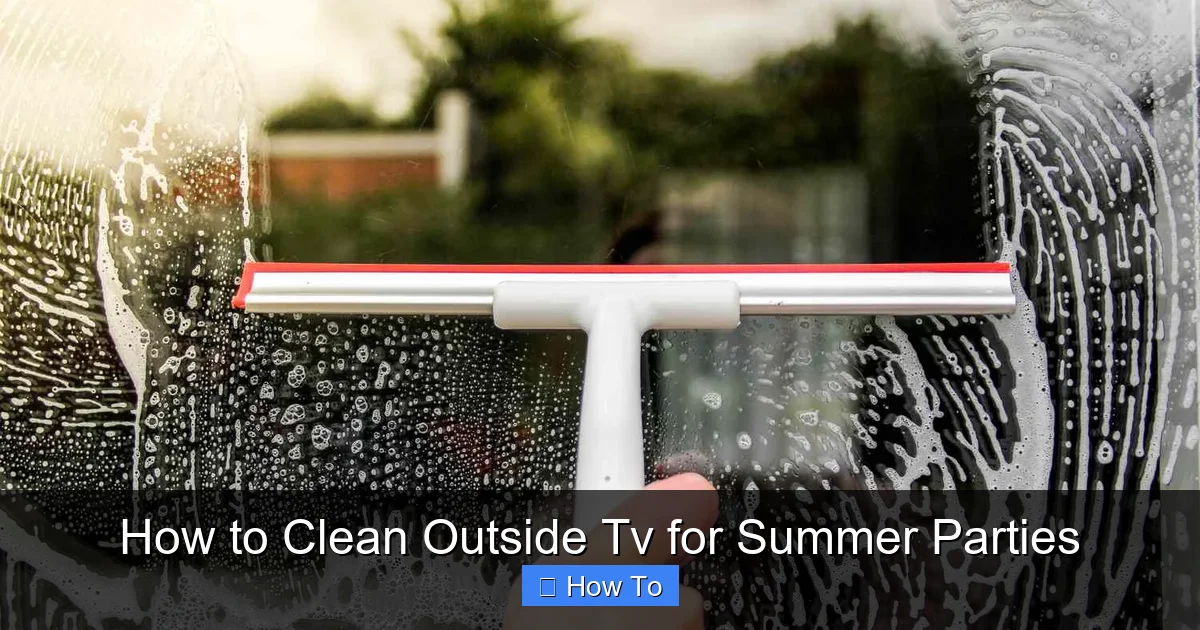
Visual guide about How to Clean Outside Tv for Summer Parties
Image source: southernliving.com
Outdoor TVs are built to withstand the elements, but they’re not invincible. Unlike indoor models, they face constant exposure to UV rays, humidity, pollen, bird droppings, and even salt air if you live near the coast. Over time, this buildup can do more than just dull the picture—it can actually harm your TV.
Dust and dirt on the screen reduce brightness and clarity, making it harder to see during daytime viewing. But the real danger lies in the vents and ports. When these areas get clogged, your TV can’t cool itself properly, leading to overheating and potential component failure. Moisture trapped under grime can also corrode internal parts, especially if your TV isn’t perfectly sealed.
Regular cleaning isn’t just about aesthetics—it’s about performance and longevity. A clean TV runs cooler, looks better, and lasts longer. Plus, nothing kills the party vibe faster than a blurry, streaky screen during the big game or your favorite summer blockbuster.
By cleaning your outdoor TV before summer parties, you’re not just tidying up—you’re investing in reliable entertainment all season long.
When to Clean Your Outdoor TV
Timing your cleaning routine is just as important as the cleaning itself. You don’t need to deep-clean your TV every week, but you should aim for regular maintenance to prevent buildup.
A good rule of thumb is to clean your outdoor TV every two weeks during peak summer months. If you live in a dusty area, near a busy road, or in a region with high pollen counts, you may need to clean it weekly. After heavy rain, storms, or windy days, give it a quick once-over to remove mud splatters, leaves, or debris.
The best time of day to clean is early morning or late afternoon. Avoid cleaning in direct midday sun—the heat can cause cleaning solutions to dry too quickly, leaving behind streaks or residue. Cooler temperatures also reduce the risk of thermal shock if your TV has been in the sun all day.
If you’re prepping for a specific event—like a Fourth of July BBQ or a weekend movie night—clean your TV at least a few hours before guests arrive. This gives you time to dry, inspect, and test everything without rushing.
What You’ll Need to Clean Your Outdoor TV
Before you start, gather all your supplies. Using the wrong tools can scratch your screen or damage sensitive components, so it’s important to choose wisely.
Here’s a checklist of what you’ll need:
- Microfiber cloths: These are soft, lint-free, and ideal for screens. Use one for dusting and a second for wiping. Avoid paper towels, tissues, or rough cloths—they can scratch the surface.
- Distilled water: Tap water contains minerals that can leave spots or streaks. Distilled water evaporates cleanly and is safe for electronics.
- Mild cleaning solution (optional): If your screen is particularly dirty, mix a few drops of mild dish soap with distilled water. Never use ammonia-based cleaners (like Windex), alcohol, or abrasive sprays—they can strip anti-glare coatings.
- Soft-bristle brush or compressed air: Great for gently removing dust from vents, ports, and crevices without touching the screen.
- Isopropyl alcohol (70% or less): Only for non-screen parts like the bezel or housing—never apply directly to the screen.
- Spray bottle: To lightly mist your cleaning solution onto the cloth (not the TV).
- Ladder or step stool (if needed): Make sure it’s stable and safe before climbing.
- Gloves (optional): To keep oils from your hands off the screen.
Having everything ready beforehand makes the process faster and safer. Plus, you won’t have to stop mid-clean to hunt for a cloth or cleaner.
Step-by-Step Guide to Cleaning Your Outdoor TV
Now that you’re prepared, let’s walk through the cleaning process step by step. Follow these instructions carefully to protect your TV and get the best results.
Step 1: Turn Off and Unplug the TV
Safety is your top priority. Before touching anything, turn off your TV using the remote or power button. Then, unplug it from the power source. This prevents electrical shock and protects the internal components from accidental damage.
Even if your TV is weatherproof, water and electricity don’t mix. Unplugging ensures there’s no risk of short circuits, especially if you’re using a damp cloth near ports or vents.
Wait at least 10–15 minutes after unplugging before cleaning. This allows the TV to cool down if it’s been running, reducing the risk of thermal stress.
Step 2: Dust the Screen and Frame
Start by removing loose dust and debris. Use a dry microfiber cloth or a soft-bristle brush to gently wipe the screen from top to bottom. Work in smooth, overlapping strokes—like you’re dusting a mirror.
Don’t press hard. Outdoor TVs often have anti-reflective or anti-glare coatings that can be damaged by excessive pressure. Focus on the center of the screen first, then move to the edges.
Next, dust the frame, bezel, and any exposed ports or vents. Use compressed air to blow out dust from tight spaces, like HDMI ports or speaker grilles. Hold the can upright and spray in short bursts to avoid moisture buildup.
This step removes the bulk of the dirt, so your wet cleaning is more effective and less abrasive.
Step 3: Prepare Your Cleaning Solution
If your screen is just lightly dusty, you may not need any liquid at all—dry microfiber cloths are often enough. But if there are smudges, fingerprints, or sticky residue, a light cleaning solution will help.
Mix a few drops of mild dish soap (like Dawn) with one cup of distilled water in a spray bottle. Shake gently to combine—don’t create suds.
Never spray the solution directly onto the TV. Instead, lightly mist it onto your microfiber cloth. The cloth should be damp, not soaking wet. Excess moisture can seep into the edges of the screen or ports, causing damage.
For tougher grime like bird droppings or tree sap, let the damp cloth sit on the spot for 30 seconds to loosen it before wiping.
Step 4: Wipe the Screen Gently
Now it’s time to clean the screen. Using your damp microfiber cloth, wipe the screen in gentle, circular motions. Start from one corner and work your way across, overlapping slightly with each pass.
Avoid pressing too hard—let the cloth do the work. If you encounter a stubborn spot, apply a little more solution to the cloth and gently rub in small circles. Never use your fingernail or a sharp object to scrape off residue.
After wiping, use a second dry microfiber cloth to buff the screen. This removes any remaining moisture and prevents streaks. Again, use light pressure and smooth strokes.
If you notice streaks, it’s likely due to mineral deposits from tap water or too much cleaner. Switch to distilled water and a cleaner cloth for a final pass.
Step 5: Clean the Frame, Vents, and Ports
Don’t forget the rest of the TV! The frame, vents, and ports can collect dust, pollen, and even insect nests.
Use a slightly damp cloth (with distilled water or isopropyl alcohol diluted 50/50 with water) to wipe down the plastic or metal housing. Pay special attention to the areas around the screen where dirt tends to accumulate.
For vents and speaker grilles, use a soft brush or compressed air to remove buildup. Clogged vents can restrict airflow and cause overheating, so this step is crucial for performance.
If your TV has a protective cover or weather shield, remove it (if possible) and clean both sides. Wipe down the mounting bracket and any exposed screws with a dry cloth to prevent rust.
Step 6: Dry and Inspect
Once everything is clean, give your TV time to air dry completely. This usually takes 10–15 minutes, depending on humidity and airflow.
While waiting, inspect the TV for any signs of damage. Look for cracks in the screen, loose seals, or corrosion on metal parts. Check that all ports are clear and that the mounting hardware is secure.
If you notice any issues—like a cracked seal or rust—consider contacting the manufacturer or a professional for repair. Don’t ignore small problems; they can worsen over time.
Step 7: Reconnect and Test
After the TV is fully dry, plug it back in and turn it on. Let it run for a few minutes to ensure everything is working properly.
Check the picture quality: Is it clear and bright? Are there any dead pixels or discoloration? Listen for unusual sounds from the speakers or fans.
If everything looks and sounds good, you’re all set! Your TV is now clean, safe, and ready for summer fun.
Troubleshooting Common Cleaning Issues
Even with careful cleaning, you might run into a few hiccups. Here’s how to handle the most common problems:
Streaks or Haze on the Screen
Streaks usually happen when cleaning solution dries too quickly or when using the wrong type of water. To fix this, wipe the screen again with a cloth dampened only with distilled water. Buff with a dry microfiber cloth until clear.
If haze persists, it could be a sign of a damaged anti-reflective coating. In that case, avoid further cleaning and consult the manufacturer.
Moisture Under the Screen
If you notice moisture or fogging behind the glass, stop using the TV immediately and unplug it. This could indicate a broken seal, which allows humidity to enter. Contact the manufacturer—using the TV in this state can cause permanent damage.
TV Won’t Turn On After Cleaning
First, double-check that it’s properly plugged in and the outlet has power. If it still doesn’t turn on, wait 30 minutes to ensure all internal components are dry. If the problem continues, there may be water damage or an electrical issue—seek professional help.
Scratches on the Screen
Unfortunately, scratches can’t be reversed. To prevent them, always use microfiber cloths and avoid abrasive materials. If the scratch is minor, it may not affect viewing much—but deep scratches should be evaluated by a technician.
Overheating After Cleaning
If your TV feels hotter than usual or shuts down unexpectedly, check the vents. Make sure they’re completely clear of dust and debris. Also, ensure the TV isn’t placed in direct sunlight or near a heat source like a grill or fire pit.
Tips for Maintaining Your Outdoor TV All Summer
Cleaning once isn’t enough—regular maintenance keeps your TV in peak condition. Here are some pro tips to make upkeep easier:
- Use a weatherproof cover: When not in use, especially during storms or high winds, cover your TV with a breathable, UV-resistant cover. This reduces dirt buildup and protects against rain and sun damage.
- Install in a shaded area: If possible, mount your TV under an awning, pergola, or covered patio. This minimizes direct sun exposure, which can fade colors and degrade components over time.
- Check seals regularly: Inspect the rubber gaskets around the screen and ports every month. Cracked or brittle seals let in moisture—replace them if needed.
- Keep it elevated: Mount your TV at least 7 feet high to avoid splashes from pools, sprinklers, or muddy ground.
- Schedule seasonal deep cleans: In addition to bi-weekly wipe-downs, do a thorough cleaning at the start and end of summer to remove deep grime and prepare for storage.
- Avoid harsh weather: If a storm is coming, consider covering your TV or using a retractable awning. Most outdoor TVs are weather-resistant, not weatherproof—meaning they can handle light rain but not flooding or hail.
Final Thoughts
A clean outdoor TV isn’t just about looking good—it’s about enjoying reliable, high-quality entertainment all summer long. By following this guide, you’ve learned how to safely and effectively clean your screen, frame, and vents using the right tools and techniques.
Remember: safety first, gentle cleaning, and regular maintenance are the keys to a long-lasting outdoor TV. With a little care, your TV will deliver crisp, vibrant pictures for backyard movie nights, sports watch parties, and family gatherings under the stars.
So grab your microfiber cloth, unplug that TV, and get cleaning. Your summer parties are about to get a whole lot brighter.