Keeping your outdoor TV clean in cold weather is essential for performance and longevity. This guide walks you through safe cleaning methods, tools to use, and how to protect your screen from snow, ice, and freezing temperatures—without causing damage.
Key Takeaways
- Turn off and unplug the TV before cleaning: Always ensure the TV is powered down and disconnected to prevent electrical hazards and protect internal components.
- Use only approved cleaning solutions: Avoid ammonia, alcohol, or abrasive cleaners—opt for a mix of distilled water and mild dish soap or a screen-safe cleaner.
- Clean gently with microfiber cloths: Scrubbing or using rough materials can scratch the screen; soft, lint-free cloths are best for safe, effective cleaning.
- Remove snow and ice carefully: Never use metal tools or hot water—gently brush off snow with a soft broom and let ice melt naturally or use a plastic scraper.
- Protect your TV from extreme cold: Use a weatherproof cover when not in use and consider a heated enclosure if temperatures drop below freezing regularly.
- Clean during mild weather when possible: Avoid cleaning in freezing or stormy conditions to reduce risk of slipping or water damage.
- Inspect seals and enclosures regularly: Check for cracks or gaps in the outdoor housing to prevent moisture buildup and internal damage.
How to Clean Outdoor TV for Cold Weather
If you’ve invested in an outdoor TV, you know how amazing it is to enjoy your favorite shows, movies, or sports events under the open sky—even when the temperature drops. But with that comes the responsibility of maintaining your TV in harsh winter conditions. Snow, ice, frost, and freezing rain can accumulate on the screen and housing, potentially affecting picture quality or even causing damage if not handled properly.
Cleaning your outdoor TV in cold weather isn’t the same as wiping down a living room screen. You need to be extra cautious about moisture, temperature changes, and the tools you use. The good news? With the right approach, you can keep your outdoor TV spotless and functioning perfectly all winter long.
In this comprehensive guide, you’ll learn exactly how to clean your outdoor TV for cold weather—safely and effectively. We’ll cover everything from when and how to clean, what supplies to use, how to handle snow and ice buildup, and how to protect your TV from future damage. Whether you live in a snowy mountain town or a chilly coastal area, these tips will help you maintain your outdoor entertainment setup with confidence.
Why Cleaning Your Outdoor TV in Cold Weather Matters
Outdoor TVs are built to withstand the elements, but that doesn’t mean they’re immune to wear and tear. Cold weather brings unique challenges: ice can form on the screen, snow can block the view, and moisture can seep into tiny gaps in the housing. Over time, this can lead to foggy displays, reduced brightness, or even internal corrosion.
Regular cleaning helps prevent these issues. It keeps the screen clear so you can enjoy sharp, vibrant images, and it protects the internal electronics from moisture and dirt buildup. Plus, a clean TV simply looks better—whether you’re hosting a winter barbecue or watching the big game with friends.
But cleaning in cold weather requires special care. Using the wrong tools or methods can crack the screen, damage the anti-reflective coating, or even cause electrical shorts. That’s why it’s crucial to follow a safe, step-by-step process designed specifically for cold-weather conditions.
When to Clean Your Outdoor TV
Timing is everything when it comes to cleaning your outdoor TV in cold weather. You don’t want to clean it during a snowstorm or when temperatures are dangerously low. Here’s when it’s safest and most effective to clean:
Choose a Mild, Dry Day
Pick a day when the temperature is above freezing—ideally between 40°F and 60°F (4°C to 15°C). This gives any ice or frost time to melt naturally and reduces the risk of water freezing on the screen during or after cleaning.
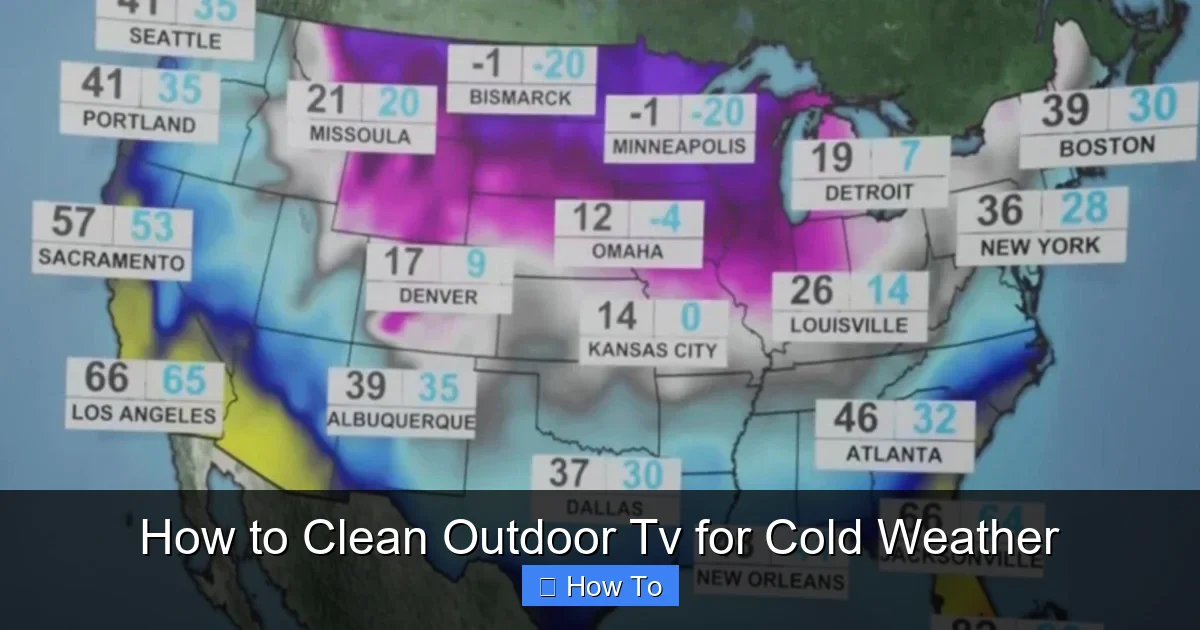
Visual guide about How to Clean Outdoor Tv for Cold Weather
Image source: assets3.cbsnewsstatic.com
Avoid Cleaning in Direct Sunlight or Wind
While a sunny day might seem ideal, direct sunlight can cause cleaning solutions to dry too quickly, leaving streaks. Strong winds can blow debris onto the wet screen or make it harder to control your cleaning tools.
Clean After Snow or Ice Events
If snow has fallen or ice has formed, wait until the weather clears and the temperature rises slightly. This makes it easier to remove buildup without forcing it, which could scratch the screen.
Make It a Routine
Aim to clean your outdoor TV every 2–4 weeks during winter, depending on your climate. More frequent cleaning may be needed in areas with heavy snowfall or frequent freeze-thaw cycles.
Tools and Supplies You’ll Need
Using the right tools is essential for safe and effective cleaning. Here’s a list of what you’ll need:
- Microfiber cloths (lint-free): These are gentle on screens and won’t leave scratches or lint behind. Have at least two—one for wiping and one for drying.
- Soft-bristle brush or handheld broom: Ideal for gently removing snow and loose debris without touching the screen.
- Plastic ice scraper (optional): Use only if ice is stuck—never metal, which can scratch or crack the screen.
- Distilled water: Tap water can leave mineral deposits; distilled water ensures a streak-free finish.
- Mild dish soap: A drop or two mixed with water creates a safe cleaning solution.
- Spray bottle: For applying the cleaning solution evenly without oversaturating the screen.
- Weatherproof cover (optional but recommended): Helps protect the TV when not in use and reduces the need for frequent cleaning.
- Ladder or step stool (if needed): Ensure it’s stable and placed on level ground.
Step-by-Step Guide to Cleaning Your Outdoor TV in Cold Weather
Now that you’re prepared, let’s walk through the cleaning process step by step. Follow these instructions carefully to protect your TV and get the best results.
Step 1: Turn Off and Unplug the TV
Before you do anything, make sure the TV is completely powered off. Then, unplug it from the power source. This is a critical safety step—especially in cold weather, when moisture and electricity can be a dangerous mix. Even if your TV is in a weatherproof enclosure, it’s best to disconnect it during cleaning.
Step 2: Remove Loose Snow and Debris
Use a soft-bristle brush or handheld broom to gently sweep away snow, ice crystals, or leaves from the screen and housing. Work from top to bottom to avoid pushing debris into gaps or vents. Do not press hard—let the bristles do the work.
If there’s light frost, you can often brush it off easily. For heavier snow, take your time and avoid using your hands, as body heat can melt snow unevenly and cause water to seep into seams.
Step 3: Deal with Ice Buildup Safely
Ice is tricky. Never use hot water, a hairdryer, or a metal scraper to remove it—these can crack the screen or damage the anti-reflective coating.
Instead, let the ice melt naturally if possible. If you’re in a hurry, use a plastic ice scraper designed for car windows. Hold it at a shallow angle and gently push the ice off. Never scrape with force.
Another option: cover the TV with a towel or blanket for 10–15 minutes to trap heat and speed up melting. Just make sure the cover is dry and doesn’t touch the screen directly.
Step 4: Prepare Your Cleaning Solution
Mix a few drops of mild dish soap with one cup of distilled water in a spray bottle. Shake gently to combine. Avoid using glass cleaners like Windex—they often contain ammonia or alcohol, which can damage outdoor TV screens over time.
If you prefer a commercial cleaner, choose one labeled “safe for LED/LCD screens” or “anti-static.” Always test it on a small, inconspicuous area first.
Step 5: Dampen the Microfiber Cloth
Never spray the cleaning solution directly onto the screen—this can cause liquid to drip into the edges or vents. Instead, lightly mist your microfiber cloth. The cloth should be damp, not soaking wet.
Excess moisture is your enemy in cold weather. Water can seep into tiny gaps, freeze, and expand, potentially cracking seals or damaging internal components.
Step 6: Wipe the Screen Gently
Using the damp cloth, wipe the screen in slow, circular motions. Start from the top and work your way down. Apply light pressure—no need to scrub. Focus on areas with smudges, fingerprints, or residue.
For stubborn spots, let the cleaning solution sit for 10–15 seconds before wiping. Avoid using paper towels, tissues, or rough cloths—they can scratch the surface.
Step 7: Dry the Screen Thoroughly
Use a second, dry microfiber cloth to wipe the screen and remove any remaining moisture. Buff gently in the same circular motion until the screen is completely dry and streak-free.
This step is especially important in cold weather. Any leftover water can freeze and create a hazy layer or cause long-term damage.
Step 8: Clean the Housing and Surrounding Area
Don’t forget the TV’s bezel, stand, and mounting bracket. Use the same damp cloth to wipe down these areas. Pay attention to vents and speaker grilles—dust and debris can accumulate there and affect performance.
If your TV is wall-mounted, check the wall behind it for mold, mildew, or ice buildup. These can transfer moisture to the TV over time.
Step 9: Inspect for Damage or Wear
While cleaning, take a moment to inspect your TV for signs of damage. Look for cracks in the screen, loose seals, or gaps in the weatherproof housing. Check that all screws and mounts are secure.
If you notice any issues, address them promptly. A small crack or loose seal can let in moisture, leading to bigger problems down the road.
Step 10: Reconnect and Test the TV
Once everything is dry, plug the TV back in and turn it on. Check that the picture is clear and there are no unusual sounds or error messages. If the screen looks foggy or distorted, it may indicate moisture inside—turn it off immediately and consult a professional.
Tips for Protecting Your Outdoor TV in Cold Weather
Cleaning is only part of the equation. To keep your outdoor TV in top shape all winter, follow these protective measures:
Use a Weatherproof Cover
When the TV isn’t in use, cover it with a breathable, weatherproof cover. Look for one made from UV-resistant, waterproof material with ventilation to prevent condensation. Avoid plastic tarps—they trap moisture and can cause mold.
Install a Heated Enclosure (Optional)
If you live in an area with extreme cold, consider investing in a heated outdoor TV enclosure. These units maintain a safe internal temperature, preventing freezing and reducing the risk of damage from ice and snow.
Elevate the TV Off the Ground
Mount your TV high enough to avoid snowdrifts and standing water. This also improves viewing angles and reduces the chance of accidental bumps.
Check Seals and Gaskets Regularly
Over time, rubber seals can dry out or crack in cold weather. Inspect them monthly and replace them if they show signs of wear. This helps keep moisture out and maintains the TV’s weather resistance.
Trim Nearby Trees and Shrubs
Overhanging branches can drop ice, snow, or sap onto your TV. Keep the area around your outdoor TV clear to minimize debris and reduce cleaning frequency.
Troubleshooting Common Cold Weather Issues
Even with proper care, outdoor TVs can run into problems in winter. Here’s how to handle some common issues:
Screen Looks Foggy or Hazy
This usually means moisture has gotten inside the housing. Turn off the TV and let it sit in a warm, dry place for 24–48 hours. If the fog doesn’t clear, there may be a seal failure—contact the manufacturer or a technician.
TV Won’t Turn On After a Snowstorm
Check the power source first. If the outlet or extension cord is damaged by ice or snow, it may not be delivering power. Also, ensure the TV wasn’t exposed to water during the storm. If everything looks fine but it still won’t turn on, seek professional help.
Cracks or Scratches on the Screen
These are often caused by improper cleaning tools or forcing ice off the screen. Unfortunately, screen damage usually requires professional repair or replacement. Prevent future issues by using only soft cloths and gentle techniques.
Remote Control Not Working
Cold weather can drain batteries faster. Replace them with fresh ones and ensure there’s no ice blocking the sensor on the TV. If the problem persists, the remote’s internal components may be affected by moisture.
Final Thoughts
Cleaning your outdoor TV in cold weather doesn’t have to be stressful. With the right tools, techniques, and timing, you can keep your screen crystal clear and your TV running smoothly all season long. Remember: safety first—always unplug the TV, avoid harsh chemicals, and never force ice or snow off the screen.
Regular maintenance not only improves your viewing experience but also extends the life of your investment. By following this guide, you’ll be able to enjoy outdoor entertainment year-round, no matter what the weather brings.
So grab your microfiber cloth, wait for that mild winter day, and give your outdoor TV the care it deserves. Your favorite shows will look better than ever—and your TV will thank you.