Installing a patio TV for a large outdoor area can transform your backyard into a premium entertainment zone. This guide walks you through choosing the right TV, mounting it safely, managing cables, and ensuring weather protection—so you can enjoy movie nights under the stars.
Key Takeaways
- Choose an outdoor-rated TV: Standard indoor TVs aren’t built to handle sun, rain, or temperature swings. Invest in a weatherproof, all-season outdoor TV designed for patios.
- Pick the right mounting location: Consider viewing angles, distance, glare, and shelter from direct sunlight and rain. A covered or semi-covered area works best.
- Use a sturdy, weather-resistant mount: A full-motion or tilt mount gives flexibility, but make sure it’s rated for outdoor use and can support your TV’s weight.
- Plan cable routing early: Hide and protect HDMI, power, and antenna cables using conduit or in-wall solutions to prevent tripping and weather damage.
- Ensure proper ventilation and cooling: Outdoor TVs can overheat in direct sun. Allow airflow around the unit and avoid enclosing it in tight spaces.
- Test and secure all connections: Before finalizing installation, test the TV, sound system, and streaming devices to ensure everything works flawlessly.
- Maintain regularly: Clean the screen, check seals, and inspect mounts seasonally to keep your patio TV in top condition year-round.
How to Install Patio TV for Large Patio
Imagine hosting summer barbecues, game nights, or movie marathons under the stars—all from the comfort of your spacious backyard. A patio TV can make that dream a reality. But installing a TV for a large outdoor space isn’t as simple as mounting a screen on the wall. You need to consider weather resistance, viewing distance, cable management, and structural support.
In this comprehensive guide, we’ll walk you through every step of installing a patio TV for a large patio. Whether you’re setting up a 65-inch screen for a family gathering or a 75-inch beast for a full outdoor theater experience, we’ve got you covered. You’ll learn how to choose the right TV, pick the perfect spot, mount it safely, hide cables, and keep everything running smoothly—rain or shine.
Let’s get started.
Step 1: Choose the Right Outdoor TV
Not all TVs are created equal—especially when it comes to outdoor use. A standard indoor TV might seem like a budget-friendly option, but it won’t survive long in the elements. Sunlight, humidity, rain, and temperature fluctuations can damage internal components and degrade picture quality.
Look for an Outdoor-Rated TV
Invest in a TV specifically designed for outdoor use. These models are built with weatherproof casings, anti-glare screens, and enhanced cooling systems. Brands like SunBrite, Samsung Terrace, and LG Outdoor offer reliable options.
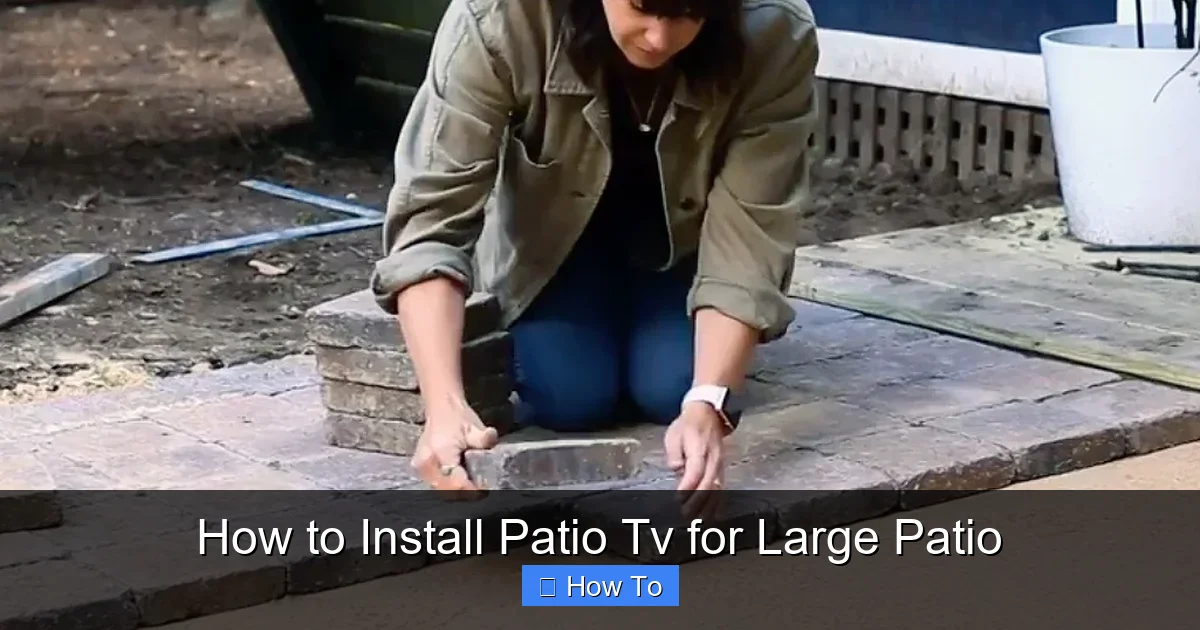
Visual guide about How to Install Patio Tv for Large Patio
Image source: contentgrid.homedepot-static.com
Consider Screen Size and Resolution
For a large patio, a 65-inch to 75-inch TV is ideal. It provides a cinematic experience without overwhelming the space. Choose at least 4K resolution for sharp, vibrant images—even from a distance.
Check Brightness Levels
Outdoor TVs need high brightness to combat sunlight. Look for models with at least 700 nits of brightness, though 1,000+ nits is better for sunny areas. Anti-reflective coatings also help reduce glare.
Decide Between Partial Sun and Full Sun Models
If your patio is covered or shaded, a “partial sun” TV may suffice. For fully exposed areas, go with a “full sun” model that offers maximum brightness and weather protection.
Include Smart Features
Most outdoor TVs come with built-in Wi-Fi and smart platforms like Roku, Android TV, or webOS. This lets you stream Netflix, YouTube, or live sports without extra devices.
Step 2: Select the Ideal Mounting Location
Where you place your TV is just as important as the TV itself. A poor location can lead to glare, poor viewing angles, or even water damage.
Assess Your Patio Layout
Walk around your patio and note where people typically sit. Look for a wall or structure that offers a clear, unobstructed view from seating areas. Avoid placing the TV near windows or reflective surfaces that cause glare.
Consider Viewing Distance
For a 65-inch TV, the ideal viewing distance is 8 to 10 feet. For a 75-inch screen, aim for 9 to 12 feet. Use a tape measure to simulate the distance and ensure everyone has a comfortable view.
Protect from the Elements
Even with a weatherproof TV, it’s best to install it under a covered area—like a pergola, awning, or roof overhang. This shields it from direct rain and intense midday sun, extending its lifespan.
Check for Structural Support
The mounting surface must be strong enough to hold the TV and mount. Brick, concrete, or solid wood walls are ideal. Avoid drywall or thin siding unless you reinforce it with backing boards.
Avoid Heat Traps
Don’t mount the TV in a tight enclosure or near heat sources like grills or fire pits. Outdoor TVs need airflow to prevent overheating.
Step 3: Choose the Right Mount
A high-quality mount ensures your TV stays secure, stable, and adjustable.
Outdoor-Rated Mounts Only
Standard indoor mounts aren’t built for outdoor conditions. Use a mount labeled for outdoor use, with rust-resistant coatings and sealed hardware.
Full-Motion vs. Fixed Mount
A full-motion (articulating) mount lets you tilt and swivel the TV for optimal viewing from different angles. Great for large patios with varied seating. A fixed mount is simpler and more secure but offers less flexibility.
Check Weight and Size Compatibility
Match the mount to your TV’s VESA pattern and weight. Most outdoor mounts support 32-inch to 85-inch TVs and up to 150 pounds. Double-check the specs before buying.
Consider Tilt and Swivel Features
If your TV is mounted high, a tilt feature helps reduce neck strain. Swivel allows you to angle the screen toward different seating zones—perfect for large gatherings.
Step 4: Gather Your Tools and Materials
Before you start drilling, make sure you have everything you need.
Essential Tools
- Power drill
- Masonry drill bits (for brick or concrete)
- Level
- Tape measure
- Screwdrivers
- Stud finder (if mounting on wood)
- Socket wrench set
Materials
- Outdoor TV mount
- Lag bolts or concrete anchors
- Weatherproof conduit or cable raceway
- Outdoor-rated extension cord or direct wiring kit
- Silicone sealant (for sealing holes)
- Surge protector or outdoor power outlet
Safety Gear
Wear safety goggles, gloves, and a dust mask—especially when drilling into brick or concrete.
Step 5: Prepare the Mounting Surface
A secure installation starts with proper preparation.
Locate Studs or Use Anchors
If mounting on wood, use a stud finder to locate studs. Mounting into studs provides the strongest hold. For brick or concrete, use masonry anchors or sleeve anchors.
Mark the Mounting Holes
Hold the mount against the wall at the desired height. Use a level to ensure it’s straight. Mark the screw holes with a pencil.
Drill Pilot Holes
Drill pilot holes slightly smaller than your anchors or lag bolts. For concrete, use a hammer drill and masonry bit. Blow out dust from the holes before inserting anchors.
Seal the Holes
After drilling, apply a small amount of silicone sealant around the holes. This prevents water from seeping into the wall and causing damage.
Step 6: Install the Mount
Now it’s time to secure the mount to the wall.
Attach the Mount Bracket
Line up the mount with the pilot holes. Insert lag bolts or anchors and tighten with a socket wrench. Don’t overtighten—this can strip the holes or crack the wall.
Double-Check Level and Stability
Use a level to confirm the mount is perfectly horizontal. Give it a gentle shake to test stability. It should feel solid and immovable.
Attach the TV Arms (if applicable)
Some mounts have separate arms that attach to the TV. Secure these to the back of the TV using the provided screws and VESA pattern guide.
Step 7: Run and Hide Cables
Exposed cables are not only unsightly—they’re a tripping hazard and vulnerable to weather damage.
Plan the Cable Route
Decide how you’ll run power, HDMI, and antenna cables from the TV to your source devices (like a streaming box or cable box). The cleanest option is to run cables through the wall or use a surface-mounted conduit.
Use Outdoor-Rated Conduit
For surface routing, install a weatherproof cable raceway along the wall. These come in paintable finishes to blend with your patio. Secure with outdoor-rated adhesive or screws.
In-Wall Cable Management (Advanced)
If you’re comfortable with DIY electrical work, run cables inside the wall. Use an in-wall power kit rated for outdoor use. This requires cutting holes and fishing wires—consider hiring an electrician if you’re unsure.
Label and Organize Cables
Use zip ties or Velcro straps to bundle cables neatly. Label each one (e.g., “HDMI 1,” “Power”) so you can easily identify them later.
Protect Connections
Use waterproof cable connectors or silicone tape to seal any exposed joints. This prevents moisture from causing shorts or corrosion.
Step 8: Mount the TV
With the mount secure and cables in place, it’s time to hang the TV.
Lift with Care
TVs are heavy and fragile. Have a helper assist you. Lift the TV by the frame—never by the screen.
Attach to the Mount
Align the TV’s mounting holes with the arms or bracket on the wall. Slide it into place and secure with the provided locking screws or pins.
Test the Movement
If using a full-motion mount, gently tilt and swivel the TV to ensure smooth operation. Make sure it stays in position when adjusted.
Connect the Cables
Plug in the power, HDMI, and any other cables. Route them through the conduit or wall channel to keep things tidy.
Step 9: Power and Connect Devices
Now that the TV is mounted, it’s time to bring it to life.
Use a Surge Protector
Outdoor power surges are common. Plug the TV and all devices into a heavy-duty outdoor surge protector. This protects against lightning and voltage spikes.
Direct Wiring (Optional)
For a permanent setup, consider hiring an electrician to install a dedicated outdoor outlet near the TV. This eliminates extension cords and improves safety.
Connect Streaming Devices
Attach a streaming stick (like Roku or Fire Stick) or an outdoor media player to an HDMI port. Use a weatherproof cover for the port if exposed.
Set Up Sound
For better audio, connect outdoor speakers or a soundbar. Wireless options like Bluetooth speakers are convenient, but wired systems offer more reliable sound.
Step 10: Test and Calibrate
Before you kick back with a cold drink, make sure everything works.
Power On and Check Picture
Turn on the TV and verify the picture is clear and bright. Adjust the picture settings for outdoor viewing—increase brightness and contrast if needed.
Test All Inputs
Switch between HDMI ports, streaming apps, and antenna input to ensure all sources work.
Check Audio
Play music or a movie trailer to test the sound. Adjust volume and balance for your patio’s acoustics.
Secure Loose Cables
Tuck any loose wires into the conduit or raceway. Use cable clips to keep them in place.
Troubleshooting Common Issues
Even with careful planning, problems can arise. Here’s how to fix the most common ones.
TV Won’t Turn On
Check the power connection and surge protector. Make sure the outlet has power. If using an extension cord, ensure it’s rated for outdoor use and not damaged.
Poor Picture Quality
Adjust the TV’s picture settings. Reduce motion smoothing and increase sharpness. If glare is an issue, reposition the TV or add a shade.
Overheating
If the TV shuts off unexpectedly, it may be overheating. Ensure there’s adequate airflow around the unit. Avoid enclosing it in a cabinet.
Water Damage
If you notice moisture inside the screen, power off the TV immediately. Check seals and mounting area for leaks. Use a dehumidifier nearby if humidity is high.
Wi-Fi Connectivity Issues
Outdoor Wi-Fi signals can be weak. Use a Wi-Fi extender or mesh network to boost coverage to your patio. Alternatively, connect via Ethernet using a weatherproof cable.
Maintenance Tips for Long-Term Use
To keep your patio TV in top shape, regular maintenance is key.
Clean the Screen Monthly
Use a microfiber cloth and screen-safe cleaner. Avoid paper towels or harsh chemicals that can scratch the anti-glare coating.
Inspect Mounts and Cables
Every few months, check that screws are tight and cables are secure. Look for signs of rust, fraying, or wear.
Check Weather Seals
Inspect the TV’s casing and mounting area for cracks or gaps. Reapply silicone sealant if needed.
Cover During Off-Season
If you live in a region with harsh winters, consider using a weatherproof TV cover when the TV isn’t in use.
Conclusion
Installing a patio TV for a large outdoor space is a rewarding project that enhances your home’s entertainment value. By choosing the right outdoor-rated TV, mounting it securely, managing cables neatly, and protecting it from the elements, you can create a stunning outdoor theater that lasts for years.
Take your time with each step, prioritize safety, and don’t hesitate to consult a professional for electrical or structural work. With the right setup, your patio will become the go-to spot for summer nights, sports events, and family gatherings.
So grab your tools, pick a clear day, and start building your dream outdoor entertainment zone. The popcorn is on you.