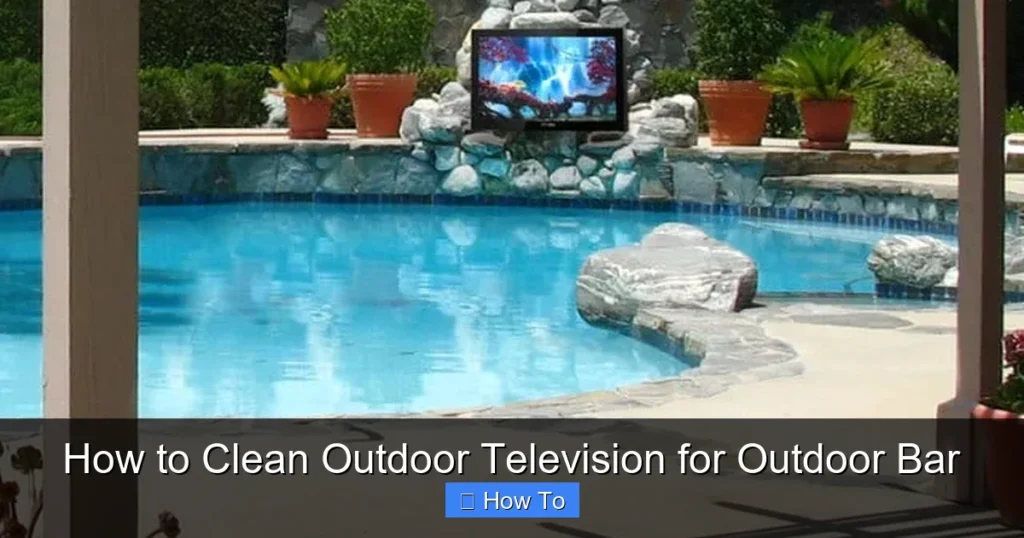
Transform your outdoor entertainment space by neatly concealing cables for your weatherproof TV on a pergola. This guide walks you through planning, routing, securing, and protecting wires for a clean, professional look that stands up to the elements.
Key Takeaways
- Plan your cable route first: Map out the shortest, safest path from your TV to power and source devices to minimize exposure and clutter.
- Use weatherproof conduit and raceways: Protect cables from rain, UV rays, and temperature swings with outdoor-rated enclosures.
- Anchor cables securely: Prevent sagging or damage by using UV-resistant clips, ties, and mounting hardware designed for outdoor use.
- Choose the right tools and materials: Invest in waterproof connectors, outdoor-rated cables, and corrosion-resistant fasteners for long-term durability.
- Test everything before finalizing: Ensure all connections work and signals are strong before sealing or hiding cables permanently.
- Maintain accessibility: Design your setup so you can reach cables for repairs or upgrades without dismantling the entire system.
- Prioritize safety: Always turn off power before working and follow local electrical codes to avoid hazards.
How to Hide Cables for a Weatherproof TV on a Pergola
Imagine relaxing under your pergola on a warm summer evening, watching your favorite show on a sleek, weatherproof TV—no messy wires in sight. Sounds perfect, right? But getting there means tackling one of the trickiest parts of outdoor entertainment: hiding cables. Exposed wires not only look messy, but they’re also a tripping hazard and vulnerable to weather damage. The good news? With the right tools and a bit of planning, you can create a clean, safe, and professional-looking setup that lasts for years.
In this guide, we’ll walk you through every step of hiding cables for your weatherproof TV on a pergola. Whether you’re mounting your TV on a post, beam, or wall, we’ll show you how to route, protect, and conceal wires so your outdoor space stays stylish and functional. You’ll learn about the best materials, smart routing techniques, and safety tips to keep your system running smoothly—rain or shine.
Why Hiding Cables Matters for Outdoor TVs
Outdoor TVs are built to withstand the elements, but the cables connected to them aren’t always as tough. Rain, snow, extreme heat, and UV exposure can degrade standard wiring over time, leading to signal loss, electrical issues, or even safety hazards. Plus, tangled or dangling cables ruin the clean look of your pergola and can become a tripping danger—especially if you have kids or guests.
Hiding cables isn’t just about aesthetics. It’s about protection, safety, and longevity. By enclosing and securing your wires, you’re shielding them from moisture, pests, and physical damage. You’re also making future maintenance easier and reducing the risk of accidental disconnections. And let’s be honest—nothing beats the satisfaction of a clean, wire-free outdoor entertainment zone.
Step 1: Plan Your Cable Route
Before you touch a single cable, take time to plan your route. A well-thought-out plan saves time, reduces frustration, and ensures a cleaner result. Start by identifying where your TV will mount and where your power source and AV equipment (like a streaming box, soundbar, or receiver) will live.
Map the Shortest Path
Look for the most direct route from your TV to the power outlet and other devices. Ideally, this path should follow the structure of your pergola—along beams, under roofing, or down posts. Avoid crossing open spaces where cables could sag or get snagged.
Consider Access Points
Think about where you’ll run cables through walls, under decking, or into a nearby house or shed. If your pergola is attached to your home, you might route wires through an exterior wall. If it’s freestanding, you may need to bury conduit underground or run it along the ground in a protective raceway.
Check for Obstacles
Look for potential hurdles like electrical lines, plumbing, or structural supports. You don’t want to drill into a water line or interfere with existing wiring. Use a stud finder or consult building plans if available.
Measure Twice, Cut Once
Measure the distance from your TV to each device and add a little extra length for slack. It’s better to have too much cable than too little. Label each cable (HDMI, power, audio, etc.) so you know what’s what during installation.
Step 2: Gather the Right Tools and Materials
Using the right gear makes all the difference. Outdoor cable management requires weather-resistant, durable materials that can handle sun, rain, and temperature changes. Here’s what you’ll need:
Weatherproof Conduit or Raceways
These are plastic or metal channels that enclose and protect cables. Look for UV-resistant, waterproof conduit rated for outdoor use. PVC conduit is affordable and easy to work with, while metal options offer extra durability. Flexible conduit is great for tight spaces or curved routes.
Outdoor-Rated Cables
Standard indoor cables won’t cut it. Use outdoor-rated HDMI, power, and audio cables with weatherproof jackets. These are designed to resist moisture, UV damage, and temperature extremes. Look for labels like “direct burial” or “outdoor use” on the packaging.
Cable Clips and Fasteners
Use stainless steel or UV-resistant plastic clips to secure cables to beams, posts, or walls. Avoid regular zip ties—they become brittle in the sun. Instead, opt for heavy-duty, outdoor-rated cable ties or screw-in clips.
Waterproof Connectors and Junction Boxes
If you need to splice or extend cables, use waterproof connectors or a sealed junction box. These prevent moisture from entering the connection points, which is a common cause of failure.
Tools You’ll Need
- Drill with masonry and wood bits
- Measuring tape
- Cable stripper
- Fish tape (for pulling cables through walls or conduit)
- Screwdrivers and wrenches
- Cable cutter
- Level (to keep everything straight)
Step 3: Mount Your Weatherproof TV
With your plan in place and tools ready, it’s time to mount your TV. A secure mount is the foundation of a clean cable setup.
Choose the Right Mount
Use a heavy-duty, weatherproof TV mount designed for outdoor use. Look for one with a tilt or swivel feature if you want flexibility in viewing angles. Make sure it’s compatible with your TV’s VESA pattern and weight.
Mount on a Sturdy Surface
Attach the mount to a solid beam or post—not just decorative trim. Use lag bolts or structural screws rated for outdoor use. If mounting on wood, pre-drill holes to prevent splitting. For concrete or brick, use masonry anchors.
Leave Room for Cables
When attaching the mount, leave a small gap between the wall and the bracket so cables can pass behind the TV. This helps hide wires and keeps them from getting pinched.
Test the Mount
Before hanging the TV, test the mount by applying gentle pressure. It should feel solid and not wobble. Once secure, attach your TV and double-check that it’s level.
Step 4: Run and Protect Your Cables
Now comes the core of the project: routing your cables safely and neatly.
Use Conduit for Long Runs
For cables running along beams, under roofing, or down posts, install weatherproof conduit. Cut the conduit to length, then secure it with outdoor-rated clips every 12–18 inches. Leave a little slack at each end for easy connection.
Bury Underground (If Needed)
If running cables from your house to a freestanding pergola, consider burying conduit underground. Dig a trench 18–24 inches deep (check local codes for requirements), lay the conduit, and run your cables through it. Use direct-burial-rated cables and seal all connections.
Route Through Walls or Under Decking
If your pergola is attached to your home, drill a small hole through the exterior wall near the TV location. Use a drill bit slightly larger than your conduit. Insert the conduit and seal the hole with outdoor caulk or silicone to prevent water intrusion.
Use Raceways for Surface Mounting
For a cleaner look on exposed surfaces, install adhesive or screw-on raceways. These snap-on channels hide cables while allowing easy access. Paint them to match your pergola for a seamless finish.
Label and Organize Cables
As you run each cable, label both ends with tape or tags. Group similar cables together (e.g., all HDMI, all power) and use cable ties to keep them neat. Avoid over-tightening—this can damage the wires inside.
Step 5: Secure and Conceal the Cables
Once your cables are in place, it’s time to lock them down and hide them from view.
Anchor Cables to Structure
Use outdoor-rated cable clips or straps to secure wires to beams, posts, or walls. Space them every 12–16 inches to prevent sagging. For vertical runs, add extra support near the top and bottom.
Hide Behind Trim or Panels
If your pergola has decorative trim or lattice panels, route cables behind them. You can also install custom wood or PVC covers to conceal wires along beams.
Use Cable Drops or Grommets
For cables dropping from the TV to a soundbar or streaming device, use a cable drop sleeve or flexible grommet. These create a clean, professional look and protect wires from sharp edges.
Tuck into Corners or Under Roofing
Where possible, route cables along the underside of roofing or into corners where they’re less visible. Avoid running wires in high-traffic areas or where they might get stepped on.
Step 6: Test and Finalize the Setup
Before you call it done, test everything to make sure it works.
Power On and Check Signals
Plug in your TV and all connected devices. Test each input (HDMI, USB, etc.) to ensure strong signal quality. Watch for flickering, audio dropouts, or power issues.
Inspect for Loose Connections
Check all cable ends and connectors. Make sure nothing is loose, pinched, or exposed. Re-secure any clips or ties that feel weak.
Seal Openings
Use weatherproof silicone or caulk to seal any holes, conduit ends, or gaps where cables enter walls or enclosures. This prevents water and pests from getting in.
Do a Final Visual Check
Step back and look at your setup. Are the cables hidden? Is everything level and secure? Make any final adjustments for a polished look.
Troubleshooting Common Issues
Even with careful planning, problems can pop up. Here’s how to handle the most common ones:
Signal Loss or Interference
If your picture or sound cuts out, check for damaged cables or loose connections. Long HDMI runs can weaken signals—use an HDMI extender or signal booster if needed. Avoid running power and data cables parallel to each other, as this can cause interference.
Cables Sagging or Coming Loose
This usually means clips are too far apart or not strong enough. Add more support points or switch to heavier-duty fasteners. For long horizontal runs, consider using a cable tray or support wire.
Water Getting Into Conduit
If you find moisture inside your conduit, check for gaps in seals or improper slope. Conduit should slope slightly downward away from the TV to let water drain. Re-caulk all entry points and consider adding a drip loop before cables enter the enclosure.
Difficulty Accessing Cables Later
If you can’t reach cables for repairs, you may have sealed them too tightly. Use removable raceways or install access panels in key areas. Label access points clearly for future reference.
Safety Tips You Can’t Ignore
Working with electricity and outdoor structures comes with risks. Follow these safety guidelines:
- Turn off power at the breaker before handling any electrical cables.
- Use GFCI outlets for all outdoor power sources to prevent shocks.
- Never run power cables through the same conduit as data cables unless they’re specifically rated for it.
- Check local building and electrical codes—some areas require permits for outdoor wiring.
- Wear safety glasses and gloves when drilling or cutting materials.
- If you’re unsure about electrical work, hire a licensed electrician.
Maintaining Your Hidden Cable System
Once your cables are hidden, a little maintenance goes a long way.
Inspect Twice a Year
Check clips, seals, and conduit for damage, especially after storms or extreme weather. Look for cracks, rust, or loose fittings.
Clean Conduit and Raceways
Remove dirt, leaves, or debris that could trap moisture. Use a soft brush or compressed air.
Test Connections
Periodically test your TV and devices to catch issues early. Replace any worn cables before they fail.
Trim Overgrown Plants
Vines or shrubs can snag cables or block access. Keep vegetation trimmed back from your setup.
Conclusion
Hiding cables for your weatherproof TV on a pergola might seem like a daunting task, but with the right approach, it’s totally doable—and incredibly rewarding. By planning your route, using weatherproof materials, and securing everything properly, you’ll create a clean, safe, and professional-looking outdoor entertainment space.
Remember, the key is to protect your investment—both your TV and your cables—from the elements while keeping your setup accessible for future maintenance. Take your time, follow safety guidelines, and don’t hesitate to ask for help if needed. Soon, you’ll be enjoying movie nights under the stars, with nothing but clear skies and great sound in sight.
Your pergola isn’t just a structure—it’s your outdoor living room. Make it look and feel the part.