Hiding TV cables on a patio in an apartment doesn’t have to be complicated or damaging to your rental. This guide walks you through simple, non-permanent methods to keep cords organized, safe, and out of sight—perfect for small outdoor spaces.
Key Takeaways
- Use adhesive cable clips and raceways: These stick-on solutions let you route cables along walls or railings without drilling holes.
- Opt for wireless alternatives: Reduce cable clutter with wireless HDMI transmitters and Bluetooth audio devices.
- Choose flexible, outdoor-safe cords: Use weather-resistant extension cords and cables rated for outdoor use.
- Leverage furniture and decor: Hide cables behind outdoor furniture, planters, or decorative screens for a clean look.
- Plan your cable path before setup: Map out the shortest, safest route from your TV to the power source and signal source.
- Prioritize safety and compliance: Avoid tripping hazards and ensure all electrical setups meet local codes and landlord rules.
- Use zip ties and Velcro straps sparingly: Secure loose wires neatly, but avoid over-tightening to prevent damage.
How to Hide Cables TV for Patio for Apartments
If you’ve set up a TV on your apartment patio, you’ve probably already enjoyed the luxury of outdoor movie nights, sports games, or binge-watching under the stars. But let’s be honest—those dangling power cords, HDMI cables, and audio wires can quickly turn your cozy setup into a tangled mess. Not only do exposed cables look messy, but they also pose tripping hazards and can get damaged by weather or foot traffic.
The good news? You don’t need to be a DIY expert or risk losing your security deposit to fix this. With a few smart, renter-friendly strategies, you can hide TV cables on your patio without drilling holes, running wires through walls, or violating your lease agreement.
This guide will walk you through practical, step-by-step methods to organize and conceal your TV cables—keeping your outdoor space safe, stylish, and clutter-free. Whether you’re working with a small balcony or a spacious patio, these tips are designed specifically for apartment dwellers who want functionality without the fuss.
By the end of this guide, you’ll know exactly how to route, secure, and hide your cables using affordable tools and creative solutions. Let’s get started!
Step 1: Assess Your Patio Setup and Cable Needs
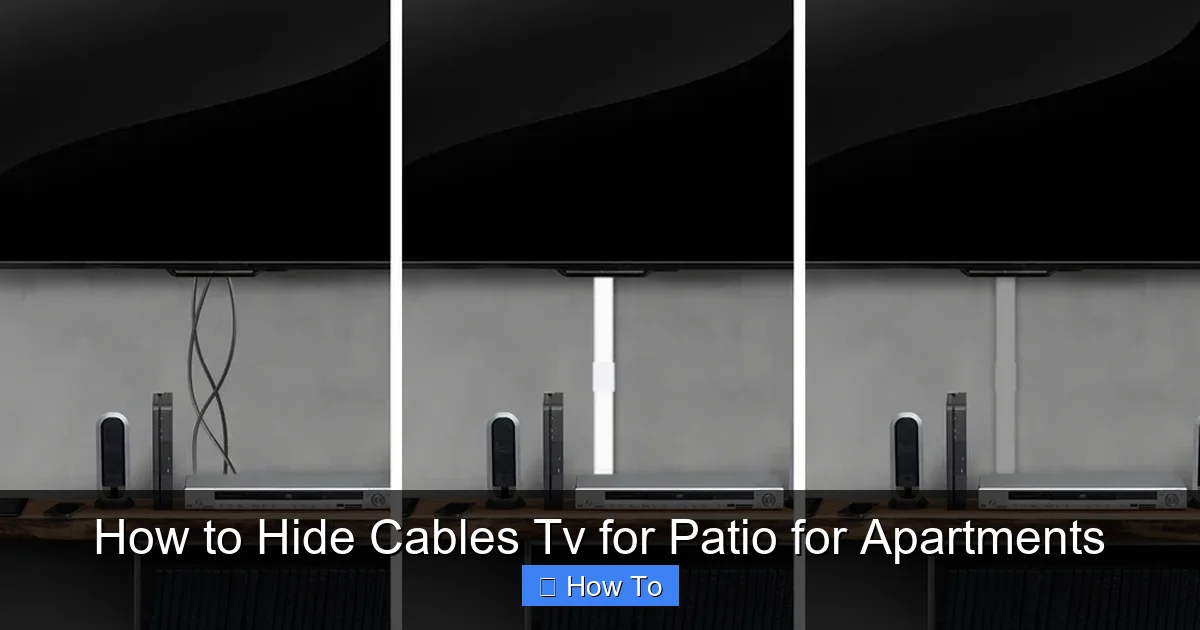
Visual guide about How to Hide Cables Tv for Patio for Apartments
Image source: blog.puls.com
Before you start hiding cables, take a moment to evaluate your current setup. Understanding your layout will help you choose the best hiding strategy.
Identify All Cables You Need to Hide
Start by listing every cable connected to your outdoor TV:
– Power cord (from TV to outlet)
– HDMI cable (from TV to streaming device, cable box, or gaming console)
– Audio cables (if using external speakers)
– Ethernet cable (if using wired internet for better streaming)
– Any additional power strips or surge protectors
Count how many cables you have and note their lengths. This will help you determine what kind of cable management tools you’ll need.
Map Out the Cable Path
Walk from your TV to the nearest power source and signal source (like a wall outlet or indoor media box). Look for the shortest, safest route. Avoid areas where people walk frequently or where water might collect.
For example:
– If your TV is mounted on a railing, you might run cables down the side of the railing to a ground-level outlet.
– If your TV is on a stand near a wall, you can route cables along the baseboard or behind furniture.
Check Your Lease and Building Rules
Since you’re in an apartment, it’s crucial to review your lease agreement. Some landlords prohibit drilling, stapling, or modifying exterior surfaces. Others may have rules about outdoor electrical use.
If you’re unsure, send a quick email to your property manager asking:
> “I’d like to set up a TV on my patio and need to run a few cables. Are there any restrictions on using adhesive clips or outdoor-rated extension cords?”
Most will approve low-impact solutions—especially if you emphasize safety and cleanliness.
Step 2: Choose the Right Tools and Materials
Now that you’ve assessed your setup, it’s time to gather the right tools. The goal is to hide cables securely without damaging walls, railings, or flooring.
Essential Cable Hiding Supplies
Here’s a list of renter-friendly products that work well for patios:
– **Adhesive cable clips** – Small plastic or rubber clips that stick to surfaces and hold individual wires.
– **Cable raceways (also called wire ducts or channels)** – Flat, rectangular covers that hide multiple cables in a single strip.
– **Outdoor-rated extension cords** – Look for cords labeled “SJTW” or “SJTOW” for weather resistance.
– **Weatherproof cable sleeves** – Flexible, zip-up covers that protect wires from rain and UV rays.
– **Velcro cable ties** – Reusable straps that bundle cables without cutting or damaging them.
– **Decorative cord covers** – Fabric or rubber wraps that double as style accents.
– **Wireless HDMI transmitters** – Eliminate the need for long HDMI runs.
Where to Buy
You can find these items at hardware stores like Home Depot or Lowe’s, or online at Amazon, Best Buy, or Walmart. Look for bundles that include clips, raceways, and ties to save money.
Pro Tip: Go Wireless Where Possible
The fewer cables you have, the easier they are to hide. Consider these wireless upgrades:
– Use a **wireless HDMI transmitter** (like the J-Tech Digital or Nyrius models) to send video and audio from your indoor media box to your outdoor TV.
– Switch to **Bluetooth speakers** instead of wired ones.
– Use a **Wi-Fi extender** or **mesh network** to boost your signal so you don’t need an Ethernet cable.
These upgrades can cut your cable count in half—and make hiding the rest much simpler.
Step 3: Route Cables Along Walls and Railings
One of the easiest ways to hide cables is to run them along vertical or horizontal surfaces like walls, railings, or fence posts. This keeps wires off the ground and out of sight.
Use Adhesive Cable Clips for Quick Fixes
Adhesive clips are perfect for small jobs. Here’s how to use them:
1. Clean the surface with rubbing alcohol to remove dust and grease.
2. Peel off the backing and press the clip firmly into place.
3. Insert the cable into the clip.
4. Space clips every 6–12 inches to prevent sagging.
These clips work on metal railings, wood fences, and painted walls. Just avoid porous or textured surfaces—they won’t stick well.
Install Cable Raceways for a Clean Look
For longer runs or multiple cables, raceways are your best friend. They’re like mini gutters for wires.
To install:
1. Measure the length of your cable path.
2. Cut the raceway to size using a utility knife or scissors (most are made of flexible PVC).
3. Peel off the adhesive backing and press it onto the wall or railing.
4. Open the raceway, lay your cables inside, and snap it shut.
Raceways come in white, black, and gray—choose a color that blends with your patio. Some even have paintable surfaces if you want a custom match.
Secure Cables to Railings with Zip Ties
If your patio has a metal or wooden railing, you can loop cables around it using zip ties or Velcro straps.
– Wrap the cable loosely around the railing.
– Use a zip tie to secure it, but don’t tighten too much—this can damage the cable.
– For a cleaner look, use black zip ties or wrap the area with a fabric cord cover.
Avoid staples or nails—they’re permanent and could violate your lease.
Step 4: Hide Cables Behind Furniture and Decor
Sometimes, the best hiding spot is right in plain sight. Use your existing patio furniture and decor to conceal cables.
Tuck Wires Behind Outdoor Sofas or Chairs
If your TV is near a seating area, route cables behind your couch or chairs. Most outdoor furniture has open backs or gaps where wires can slip through.
– Run the power cord and HDMI cable along the back of the sofa.
– Use Velcro straps to bundle them together.
– Let the cables drop down behind the furniture to a nearby outlet.
This method keeps cables off the ground and out of view—plus, it’s easy to access if you need to unplug something.
Use Planters and Pots as Cable Hiders
Large outdoor planters aren’t just for plants—they’re great for hiding power strips and excess cable length.
– Place a power strip inside a waterproof planter with drainage holes.
– Run cables through the drainage hole or a small side opening.
– Cover the opening with mulch or decorative stones to hide it.
Just make sure the planter is stable and won’t tip over in the wind.
Create a DIY Cable Screen
If you’re feeling crafty, build a simple screen using:
– A wooden lattice panel
– A bamboo mat
– A decorative room divider
Attach it to the wall or place it freestanding near your TV setup. Run cables behind it and secure them with clips. This adds privacy and style while hiding wires.
Step 5: Protect Cables from Weather and Wear
Patio cables are exposed to sun, rain, and temperature changes. Without protection, they can degrade quickly—leading to poor performance or safety risks.
Use Weatherproof Cable Sleeves
These flexible, zip-up covers shield wires from moisture and UV rays. Simply wrap your cables and zip them closed.
Look for sleeves made of:
– PVC (durable and waterproof)
– Neoprene (flexible and heat-resistant)
– Braided nylon (stylish and tough)
They come in various lengths and colors—choose one that matches your patio aesthetic.
Elevate Cables Off the Ground
Never let cables lie flat on concrete or grass. Moisture and dirt can damage insulation over time.
Instead:
– Use cable ramps or covers if cables cross walkways.
– Lift cords with adhesive hooks or clips.
– Run wires along walls or under furniture.
Use Outdoor-Rated Extension Cords
Standard indoor cords aren’t built for outdoor use. They can crack, overheat, or become a shock hazard.
Always use cords labeled for outdoor use. Check for:
– “SJTW” or “SJTOW” rating
– A ground fault circuit interrupter (GFCI) outlet or plug
– A length that reaches without stretching
Avoid daisy-chaining multiple extension cords—this can overload circuits and cause fires.
Step 6: Bundle and Organize Loose Wires
Even hidden cables can look messy if they’re tangled. Keep everything neat with smart bundling.
Use Velcro Cable Ties
Velcro ties are reusable, gentle on cables, and easy to adjust. Wrap them around groups of wires every few feet.
– Bundle power cords together.
– Separate signal cables (like HDMI) from power cables to reduce interference.
– Label each bundle with a tag or colored tape for easy identification.
Try Spiral Cable Wraps
These flexible plastic coils wrap around multiple cables, giving them a clean, uniform look.
– Slide the wrap over your cables.
– Twist it to tighten.
– Cut to length if needed.
They’re great for areas where cables are visible, like near the TV stand.
Avoid Over-Tightening
Whether using zip ties or Velcro, don’t cinch cables too tightly. This can pinch wires, reduce flexibility, and cause signal loss—especially with HDMI cables.
Troubleshooting Common Cable Hiding Problems
Even with the best planning, issues can arise. Here’s how to solve the most common problems.
Cables Keep Falling Off Adhesive Clips
This usually happens because the surface wasn’t clean or the clips aren’t strong enough.
– Clean the area with alcohol and let it dry completely.
– Use heavy-duty clips with 3M VHB tape for better hold.
– Avoid placing clips in direct sunlight or high-heat areas—adhesive can weaken over time.
Raceways Won’t Stick to My Wall
Textured or porous surfaces (like stucco or brick) don’t hold adhesive well.
– Try using outdoor-rated double-sided tape or mounting putty.
– For railings, use zip ties to secure the raceway instead of adhesive.
– Consider a freestanding cable cover that sits on the ground.
My Wireless HDMI Keeps Dropping Signal
Wireless signals can be blocked by walls, metal objects, or interference.
– Keep the transmitter and receiver within 30 feet and in line of sight.
– Avoid placing them near microwaves, cordless phones, or Wi-Fi routers.
– Upgrade to a dual-band transmitter for better performance.
Cables Are Still Visible After Hiding
Sometimes, no matter what you do, a wire peeks out.
– Use a decorative cord cover in a matching color.
– Add a potted plant or outdoor rug to distract the eye.
– Reassess your layout—maybe a different furniture arrangement would help.
Conclusion
Hiding TV cables on your apartment patio doesn’t have to be a headache. With the right tools and a little creativity, you can keep your outdoor entertainment area safe, tidy, and visually appealing—all without breaking your lease or damaging your rental.
Start by assessing your setup and choosing renter-friendly solutions like adhesive clips, raceways, and wireless tech. Route cables along walls or railings, tuck them behind furniture, and protect them from the elements. And remember: the fewer cables you have, the easier they are to manage.
By following this guide, you’ll enjoy a clean, professional-looking patio setup that enhances your outdoor living space. So grab your tools, plan your cable path, and get ready to relax—without tripping over wires.
Your perfect outdoor movie night is just a few clips away.