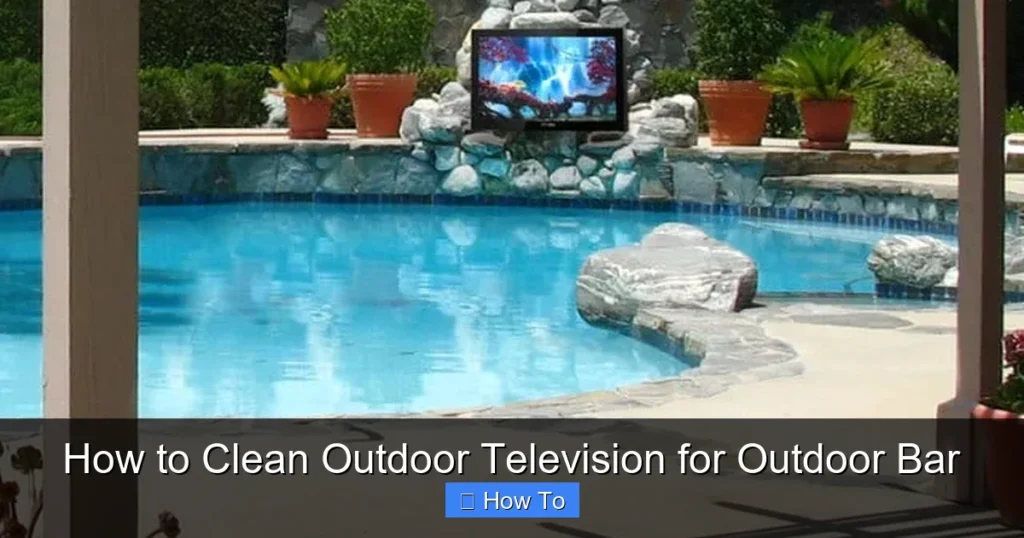
Hiding cables for your poolside TV doesn’t have to be complicated. This guide walks you through smart, weather-safe methods to keep cords out of sight and your outdoor area looking sleek and safe for summer entertaining.
Key Takeaways
- Prioritize safety first: Always use outdoor-rated cables and weatherproof enclosures to prevent electrical hazards near water.
- Plan your layout early: Map out TV placement, power sources, and speaker locations before running any wires.
- Use cable management products: Conduits, raceways, and cord covers help hide and protect cords along walls, under decks, or across patios.
- Blend cables into your decor: Paint raceways to match surfaces or use planters and furniture to camouflage wires.
- Secure cables properly: Use clips, ties, and anchors to prevent tripping and damage from wind or foot traffic.
- Test everything before the party: Ensure all connections work and cables are fully concealed before guests arrive.
- Maintain accessibility: Keep access points for future adjustments without compromising the clean look.
How to Hide Cables Poolside TV for Summer Parties
Summer is the perfect time to bring the entertainment outdoors. Whether you’re hosting a backyard barbecue, a pool party, or a movie night under the stars, a poolside TV can elevate the experience. But nothing ruins the vibe faster than a tangled mess of cables snaking across your patio or deck. Not only do exposed cords look messy, but they also pose serious safety risks—especially near water.
The good news? Hiding cables for your poolside TV is easier than you think. With the right tools, a bit of planning, and some clever tricks, you can create a clean, safe, and stylish setup that keeps your focus on fun—not on tripping hazards.
In this guide, we’ll walk you through step-by-step how to hide cables for your poolside TV, ensuring your outdoor space stays beautiful, functional, and party-ready all summer long. You’ll learn about weatherproofing, cable routing, concealment methods, and smart design choices that blend technology seamlessly into your backyard oasis.
Let’s dive in!
Why Cable Management Matters Poolside
Before we get into the how-to, let’s talk about why this matters. Hiding cables isn’t just about aesthetics—it’s about safety, durability, and convenience.
First, safety. Water and electricity don’t mix. Exposed cables near a pool increase the risk of electrical shock, especially if cords are damaged or submerged. Even if your TV is mounted safely away from the water, power cords, HDMI cables, and speaker wires can still pose a danger if they’re lying on wet surfaces or within reach of splashing kids.
Second, durability. Outdoor environments are tough on electronics. Sun, rain, humidity, and temperature swings can degrade standard indoor cables over time. Using the right outdoor-rated materials ensures your setup lasts through multiple seasons.
Third, convenience. A clean, organized space is easier to maintain and more enjoyable to use. When cables are hidden, you reduce tripping hazards, make cleaning simpler, and create a more inviting atmosphere for guests.
Finally, aesthetics. Let’s face it—no one wants to see a jumble of black cords ruining the view of your lush garden or sparkling pool. A well-managed cable setup lets your outdoor design shine.
Step 1: Plan Your Poolside TV Setup
The key to successful cable hiding starts with smart planning. Rushing into installation without a layout can lead to messy results, damaged cables, or even safety issues.
Choose the Right TV Location
Start by deciding where your TV will go. Common poolside spots include:
– Mounted on a wall near the pool deck
– On a weatherproof outdoor TV enclosure
– On a patio wall or pergola
– On a freestanding outdoor TV stand
Consider factors like:
– Viewing angle: Can guests see the screen from seating areas and the pool?
– Sun exposure: Is the screen protected from glare? Use a TV with high brightness (nits) or install a shade.
– Distance from water: Keep the TV and all electronics at least 6 feet away from the pool edge to meet safety codes.
– Access to power: Is there an outdoor GFCI (Ground Fault Circuit Interrupter) outlet nearby?
Map Out Your Equipment
List all the devices you’ll connect to your TV:
– Streaming device (Roku, Apple TV, Fire Stick)
– Soundbar or outdoor speakers
– Gaming console (if applicable)
– Cable box or satellite receiver
Each device needs power and may require HDMI or audio cables. The more devices, the more cables you’ll need to manage.
Measure Cable Lengths
Use a tape measure to determine how far each cable needs to run. Add a few extra feet for flexibility. For example:
– From TV to power outlet
– From TV to streaming device (if not built-in)
– From TV to sound system
– From outdoor speakers to receiver or amplifier
Buying cables that are too short is a common mistake. Always go a little longer—better to have extra than to stretch a cable to its limit.
Sketch a Simple Layout
Draw a rough sketch of your pool area. Mark:
– TV location
– Power source
– Speaker placements
– Pathways for cables
This visual plan helps you identify the best routes for hiding cables—whether along walls, under decking, or through conduit.
Step 2: Use Outdoor-Rated Cables and Accessories
Not all cables are created equal. Indoor cables aren’t built to handle moisture, UV rays, or temperature changes. Using the wrong type can lead to signal loss, corrosion, or even fire hazards.
Choose Weatherproof Cables
Look for cables labeled “outdoor-rated” or “direct burial” (even if you’re not burying them). These features include:
– UV-resistant jackets to prevent sun damage
– Waterproof insulation
– Flexible design for temperature swings
For power cords, use outdoor extension cords with a minimum 12-gauge wire and a GFCI plug. Never use indoor extension cords outside.
For HDMI and audio cables, choose outdoor-rated versions with gold-plated connectors and thick shielding to prevent interference.
Invest in a Weatherproof Enclosure
If your streaming device or receiver sits near the TV, protect it from the elements. Use a weatherproof outdoor media box or enclosure. These are sealed, ventilated, and often include mounting brackets.
Popular options include:
– Clear polycarbonate boxes with lockable lids
– Metal enclosures with rubber gaskets
– Enclosures with built-in power outlets
Mount the box close to the TV but out of direct rain and sun. Run cables from the box to the TV through a sealed conduit or raceway.
Use GFCI Outlets
Always plug your setup into a GFCI outlet. These outlets detect electrical imbalances and shut off power instantly if they sense a fault—critical near water.
If your outdoor outlet isn’t GFCI-protected, hire an electrician to install one. It’s a small investment for major peace of mind.
Step 3: Route Cables Safely and Neatly
Now it’s time to run your cables. The goal is to keep them hidden, secure, and protected from damage.
Run Cables Along Walls or Under Decking
The most common and effective method is to route cables along vertical or horizontal surfaces.
– Use cable raceways (also called cord covers) to hide wires along walls, fences, or railings. These are plastic or metal channels that snap open for easy cable insertion.
– For a seamless look, paint the raceway to match your wall or trim.
– Secure raceways with screws or outdoor-rated adhesive.
If you have a deck, run cables underneath using under-deck cable trays. These are designed to protect wires from foot traffic and weather while keeping them out of sight.
Use Conduit for Long Runs
For longer distances—like from a house outlet to a TV on a distant patio—use electrical conduit. This is a rigid or flexible tube that protects cables and allows for easy future upgrades.
– PVC conduit is affordable, lightweight, and weather-resistant.
– Metal conduit offers extra durability but is harder to install.
– Use conduit connectors and seals to prevent water ingress.
Bend conduit gently to avoid kinking cables. Use a fish tape to pull wires through if needed.
Bury Cables (If Permitted)
In some cases, you can bury cables underground. This is ideal for running power or signal cables from your house to a freestanding TV stand or pergola.
– Bury cables at least 18 inches deep (check local codes).
– Use direct-burial-rated cables or run them through conduit.
– Mark the burial path with landscape flags or a buried tracer wire so you don’t accidentally dig them up later.
Note: Burying cables near a pool may require permits or professional installation due to safety regulations.
Avoid Trip Hazards
Never let cables lie across walkways, pool decks, or seating areas. Even if they’re tucked under a rug, they can become tripping hazards—especially when wet.
If you must cross a pathway temporarily (e.g., during setup), use a cable ramp. These are rubber or plastic covers that elevate and protect cords while allowing foot and wheelchair traffic.
Step 4: Hide Cables with Smart Design Tricks
Once your cables are routed, it’s time to make them disappear. Here are creative ways to blend cords into your outdoor decor.
Use Furniture and Planters
Strategically place outdoor furniture to hide cables:
– Position a weatherproof media console or storage bench in front of wall-mounted raceways.
– Use large potted plants or planters to block the view of cords running along the ground.
– Choose furniture with built-in cable management, like benches with hidden compartments.
Camouflage with Paint or Wraps
Make raceways and conduits less noticeable:
– Paint plastic raceways to match your wall, fence, or deck color.
– Use outdoor-safe spray paint for a quick finish.
– Wrap cables in spiral cable wrap or cord sleeves in colors that blend with your surroundings (e.g., brown for wood, gray for stone).
Integrate with Landscaping
Use natural elements to hide cables:
– Run cords behind hedges, trellises, or garden borders.
– Tuck cables into mulch or under decorative stones (only if protected by conduit).
– Use outdoor lighting fixtures with built-in cable channels.
Mount Devices Out of Sight
Keep streaming devices and receivers hidden:
– Mount them inside a weatherproof box behind the TV.
– Place them under a deck or in a nearby storage shed.
– Use a wireless HDMI transmitter to eliminate long cable runs (more on that below).
Step 5: Secure and Organize Cables
Hiding cables is only half the battle. You also need to keep them organized and secure.
Use Cable Ties and Clips
Bundle cables together to prevent tangling:
– Use UV-resistant zip ties or cable clips to group wires.
– Avoid over-tightening, which can damage insulation.
– Use adhesive-backed clips to anchor cables to walls or under decks.
Label Your Cables
Label each cable at both ends with waterproof tags or tape. This makes troubleshooting and upgrades much easier. For example:
– “HDMI – Soundbar”
– “Power – Apple TV”
– “Speaker – Left Poolside”
Use a Cable Management Box
If you have multiple devices near the TV, use a cable management box to hide power strips and excess cord length. These boxes keep everything tidy and protected.
Choose a box with ventilation and a lockable lid. Place it on the ground or mount it to a wall.
Step 6: Consider Wireless Alternatives
Sometimes, the best way to hide cables is to eliminate them altogether.
Wireless HDMI Transmitters
These devices send video and audio from your source (like a streaming box) to your TV without wires. They use radio frequencies or Wi-Fi and work within a range of 30–100 feet.
Pros:
– No long HDMI runs
– Clean, cable-free look
– Easy to set up
Cons:
– Can be affected by interference
– May have slight lag (not ideal for gaming)
– Requires power for both transmitter and receiver
Popular brands include Nyrius, J-Tech Digital, and IOGEAR.
Bluetooth or Wi-Fi Speakers
Instead of running speaker wires, use outdoor Bluetooth or Wi-Fi speakers. Many are weather-resistant and offer great sound.
Pair them with your TV via Bluetooth or connect them to your home network for multi-room audio.
Just remember: Bluetooth has a limited range (about 30 feet), so Wi-Fi speakers are better for larger areas.
Wireless Power Options
While true wireless power isn’t widely available yet, you can reduce cable clutter with:
– Rechargeable battery-powered speakers
– Solar-powered outdoor lights with built-in speakers
– Portable power stations (like Jackery or EcoFlow) for temporary setups
These are great for pop-up movie nights or parties where you don’t want to run cords.
Troubleshooting Common Issues
Even with the best planning, problems can arise. Here’s how to handle common cable issues poolside.
Signal Loss or Interference
If your picture or sound cuts out:
– Check for damaged cables or loose connections.
– Ensure HDMI cables are high-speed and properly shielded.
– Move wireless devices away from routers, microwaves, or metal objects.
– Use a signal booster or repeater for long wireless runs.
Water Damage
If cables get wet:
– Immediately unplug all devices.
– Inspect for corrosion or fraying.
– Replace any damaged cables—don’t try to repair them.
– Ensure all connections are in weatherproof enclosures.
Tripping or Snagging
If cables are getting pulled or tripped over:
– Re-route them using higher-mounted raceways or under-deck trays.
– Use more clips and anchors to secure loose sections.
– Replace temporary solutions (like tape) with permanent mounts.
Overheating Devices
Electronics can overheat in enclosed spaces:
– Ensure enclosures have ventilation.
– Avoid direct sun on media boxes.
– Use fans or heat-resistant materials if needed.
Maintenance Tips for Long-Term Success
Keep your poolside TV setup in top shape all season.
– Inspect cables monthly: Look for cracks, fraying, or UV damage.
– Clean raceways and enclosures: Remove dirt, leaves, and debris.
– Check connections: Tighten loose plugs and ensure seals are intact.
– Trim nearby plants: Prevent overgrowth from damaging cables.
– Store portable devices: Bring in streaming boxes or speakers during storms or off-seasons.
Final Thoughts
Hiding cables for your poolside TV doesn’t have to be a headache. With the right approach, you can create a safe, stylish, and functional outdoor entertainment space that wows your guests and lasts for years.
Start with a solid plan, use outdoor-rated materials, route cables smartly, and conceal them with design tricks. Add wireless options where possible, and always prioritize safety—especially near water.
Remember, the goal isn’t just to hide the cables, but to enhance your outdoor experience. When your setup is clean and organized, you can focus on what really matters: enjoying summer parties with friends and family.
So grab your tools, follow this guide, and get ready to host the best poolside movie night your neighborhood has ever seen—cable-free and stress-free.