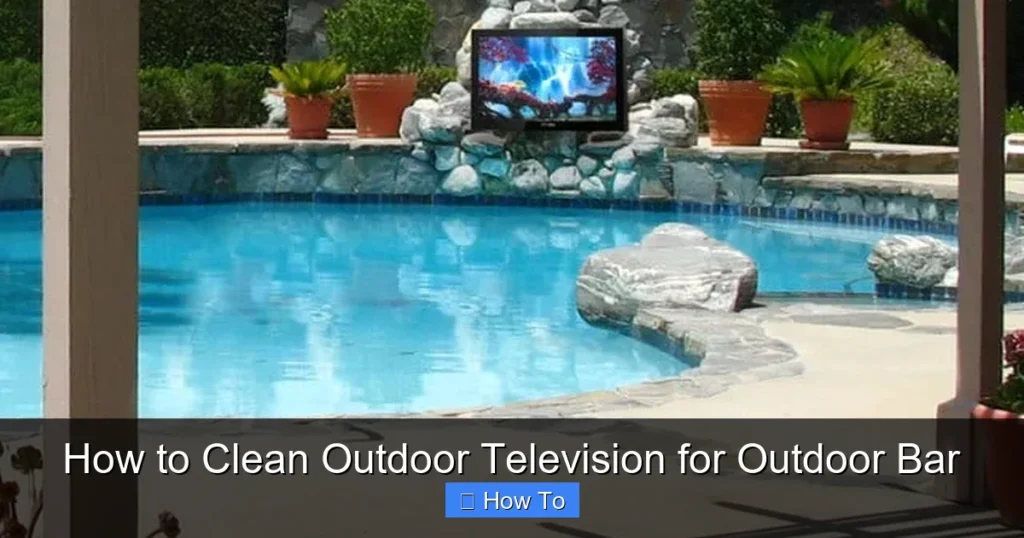
Protect your poolside TV setup from rain and moisture while keeping cables neat and hidden. This guide covers waterproof enclosures, conduit systems, and smart routing techniques designed for wet environments.
Key Takeaways
- Use waterproof cable conduits: Protect wires from rain and humidity with sealed, UV-resistant conduit systems rated for outdoor use.
- Install a weatherproof TV enclosure: Choose an IP65 or higher-rated outdoor TV case to shield your screen and connections from moisture.
- Route cables underground when possible: Bury cables in sealed conduits below the frost line to avoid water pooling and tripping hazards.
- Elevate connections with junction boxes: Keep power and signal connections dry using elevated, waterproof junction boxes away from splash zones.
- Choose the right cable types: Use outdoor-rated, direct burial cables (like RG6/U for video and SJTW for power) to prevent degradation.
- Regular maintenance is key: Inspect seals, gaskets, and enclosures seasonally to ensure long-term protection in rainy climates.
- Plan for drainage and airflow: Prevent condensation buildup by ensuring enclosures have proper ventilation and slope away from water sources.
How to Hide Cables Poolside TV for Rainy Climates
If you’ve invested in a poolside TV, you know how amazing it is to relax by the water while catching up on your favorite shows or streaming a movie. But in rainy climates, that dream setup can quickly turn into a soggy, unsafe mess—especially when it comes to cables. Exposed wires near water and moisture are not only unsightly but also pose serious electrical hazards. The good news? With the right planning and materials, you can hide your poolside TV cables safely and stylishly, even in the wettest weather.
In this guide, we’ll walk you through every step of protecting and concealing your TV cables in a rainy climate. You’ll learn how to choose the right waterproof materials, route cables safely, and maintain your setup year-round. Whether you’re mounting your TV on a wall, under a pergola, or near a pool deck, these tips will help you create a clean, safe, and weather-resistant entertainment zone.
By the end of this guide, you’ll have a complete plan to hide your cables, protect your electronics, and enjoy your outdoor TV worry-free—rain or shine.
Why Cable Management Matters for Poolside TVs
Before diving into the how-to, let’s talk about why this matters. Poolside areas are high-moisture environments. Splashing water, humidity, and frequent rain can damage cables, corrode connectors, and even cause electrical shorts. In worst-case scenarios, this could lead to equipment failure, fire hazards, or electric shock.
But it’s not just about safety. A tangled mess of cables snaking across your deck or patio ruins the clean, relaxing vibe you want around your pool. Hiding cables improves aesthetics, reduces tripping risks, and makes cleaning easier.
In rainy climates, the challenge is greater. Constant exposure to moisture means standard indoor cables and basic covers won’t cut it. You need solutions specifically designed for outdoor, wet conditions. That’s where waterproof conduits, sealed enclosures, and proper routing come in.
Think of it like building a fortress for your electronics. Every cable, connector, and power source needs to be shielded from the elements. With the right approach, you can enjoy your outdoor TV for years—without worrying about the weather.
Step 1: Choose the Right TV and Mounting Location
The first step in hiding cables is choosing a TV and mounting spot that support long-term outdoor use. Not all TVs are built for poolside life, especially in rainy areas.
Pick an Outdoor-Rated TV or Enclosure
Standard indoor TVs aren’t designed for moisture, UV exposure, or temperature swings. If you’re using a regular TV, you’ll need a weatherproof outdoor enclosure. Look for models with an IP (Ingress Protection) rating of IP65 or higher. IP65 means the enclosure is dust-tight and protected against water jets from any direction.
Alternatively, invest in a true outdoor TV. Brands like SunBrite, Seura, and Samsung offer models specifically built for patios, decks, and pool areas. These TVs come with sealed ports, anti-glare screens, and internal heating/cooling systems to handle humidity and temperature changes.
Select a Smart Mounting Location
Where you mount your TV affects how you’ll hide cables. Ideal spots include:
– Under a covered pergola or gazebo
– On a wall with an overhang
– Inside a weatherproof outdoor cabinet
Avoid mounting directly over the pool or in areas where water frequently splashes. Even with a waterproof TV, minimizing direct exposure extends its lifespan.
Pro tip: Mount the TV at eye level when seated, and angle it slightly downward to reduce glare from the water. This also helps keep rain from pooling on the screen.
Step 2: Use Outdoor-Rated Cables
Not all cables are created equal. Indoor cables can degrade quickly when exposed to moisture, UV rays, and temperature changes. For poolside use, you need cables rated for outdoor or direct burial conditions.
Power Cables: Choose SJTW or SJTOW
For power, use outdoor-rated extension cords or permanent wiring with SJTW or SJTOW insulation. These are flexible, weather-resistant, and designed for outdoor use. Avoid standard indoor extension cords—they’re not safe near water.
If you’re running power from an outdoor outlet, use a GFCI (Ground Fault Circuit Interrupter) outlet. This cuts power instantly if it detects a fault, reducing shock risk.
Video and Audio Cables: Go with Direct Burial Rated
For HDMI, coaxial (for cable/satellite), or speaker wires, choose cables labeled “direct burial” or “outdoor rated.” These have extra shielding and moisture-resistant jackets.
For example:
– Use RG6/U coaxial cable for satellite or antenna signals.
– Choose HDMI cables with weatherproof connectors or use HDMI over Cat6 extenders for longer runs.
– For speakers, use 14-gauge or 12-gauge direct burial speaker wire.
Avoid cheap, unshielded cables. They’re more likely to fail in wet conditions and can cause signal loss or interference.
Step 3: Plan Your Cable Route
Before drilling or digging, map out the best path for your cables. A good route minimizes exposure, avoids tripping hazards, and makes future maintenance easier.
Keep Cables Away from Water Sources
Avoid running cables directly over the pool deck or in areas where water pools. Instead, route them along walls, under decks, or through conduit buried underground.
If your TV is mounted on a wall, run cables vertically down the wall and then horizontally along a baseboard or under a deck.
Minimize Cable Length
Longer cables mean more potential for damage and signal loss. Measure carefully and buy only what you need. If you must extend, use weatherproof couplers or junction boxes—never splice cables with tape.
Label Your Cables
Use waterproof labels or color-coded tape to mark each cable (e.g., “HDMI,” “Power,” “Speaker”). This makes troubleshooting and upgrades much easier later.
Step 4: Use Waterproof Conduit for Cable Protection
Conduit is a tube that protects cables from moisture, physical damage, and UV exposure. It’s essential for rainy climates.
Choose the Right Conduit Material
For outdoor use, PVC conduit is the most popular choice. It’s affordable, durable, and resistant to moisture and corrosion. Look for UV-stabilized PVC rated for direct burial.
For above-ground runs, use gray electrical PVC conduit. For underground, use white schedule 40 or 80 PVC.
Avoid metal conduit unless you’re experienced—it can corrode in wet environments and requires grounding.
Install Conduit Along Walls or Underground
For wall-mounted TVs, attach conduit vertically from the TV down to the ground, then run it horizontally to your equipment (like a receiver or power source).
Use conduit straps every 3–4 feet to secure it to the wall. Make sure the conduit slopes slightly downward away from the TV to prevent water from pooling inside.
For underground runs, dig a trench 18–24 inches deep (below the frost line in colder areas). Lay the conduit with a slight slope for drainage, then backfill with sand or gravel before covering with soil.
Seal All Entry and Exit Points
Use waterproof conduit fittings and silicone sealant to seal where cables enter and exit the conduit. This prevents water from seeping in.
At the TV end, use a weatherproof outlet box or junction box with a gasketed cover.
Step 5: Hide Cables with Outdoor Trims and Covers
Conduit protects cables, but it’s not always pretty. To hide it, use outdoor-rated cable covers, raceways, or decorative trims.
Use Cable Raceway for Clean Looks
Cable raceways are plastic or metal channels that snap over cables and mount to walls or decks. Choose UV-resistant, weatherproof models designed for outdoor use.
Paint the raceway to match your wall or deck for a seamless look.
Install Baseboard or Deck Conduit Covers
Some companies sell decorative baseboard covers with built-in cable channels. These sit along the edge of your deck or patio and hide wires while blending into the landscape.
Alternatively, use outdoor-rated cord covers that sit flat on the ground. These are great for temporary setups or areas where you can’t drill.
Use Landscaping to Conceal Cables
Plant shrubs, install trellises, or use outdoor furniture to hide conduit runs along the ground. Just make sure plants don’t block airflow or trap moisture near electrical components.
Step 6: Use Waterproof Junction Boxes and Enclosures
Junction boxes protect connection points where cables join—like where your HDMI cable connects to an extender or where power splits to multiple devices.
Choose IP65 or Higher Rated Boxes
Look for outdoor junction boxes with an IP65 or IP66 rating. These are sealed against dust and water jets.
Mount the box in a dry, elevated location—never directly on the ground or in a low spot where water collects.
Seal All Connections
Use waterproof wire nuts or gel-filled splice kits for electrical connections. For data cables, use weatherproof HDMI couplers or Ethernet bulkhead connectors.
Apply silicone sealant around the edges of the box and any cable entry points.
Label and Organize Inside the Box
Keep cables neat with zip ties or Velcro straps. Label each wire so you know what’s what during maintenance.
Step 7: Ground and Protect Your Electrical Setup
Safety is critical when dealing with electricity near water. Follow these best practices to protect yourself and your equipment.
Use GFCI Protection
All outdoor outlets should be GFCI-protected. If you’re installing a new circuit, have a licensed electrician add a GFCI breaker or outlet.
Test the GFCI monthly by pressing the “Test” button. It should cut power immediately.
Install a Surge Protector
Power surges from lightning or grid fluctuations can fry your TV and electronics. Use a high-quality outdoor surge protector with a high joule rating (at least 2000 joules).
Mount it in a weatherproof enclosure near your power source.
Ensure Proper Grounding
All metal enclosures, conduits, and equipment should be properly grounded. This prevents static buildup and reduces shock risk.
If you’re unsure, consult a licensed electrician.
Step 8: Maintain Your Setup Year-Round
Even the best setup needs regular care—especially in rainy climates.
Inspect Seals and Gaskets
Check enclosures, junction boxes, and conduit seals every 3–6 months. Look for cracks, warping, or loose fittings. Replace damaged parts immediately.
Clean Conduit and Covers
Remove dirt, leaves, and debris from cable covers and raceways. Use a soft brush or cloth to avoid scratching.
Test Connections
Periodically check that all cables are secure and functioning. Look for corrosion, fraying, or loose plugs.
Trim Nearby Vegetation
Keep plants trimmed back from cables and enclosures to prevent moisture buildup and pest infestations.
Troubleshooting Common Issues
Even with the best planning, problems can arise. Here’s how to handle common issues.
Water Inside Conduit
If you find moisture in your conduit, it likely means a seal failed or the conduit isn’t sloped correctly. Drain the water, dry the cables, and reseal all entry points. Consider adding a drain hole at the lowest point.
Signal Loss or Interference
This could be due to damaged cables, poor connections, or long runs without amplification. Check all connectors, replace damaged cables, and use signal boosters if needed.
GFCI Keeps Tripping
This usually indicates a ground fault or moisture in the circuit. Turn off power, inspect all connections for water damage, and dry everything thoroughly. If it continues, call an electrician.
TV Won’t Turn On After Rain
Check the power source, surge protector, and GFCI outlet. Reset the GFCI and surge protector. If the TV still doesn’t work, inspect the outdoor enclosure for water intrusion.
Final Thoughts
Hiding cables for your poolside TV in a rainy climate isn’t just about looks—it’s about safety, durability, and peace of mind. By using outdoor-rated cables, waterproof conduit, sealed enclosures, and smart routing, you can create a setup that stands up to the elements.
Remember: plan carefully, use the right materials, and maintain your system regularly. A little effort upfront saves you from costly repairs and dangerous situations down the line.
With these steps, you’ll enjoy a clean, safe, and weather-resistant poolside entertainment area—no matter how much it rains.