Hiding cables for a poolside TV in cold weather ensures safety, prevents damage, and keeps your outdoor area looking clean. This guide walks you through weatherproofing, routing, and concealing cables using practical, long-lasting methods designed for harsh winter conditions.
Key Takeaways
- Use weatherproof conduit and cable covers: Protect cables from snow, ice, and moisture with UV-resistant, flexible conduit designed for outdoor use.
- Route cables underground or along walls: Bury cables in protective tubing or run them behind weatherproof raceways to avoid tripping hazards and exposure.
- Choose cold-weather-rated cables: Standard cables can crack in freezing temps—opt for outdoor-rated, cold-flexible cables with proper insulation.
- Secure connections with waterproof enclosures: Use IP65 or higher-rated junction boxes to keep splices and connectors dry and functional.
- Plan for seasonal maintenance: Inspect cables before and after winter to catch wear, ice damage, or animal interference early.
- Blend cables into the landscape: Use cable clips, paintable raceways, or natural covers like planters and trellises to hide wires discreetly.
- Prioritize safety and code compliance: Follow local electrical codes and use GFCI outlets to prevent shocks near water sources.
How to Hide Cables Poolside TV for Cold Weather
If you’ve installed a TV by your pool, you know how great it is to enjoy movies, sports, or music while lounging outdoors. But when winter rolls in, your setup faces new challenges—especially the cables. Snow, ice, freezing temperatures, and moisture can damage standard wiring, create tripping hazards, or ruin the clean look of your outdoor space. That’s why knowing how to hide cables poolside TV for cold weather is essential.
This guide will walk you through every step of protecting and concealing your TV cables so they stay safe, functional, and out of sight—even in the harshest winter conditions. Whether you’re dealing with a permanent outdoor TV setup or a seasonal installation, these tips will help you maintain a sleek, hazard-free pool area all year long.
We’ll cover everything from choosing the right materials to routing cables safely, weatherproofing connections, and blending wires into your landscape. By the end, you’ll have a reliable, professional-looking solution that keeps your entertainment running smoothly, no matter the forecast.
Why Hiding Cables Matters in Cold Weather
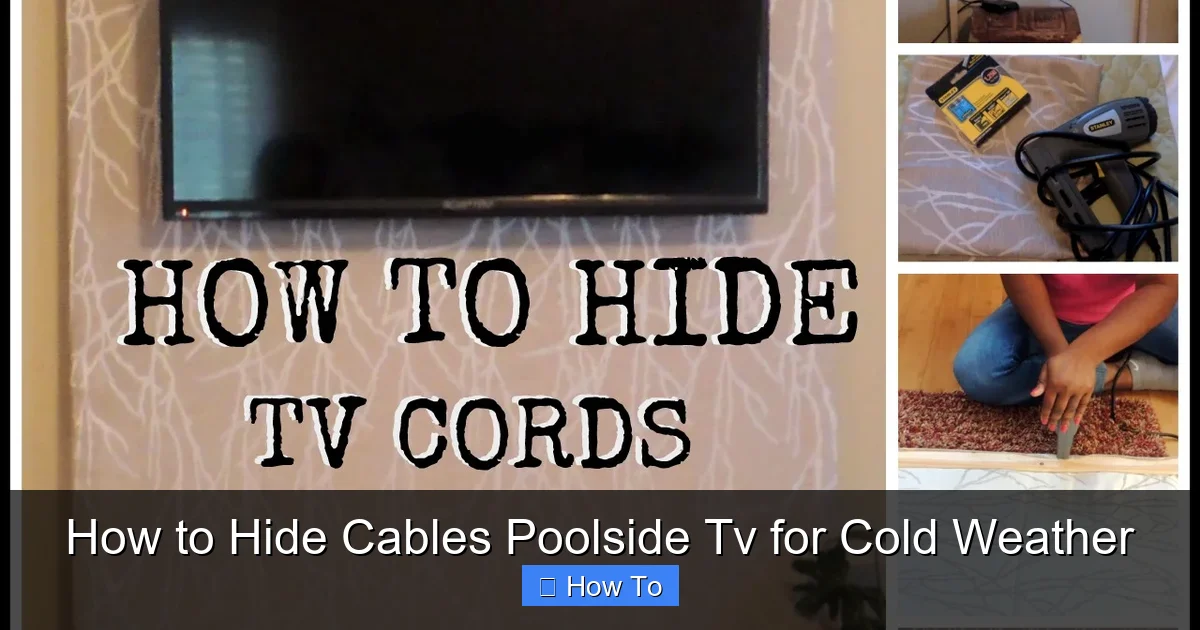
Visual guide about How to Hide Cables Poolside Tv for Cold Weather
Image source: ahselanne.com
Outdoor electronics are exposed to the elements 24/7, and cold weather adds extra stress. When temperatures drop, standard cables can become brittle, insulation may crack, and connectors can fail. Water from snow or ice can seep into exposed wires, leading to shorts, corrosion, or even electrical hazards.
Hiding cables isn’t just about aesthetics—it’s about safety and longevity. Visible cables are more likely to be damaged by foot traffic, snowplows, or animals. They also create tripping risks, especially when covered in snow or ice. Plus, a clean, wire-free look enhances your outdoor living space, making it more inviting and functional.
By properly concealing and protecting your cables, you extend the life of your equipment, reduce maintenance, and ensure your poolside TV stays operational through winter and beyond.
Step 1: Choose the Right Cables for Cold Weather
Not all cables are created equal—especially when it comes to outdoor use in freezing temperatures. Standard indoor cables may work temporarily, but they’re not built to withstand moisture, UV exposure, or extreme cold.
Look for Outdoor-Rated, Cold-Flexible Cables
When selecting cables for your poolside TV, prioritize those labeled as “outdoor-rated” or “direct burial” if running underground. These cables are designed with thicker, more durable insulation that resists cracking in low temperatures.
Look for cables with the following features:
– UV-resistant jacket: Prevents sun damage during warmer months.
– Waterproof insulation: Keeps moisture out, even when buried or exposed to snowmelt.
– Cold-flexible design: Remains pliable in sub-zero temperatures (check the manufacturer’s temperature rating—ideally -40°F or lower).
– Direct burial rating: If running underground, ensure the cable is rated for direct burial to avoid needing extra conduit in some cases.
Common options include:
– Direct burial coaxial cable (for antenna or satellite signals)
– Outdoor-rated HDMI cables with weatherproof connectors
– Low-voltage landscape lighting cable (for power if using a separate power source)
Avoid using standard indoor extension cords or cheap HDMI cables—they’ll fail quickly in cold, wet conditions.
Use GFCI Protection for Power Cables
Since your TV is near a pool, electrical safety is critical. Always plug your TV and related devices into a Ground Fault Circuit Interrupter (GFCI) outlet. These outlets detect electrical imbalances and shut off power instantly if water is present, preventing shocks.
If your outdoor outlet isn’t GFCI-protected, have a licensed electrician install one. Never use adapters or bypass safety features—your life could depend on it.
Step 2: Plan Your Cable Route
Before you start drilling or digging, map out the best path for your cables. A well-planned route minimizes exposure, reduces the risk of damage, and makes future maintenance easier.
Identify the Shortest, Safest Path
Trace the route from your TV to the nearest power source and signal input (like a cable box or antenna). Avoid areas with heavy foot traffic, snowplow paths, or where ice might accumulate.
Consider these routing options:
– Along the wall: Run cables up the side of your house or pergola, then across to the TV.
– Under decking or patio: If you have a raised deck or stone patio, route cables beneath the surface.
– Underground: Bury cables in conduit from the house to the TV location.
– Through existing structures: Use attic space, crawlspaces, or exterior wall cavities if accessible.
Avoid Sharp Bends and Pinch Points
Cables can be damaged if bent too tightly or pinched by furniture, doors, or fixtures. Maintain a gentle curve with a radius at least 10 times the cable’s diameter. Use cable guides or clips to keep wires secure without over-tightening.
Account for Snow and Ice Buildup
If running cables along the ground, avoid low spots where snow and ice collect. Elevate cables slightly using clips or raceways, or choose an underground route to keep them dry and protected.
Step 3: Use Weatherproof Conduit for Protection
Conduit is a rigid or flexible tube that shields cables from physical damage, moisture, and temperature extremes. It’s one of the best ways to protect your wiring in cold weather.
Choose the Right Type of Conduit
For outdoor use, select conduit made from durable, UV-resistant materials. Common options include:
– PVC conduit: Affordable, lightweight, and resistant to corrosion. Ideal for underground or wall-mounted runs.
– Flexible liquid-tight conduit: Great for tight spaces or areas with movement (like near a sliding door). Seals out water and dust.
– Metal conduit (EMT or rigid): Extremely durable but heavier and harder to install. Best for high-traffic areas.
For cold weather, PVC or flexible liquid-tight conduit is usually the best choice due to its flexibility and resistance to cracking.
Install Conduit Properly
If running underground:
– Dig a trench 18–24 inches deep (check local codes—some areas require deeper burial).
– Lay the conduit in the trench, ensuring it slopes slightly away from the house to prevent water pooling.
– Use conduit straps to secure it every 3–4 feet.
– Insert cables using a fish tape or pull string.
– Seal both ends with waterproof conduit seals or silicone caulk to keep moisture out.
If running along a wall:
– Mount the conduit using outdoor-rated brackets.
– Paint the conduit to match your wall color for a cleaner look.
– Use 90-degree elbows and sweeps to avoid sharp bends.
Use Conduit for Signal and Power Separately
To prevent interference, run power cables and signal cables (like HDMI or coaxial) in separate conduits. If they must cross, do so at a 90-degree angle to minimize electromagnetic interference.
Step 4: Conceal Cables with Raceways and Clips
If you can’t run cables underground or through walls, use surface-mounted solutions to hide and protect them.
Install Paintable Cable Raceways
Raceways are plastic or metal channels that snap over cables, hiding them from view. Choose outdoor-rated, UV-resistant raceways designed for exterior use.
Steps:
1. Clean the surface where the raceway will be mounted.
2. Measure and cut the raceway to length using a hacksaw or utility knife.
3. Apply outdoor adhesive or use screws to secure it to the wall, deck, or fence.
4. Open the raceway, insert the cables, and snap it shut.
5. Paint the raceway to match your surroundings (use exterior-grade paint).
Raceways are ideal for short runs along walls or under eaves. They’re easy to install and can be removed for maintenance.
Use Cable Clips and Ties
For minimal cable runs or temporary setups, use outdoor-rated cable clips or zip ties to secure wires to posts, railings, or under decking.
Tips:
– Use stainless steel or UV-resistant plastic clips.
– Avoid over-tightening, which can damage cables.
– Space clips every 12–18 inches for support.
– For a cleaner look, group cables together with Velcro ties before clipping.
Blend Cables into the Landscape
Get creative with natural hiding spots:
– Run cables behind outdoor planters or large pots.
– Use trellises or lattice panels to cover wall-mounted wires.
– Tuck cables under mulch or decorative stones (only if protected by conduit).
– Install a small outdoor cabinet or media box near the TV to house cables and devices.
These methods keep cables out of sight while maintaining easy access for repairs or upgrades.
Step 5: Waterproof All Connections
Even the best cables can fail if connections are exposed to moisture. Waterproofing is crucial for splices, connectors, and power sources.
Use IP65 or Higher-Rated Enclosures
IP (Ingress Protection) ratings indicate how well a device resists dust and water. For outdoor use, choose enclosures rated IP65 or higher—these are dust-tight and protected against water jets.
Common uses:
– Junction boxes for splicing power cables
– Outdoor TV mounting boxes with built-in cable management
– Weatherproof outlet covers
Install enclosures in sheltered areas, like under eaves or behind the TV mount. Seal all entry points with silicone or rubber grommets.
Seal Cable Connectors
Use waterproof tape or heat-shrink tubing to seal HDMI, coaxial, or power connectors. For extra protection, apply dielectric grease to prevent corrosion.
For HDMI cables, consider using outdoor-rated HDMI cables with built-in weatherproof connectors, or use a protective sleeve.
Elevate Power Sources
Keep power strips, surge protectors, and adapters off the ground. Mount them inside a weatherproof enclosure or use a raised platform to prevent water damage from snowmelt or splashing.
Step 6: Secure the TV and Cables Against Wind and Ice
Winter storms can bring strong winds and heavy ice, which may loosen cables or damage mounts.
Use a Sturdy, Weatherproof TV Mount
Choose a mount rated for outdoor use with a weight capacity well above your TV’s size. Ensure it’s securely anchored to a solid structure—like a wall or post—using stainless steel lag bolts.
Avoid mounts that extend too far from the wall, as they can catch wind and cause swaying.
Tie Down Loose Cables
Use bungee cords or outdoor-rated straps to secure long cable runs to posts or railings. This prevents wind from whipping cables around, which can loosen connections or damage the TV.
Remove Snow and Ice Regularly
Clear snow and ice from around the TV, cables, and enclosures to prevent buildup that could weigh down wires or block ventilation. Use a soft broom—never metal shovels, which can cut cables.
Step 7: Perform Seasonal Maintenance
Even the best setups need upkeep. Schedule regular checks to ensure your cables and TV remain in good condition.
Pre-Winter Inspection
– Check cables for cracks, fraying, or brittleness.
– Test all connections and GFCI outlets.
– Re-seal any conduit or enclosure openings.
– Trim back overhanging branches that could drop ice or snow.
Mid-Winter Checks
– Clear snow and ice from cable runs and enclosures.
– Look for animal nests or chew marks (rodents love warm cables).
– Ensure raceways and clips are still secure.
Spring Cleanup
– Inspect for winter damage.
– Clean cables and enclosures with a damp cloth.
– Replace any worn components before the next season.
Troubleshooting Common Issues
Even with careful planning, problems can arise. Here’s how to handle common cold-weather cable issues.
Cables Are Brittle or Cracked
This is a sign of using indoor cables or exposure to extreme cold. Replace damaged sections with outdoor-rated, cold-flexible cables. Avoid bending cracked cables—they may break completely.
TV Loses Signal in Cold Weather
Cold can affect signal strength, especially with coaxial cables. Check connections for corrosion or looseness. Use a signal booster if needed, and ensure all connectors are properly sealed.
Water Inside Conduit or Enclosure
This usually means a seal failed or the conduit wasn’t sloped correctly. Drain the water, dry the cables, and reseal all openings with silicone or waterproof tape. Consider adding a drip loop to prevent water from entering.
GFCI Keeps Tripping
This could indicate a ground fault, moisture in the outlet, or a damaged cable. Unplug all devices and test the outlet. If it still trips, call an electrician. Never ignore repeated GFCI trips—they’re a safety warning.
Cables Are Visible or Unsightly
Revisit your concealment strategy. Add more raceways, paint clips to match the wall, or use landscape features to hide wires. Sometimes a small change—like routing behind a planter—makes a big difference.
Conclusion
Hiding cables for your poolside TV in cold weather isn’t just about looks—it’s about safety, durability, and peace of mind. By using weatherproof materials, planning smart routes, and protecting every connection, you can enjoy your outdoor entertainment all year long without worrying about damaged wires or tripping hazards.
Start by choosing the right cables and conduit, then route them safely underground or along walls. Use raceways, clips, and landscape features to keep wires out of sight. Waterproof all connections and perform regular maintenance to catch issues early.
With these steps, your poolside TV setup will stay functional, safe, and stylish—even when the temperature drops. So go ahead, press play, and enjoy your favorite shows under the winter sky.