Hiding cables for your patio TV in a gazebo doesn’t have to be complicated. With the right tools and techniques, you can create a clean, professional look while protecting wires from weather and wear. This guide walks you through step-by-step methods to conceal cables safely and effectively.
Key Takeaways
- Plan your cable route first: Map out the path from your TV to the power source and other devices to avoid last-minute surprises.
- Use weatherproof conduit or raceways: Protect outdoor cables from rain, UV rays, and pests with durable, outdoor-rated cable management.
- Anchor cables securely: Prevent sagging or tripping hazards by using clips, straps, or adhesive mounts designed for outdoor use.
- Match materials to your gazebo style: Choose cable covers that blend with wood, metal, or fabric structures for a seamless look.
- Test connections before finalizing: Ensure all devices work properly before securing cables permanently.
- Consider wireless alternatives: Reduce cable clutter with wireless HDMI kits or streaming devices when possible.
- Maintain access for future repairs: Use removable covers or access panels so you can troubleshoot or upgrade later.
How to Hide Cables Patio TV for Gazebo
So you’ve set up your dream outdoor entertainment space—your gazebo now boasts a sleek patio TV, perfect for movie nights, game days, or just relaxing with your favorite show under the stars. But there’s one problem: the messy tangle of cables snaking across the floor, dangling from beams, or exposed to the elements. Not only does it look unkempt, but it’s also a safety hazard and can damage your equipment over time.
The good news? Hiding cables for your patio TV in a gazebo is totally doable—even if you’re not a DIY expert. With a little planning, the right tools, and some clever cable management techniques, you can transform your gazebo into a clean, safe, and stylish outdoor oasis.
In this guide, we’ll walk you through everything you need to know to hide your patio TV cables effectively. From planning your cable route to choosing the best concealment methods and maintaining your setup, we’ve got you covered. Whether your gazebo is made of wood, metal, or fabric, and whether you’re dealing with power cords, HDMI cables, or speaker wires, these steps will help you achieve a professional, clutter-free look.
Let’s get started!
Step 1: Assess Your Gazebo and TV Setup
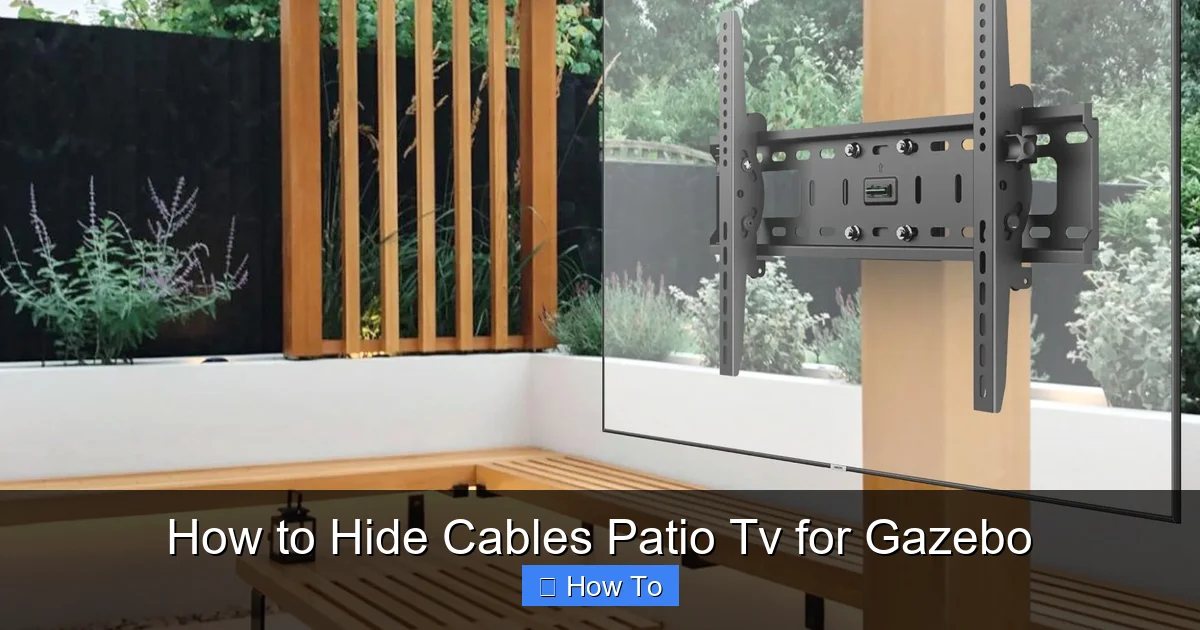
Visual guide about How to Hide Cables Patio Tv for Gazebo
Image source: m.media-amazon.com
Before you buy a single cable clip or raceway, take a good look at your gazebo and TV arrangement. Understanding your space is the foundation of a successful cable-hiding project.
Identify Power and Signal Sources
Start by locating where your power comes from. Is there an outdoor outlet nearby? Or will you need to run an extension cord from inside your house? Also, note where your streaming device (like a Roku or Apple TV), soundbar, or gaming console will be placed. Each of these devices will need power and possibly signal cables.
Map the Cable Path
Trace the shortest and safest route from your TV to each device and the power source. Look for natural pathways—along beams, under railings, or behind decorative panels. Avoid crossing high-traffic areas where people might trip. If your gazebo has open sides, consider routing cables along the interior edges or under the flooring if accessible.
Check for Weather Exposure
Since your gazebo is outdoors, think about how rain, sun, and wind might affect your cables. Are there areas that stay dry under cover? Are there spots that get direct sunlight or collect water? This will help you choose the right materials—like UV-resistant or waterproof conduit—for long-term protection.
Measure Cable Lengths
Use a tape measure to determine how much cable you’ll need. Add a little extra (about 10–15%) to allow for slack and easy adjustments. Buying cables that are too short is a common mistake—don’t let it happen to you!
Step 2: Choose the Right Cable Management Tools
Now that you’ve assessed your setup, it’s time to pick the best tools for hiding your cables. The right products will keep your wires safe, secure, and out of sight.
Outdoor-Rated Cable Raceways
Raceways are plastic or metal channels that snap over cables, hiding them in a clean, linear cover. Look for ones labeled “outdoor use” or “weatherproof.” These are ideal for running along beams, walls, or under the gazebo floor. Choose a color that matches your gazebo (white, black, brown, or wood-grain) for a seamless blend.
Flexible Conduit
For more rugged protection, use flexible plastic or metal conduit. It’s great for snaking around corners or through tight spaces. PVC conduit is lightweight and weather-resistant, while metal offers extra durability. You can paint it to match your gazebo if needed.
Cable Clips and Straps
These are simple but effective. Use outdoor-rated adhesive clips or screw-in straps to secure individual cables along beams or posts. They’re perfect for keeping wires tidy without covering them completely. Just make sure the adhesive is rated for outdoor use—many indoor clips fail in humidity or rain.
Under-Floor or In-Floor Channels
If your gazebo has a raised floor or lattice base, you can run cables underneath. Use flat cable covers or low-profile raceways that sit flush with the ground. This keeps wires hidden and prevents tripping.
Cord Covers and Grommets
For cables that need to pass through walls or floors, use rubber grommets to protect them from sharp edges. Cord covers can also be used to bundle multiple cables together, reducing clutter.
Wireless Alternatives
Consider reducing cable clutter with wireless options. A wireless HDMI transmitter can send video and audio from your streaming device to your TV without a physical cable. Just make sure both devices are within range and not blocked by thick walls or metal.
Step 3: Prepare the Cables and Devices
Before you start hiding cables, make sure everything is ready to go. This step ensures a smooth installation and prevents frustration later.
Label Each Cable
Use colored tape, labels, or a label maker to identify each cable. Mark the power cord, HDMI, audio, USB, and any others. This makes troubleshooting much easier if something goes wrong.
Bundle Cables Together
Use Velcro straps or zip ties (outdoor-rated) to group related cables. For example, bundle the HDMI and power cord for your streaming device. This keeps them organized and makes it easier to route them through raceways or conduit.
Test All Connections
Plug in your TV, streaming device, and other equipment to make sure everything works before you hide the cables. There’s nothing worse than finishing your cable setup only to find out the HDMI port is faulty.
Use Surge Protectors and Outdoor Outlets
Protect your devices from power surges with a high-quality outdoor surge protector. Make sure your outlet is GFCI-protected (ground fault circuit interrupter) for safety, especially in damp environments.
Step 4: Install Cable Hiding Solutions
Now comes the fun part—actually hiding those cables! Follow these steps for a clean, professional finish.
Route Cables Along Beams or Posts
Start by running your bundled cables along the interior of gazebo beams or support posts. Use outdoor adhesive clips every 12–18 inches to keep them secure. If your gazebo has exposed wood, you can also use small screws with cable clamps for a more permanent hold.
Install Raceways or Conduit
For a polished look, attach raceways or conduit along the route you planned. Cut the raceway to size with a hacksaw or utility knife, then snap it over the cables. Use outdoor silicone caulk to seal any gaps where moisture could enter.
Run Cables Under the Floor (If Possible)
If your gazebo has a raised floor or lattice base, feed cables underneath. Use a fish tape or flexible rod to guide them through. Secure them with clips or straps to prevent sagging. Cover the entry and exit points with grommets or small plates for a clean finish.
Use Decorative Covers
For a more aesthetic solution, consider decorative cable covers that look like part of the gazebo. Some are designed to mimic wood trim or metal edging. These blend in beautifully and add a touch of elegance.
Hide Cables Behind Panels or Curtains
If your gazebo has side panels or outdoor curtains, you can tuck cables behind them. Use adhesive hooks or clips to guide wires along the back of the fabric or wood. Just make sure the cables aren’t pinched or strained.
Secure Loose Ends
Don’t forget the area behind your TV. Use a cable management box or a small raceway to hide power strips and excess cable length. This keeps the back of your TV looking neat and prevents dust buildup.
Step 5: Weatherproof and Protect Your Setup
Outdoor environments are tough on electronics. Take these extra steps to ensure your cables and devices last.
Seal All Connections
Use outdoor electrical tape or silicone sealant around cable entry points, especially where wires pass through walls or floors. This prevents water from seeping in and causing shorts.
Use UV-Resistant Materials
Sunlight can degrade plastic over time. Choose raceways, clips, and conduit made from UV-stabilized materials. If you’re painting conduit, use outdoor-grade paint.
Elevate Cables Off the Ground
Keep cables off wet or muddy surfaces. Use clips, hooks, or raceways to lift them at least a few inches above the ground. This reduces the risk of water damage and pest intrusion.
Install a Weatherproof Enclosure
If you have a power strip or streaming device that’s exposed, place it in a weatherproof outdoor electrical box. These are designed to protect electronics from rain and dust while allowing ventilation.
Regular Maintenance
Check your cable setup every few months. Look for loose clips, frayed wires, or signs of moisture. Tighten anything that’s come loose and replace damaged components promptly.
Step 6: Troubleshooting Common Issues
Even with the best planning, problems can arise. Here’s how to handle the most common cable-hiding challenges.
Cables Are Too Short
If your cables don’t reach, don’t stretch them—this can damage the wires. Instead, use high-quality outdoor extension cords or cable extenders. Make sure they’re rated for outdoor use and have the right connectors.
Raceways Won’t Stick
Adhesive-backed raceways can fail in heat or humidity. Clean the surface with rubbing alcohol first, or switch to screw-mounted raceways for a stronger hold.
Signal Interference
Running power cables too close to HDMI or audio cables can cause interference. Keep them separated by at least 6 inches, or use shielded cables to reduce noise.
Tripping Hazards
If cables cross walkways, use low-profile cord covers or run them under the floor. Never leave loose cables on the ground.
Pests Chewing Wires
Rodents and insects love chewing on cables. Use metal conduit or pest-resistant raceways, and seal all entry points. You can also apply a non-toxic deterrent spray around the area.
Step 7: Maintain and Upgrade Over Time
Your cable setup isn’t “set it and forget it.” Regular maintenance ensures it stays safe and functional.
Schedule Seasonal Checks
Before summer and winter, inspect your cables for wear, loose clips, or weather damage. Replace anything that looks compromised.
Keep Spare Parts
Store extra clips, raceway pieces, and cable ties in a weatherproof container. This makes quick fixes easy.
Upgrade When Needed
As technology evolves, you might want to add a new device or switch to wireless. Plan for future upgrades by leaving a little extra space in your raceways or conduit.
Conclusion
Hiding cables for your patio TV in a gazebo might seem like a small detail, but it makes a big difference in both safety and style. A clean, organized setup not only looks better but also protects your investment from weather, pests, and wear.
By following this guide—planning your route, choosing the right tools, installing with care, and maintaining over time—you can enjoy a seamless outdoor entertainment experience. Whether you’re watching the big game or a cozy movie night under the stars, your gazebo will be the envy of the neighborhood.
So grab your tools, take your time, and transform that cable clutter into a clean, professional setup. Your patio TV—and your peace of mind—will thank you.