Protect your backyard TV setup from rain and moisture while keeping cables hidden and organized. This guide covers weatherproof cable management techniques ideal for wet environments, ensuring safety and longevity.
Key Takeaways
- Use waterproof conduits and raceways: These protect cables from rain, UV rays, and physical damage while keeping them out of sight.
- Elevate cables off the ground: Prevent water pooling and corrosion by routing cables above damp surfaces using clips, hooks, or cable trays.
- Choose outdoor-rated cables: Always use cables labeled for outdoor or direct burial use to resist moisture and temperature changes.
- Seal all connection points: Apply silicone sealant or use waterproof junction boxes to keep water out of splices and connectors.
- Plan for drainage and slope: Route cables with a slight downward slope away from the TV to avoid water buildup.
- Regular maintenance is essential: Inspect cables and seals every few months, especially after heavy rain or storms.
- Combine aesthetics with function: Use landscaping, outdoor furniture, or decorative covers to hide cable runs without compromising protection.
Introduction: Enjoy Your Backyard TV Rain or Shine
Imagine settling into your cozy outdoor seating area, remote in hand, ready to watch the big game or a movie under the stars—only to realize your TV cables are tangled, exposed, and at risk of water damage. In rainy climates, protecting your backyard TV setup isn’t just about convenience; it’s about safety, durability, and peace of mind. Moisture, humidity, and constant rain can quickly degrade standard cables, cause electrical hazards, and ruin your entertainment experience.
But here’s the good news: with the right strategies, you can hide your cables and shield them from the elements—all while keeping your outdoor space looking clean and stylish. This guide will walk you through every step of the process, from choosing the right materials to installing a weatherproof cable management system that lasts. Whether you’re setting up a permanent outdoor theater or a seasonal TV hangout, these tips will help you create a safe, organized, and rain-ready setup.
You’ll learn how to route cables discreetly, protect them from water and UV exposure, and maintain your system over time. We’ll cover everything from waterproof conduits and outdoor-rated cables to clever hiding spots and troubleshooting common issues. By the end, you’ll have a backyard TV setup that’s not only functional but also resilient against the challenges of wet weather.
Why Cable Protection Matters in Rainy Climates
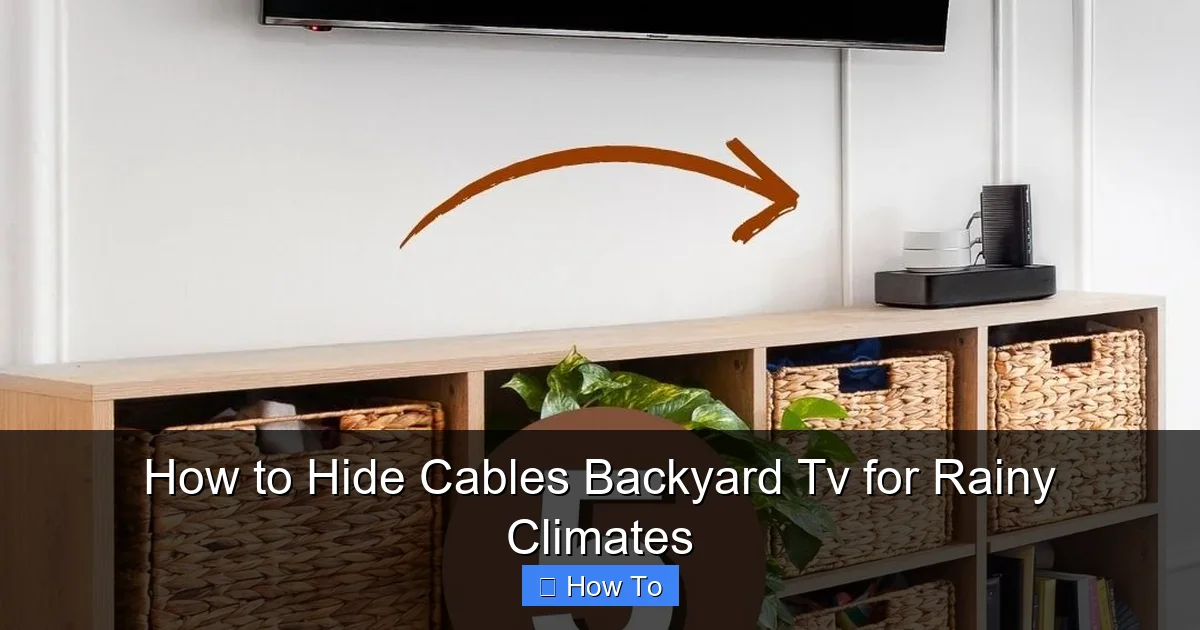
Visual guide about How to Hide Cables Backyard Tv for Rainy Climates
Image source: i.pinimg.com
Rainy climates bring more than just occasional showers—they bring constant humidity, puddles, mold, and temperature swings. These conditions can wreak havoc on standard electrical cables not designed for outdoor use. Water intrusion can lead to short circuits, corrosion, and even fire hazards. Plus, exposed cables are tripping hazards and can ruin the look of your outdoor space.
In addition, UV rays from the sun can degrade plastic insulation over time, making cables brittle and prone to cracking. When rain seeps into these cracks, the damage accelerates. That’s why it’s essential to use materials specifically rated for outdoor and wet environments.
Another concern is grounding and electrical safety. Water and electricity are a dangerous mix. If a cable gets wet and isn’t properly insulated or grounded, it could pose a serious shock risk—especially in areas where people walk or children play.
Finally, aesthetics matter. A messy tangle of cables running across your patio or lawn detracts from the relaxing vibe you want in your backyard. Hiding cables not only improves safety but also enhances the overall look of your outdoor living area.
Step 1: Choose the Right Cables for Outdoor Use
The foundation of a weatherproof cable setup starts with using the correct type of cable. Not all cables are created equal—especially when it comes to outdoor exposure.
Look for Outdoor or Direct Burial Ratings
Always choose cables labeled as “outdoor,” “UV-resistant,” or “direct burial.” These are designed to withstand moisture, sunlight, and temperature changes. For example, outdoor-rated HDMI cables have thicker, weather-resistant jackets compared to indoor versions.
Common outdoor cable types include:
– Outdoor Ethernet cables (Cat6 or Cat6a): For connecting streaming devices or smart TVs to your home network.
– Outdoor coaxial cables: For satellite or antenna connections.
– Outdoor power cables: Heavy-duty extension cords or permanent wiring with weatherproof insulation.
Avoid using indoor cables, even if they’re temporarily protected. They lack the necessary shielding and can fail quickly when exposed to rain or humidity.
Check for UV and Water Resistance
Look for cables with jackets made from materials like polyethylene (PE) or polyvinyl chloride (PVC) that are rated for UV exposure. These won’t crack or fade as quickly under the sun. Also, ensure the cable is rated for “wet locations” if it will be exposed to rain or buried underground.
Use the Right Gauge for Power Cables
If you’re running power to your outdoor TV, use a cable with the appropriate gauge (thickness) for the distance and power load. Longer runs require thicker cables to prevent voltage drop. For most backyard setups, a 12- or 14-gauge outdoor extension cord or permanent wiring is sufficient.
Step 2: Plan Your Cable Route
Before you start drilling or digging, take time to map out the best path for your cables. A well-planned route minimizes exposure, reduces tripping hazards, and makes future maintenance easier.
Keep Cables Away from High-Traffic Areas
Avoid running cables across walkways, patios, or areas where people frequently walk. Instead, route them along walls, under decks, or through landscaping. This keeps them hidden and reduces the risk of damage.
Use Existing Structures
Look for natural hiding spots like:
– Along the side of your house
– Under eaves or roof overhangs
– Behind outdoor furniture or planters
– Through existing conduit or raceways
These paths offer protection from rain and make cable installation easier.
Plan for Slope and Drainage
When routing cables horizontally, ensure they slope slightly downward away from the TV and toward a safe exit point. This prevents water from pooling along the cable. Avoid low spots where rainwater might collect.
Measure and Mark
Use chalk or tape to mark the cable path on the ground or wall. This helps you visualize the route and ensures accuracy during installation.
Step 3: Use Waterproof Conduits and Raceways
Conduits and raceways are essential for protecting and hiding cables in rainy climates. They act as a barrier against water, dirt, and physical damage.
Choose the Right Type of Conduit
There are several options, each suited to different needs:
– PVC Conduit: Affordable, durable, and easy to install. Ideal for underground or wall-mounted runs. Use Schedule 40 or 80 for extra strength.
– Flexible Conduit: Great for tight spaces or curved paths. Look for liquid-tight flexible metal conduit (LFMC) for added water resistance.
– Surface-Mounted Raceways: Plastic or metal channels that attach to walls or fences. Perfect for hiding cables along vertical surfaces.
Install Conduit Properly
– Cut the conduit to length using a hacksaw or PVC cutter.
– Use conduit elbows and connectors to navigate corners.
– Secure the conduit with outdoor-rated clips or straps every 3–4 feet.
– Seal all joints and entry points with waterproof silicone or conduit sealant.
Run Cables Through the Conduit
Use a fish tape or pull string to guide cables through the conduit. Avoid pulling too hard, as this can damage the insulation. Leave a little slack at both ends for future adjustments.
Step 4: Elevate Cables Off the Ground
Water pools on the ground, especially after heavy rain. Keeping cables elevated prevents contact with standing water and reduces the risk of corrosion.
Use Cable Clips and Hooks
Attach plastic or metal cable clips to walls, fences, or posts. Space them every 12–18 inches to support the cable and keep it secure. Choose clips with UV-resistant coating to prevent degradation.
Install Cable Trays
For longer runs, consider using outdoor cable trays. These are metal or plastic channels that hold multiple cables and can be mounted under decks or along fences. They offer excellent protection and organization.
Hang Cables from Overhangs
If you have a pergola, awning, or roof overhang, use weatherproof hooks or zip ties to suspend cables just below the structure. This keeps them dry and out of sight.
Step 5: Seal All Connections and Junctions
Even the best cable setup can fail if connections aren’t properly sealed. Water can seep into splices, connectors, and outlets, causing shorts or corrosion.
Use Waterproof Junction Boxes
For any cable splices or connections, use a NEMA-rated outdoor junction box. These are designed to keep moisture out and are available in plastic or metal. Install the box in a dry, accessible location.
Apply Silicone Sealant
After making connections, apply a bead of outdoor-grade silicone sealant around the edges of the junction box and any cable entry points. This creates a watertight barrier.
Protect Power Outlets
If you’re using an outdoor power outlet, install a weatherproof cover that closes when not in use. For permanent setups, consider a GFCI (ground fault circuit interrupter) outlet for added safety.
Step 6: Hide Cables with Landscaping and Decor
Once your cables are protected, it’s time to make them disappear. With a little creativity, you can blend cable management into your outdoor design.
Use Planters and Garden Beds
Route cables behind large planters or through garden beds. Use mulch or decorative stones to cover any visible sections. Just ensure the cables aren’t buried too deeply or exposed to constant soil moisture.
Integrate with Outdoor Furniture
Run cables under benches, behind outdoor cabinets, or through hollow furniture legs. This keeps them hidden while maintaining easy access.
Add Decorative Covers
Use outdoor cable covers that look like rocks, logs, or pavers. These are designed to blend into the landscape while protecting cables from foot traffic and weather.
Paint or Camouflage Conduits
If you’re using surface-mounted raceways, paint them to match your wall or fence. Use outdoor spray paint for a seamless look.
Step 7: Test and Maintain Your Setup
After installation, it’s crucial to test your system and establish a maintenance routine.
Test All Connections
Turn on your TV and check that all devices are working properly. Look for flickering screens, weak signals, or power issues that could indicate a loose or wet connection.
Inspect After Rain
After a heavy storm, check your cables, conduits, and seals for signs of water intrusion. Look for dampness, corrosion, or mold.
Schedule Regular Checks
Every 3–6 months, inspect your cable management system. Tighten loose clips, reapply sealant if needed, and replace any damaged components.
Trim Overgrown Plants
Keep vegetation away from cables and conduits. Overgrown plants can trap moisture and make inspections difficult.
Troubleshooting Common Issues
Even with the best planning, problems can arise. Here’s how to handle common issues:
Cable Signal Loss After Rain
This often indicates water in the cable or connector. Check all seals and junction boxes. Replace any damaged cables and reapply sealant.
Conduit Clogged with Water
If water gets trapped inside the conduit, it can damage cables. Ensure your route has proper slope and drainage. Use conduit with drain holes if necessary.
UV Damage to Cable Jackets
If cables become brittle or cracked, they may not have been rated for outdoor use. Replace them with UV-resistant options and consider adding extra shading.
Tripping Hazards
If cables are still visible on the ground, use cable ramps or covers designed for outdoor use. These provide a safe crossing point for foot traffic.
Conclusion: A Safe, Stylish, and Weather-Ready Backyard TV
Setting up a backyard TV in a rainy climate doesn’t have to be a headache. With the right materials, smart planning, and a focus on weatherproofing, you can enjoy your outdoor entertainment space year-round—rain or shine. By using outdoor-rated cables, waterproof conduits, and clever hiding techniques, you’ll protect your investment and keep your setup looking great.
Remember, the key is to prioritize safety and durability. Don’t cut corners with indoor cables or temporary fixes. Instead, invest in quality materials and take the time to install everything properly. Regular maintenance will ensure your system stays in top condition, even during the wettest seasons.
Your backyard should be a place of relaxation and fun, not worry. With these cable management tips, you can create a clean, safe, and stylish outdoor TV setup that stands up to the elements. So grab your popcorn, invite some friends, and enjoy the show—no matter what the weather brings.