Keeping your poolside TV clean in windy areas requires special care to avoid damage from dust, debris, and moisture. This guide walks you through safe cleaning methods, protective measures, and maintenance routines to ensure your outdoor screen stays clear and functional year-round.
Key Takeaways
- Use a microfiber cloth and screen-safe cleaner to avoid scratching the screen or leaving residue.
- Clean during calm weather to prevent wind from blowing dust back onto the freshly cleaned surface.
- Install a weatherproof TV cover or enclosure to shield the TV from wind, rain, and UV exposure.
- Regular maintenance every 2–4 weeks helps prevent buildup of salt, pollen, and grime common in pool environments.
- Avoid harsh chemicals and paper towels, which can damage anti-glare coatings and leave lint.
- Secure all cables and mounts to prevent wind from loosening connections or causing vibrations.
- Consider a motorized lift or retractable system for added protection during storms or high winds.
How to Clean Poolside TV for Windy Areas
If you’ve invested in a poolside TV, you know how amazing it is to enjoy your favorite shows, movies, or sports while lounging by the water. But living in a windy area—especially near the coast or open plains—adds a layer of complexity. Wind carries dust, sand, salt, pollen, and debris that can quickly coat your outdoor TV screen, reducing visibility and potentially damaging sensitive components.
Cleaning your poolside TV isn’t just about aesthetics. Over time, buildup from environmental elements can degrade screen coatings, clog ventilation areas, and even corrode internal electronics if moisture gets trapped. That’s why a proper cleaning routine—tailored for windy conditions—is essential.
In this comprehensive guide, you’ll learn how to clean your poolside TV safely and effectively, even when the wind is blowing. We’ll cover the right tools, step-by-step cleaning methods, protective strategies, and long-term maintenance tips to keep your outdoor entertainment system in top shape. Whether you have a wall-mounted TV, a weatherproof enclosure, or a retractable lift system, these tips will help you protect your investment and enjoy crystal-clear viewing all season long.
Why Wind Makes Poolside TV Cleaning More Challenging

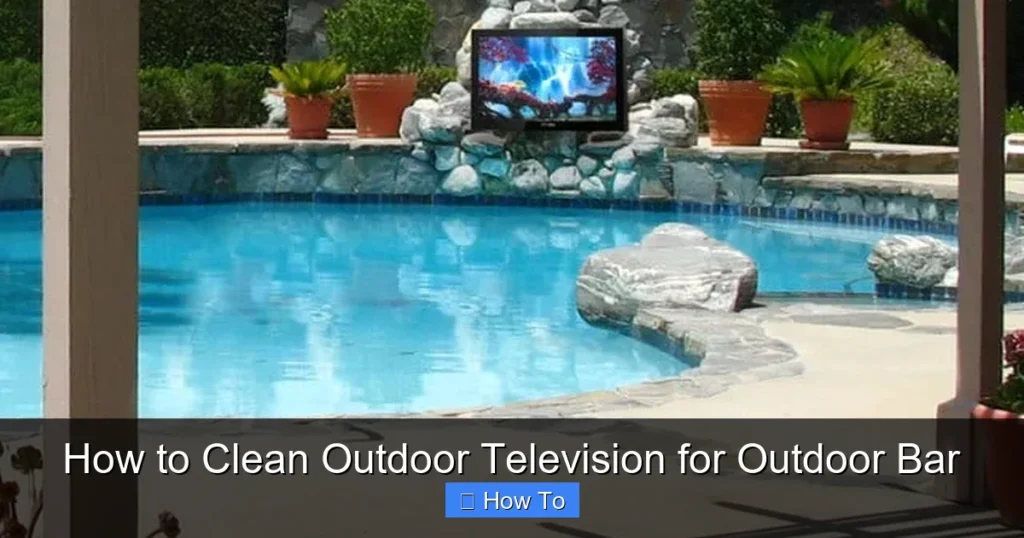
Visual guide about How to Clean Poolside Tv for Windy Areas
Image source: moowy.co.uk
Wind is one of the biggest enemies of outdoor electronics. In pool areas, the problem is amplified by several factors:
– **Airborne Debris**: Wind picks up sand, leaves, dirt, and salt spray (especially near oceans), which can scratch screens or clog vents.
– **Moisture and Humidity**: Poolside environments are naturally humid. When combined with wind, moisture can linger on surfaces, increasing the risk of mold or corrosion.
– **UV Exposure**: Constant sun exposure weakens plastic casings and fades screens. Wind-driven dust can accelerate this wear.
– **Vibration and Movement**: Strong gusts can shake mounts or enclosures, loosening screws or cables over time.
Without proper care, your poolside TV could suffer from reduced image quality, overheating, or even premature failure. That’s why cleaning isn’t just a one-time task—it’s an ongoing process that requires attention to detail and the right approach.
Tools and Supplies You’ll Need
Before you start cleaning, gather the right tools. Using improper materials can do more harm than good. Here’s a checklist of what you’ll need:
- Microfiber cloths (lint-free and soft—avoid paper towels or rough fabrics)
- Screen-safe cleaning solution (specifically designed for electronics; avoid ammonia, alcohol, or vinegar-based cleaners)
- Compressed air canister (for blowing dust out of vents and crevices)
- Soft-bristle brush (like a clean makeup brush or camera lens brush)
- Spray bottle with distilled water (optional, for diluting cleaner)
- Isopropyl alcohol (70%) (only for non-screen parts like bezels or enclosures—use sparingly)
- Gloves (to protect your hands and prevent oils from transferring to the screen)
- Step ladder or stable platform (if your TV is mounted high)
- Weatherproof cover or tarp (to protect the TV after cleaning if wind picks up)
Pro tip: Always check your TV’s user manual before cleaning. Some manufacturers have specific recommendations or warnings about cleaning products and methods.
Step-by-Step Guide to Cleaning Your Poolside TV
Now that you have your supplies ready, let’s walk through the cleaning process. Follow these steps carefully to ensure a safe and effective clean—even on breezy days.
Step 1: Turn Off and Unplug the TV
Safety first. Before you begin, make sure the TV is completely powered off and unplugged from the outlet. This prevents electrical shock and protects the internal components from accidental damage during cleaning.
If your TV is hardwired or connected to a weatherproof enclosure, turn off the power at the circuit breaker. Wait at least 10–15 minutes for the internal capacitors to discharge before handling.
Step 2: Choose the Right Time to Clean
Timing is everything—especially in windy areas. Avoid cleaning your TV during or immediately after windy conditions. Wait for a calm day or early morning when the air is still.
Why? Wind can blow dust and debris back onto the screen just as you finish cleaning, undoing your hard work. It can also make it harder to control your cleaning tools and increase the risk of slipping or dropping items.
If you must clean during breezy weather, try to work in a sheltered spot—like under a pergola or awning—or use a temporary windbreak (such as a large tarp or screen) to create a calm zone around the TV.
Step 3: Dust Off the Surface
Before applying any liquid, remove loose dust and debris. Use a soft-bristle brush or a can of compressed air to gently blow dust off the screen, bezel, and vents.
Start from the top and work your way down. Hold the compressed air can upright and use short bursts to avoid moisture buildup. Never spray directly into ventilation ports—this can push dust deeper inside.
For stubborn dust in corners or around the frame, use the brush to gently sweep it away. Be careful not to press too hard, especially on the screen.
Step 4: Prepare Your Cleaning Solution
Never spray cleaner directly onto the TV screen. This can cause liquid to seep into the edges and damage internal components.
Instead, lightly mist your microfiber cloth with the screen-safe cleaning solution. The cloth should be damp—not wet. If you’re using a store-bought cleaner, follow the instructions on the label.
If you prefer a DIY solution, mix one part distilled water with one part isopropyl alcohol (70%). This is safe for most screens but avoid using it on anti-glare or matte finishes unless specified by the manufacturer.
Never use household cleaners like Windex, vinegar, or bleach. These contain chemicals that can strip protective coatings and leave streaks.
Step 5: Wipe the Screen Gently
Using the damp microfiber cloth, wipe the screen in slow, circular motions. Start from one corner and work your way across, applying light pressure.
Avoid pressing hard—especially on LED or OLED screens, which can be damaged by excessive force. Focus on areas with visible smudges, fingerprints, or water spots.
For stubborn spots, let the cleaner sit for 10–15 seconds before wiping. Never scrub aggressively.
Once the screen is clean, use a dry part of the microfiber cloth to buff the surface and remove any remaining moisture or streaks.
Step 6: Clean the Bezel and Enclosure
The frame and housing of your TV also collect dirt and grime. Use a separate microfiber cloth—lightly dampened with water or a mild cleaner—to wipe down the bezel, buttons, and ports.
For plastic or metal enclosures, you can use a slightly stronger solution (like diluted isopropyl alcohol) to remove salt residue or sticky buildup. Just be sure to wipe it off quickly and dry thoroughly.
Pay special attention to areas around the speakers and ventilation slots, where dust and moisture tend to accumulate.
Step 7: Dry Thoroughly
After cleaning, use a dry microfiber cloth to wipe down the entire TV, including the screen, bezel, and enclosure. Make sure no moisture remains—especially around seams, ports, or vents.
Allow the TV to air-dry for at least 10–15 minutes before turning it back on. This ensures any residual moisture evaporates completely.
Step 8: Reconnect and Test
Once the TV is dry, plug it back in and power it on. Check that the screen is clear, the sound is working, and all functions are normal.
If you notice any issues—like flickering, discoloration, or no display—turn it off immediately and consult the manufacturer or a professional technician.
Protecting Your Poolside TV from Wind and Weather
Cleaning is only half the battle. To keep your TV in great condition, you need to protect it from the elements—especially wind.
Use a Weatherproof Enclosure
If your TV isn’t already in a weatherproof case, consider investing in one. These enclosures are designed to shield outdoor TVs from rain, dust, UV rays, and wind-blown debris.
Look for models with:
– IP54 or higher rating (dust and water resistant)
– Tempered glass front panel (protects the screen without blocking the signal)
– Ventilation with dust filters
– Secure locking mechanism
Popular brands include Seura, SunBrite, and Peerless-AV. While they add to the cost, they significantly extend the life of your TV.
Install a Retractable or Motorized Lift System
For ultimate protection, consider a motorized lift that raises and lowers your TV into a weatherproof cabinet. When not in use, the TV retracts completely, shielding it from wind, rain, and sun.
These systems are ideal for high-wind areas or coastal homes where salt spray is a constant issue. They’re more expensive but offer peace of mind and long-term savings by reducing wear and tear.
Use a High-Quality TV Cover
When the TV is off, cover it with a breathable, weatherproof cover. Avoid plastic tarps, which can trap moisture and cause condensation.
Look for covers made from UV-resistant, water-repellent fabric with ventilation panels. Some even come with built-in pockets for remotes or cables.
Pro tip: Choose a cover that fits snugly but isn’t too tight—this prevents flapping in the wind, which can scratch the screen.
Secure Mounts and Cables
Wind can loosen mounting brackets and cables over time. Regularly inspect your TV’s mounting hardware and tighten any loose screws.
Use cable management clips or conduit to keep wires secure and protected from wind and UV damage. Consider using weatherproof cable glands where wires enter the enclosure.
Trim Nearby Vegetation
Overhanging branches, shrubs, or vines can whip against your TV in strong winds, causing scratches or knocking debris onto the screen.
Keep plants trimmed back at least 2–3 feet from the TV. This also reduces the amount of pollen, sap, and leaves that land on the screen.
Maintenance Schedule for Windy Areas
Consistency is key. Set a regular cleaning and inspection schedule to stay ahead of problems.
- Weekly: Quick dusting with a dry microfiber cloth or soft brush.
- Every 2–4 weeks: Full cleaning (as outlined above), especially during pollen season or after storms.
- Monthly: Check mounts, cables, and enclosures for wear or looseness.
- Seasonally: Deep clean the enclosure, replace air filters (if applicable), and inspect for corrosion or mold.
- After High Winds or Storms: Inspect for damage, clean off debris, and ensure the TV is secure.
Keeping a simple log or setting calendar reminders can help you stay on track.
Troubleshooting Common Issues
Even with proper care, problems can arise. Here’s how to handle common issues:
Streaks or Haze on the Screen
This usually happens when cleaner dries too quickly or you use the wrong product. Re-clean with a fresh microfiber cloth and a proper screen-safe solution. Buff gently with a dry cloth.
Dust Returns Immediately After Cleaning
This is a sign of high wind or poor airflow around the TV. Consider installing a windbreak or relocating the TV to a more sheltered spot. You may also need to clean more frequently.
TV Overheats or Shuts Off
Check ventilation ports for dust buildup. Use compressed air to clear them. Ensure the enclosure isn’t blocking airflow. If the problem persists, consult a technician.
Corrosion or Rust on Mounts
This is common in coastal areas. Replace metal parts with stainless steel or powder-coated alternatives. Apply a corrosion inhibitor spray if recommended by the manufacturer.
Remote Control Not Working
Wind and moisture can affect infrared signals. Make sure the remote sensor isn’t blocked by dirt or condensation. Use a radio frequency (RF) remote if your model supports it—these work through enclosures and aren’t affected by wind.
Conclusion
Cleaning your poolside TV in a windy area doesn’t have to be a chore—it’s a smart investment in your outdoor lifestyle. By following the steps in this guide, you’ll keep your screen clear, your TV protected, and your entertainment experience enjoyable year-round.
Remember: use the right tools, clean during calm weather, and protect your TV with a quality enclosure or cover. Regular maintenance goes a long way in preventing damage and extending the life of your outdoor TV.
With a little effort and the right approach, you can enjoy movie nights, game days, and relaxing evenings by the pool—without worrying about wind, dust, or debris. So grab your microfiber cloth, wait for a calm day, and give your poolside TV the care it deserves.
Your outdoor oasis deserves it.