Get your poolside TV ready for summer fun with this easy cleaning guide. We’ll walk you through safe methods to remove grime, protect your screen, and ensure crystal-clear viewing for your next backyard bash—without damaging your TV.
Key Takeaways
- Turn off and unplug the TV before cleaning: Safety comes first—always disconnect power to avoid electrical hazards or damage.
- Use only screen-safe cleaning solutions: Avoid ammonia, alcohol, or abrasive cleaners that can strip anti-reflective coatings or scratch surfaces.
- Microfiber cloths are your best friend: They trap dust and moisture without leaving lint or streaks, unlike paper towels or rough fabrics.
- Clean during cooler parts of the day: Avoid direct sunlight and high humidity, which can cause cleaning solutions to dry too quickly and leave marks.
- Protect your TV from pool chemicals: Chlorine, salt, and sunscreen residue can degrade screens over time—regular cleaning prevents buildup.
- Check weatherproofing seals regularly: If your TV is outdoor-rated, inspect gaskets and vents to ensure they’re intact and free of debris.
- Schedule seasonal deep cleans: A thorough cleaning before summer ensures optimal performance and extends your TV’s lifespan.
How to Clean Poolside TV for Summer Parties
Summer is here—and that means backyard barbecues, pool parties, and movie nights under the stars. Your poolside TV is the centerpiece of outdoor entertainment, but after months of sun, splashes, and sunscreen residue, it might not be looking its best. A dirty screen can ruin the viewing experience, and worse, improper cleaning can permanently damage your TV.
Don’t let a smudged or streaky display dampen your summer fun. In this complete guide, we’ll show you exactly how to clean your poolside TV safely and effectively. Whether you have a weatherproof outdoor TV or an indoor model mounted near the pool, these steps will help you restore clarity, protect your investment, and keep your guests entertained all season long.
You’ll learn the right tools to use, the best cleaning techniques, and how to maintain your TV between deep cleans. Plus, we’ll share troubleshooting tips for common issues like water spots, sticky residue, or foggy screens. By the end, your TV will be spotless, safe, and ready for action.
Let’s dive in—no pun intended!
Why Cleaning Your Poolside TV Matters

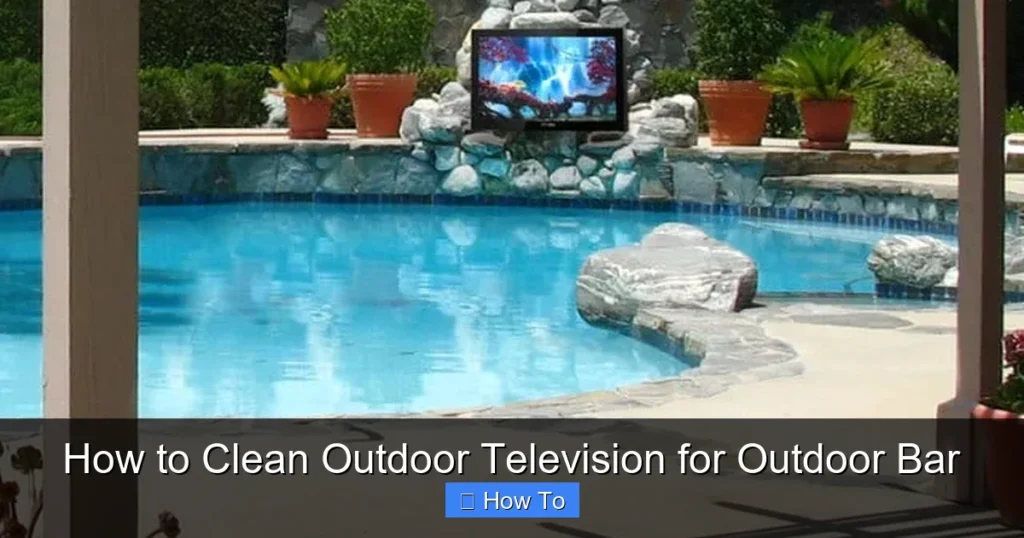
Visual guide about How to Clean Poolside Tv for Summer Parties
Image source: thumbs.dreamstime.com
Before we get into the how-to, let’s talk about why this matters. Your poolside TV faces unique challenges that indoor TVs don’t. It’s exposed to chlorine mist, saltwater spray, sunscreen splatters, humidity, and intense sunlight. Over time, these elements leave behind a sticky, hazy film that dulls colors and reduces brightness.
But it’s not just about looks. Dirt and chemical buildup can interfere with the TV’s performance. For example, residue on the screen can scatter light, making images appear washed out. In outdoor models, clogged vents or damaged seals can lead to overheating or moisture intrusion—both of which can shorten your TV’s lifespan.
Regular cleaning also prevents long-term damage. Many modern TVs have anti-glare or anti-reflective coatings that can be stripped by harsh chemicals. Once these coatings are gone, they can’t be replaced, and your screen may become more reflective or prone to scratches.
Finally, a clean TV enhances the guest experience. Imagine hosting a summer party and having your favorite show or movie look crisp and vibrant. It sets the mood, keeps people engaged, and shows you care about the details.
So, whether you’re prepping for a Fourth of July bash or a casual weekend hangout, taking the time to clean your poolside TV is a small step with big rewards.
What You’ll Need
Before you start, gather the right tools. Using the wrong supplies can do more harm than good. Here’s a checklist of what you’ll need:
- Microfiber cloths: At least two—one for dusting, one for cleaning. Look for lint-free, non-abrasive options designed for electronics.
- Distilled water: Tap water contains minerals that can leave spots. Distilled water ensures a streak-free finish.
- Isopropyl alcohol (70% or less): Only if needed for tough grime. Never use full-strength alcohol—it can damage coatings.
- Mild dish soap: A drop of gentle, non-abrasive soap can help cut through oily residue.
- Soft-bristle brush or compressed air: For cleaning vents and crevices without scratching.
- Spray bottle: To mist cleaning solution evenly—never spray directly on the screen.
- Gloves (optional): To keep oils from your hands off the screen.
- Ladder or step stool: If your TV is mounted high, make sure it’s stable and secure.
Avoid these common mistakes:
– Paper towels or napkins (they scratch and leave lint)
– Glass cleaners like Windex (they contain ammonia)
– Abrasive sponges or scrubbers
– Household all-purpose cleaners
With the right tools in hand, you’re ready to begin.
Step 1: Turn Off and Unplug the TV
Safety is the first rule of TV cleaning—especially near water. Always turn off your TV and unplug it from the power source before you start. This prevents electrical shock and protects the internal components from moisture.
Even if your TV is outdoor-rated, water and electricity don’t mix. A stray splash or damp cloth could create a dangerous situation. Plus, a powered-off screen is easier to clean because you can see smudges and dust more clearly.
If your TV is hardwired or connected to a surge protector, make sure the entire system is powered down. Wait at least 10–15 minutes after unplugging to allow any residual charge to dissipate.
This step might seem obvious, but it’s easy to skip when you’re excited to get your TV ready for a party. Don’t rush it—your safety and your TV’s longevity depend on it.
Step 2: Dust the Screen and Surroundings
Before applying any liquid, remove loose dust and debris. Dust acts like sandpaper when wiped with a damp cloth, so always start dry.
Use a Dry Microfiber Cloth
Gently wipe the screen in straight, vertical motions. Don’t press hard—let the cloth do the work. Start from the top and work your way down to avoid redepositing dust.
Clean the Frame and Vents
Use a soft-bristle brush or compressed air to clean around the bezel, buttons, and ventilation slots. Poolside TVs often accumulate sand, salt, or sunscreen in these areas. Be gentle—don’t force debris out, as you could damage internal components.
Check for Cobwebs or Insects
Outdoor TVs are prime real estate for spiders and bugs. Use a dry cloth or brush to remove any webs or insect remains. If you find nests, consider installing a protective cover or adjusting the TV’s placement to deter pests.
This dry pass removes up to 80% of surface grime and prepares the screen for deeper cleaning.
Step 3: Prepare Your Cleaning Solution
Now it’s time to make a safe, effective cleaning solution. The goal is to remove oils, sunscreen, and chemical residue without damaging the screen.
For Light Cleaning (Dust and Smudges)
Mix 1 cup of distilled water with 1 drop of mild dish soap. Shake gently in a spray bottle—don’t create suds.
For Stubborn Residue (Chlorine, Salt, Sunscreen)
Add 1 tablespoon of isopropyl alcohol (70% or less) to the mix. Alcohol helps break down oily substances but must be diluted to avoid coating damage.
Never use undiluted alcohol, vinegar, or commercial glass cleaners. These can strip protective layers and cause permanent cloudiness.
Test First
Spray a small amount on a corner of the screen or on the cloth (not the screen itself). Wait 30 seconds to ensure no discoloration or streaking occurs.
Your solution should be lightly damp—never soaking wet. Excess moisture can seep into the edges and damage internal electronics.
Step 4: Clean the Screen Gently
This is the most important step. How you wipe the screen determines whether it comes out spotless or scratched.
Spray the Cloth, Not the Screen
Mist your microfiber cloth lightly with the cleaning solution. The cloth should be damp, not dripping. Spraying the screen directly can force liquid into the bezel and damage the TV.
Wipe in Straight Lines
Use gentle, overlapping strokes from top to bottom. Avoid circular motions, which can leave swirl marks. Apply light pressure—let the solution and cloth do the work.
Focus on Problem Areas
Pay extra attention to spots with sunscreen splatters, handprints, or salt residue. These areas may need a second pass. Never scrub—gentle wiping is enough.
Use a Second Dry Cloth
After cleaning, immediately buff the screen with a dry microfiber cloth. This removes any remaining moisture and prevents streaks.
If you see streaks, it’s likely due to too much solution or a dirty cloth. Rinse and wring out the cloth, then repeat.
Step 5: Clean the TV’s Exterior and Mount
The screen isn’t the only part that needs attention. The frame, stand, and mounting hardware can collect grime and affect the TV’s appearance.
Wipe the Bezel and Frame
Use the same damp cloth to clean the plastic or metal surround. For textured surfaces, a soft toothbrush can help dislodge dirt.
Clean the Mounting Bracket
If your TV is wall-mounted, wipe down the bracket and screws. Salt and chlorine can corrode metal over time. A light coat of silicone spray can protect against rust.
Check Cables and Connections
Inspect power cords, HDMI cables, and antenna wires for wear or corrosion. Clean connectors with a dry cloth. Avoid getting moisture near ports.
Don’t Forget the Remote
Your remote control is just as dirty—if not more so. Wipe it down with a cloth dampened with the same solution. Remove the battery cover and clean inside with a dry brush.
A clean exterior not only looks better but also prevents dirt from migrating to the screen.
Step 6: Inspect and Maintain Weatherproofing
If you have an outdoor TV, weatherproofing is critical. Even minor damage can let in moisture and ruin your investment.
Check the Seals and Gaskets
Look around the edges of the screen and vents for rubber gaskets. These should be intact, flexible, and free of cracks. Replace any that are brittle or torn.
Clear Ventilation Openings
Use compressed air to blow out dust and debris from vents. Blocked vents can cause overheating, especially in summer heat.
Look for Signs of Moisture
Check the back and sides for condensation, water stains, or corrosion. If you see any, your TV may not be properly sealed. Consider consulting a professional.
Consider a Protective Cover
When not in use, cover your TV with a breathable, UV-resistant cover. This prevents sun damage and keeps out splashes and insects.
Proper weatherproofing ensures your TV stays clean and functional season after season.
Step 7: Let It Dry and Reconnect
After cleaning, give your TV time to dry completely before turning it back on.
Wait at Least 30 Minutes
Even if the screen feels dry, moisture may linger in crevices. Waiting ensures no internal damage occurs.
Reconnect Power and Test
Plug the TV back in and turn it on. Check for normal operation—no flickering, discoloration, or unusual sounds.
Adjust Settings if Needed
Outdoor viewing often requires brightness and contrast adjustments. Use the TV’s menu to optimize for daylight or evening viewing.
Your TV should now look crisp, clean, and ready for summer fun.
Troubleshooting Common Cleaning Issues
Even with careful cleaning, problems can arise. Here’s how to handle the most common ones.
Streaks or Haze on the Screen
Cause: Too much cleaning solution or a dirty cloth.
Solution: Buff the screen with a dry microfiber cloth. If streaks persist, repeat the cleaning process with less solution.
Sticky Residue That Won’t Come Off
Cause: Sunscreen, lotion, or pool chemicals.
Solution: Use a slightly stronger mix (1 part alcohol to 3 parts water) and let it sit for 10 seconds before wiping. Never scrub.
Water Spots or Mineral Deposits
Cause: Tap water or high humidity.
Solution: Always use distilled water. For existing spots, gently wipe with a cloth dampened with vinegar-free solution.
Screen Feels Sticky After Cleaning
Cause: Soap residue.
Solution: Wipe with a cloth dampened with distilled water only, then dry immediately.
TV Won’t Turn On After Cleaning
Cause: Moisture in ports or power issues.
Solution: Unplug for 1 hour, then retry. If it still doesn’t work, consult a technician.
Most issues are preventable with the right technique—gentle, dry-first, and solution-light.
Tips for Maintaining a Clean Poolside TV
Cleaning once before summer isn’t enough. Regular maintenance keeps your TV looking great all season.
Wipe Weekly
Use a dry microfiber cloth to remove dust and fingerprints every week. This prevents buildup and reduces deep-cleaning frequency.
Use a Screen Protector
Consider a removable anti-glare film designed for outdoor use. It adds a layer of protection and is easier to clean.
Position Strategically
Mount your TV under an overhang or pergola to reduce direct sun and splash exposure. Avoid placing it directly above the pool.
Limit Food and Drinks Near the TV
Spills and grease can damage the screen and attract pests. Designate a dry zone for snacks and drinks.
Schedule Seasonal Deep Cleans
Clean thoroughly at the start of summer, mid-season, and before winter storage. This extends your TV’s life and performance.
With consistent care, your poolside TV will stay clean, clear, and ready for every party.
Conclusion
Cleaning your poolside TV doesn’t have to be a chore. With the right tools and techniques, it’s a quick, easy task that pays off in better picture quality, longer TV life, and happier guests.
Remember: always unplug first, use only safe cleaning solutions, and wipe gently with microfiber cloths. Avoid harsh chemicals, paper towels, and spraying directly on the screen. And don’t forget to check seals, vents, and cables—especially for outdoor models.
By following this guide, you’ll ensure your TV is sparkling clean and ready for summer parties, movie nights, and everything in between. Your backyard oasis deserves a centerpiece that looks as good as it performs.
So grab your cloth, mix your solution, and get cleaning. Summer fun starts with a clear view.